Six weeks in the rainforests of Borneo
My journey through Malaysian Borneo began in Sabah, after travelling from Kuala Lumpur, with a very different challenge waiting for me: Mount Kinabalu.
I had two days to climb the mountain, but heavy rain made the ascent considerably more difficult. The trails became slippery and demanding, and on the second day we left at around 2 a.m. for the final ascent towards the summit, climbing another 600 metres in darkness. At several sections, ropes were needed to make the climb. Doing this at night is a completely different experience from climbing during daylight, particularly for someone like me who suffers from vertigo. The darkness removes the sense of depth, but somehow makes every step feel even more exposed.
The mountain was only the beginning. Over the following six weeks I travelled extensively through Malaysian Borneo, visiting many of its national parks, wildlife reserves and protected areas. The journey took me deep into rainforests, along rivers and into places where the natural environment still dominates everyday life.
My guide throughout much of this journey was James Chew, a passionate nature lover with an extraordinary knowledge of the wildlife and forests of Borneo. James had a particular love for his jeep, but his greatest asset was his patience and his ability to understand what was happening around us. He knew where to look, when to wait and, perhaps most importantly, what I was looking for as a photographer.
Some of the most memorable experiences came along the Kinabatangan River. Moving slowly by boat through the rainforest gave me a completely different perspective on wildlife. We encountered elephants crossing the river and spent long periods searching the surrounding forest for its inhabitants. The river itself became part of the experience, particularly in the early morning when the first light began to transform the landscape.
I also visited places such as Sepilok, Gomantong Caves, Matang and Sarawak, together with other protected areas throughout Malaysian Borneo. The Gomantong Caves were unforgettable for another reason. The enormous accumulation of guano produced a smell so powerful that it was almost unbearable. Yet even here, nature revealed an extraordinary ecosystem, reminding me that wildlife photography is not always about comfort or beautiful surroundings.
The wildlife encounters were varied and often rewarding. Orangutans and hornbills were among the species I was fortunate enough to photograph, while other encounters remained elusive. The clouded leopard, one of Borneo's most mysterious predators, was a particular challenge. We even searched for it at night, but despite the effort and patience, it remained out of reach. That is also part of wildlife photography: some of the animals you travel furthest to find are the ones that never appear in front of the camera.
Some of my favourite moments, however, were not necessarily encounters with a particular animal. Early mornings at Menara Kayangan, the Tower of Heaven, offered spectacular views as the first light appeared over the rainforest. After days of travelling, searching and waiting, there was something deeply rewarding about simply standing still and watching the jungle slowly emerge from the darkness.
Borneo taught me once again how important a good guide can be. James's patience, knowledge and understanding of the natural world became an invaluable part of my photographic journey. A photographer may carry the equipment and press the shutter, but many of the opportunities begin with someone who knows the forest well enough to recognise what is about to happen.
Six weeks in Borneo were not simply a search for photographs. They were an immersion in rainforest, rivers, mountains, wildlife, difficult conditions and long periods of waiting. Looking back, the photographs are only part of what remains. The sounds, smells, uncertainty, exhaustion and the people who shared those experiences with me are equally part of the memory.
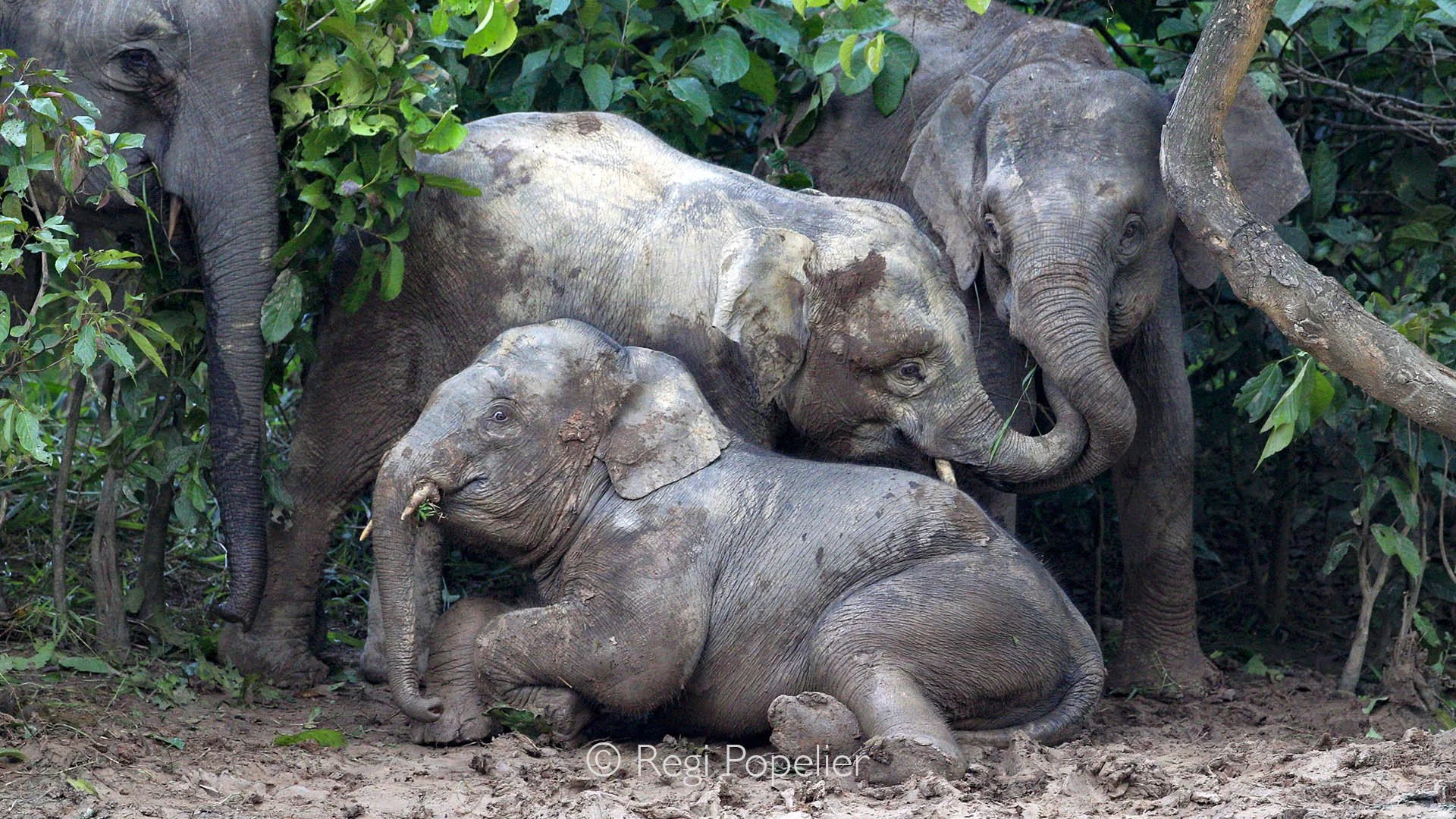
BOR001 - Pygmy elephants playing along the muddy banks of the Kinabatangan River. A rare glimpse of Borneo’s incredible wildlife.
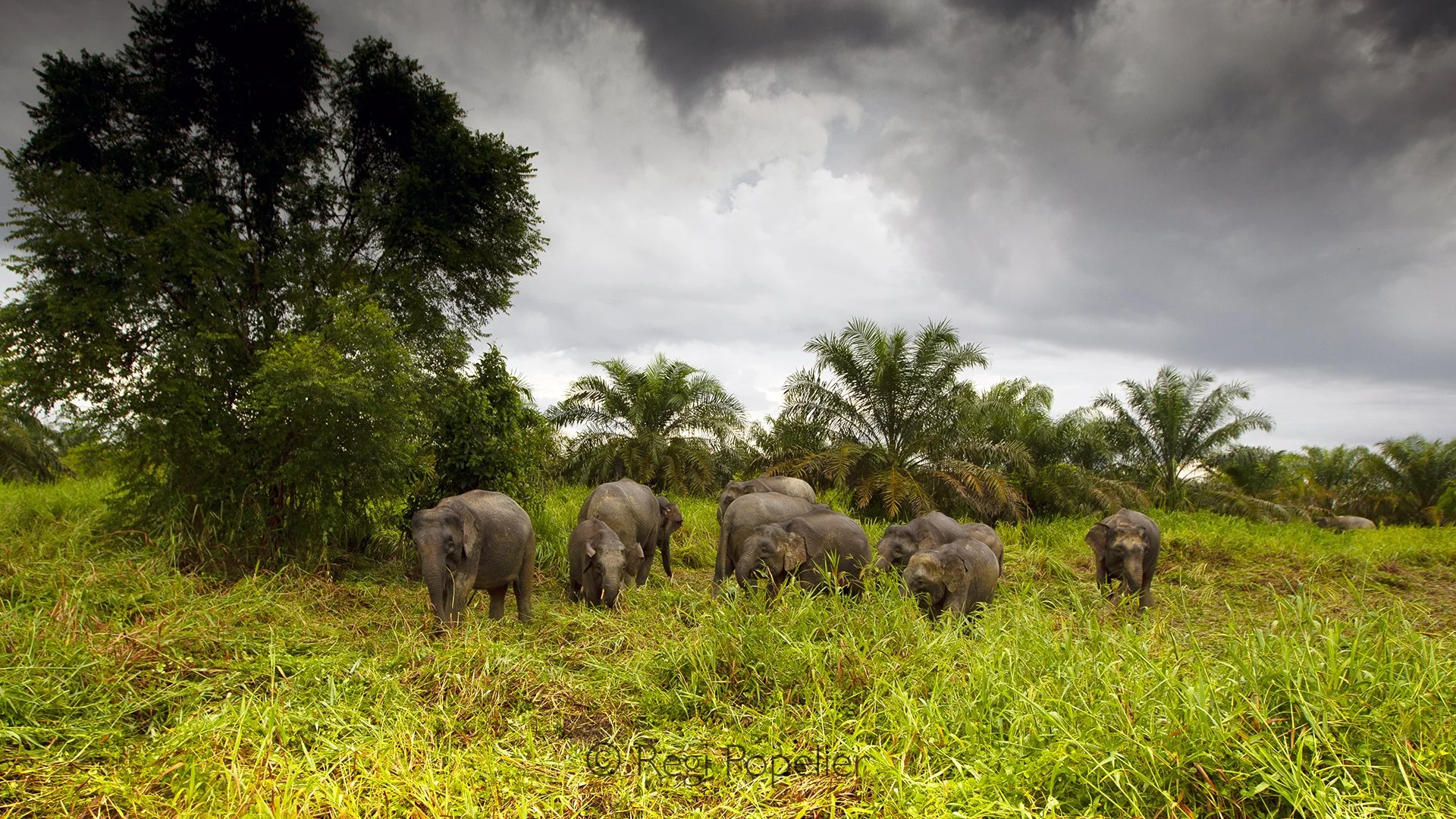
BOR002 - Elephants standing in the tall grasses along the Kinabatangan River. Peaceful and illustrative image of Borneo’s lush ecosystem.
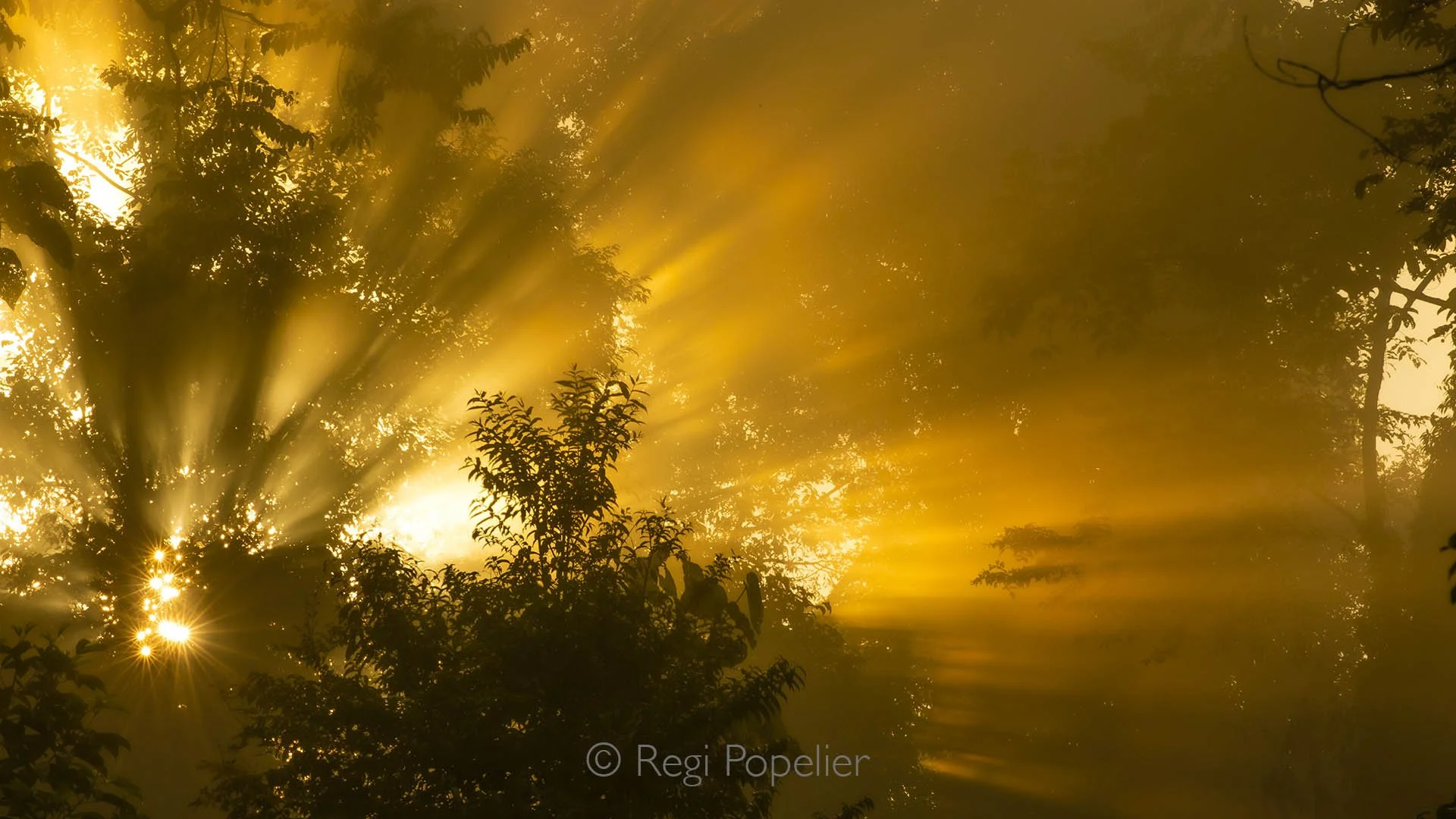
BOR003 - Sunrise breaking through the lush forest of Sarawak, one of the magical mornings in Borneo’s tropical paradise.
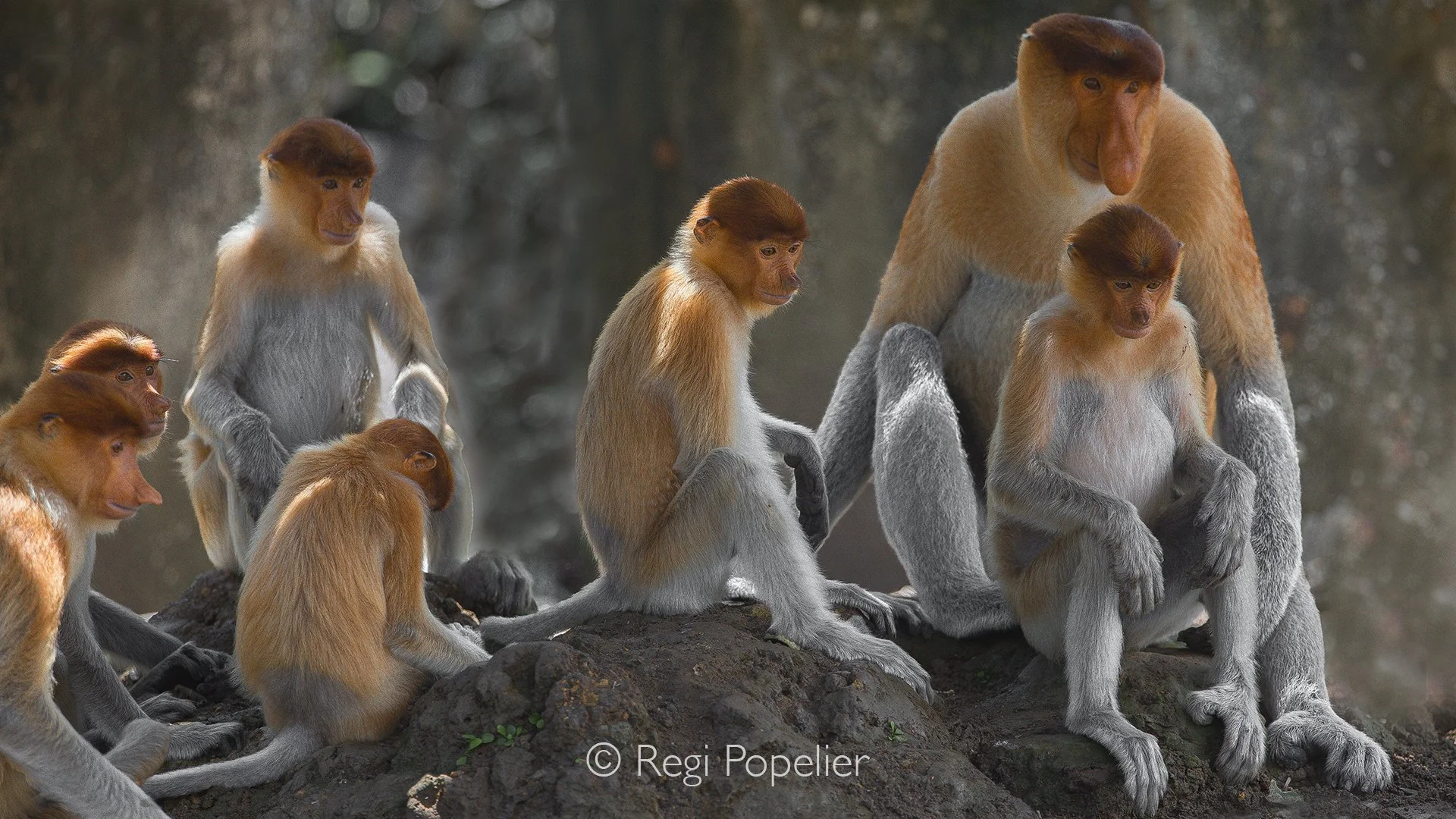
BOR004 - Family of proboscis monkeys gathering at a feeding site. Showcasing the social life of Borneo’s unique primates.
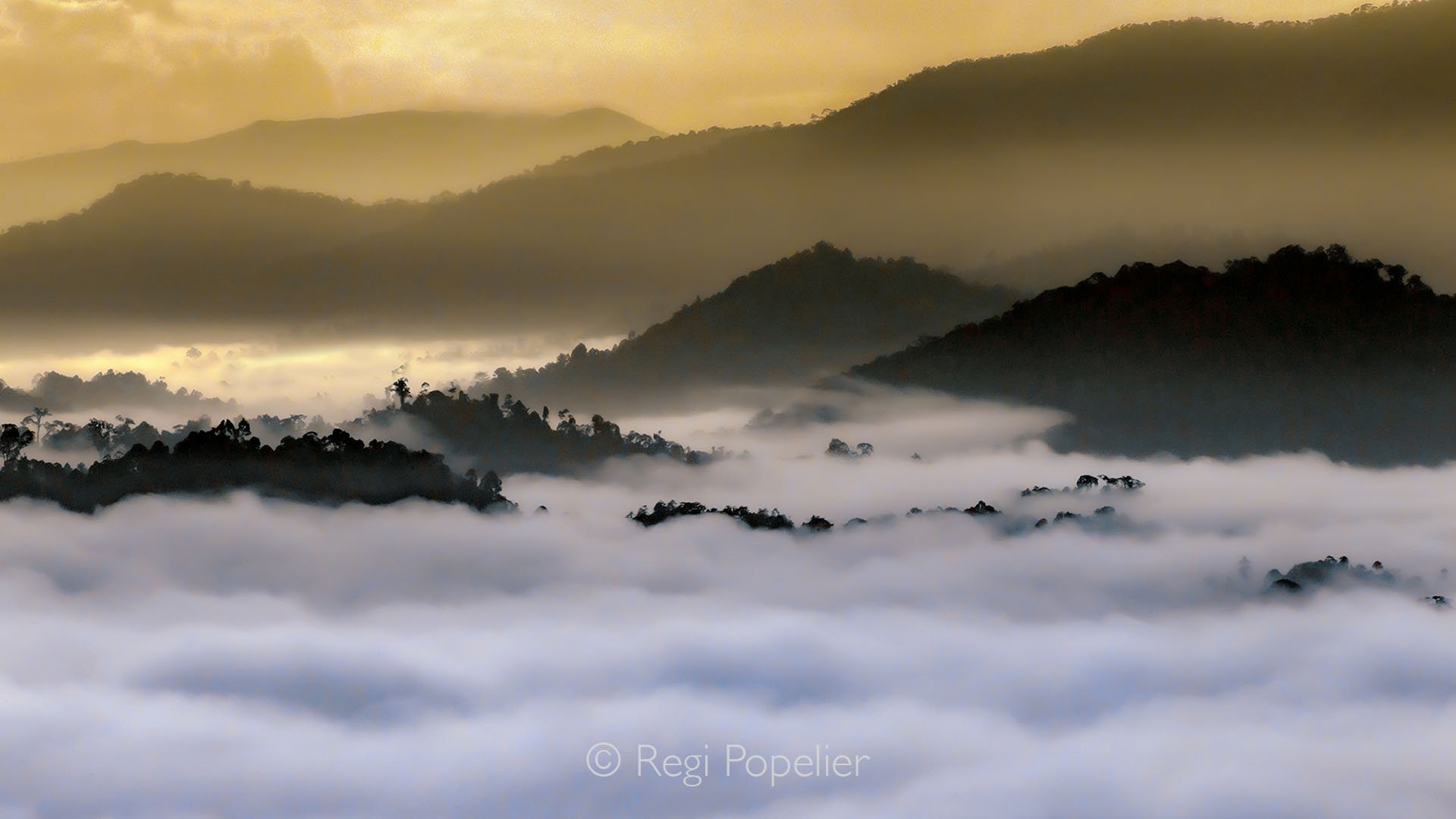
BOR005 - Spectacular panoramic views from Menara Kayangan (Tower of Heaven), a 33-meter tall tower atop Mount Silam, 620 meters above sea level. This is a must visit viewpoint in Borneo.
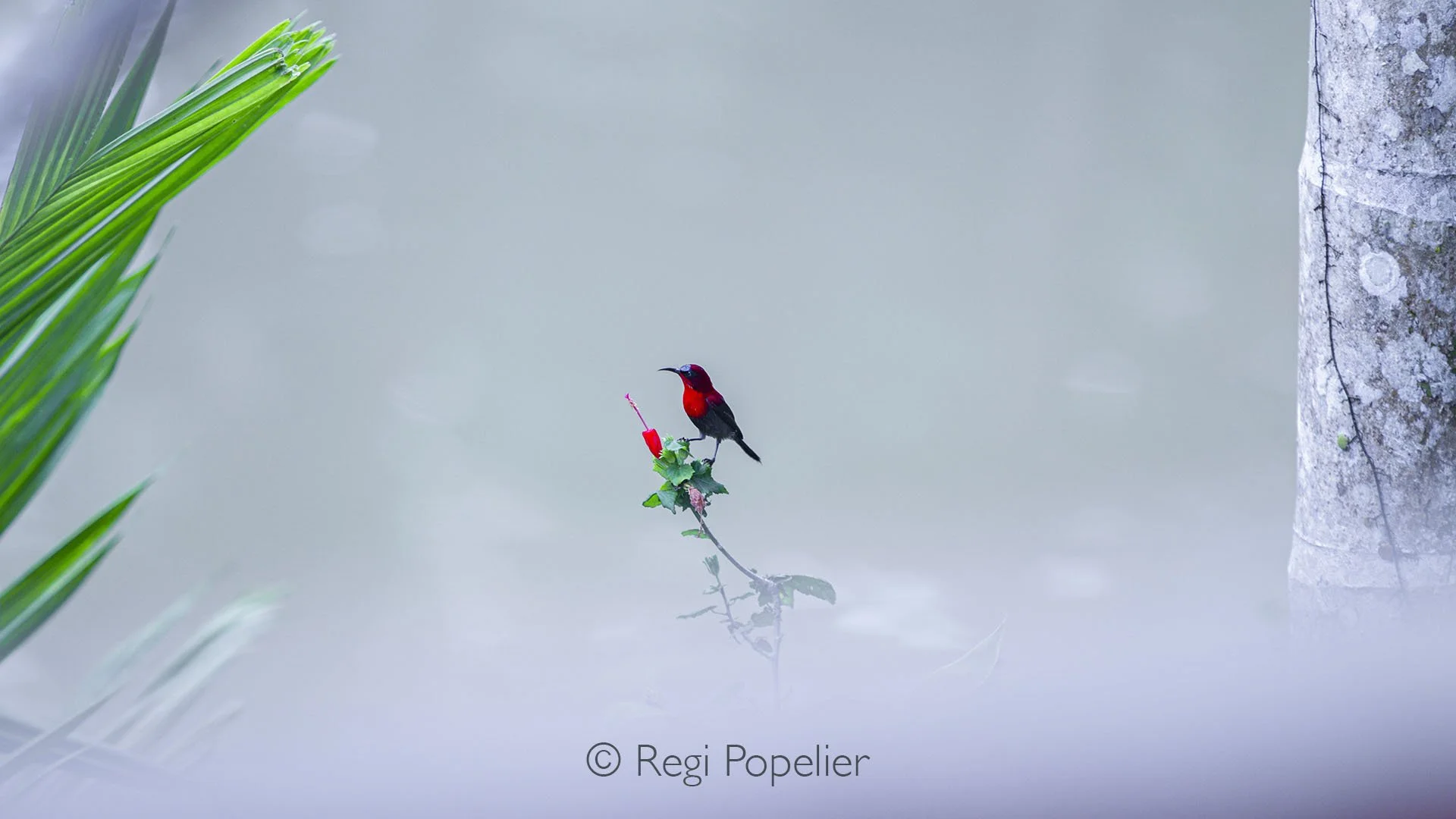
BOR006 - Crimson Sunbird perched gracefully on a branch, the vibrant jewel of Borneo’s tropical forests.
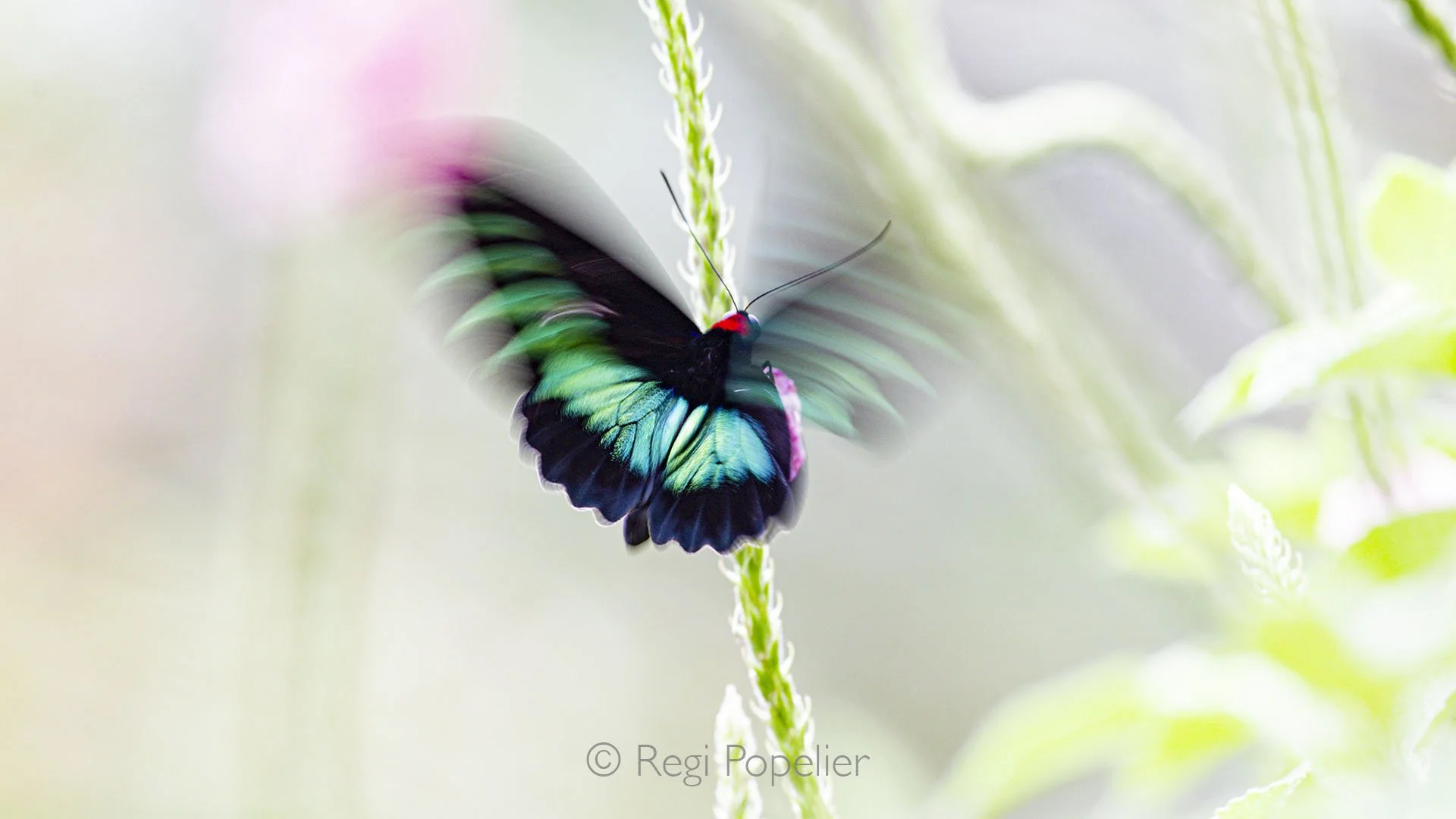
BOR007 - Rajah Brooke’s Bird wing, this is a living emblem of Malaysia’s rich natural heritage, captured here in slow motion.
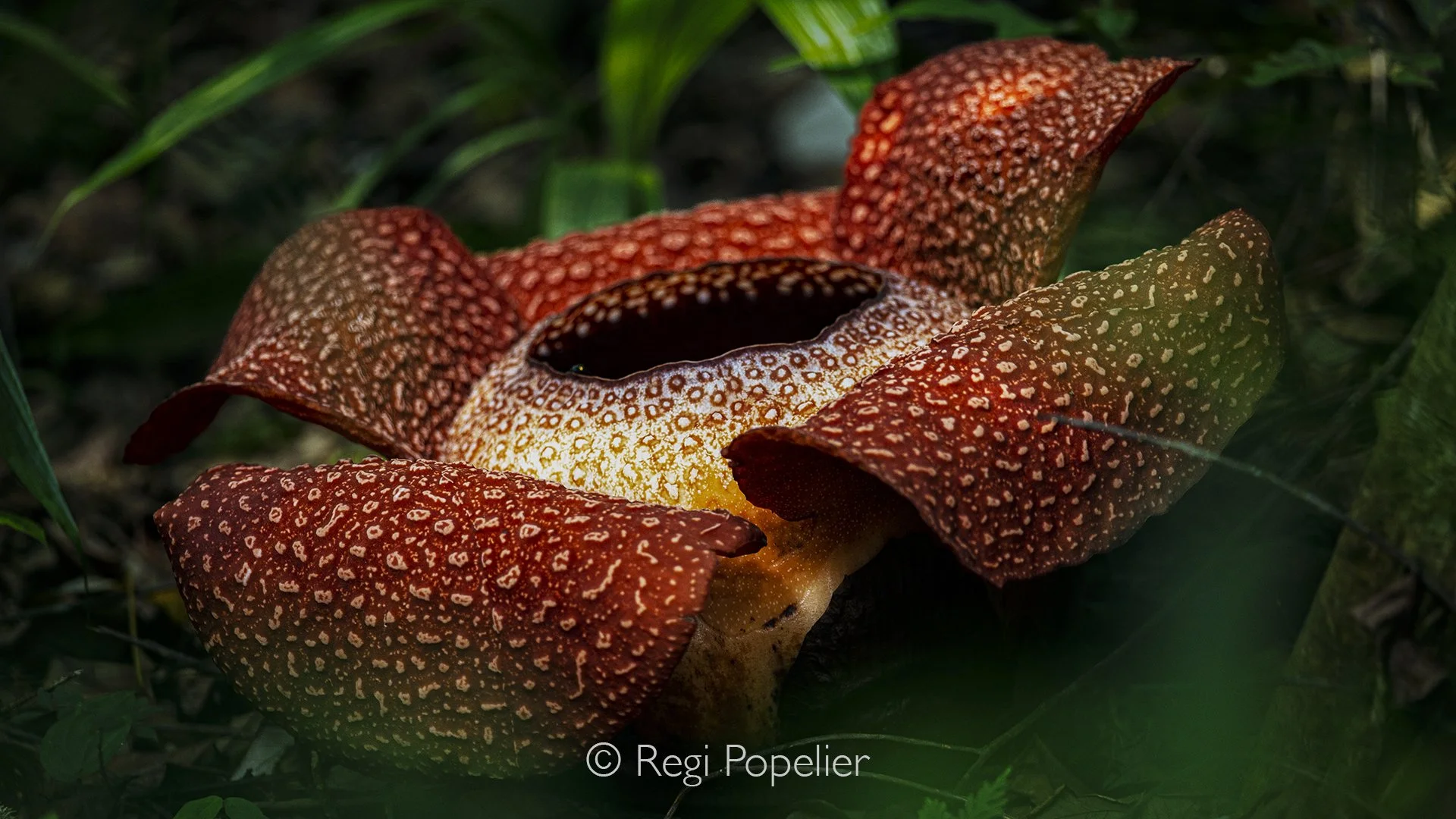
BOR008 - I still remember the moment I first smelled it before I saw it the unmistakable, earthy scent that told me I was getting close. Deep in the Malaysian rainforest, where humidity hangs like a veil and every step feels like a small expedition, I found it: the rafflesia, in full bloom. As I clicked the shutter, I knew I wasn’t just photographing a flower. I was capturing a rare heartbeat of the rainforest, a reminder that even in a world constantly moving, some miracles reveal themselves only when you slow down enough to wait.
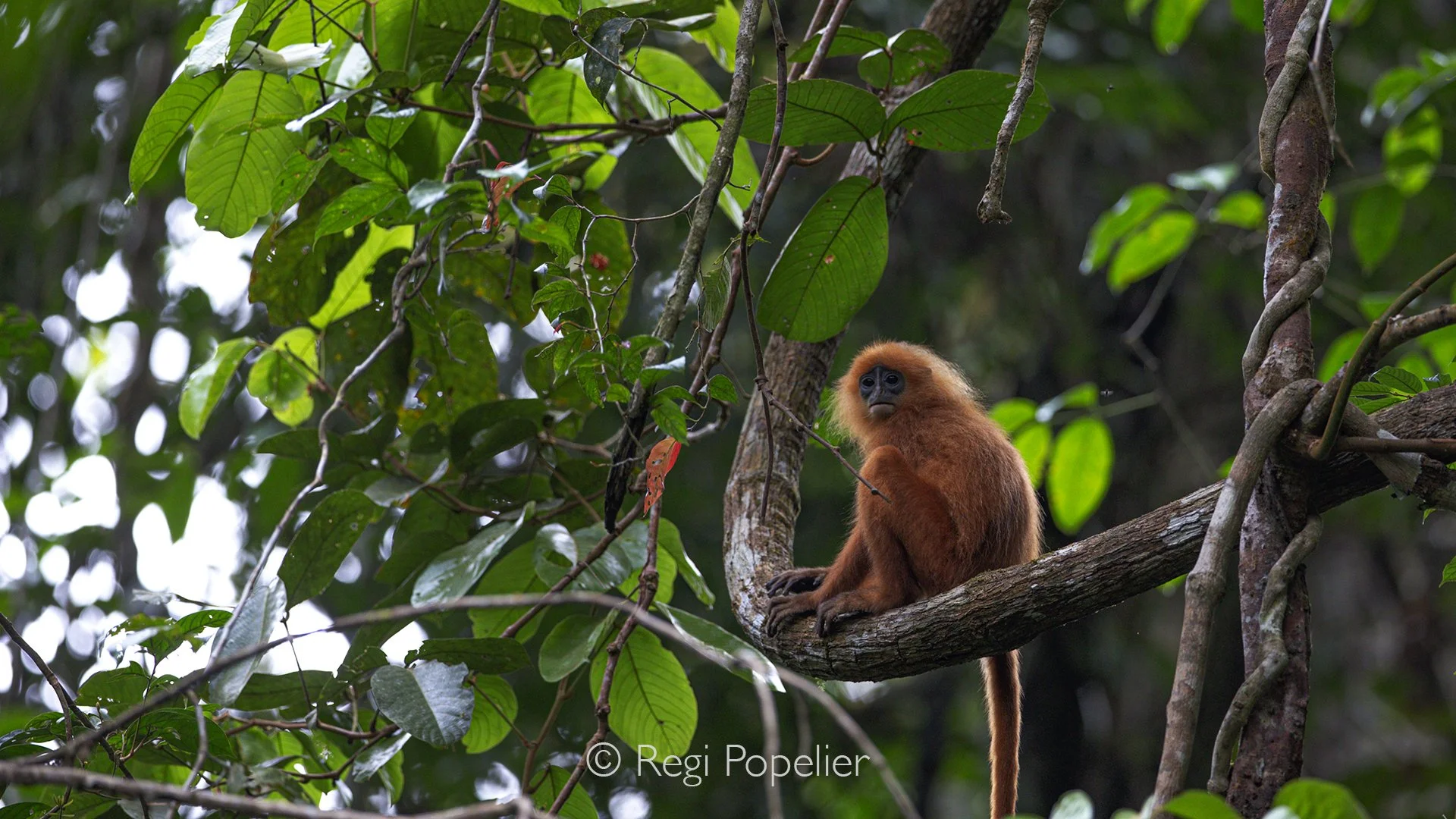
BOR009 - Borneo’s red leaf monkey, a splash of russet calm, perched high among the emerald branches of its rainforest home
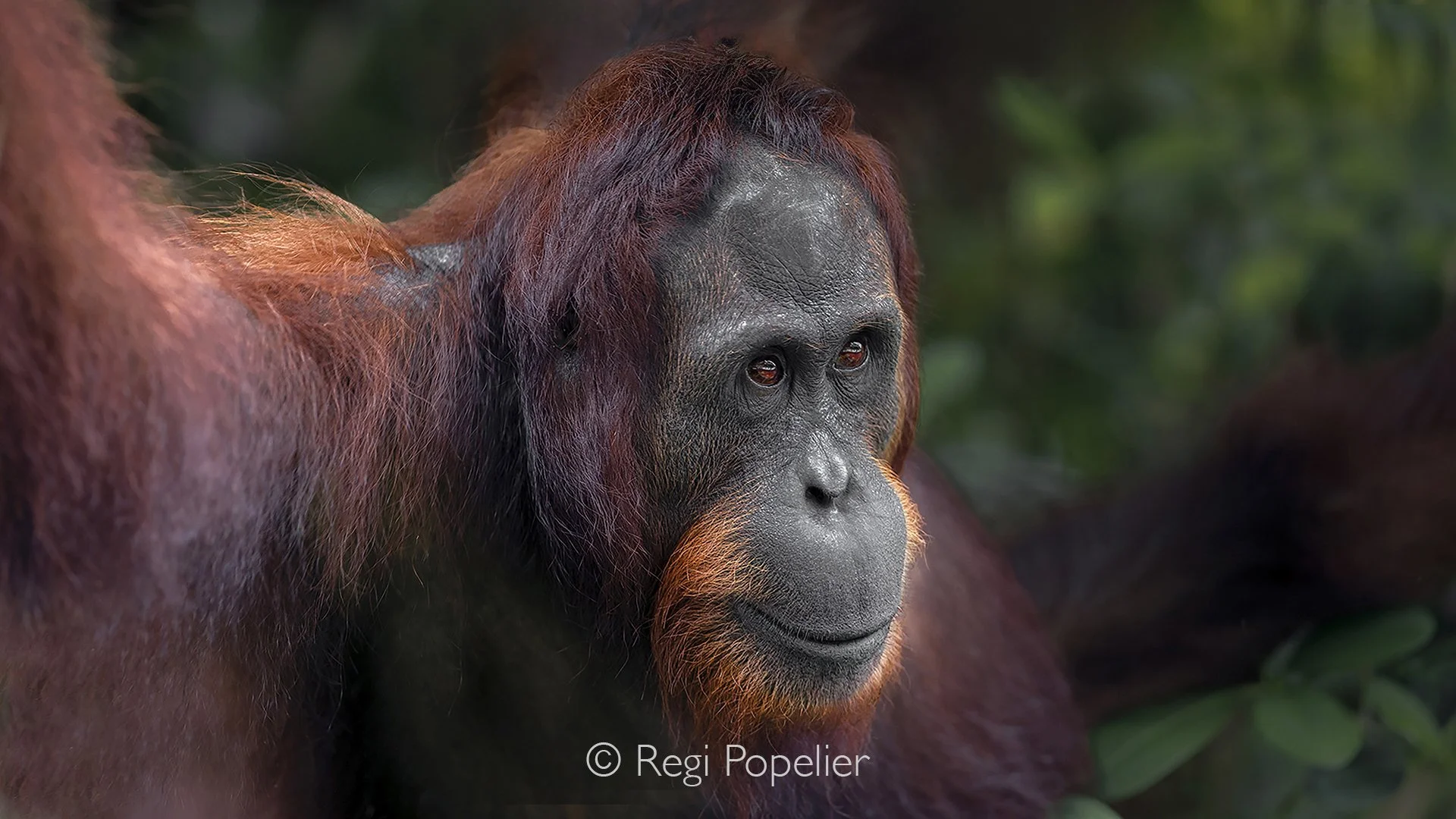
BOR010 - A weathered orangutan pauses at the forest’s edge, hands shaped by centuries of trees, watches the world pass sideways, as if asking the wind and the years: what future waits for one who remembers the old forest?
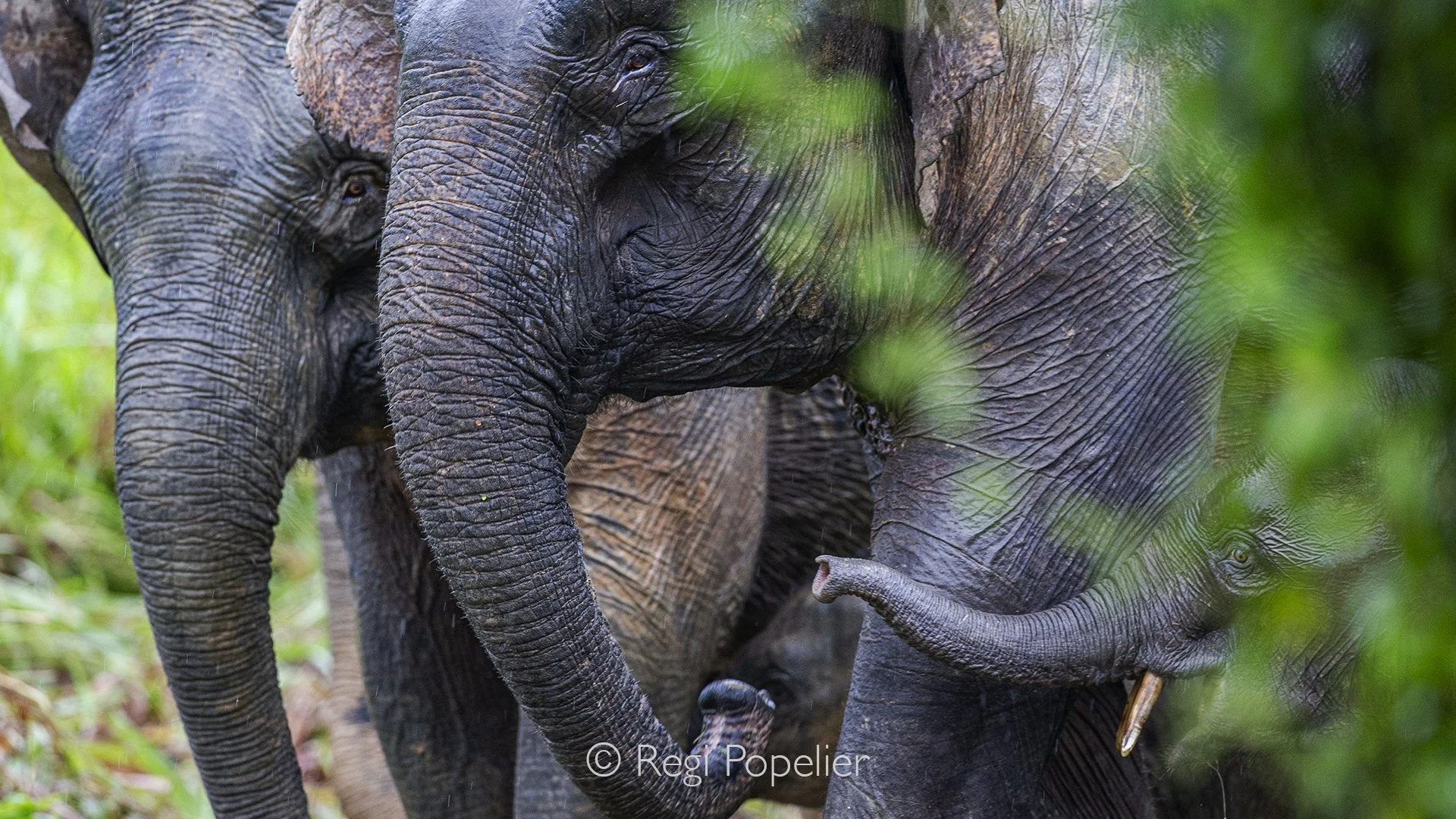
BOR011 - Along the Kinabatangan River, two Pygmy elephants walk in quiet rhythm, guiding a young one through the flowing heart of Borneo,
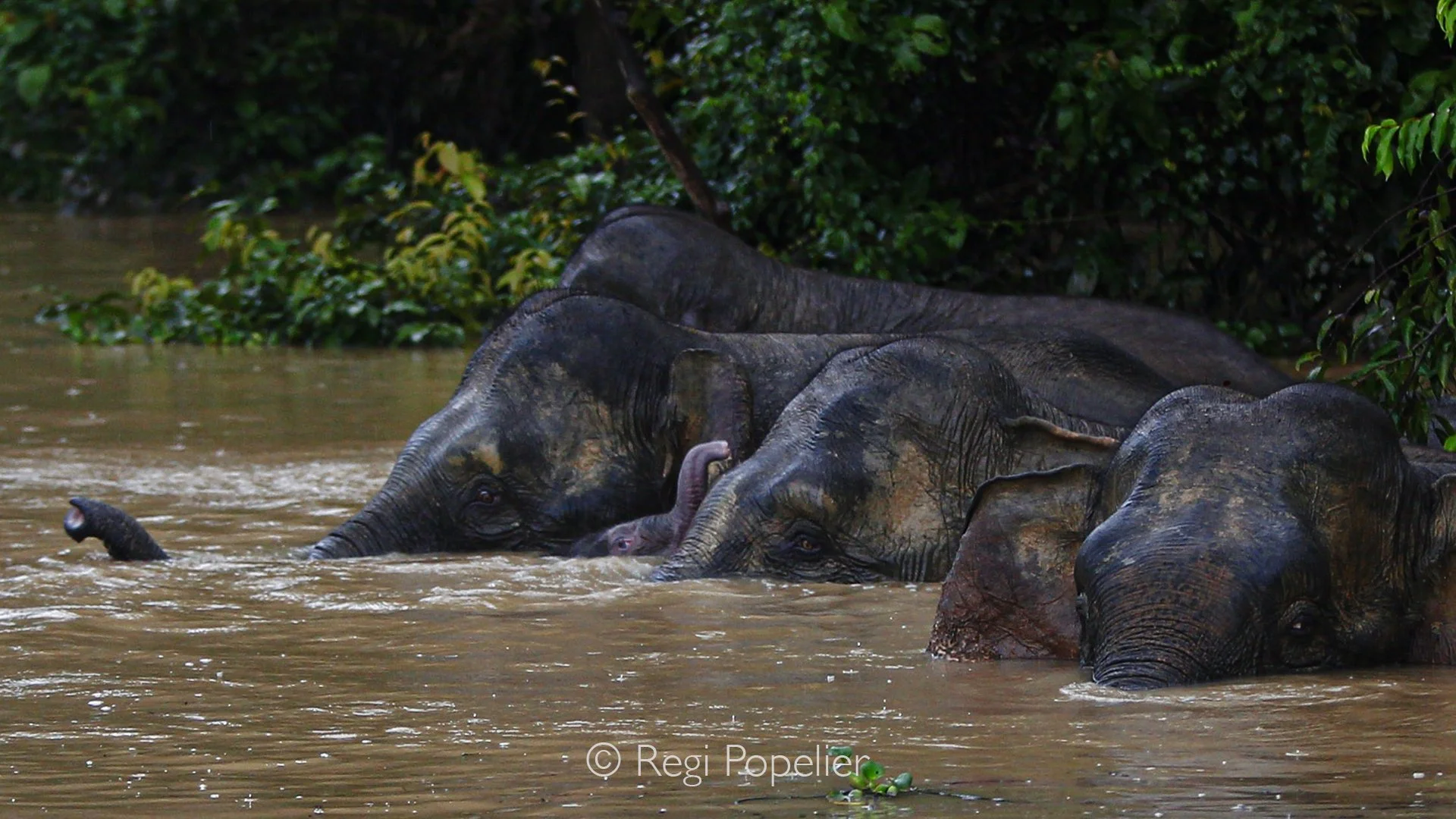
BOR012 - On the banks of the Kinabatangan River, adult pygmy elephants gently steadies a newborn, teaching tiny steps how to cross the flowing world for the first time.
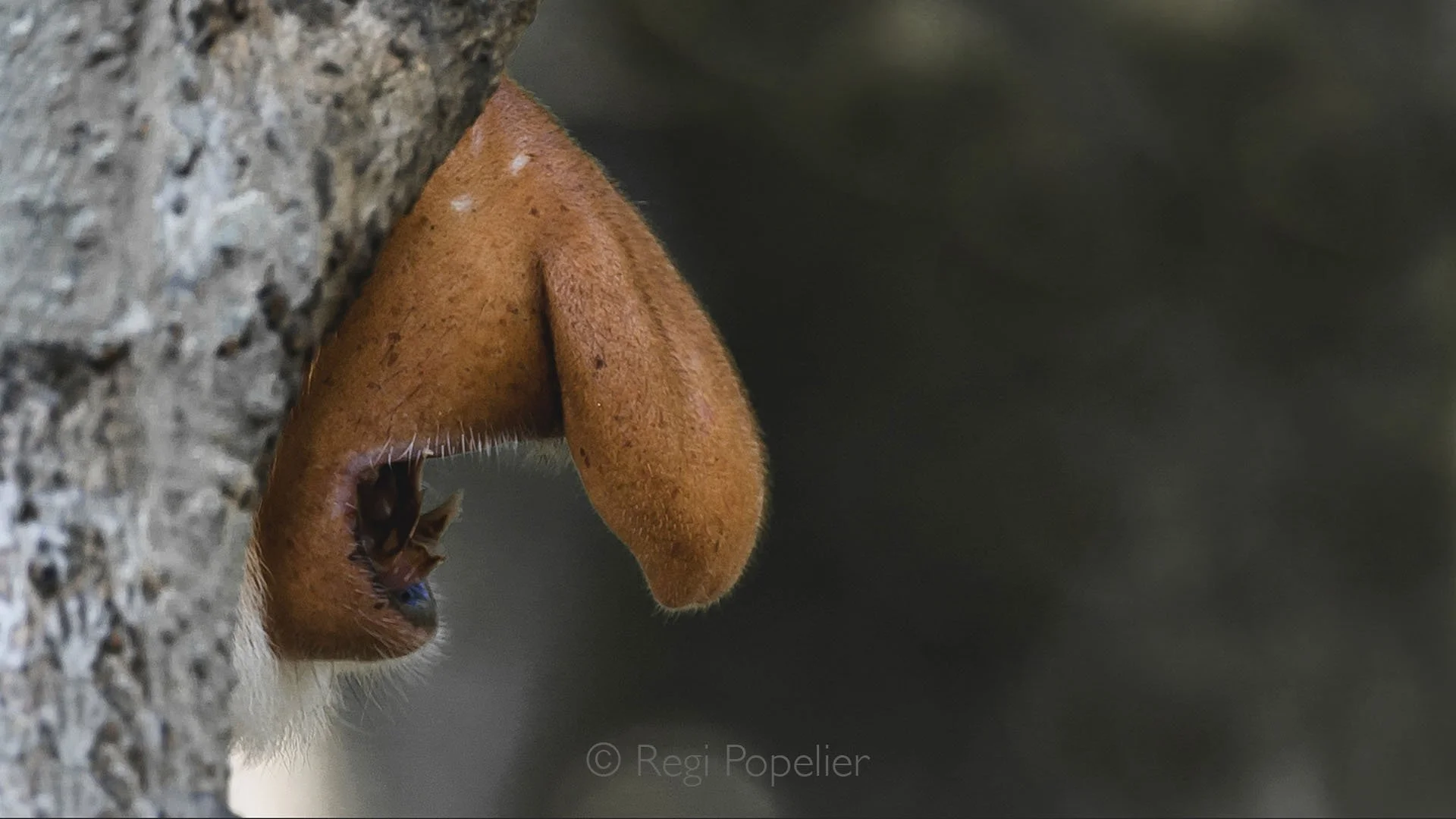
BOR013 - A moment frozen in the rainforest: The proboscis monkey pauses, revealing the distinctive feature that makes this species unforgettable.
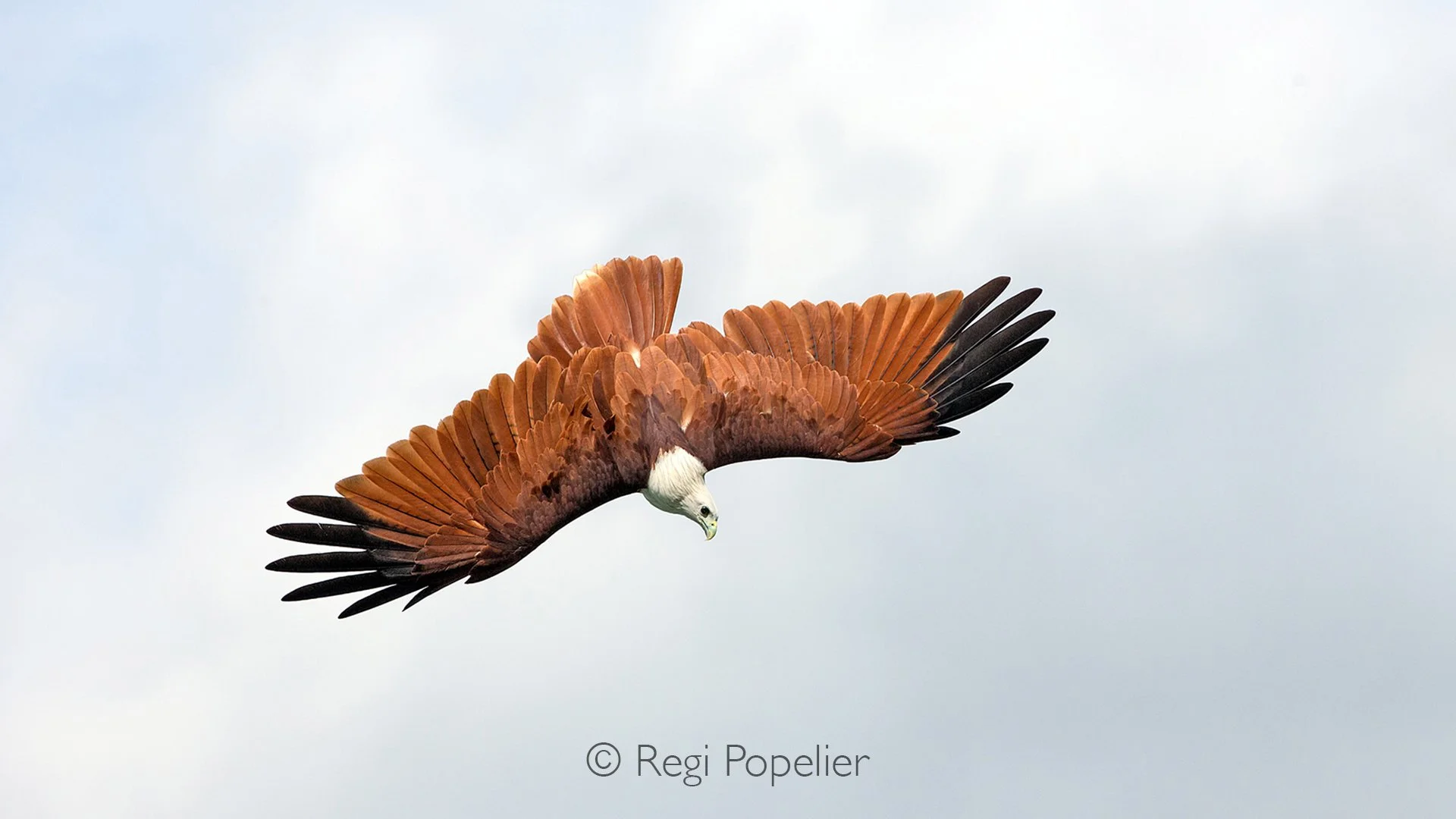
BOR014 - Brahminy kite plunges from the sky, talons poised to claim its prize from the flowing river.
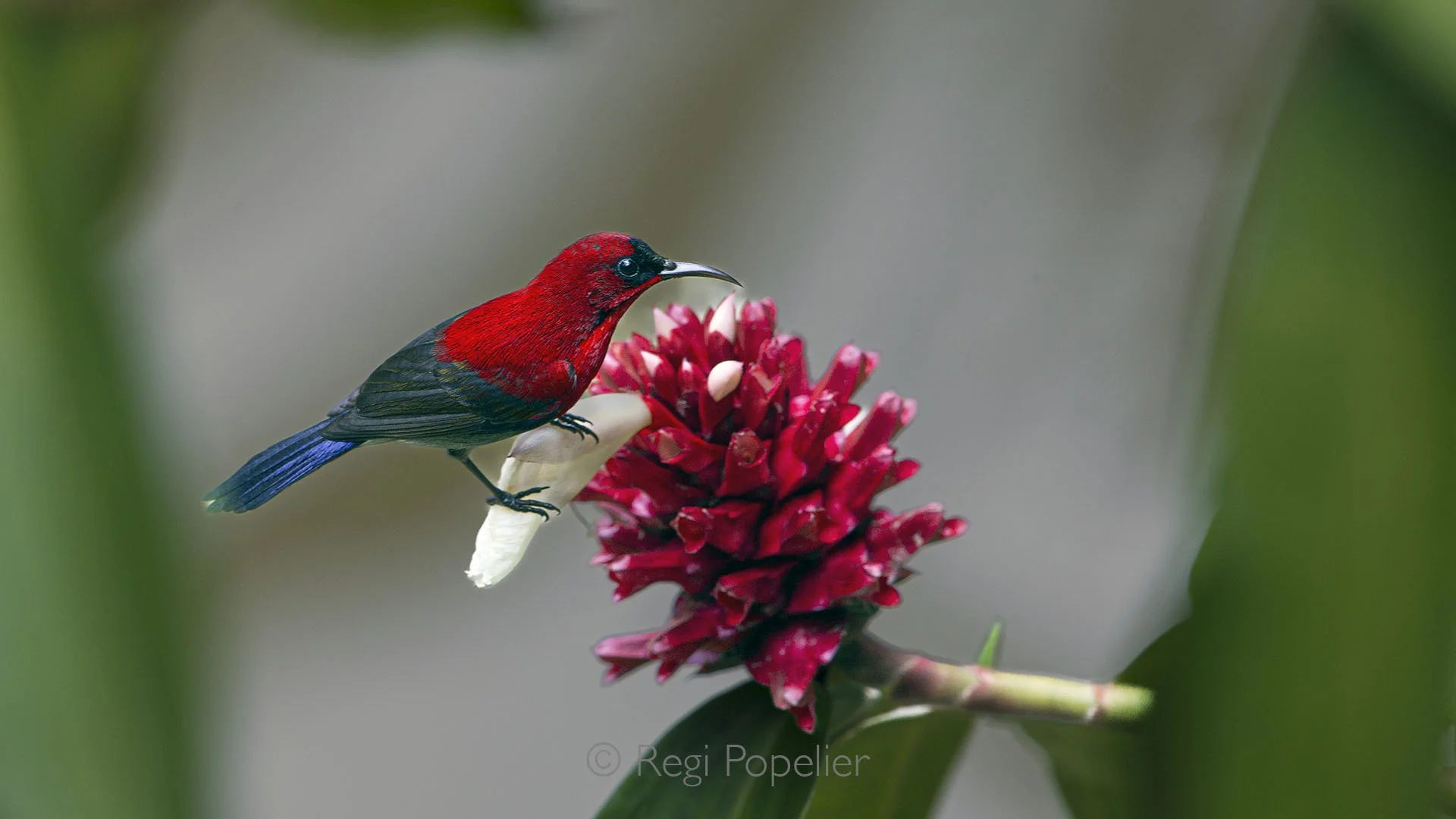
BOR015 - A flash of red in the greenery, the crimson sunbird hovers delicately, its tiny beak sipping nectar from a vibrant bloom, a fleeting moment of nature’s brilliance.
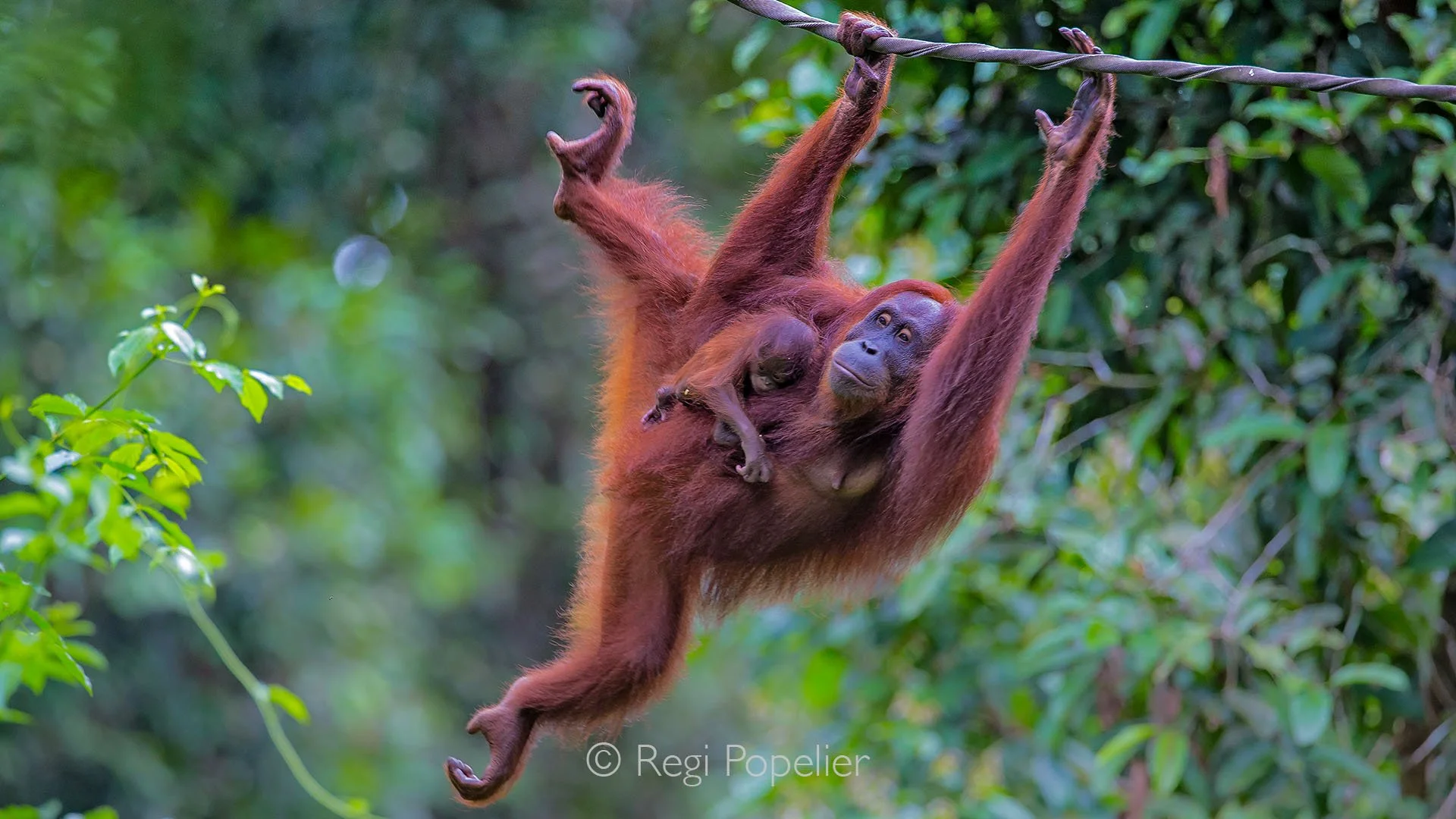
BOR016 - From the treetops to the forest floor: a mother orangutan with her baby in Sepilok.
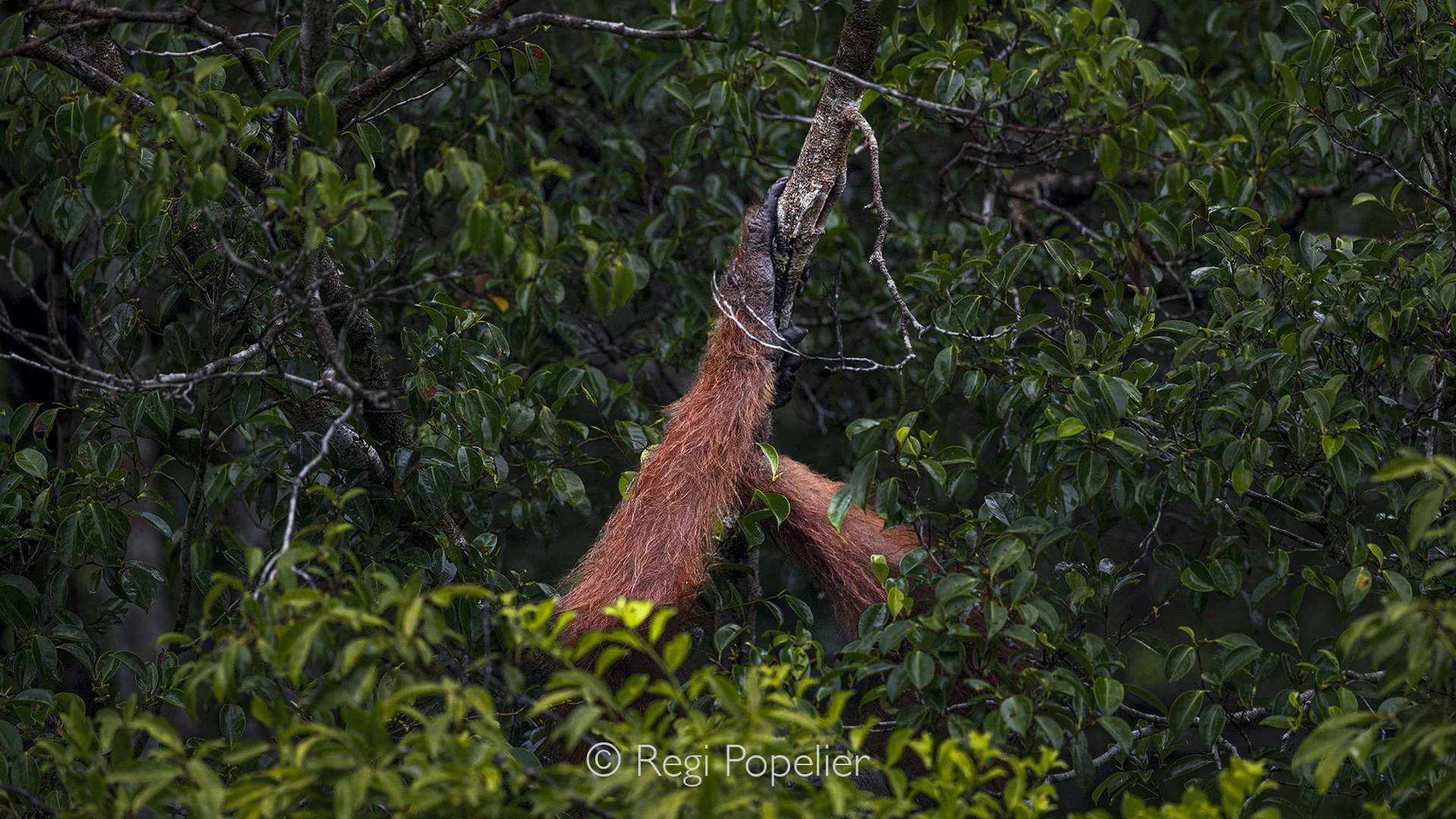
BOR017 - Powerful pair of orangutan arms hangs from the canopy, sinew and silence entwine, here ancient grip clinging to a forest that thins with every passing year, a quiet symbol of survival in a disappearing world.
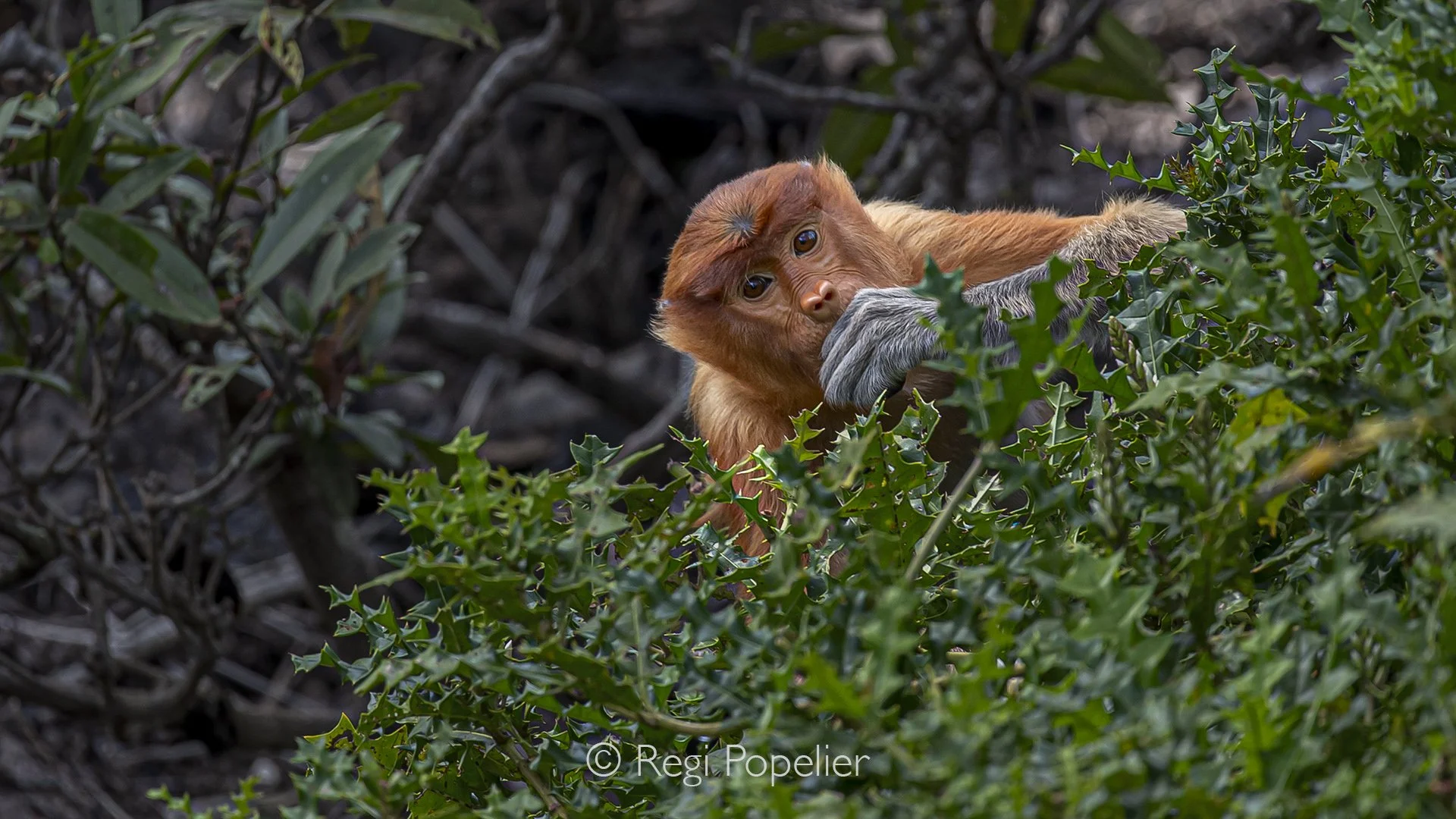
BOR018 - The upper body of a female proboscis monkey emerges from the green, eyes bright with curiosity, studying the world beyond the leaves.
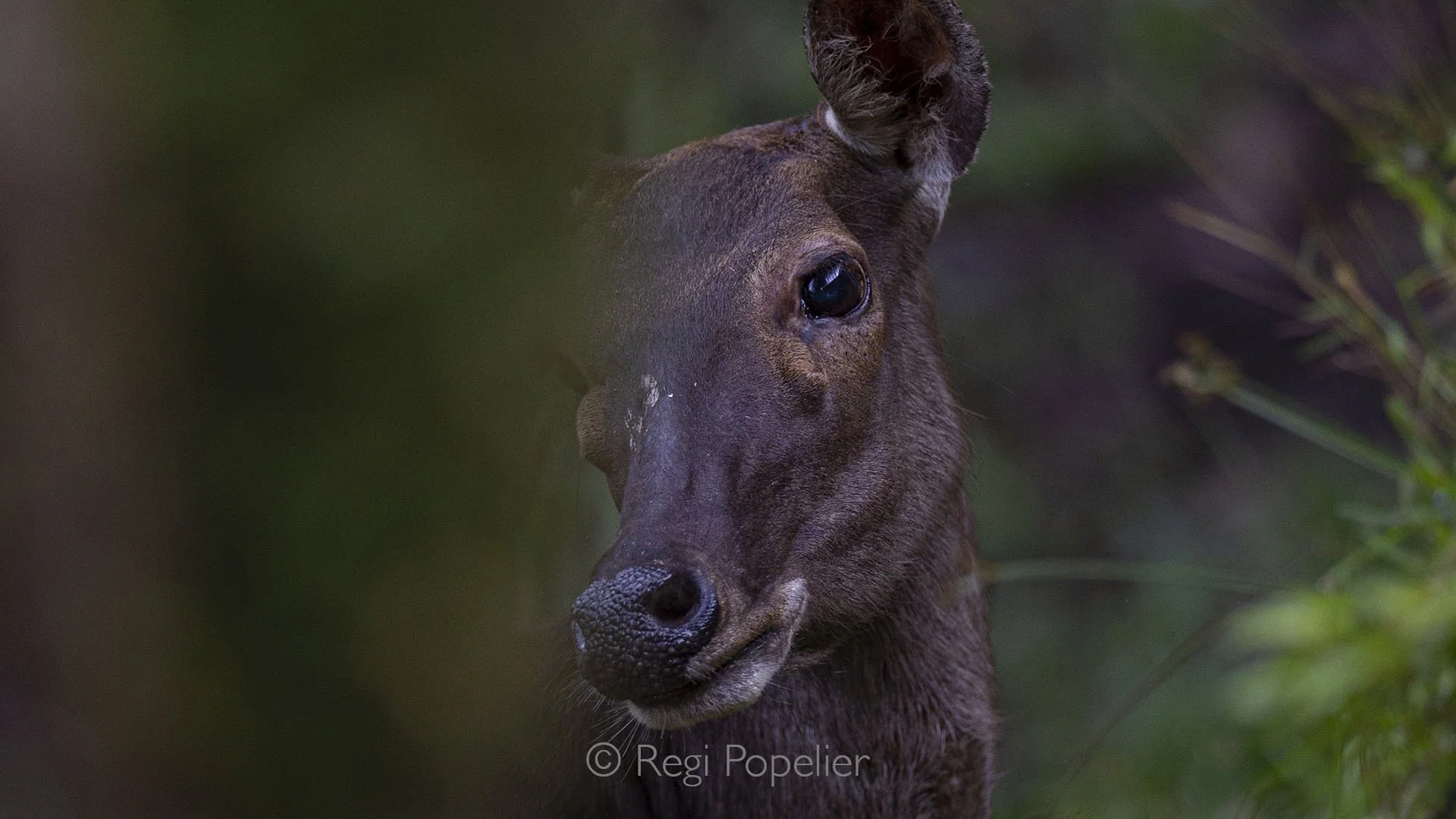
BOR019 - Morning visitor from the forest, sambar deer, close and untamed.
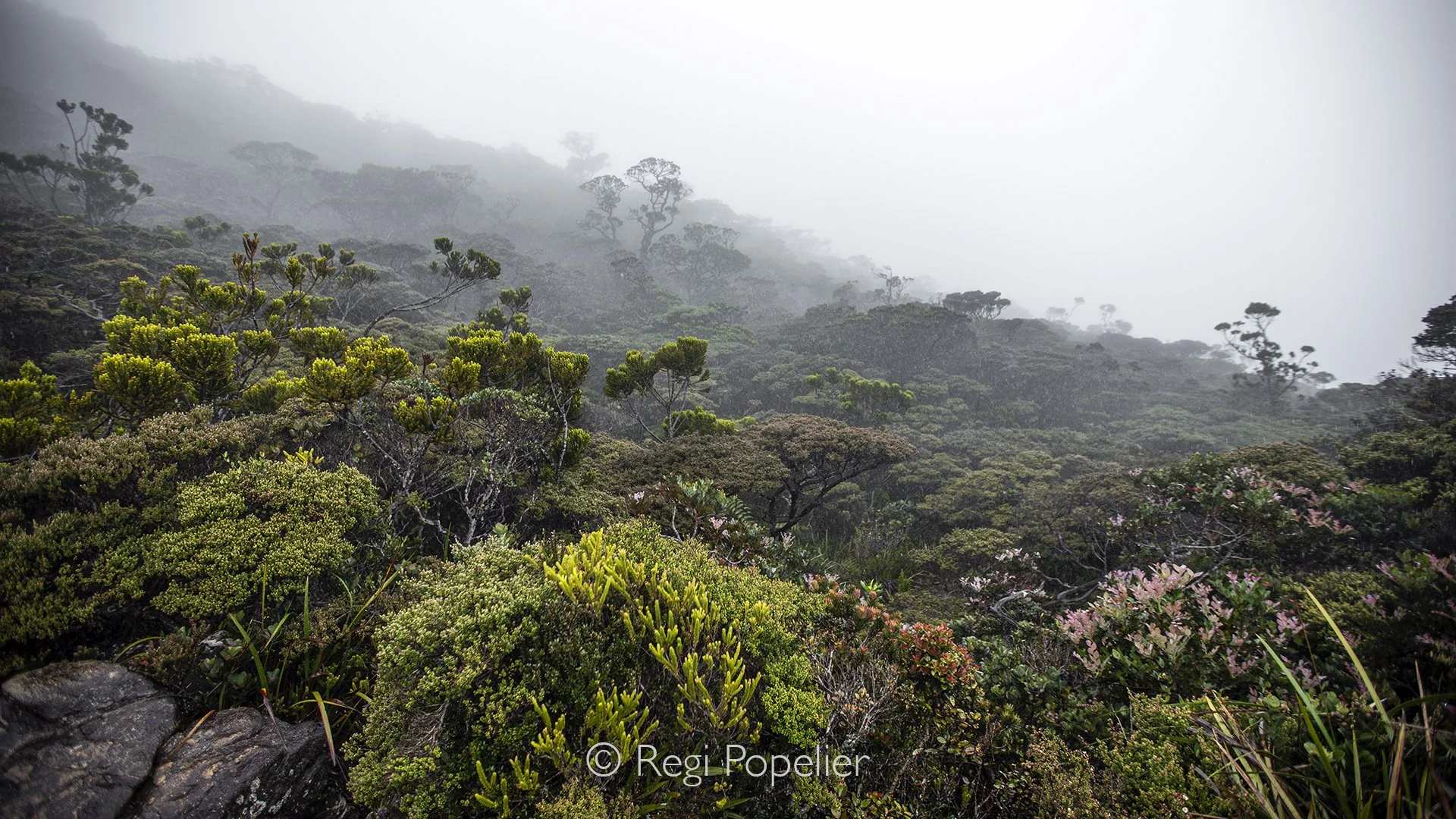
BOR020 - On the way down from the clouds at an altitude 2,000 m into Mount Kinabalu’s raw wilderness.