Kibber, Spiti Valley — Indian Himalayas
I joined a 15 day winter expedition to Kibber in the Spiti Valley, one of the highest inhabited regions on Earth, with a single goal: to photograph the elusive snow leopard.
At around 4,500 metres, the Himalayas impose their own rules. The air is thin, temperatures fall far below freezing, and every ascent becomes an effort. Distances that might seem modest at sea level suddenly feel enormous. The combination of altitude, cold and long hours in the mountains makes every step more demanding.
Guided by Vinod Bartokke, I spent days scanning vast mountain slopes, searching for the slightest movement and following tracks in the snow. The snow leopard, known as the ghost of the mountains, can disappear almost completely into its surroundings. Hours of waiting could pass without a sighting, yet every distant shape or movement immediately brought renewed attention.
But what stayed with me went beyond the search for the leopard.
The Himalayas made an extraordinary impression on me. Their scale, silence and harsh beauty are difficult to describe. At this altitude, you become very aware of your own limitations, and of how vulnerable a human being actually is in such an environment. Experience, preparation and a good guide are essential, but they do not change the fundamental reality: the mountains remain in control.
The scattered villages and their inhabitants demonstrate an extraordinary ability to live in these conditions. Their presence in such an extreme landscape adds another dimension to the journey, reminding you that this is not simply a wilderness visited by outsiders, but a place where people have adapted to the environment for generations.
Cold mornings, long ascents, shared meals and endless hours of observation became part of the rhythm of the journey. The photographs are only a part of the experience; equally important were the physical effort, uncertainty and anticipation of what might appear around the next ridge.
Kibber and the Spiti Valley reminded me once again that some photographs are earned long before the shutter is pressed, and that in the most extreme environments, the photographer is never as powerful as the landscape surrounding him.
This journey became a study in patience, endurance, vulnerability and respect for a world where life exists at the very edge of survival, and where the possibility of seeing one of nature's most elusive predators is enough to keep you looking.
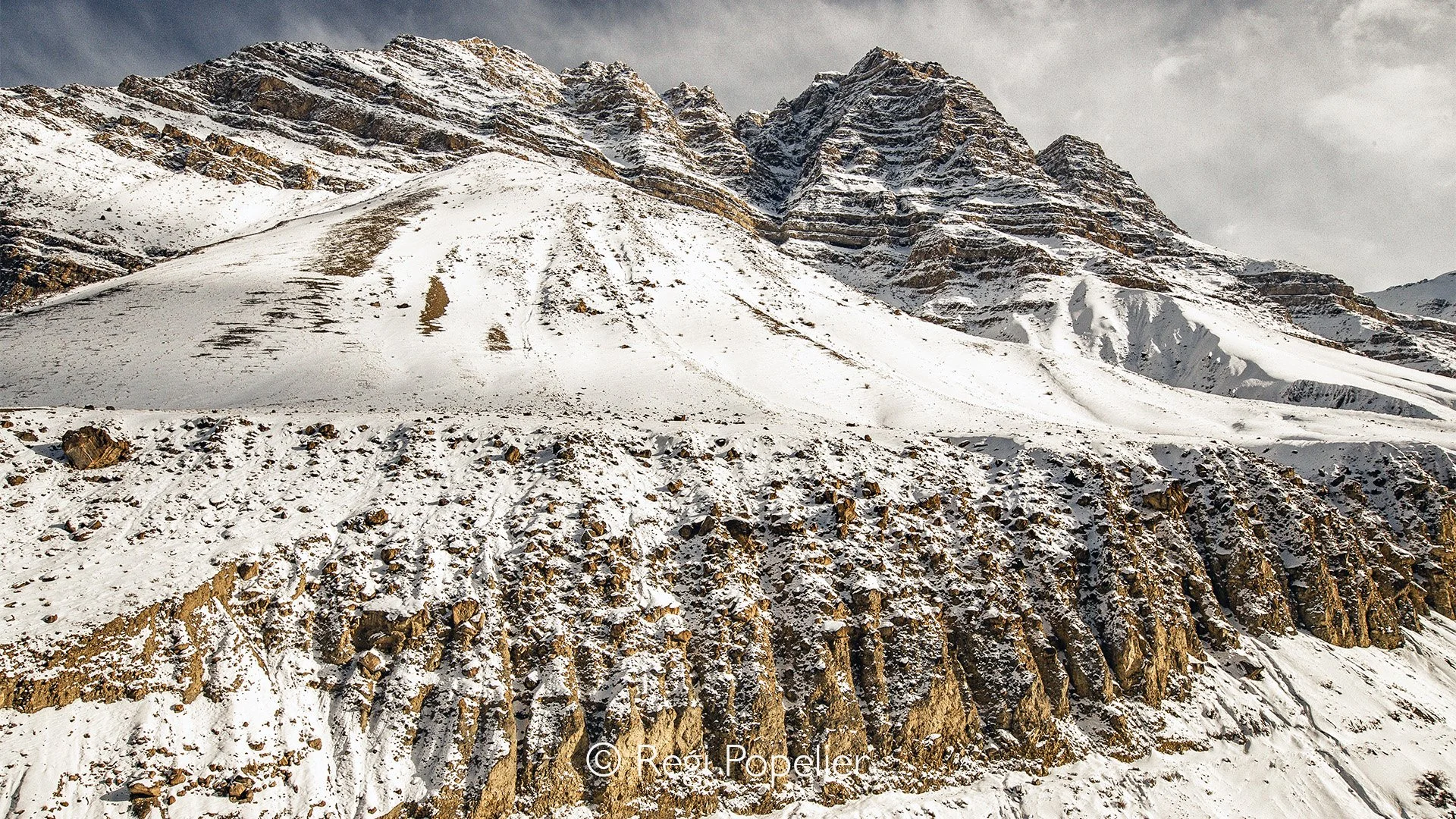
HIMA001 - The immense grandeur of the Himalaya, it makes you realize how small you are.
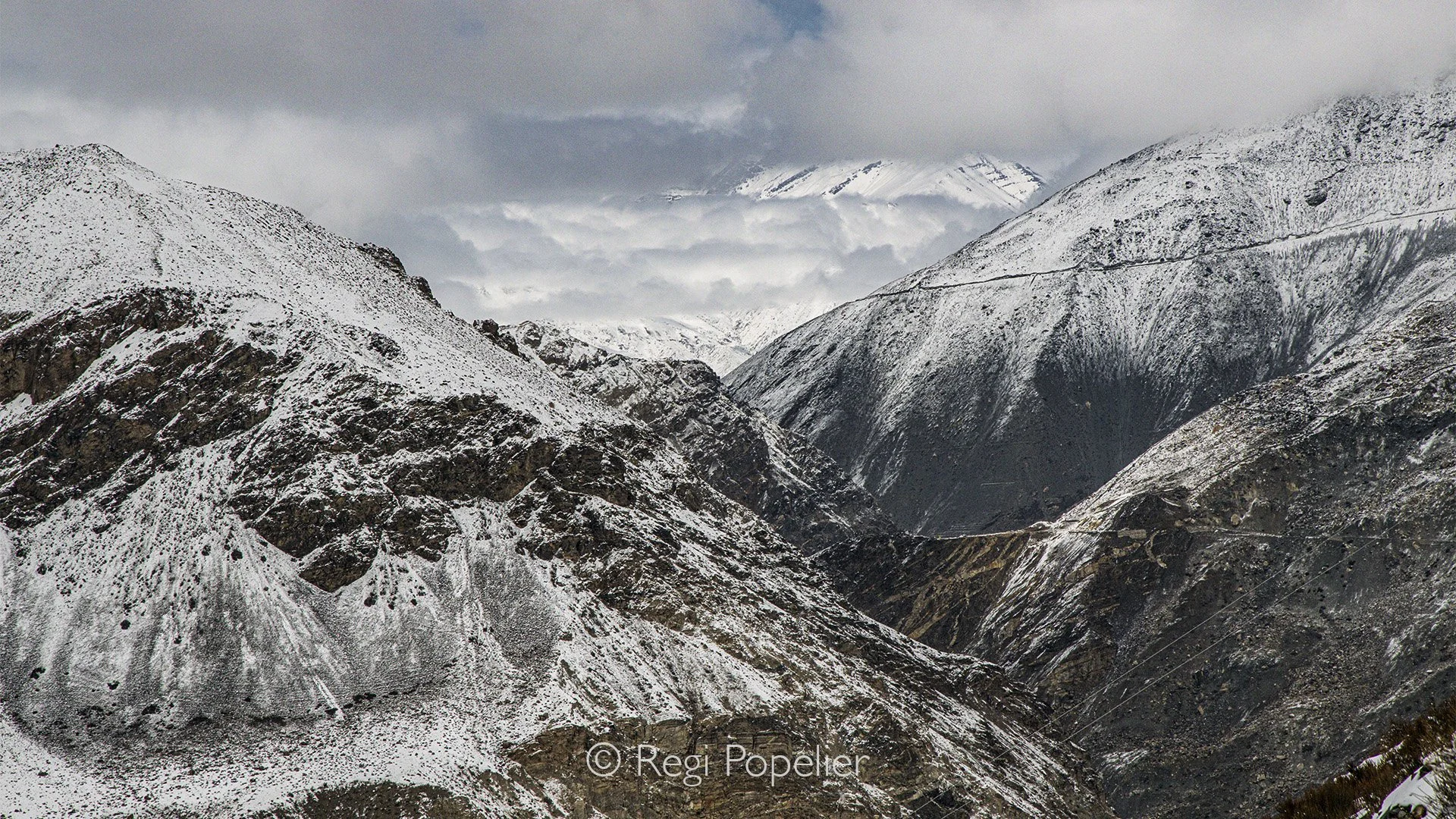
HIMA002 - Seemingly Endless but always impressive and never ending.
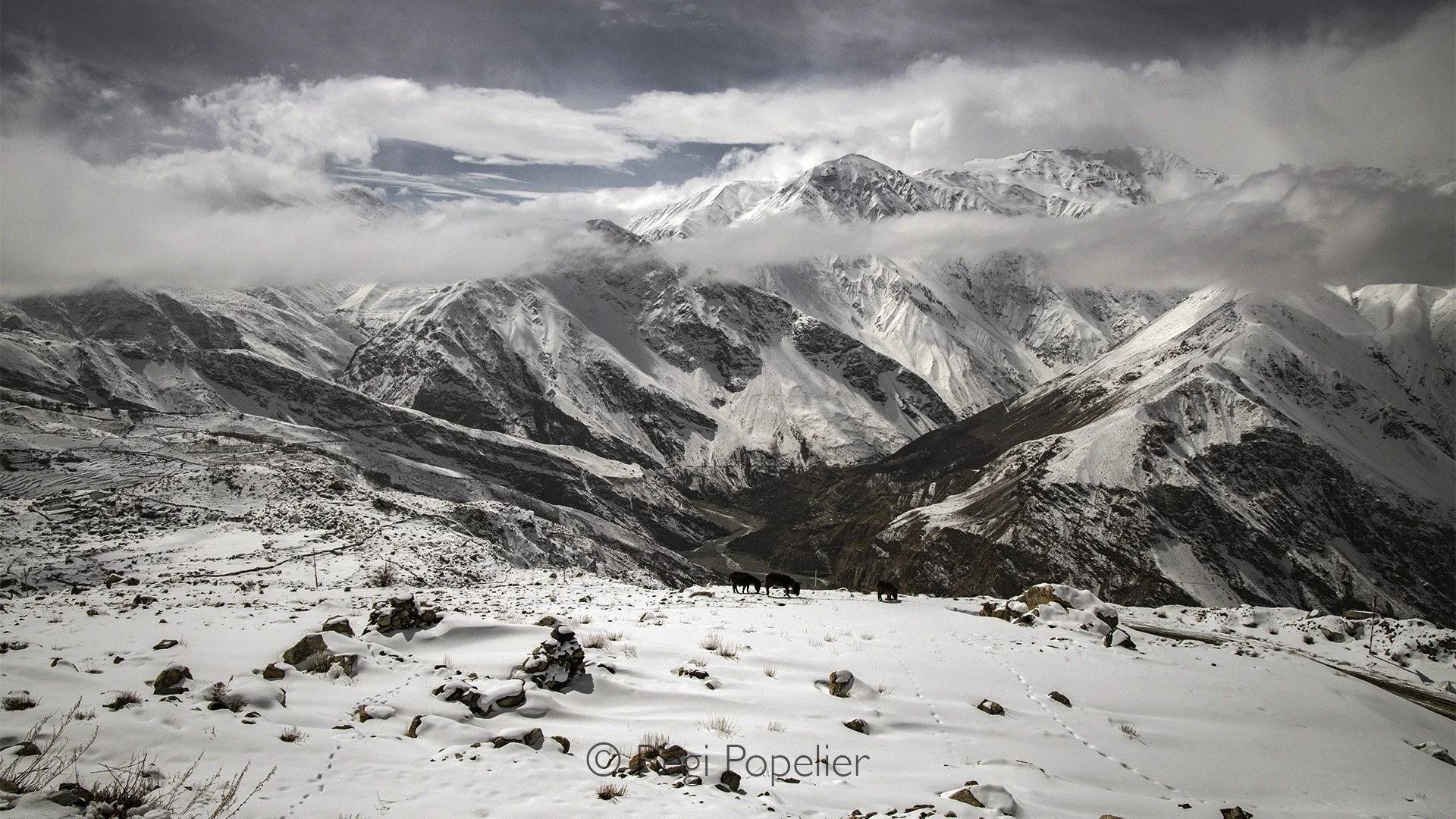
HIMA003 - Clouds adding a mystical touch to the mountains.
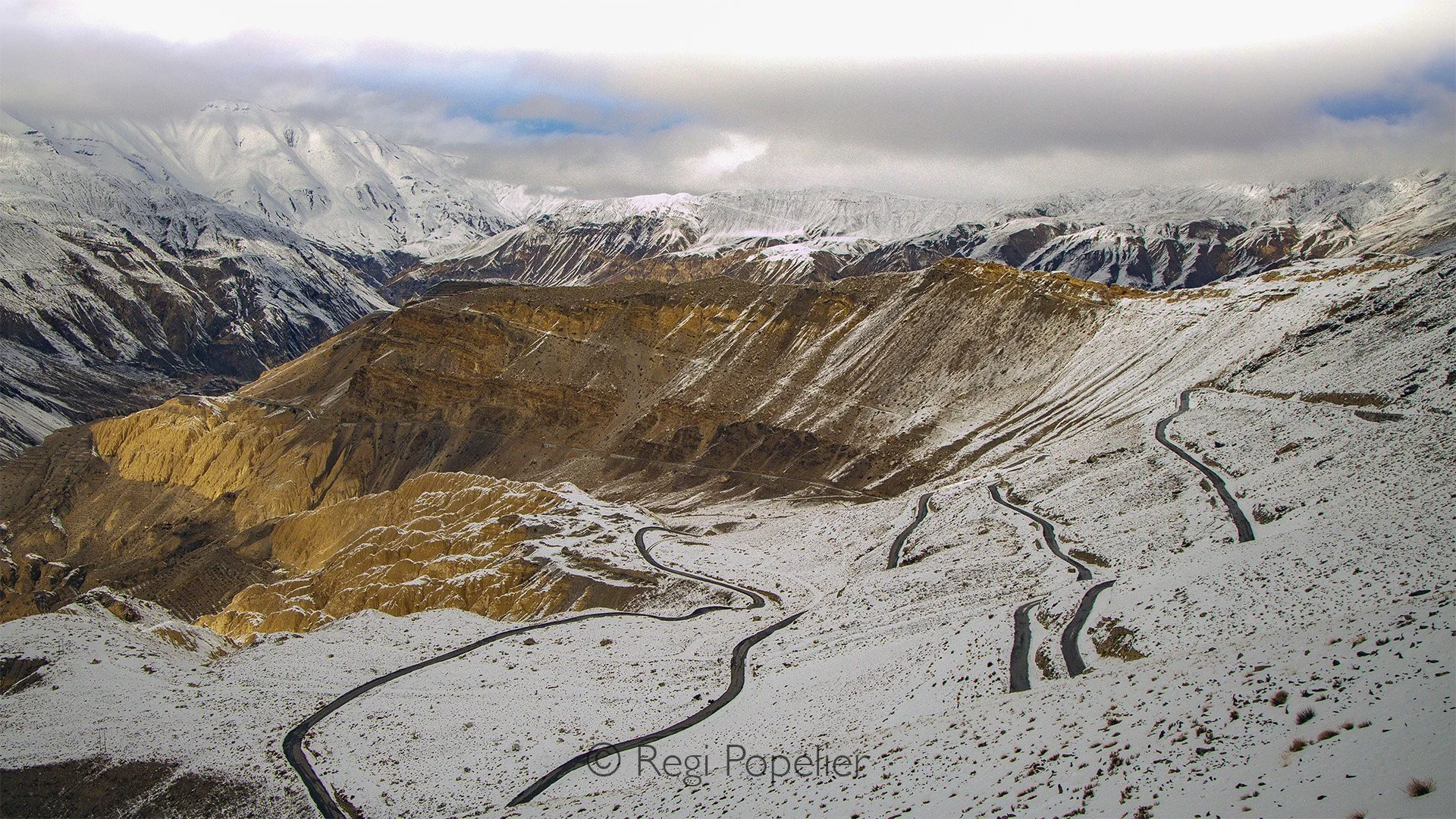
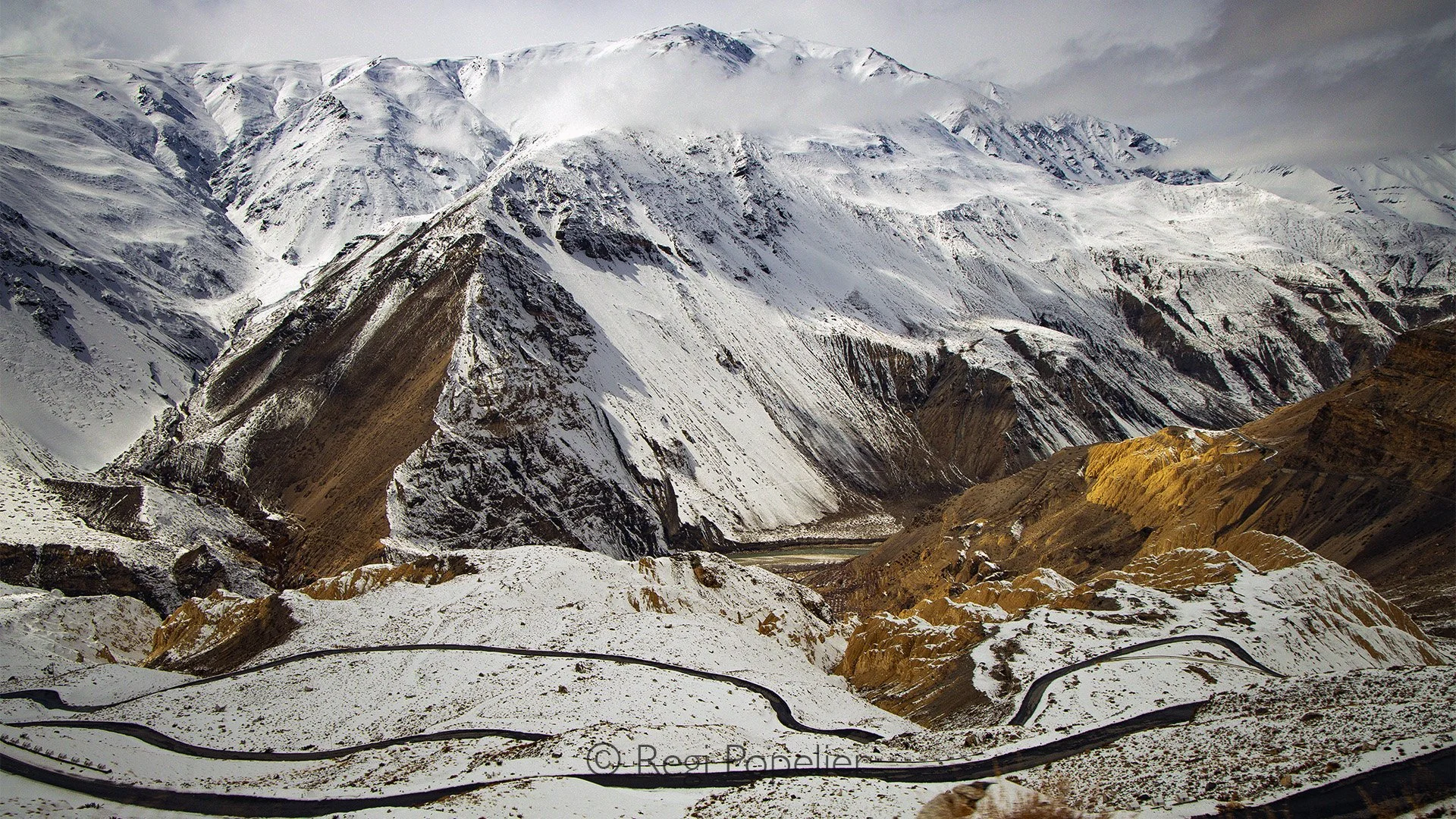
HIMA004 - Lingering roads high in the mountains before reaching destination.
HIMA005 - The sheer mass of snow determines wether traffic continues.
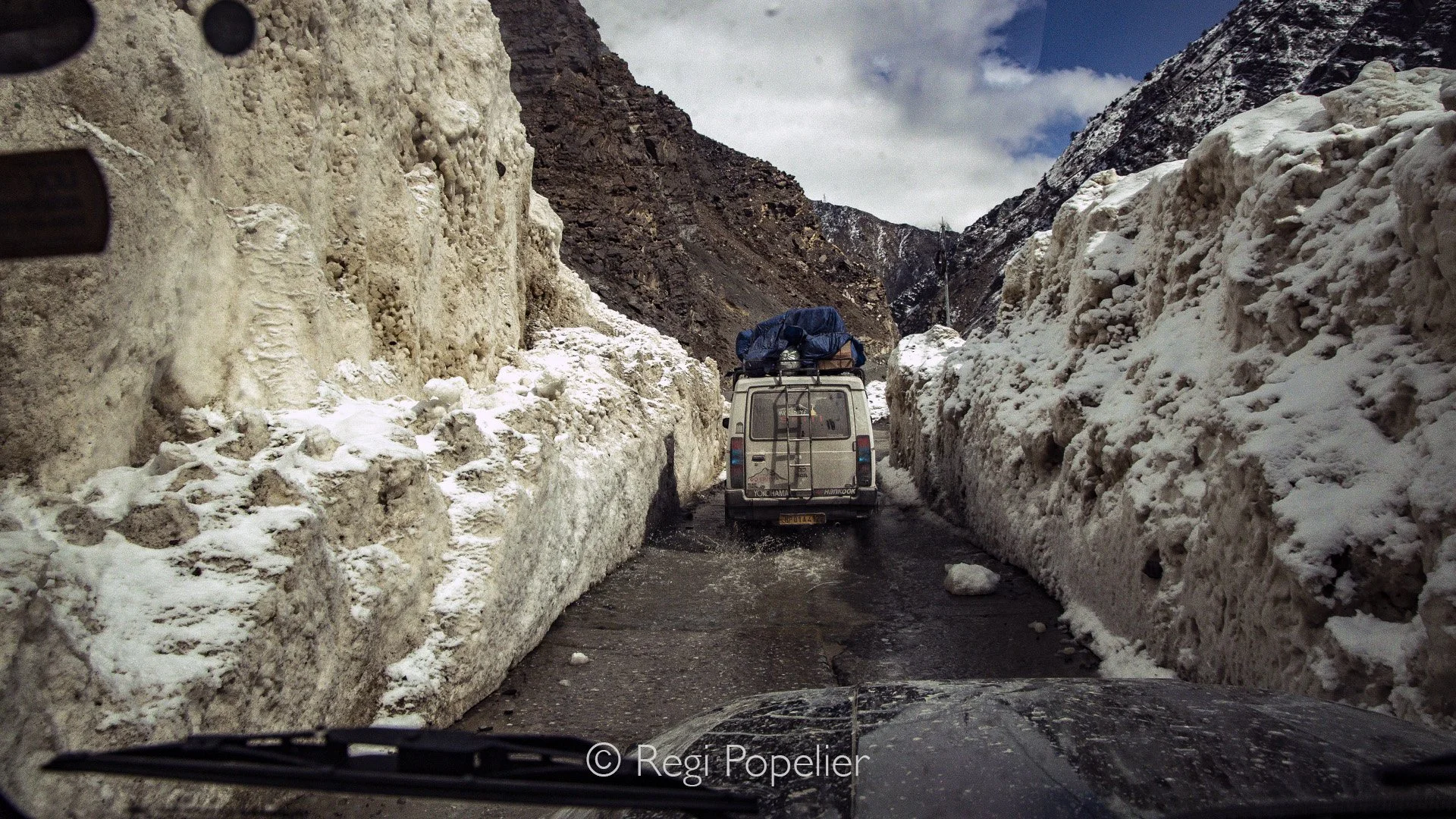
HIMA006 - This is part of our journey before reaching destination.
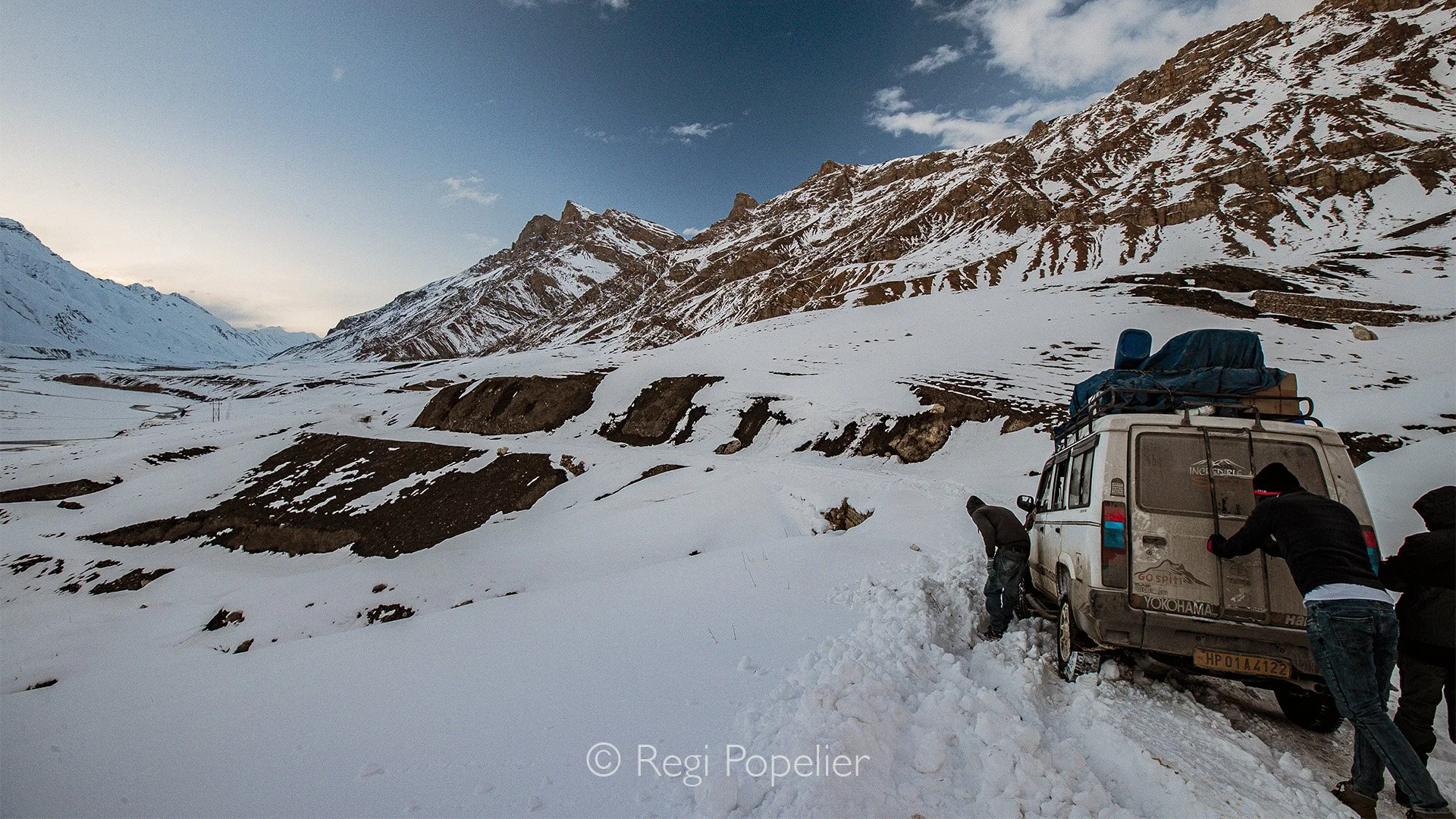
HIMA007 - Avalanches blocked the road long before we reached our destination, leaving us stranded in a cozy homestay where everyone was incredibly helpful. They set up a petrol stove in our room to keep us warm, but the smell was so strong we had to crack the windows to be able to breathe normally.
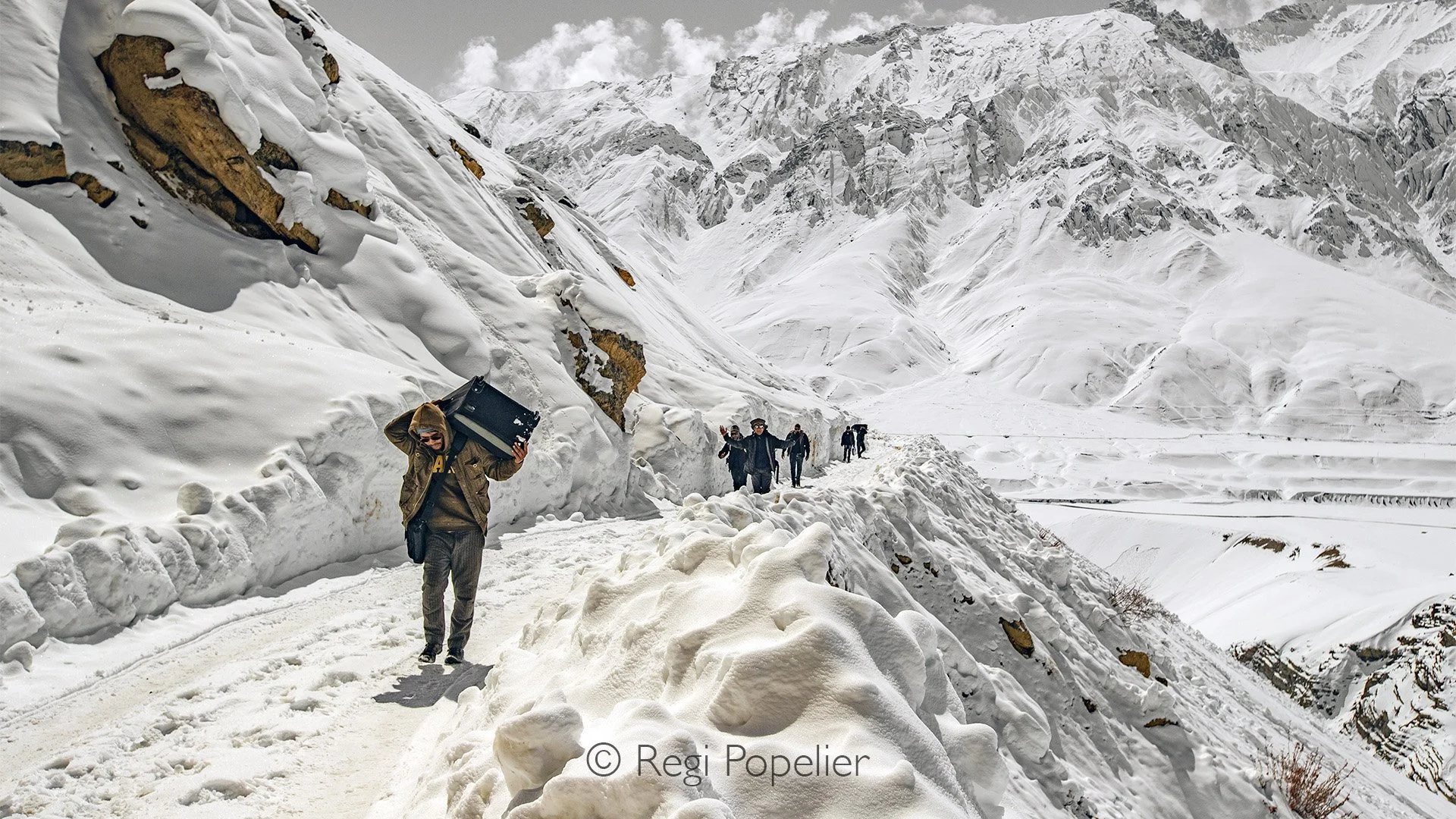
HIMA008 - As we where stuck, people from the near bye village came spontaneously to help us carrying our luggage to a waiting bus.
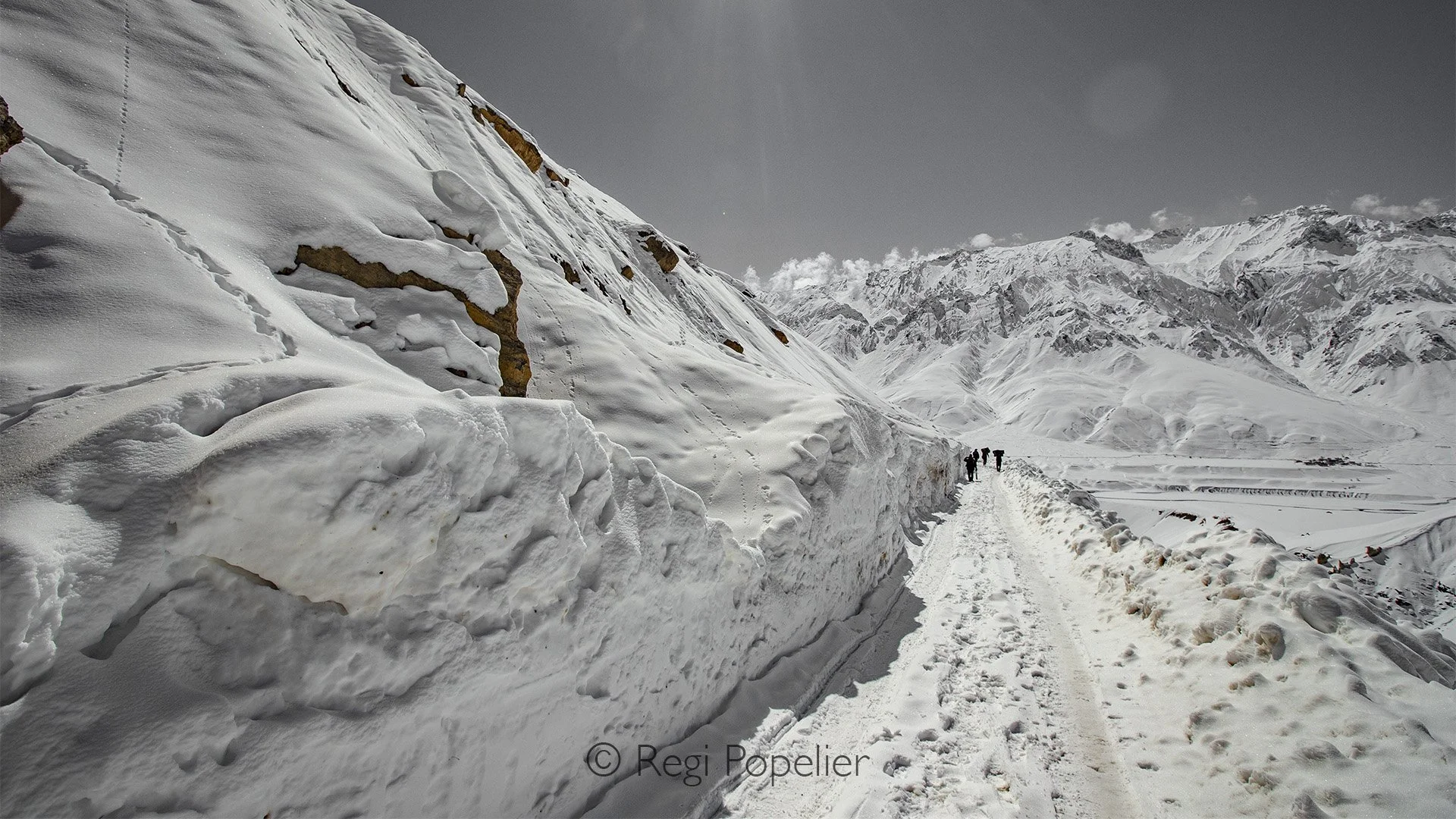
HIMA009 - It gave us already a first taste of what was waiting for us in the coming period.
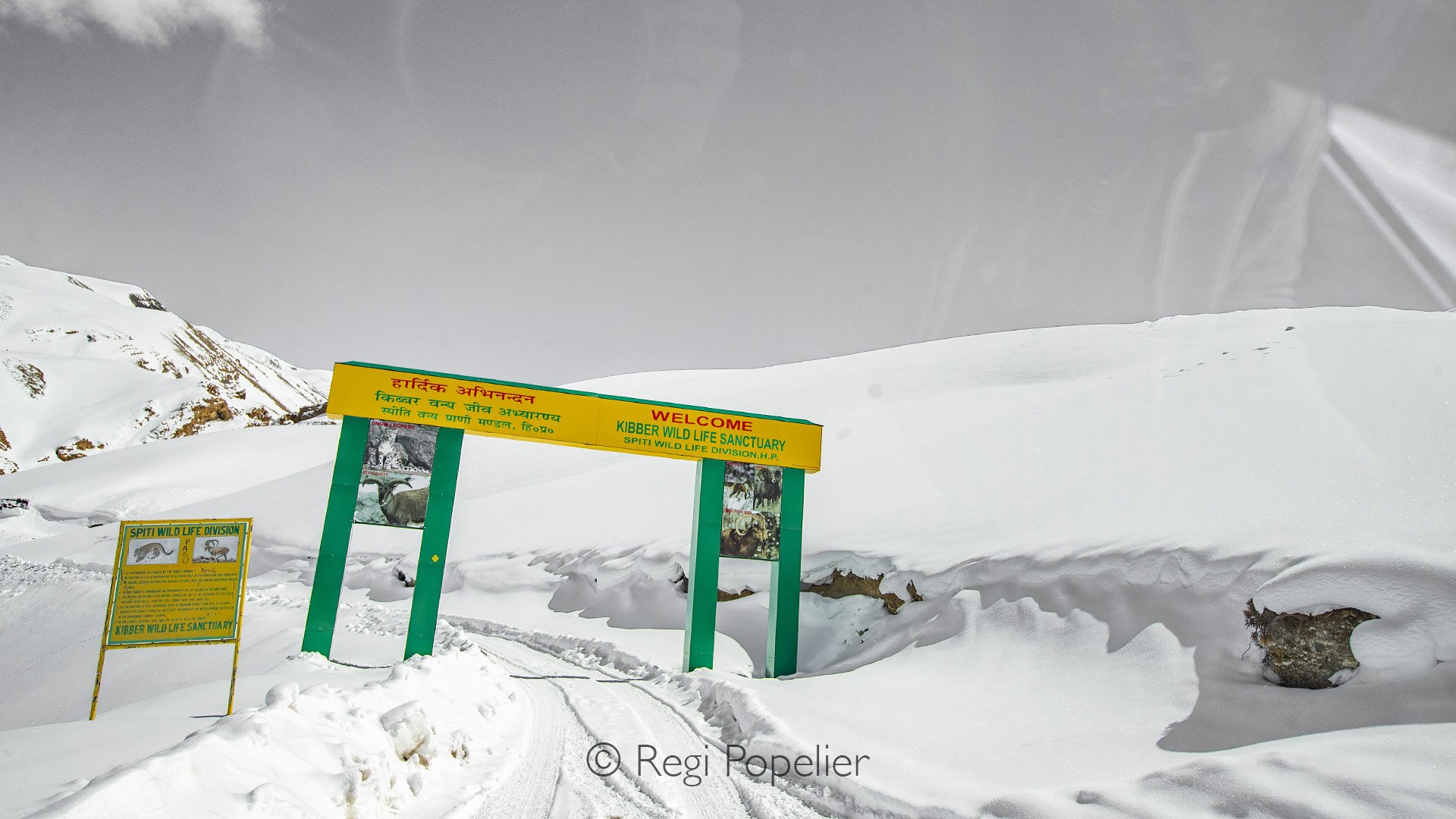
HIMA010 - The day after. Finally the destination and gate, the adventure could start.
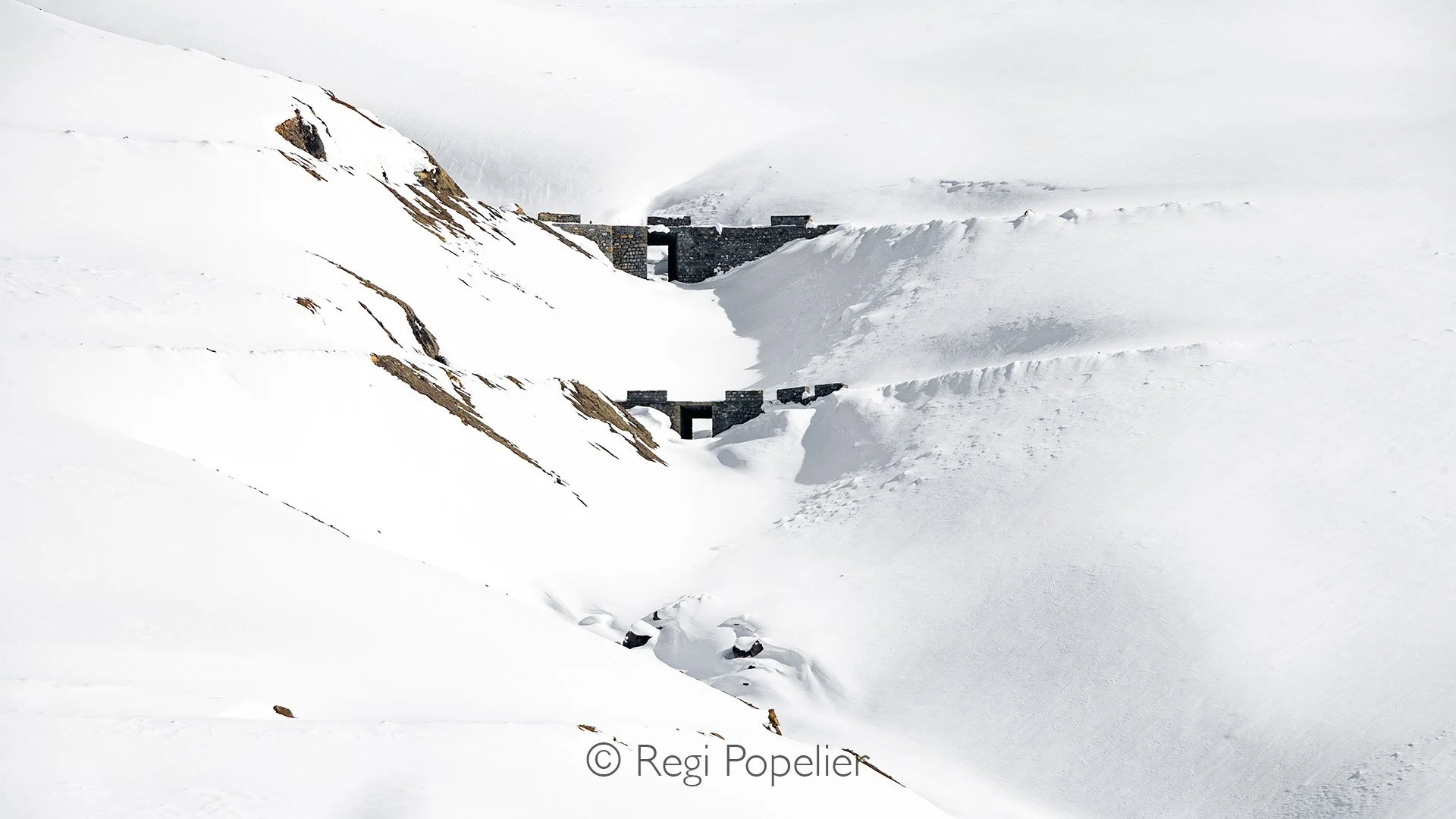
HIMA011 - View on a double bridge not entirely covered by snow while walking to our homestay.
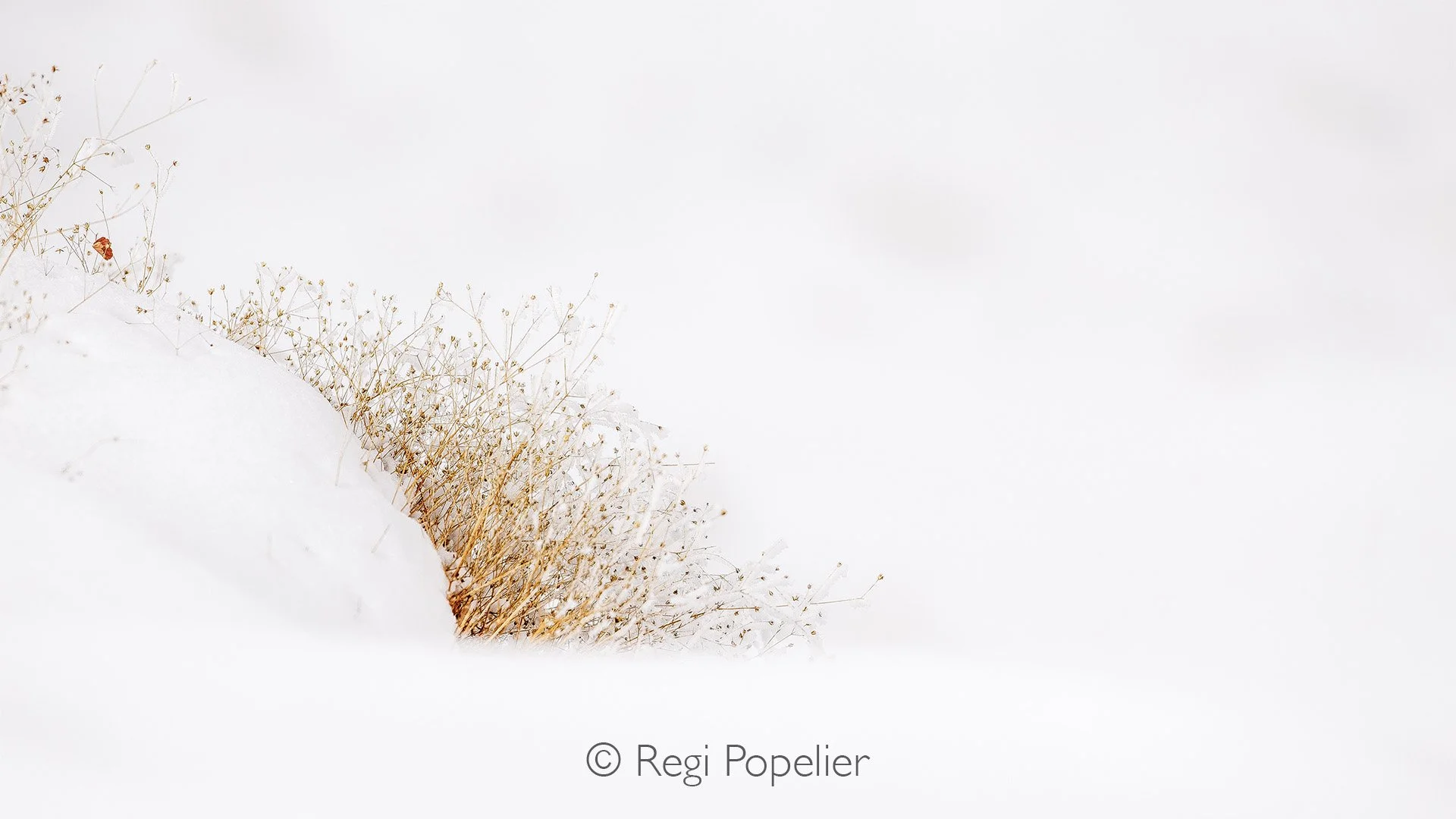
HIMA012 -While wading through snow, the landscape begins to reveal quieter perspectives, delicate stems emerging through white silence, their subtle color standing in quiet contrast. It is not always about wildlife. Sometimes the story lies in what endures.
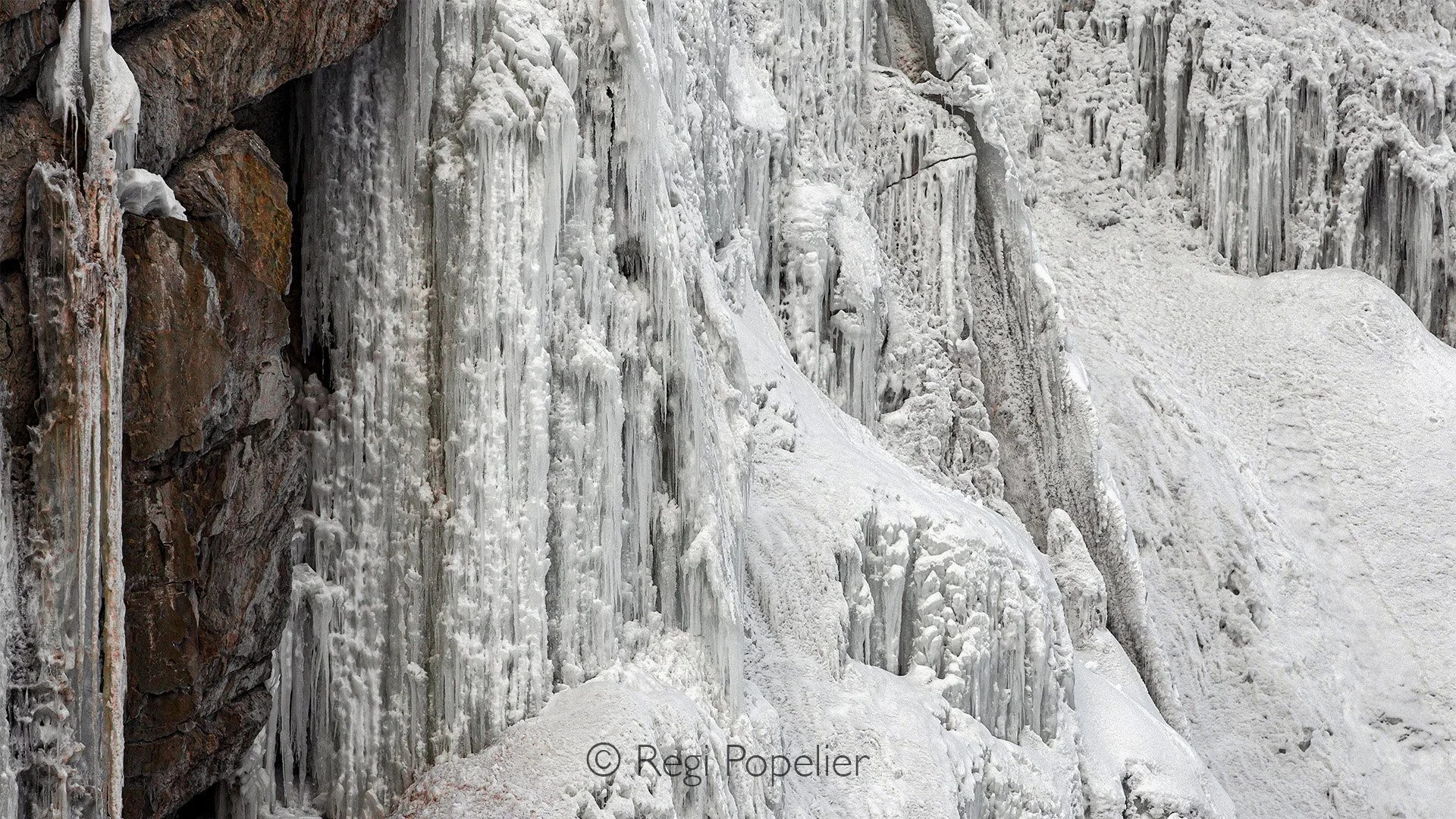
HIMA013 - Structures of frozen ice.
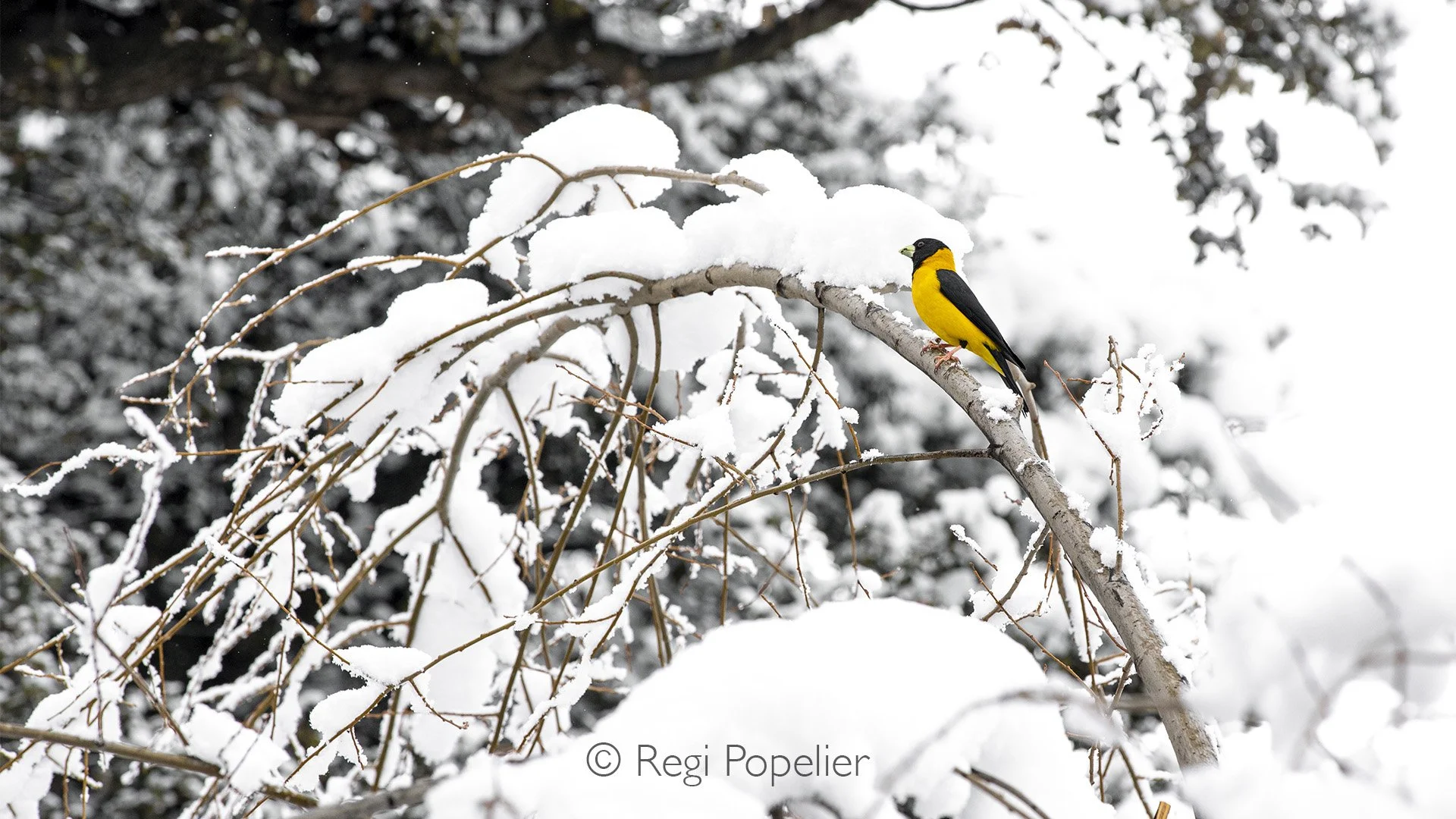
HIMA014 - Black and Yellow Grosbeak.
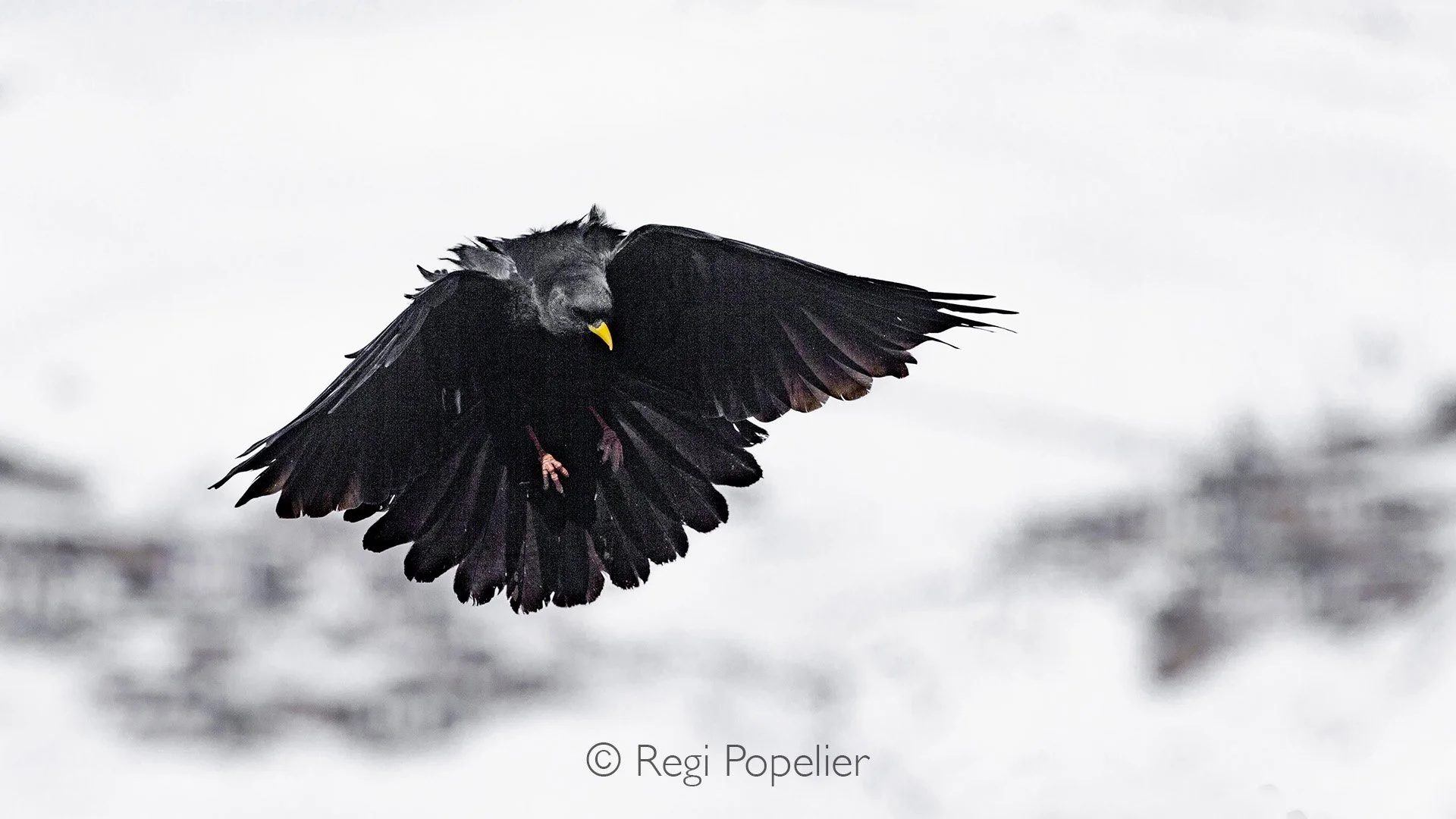
HIMA015 - Himalayan Jungle crow.
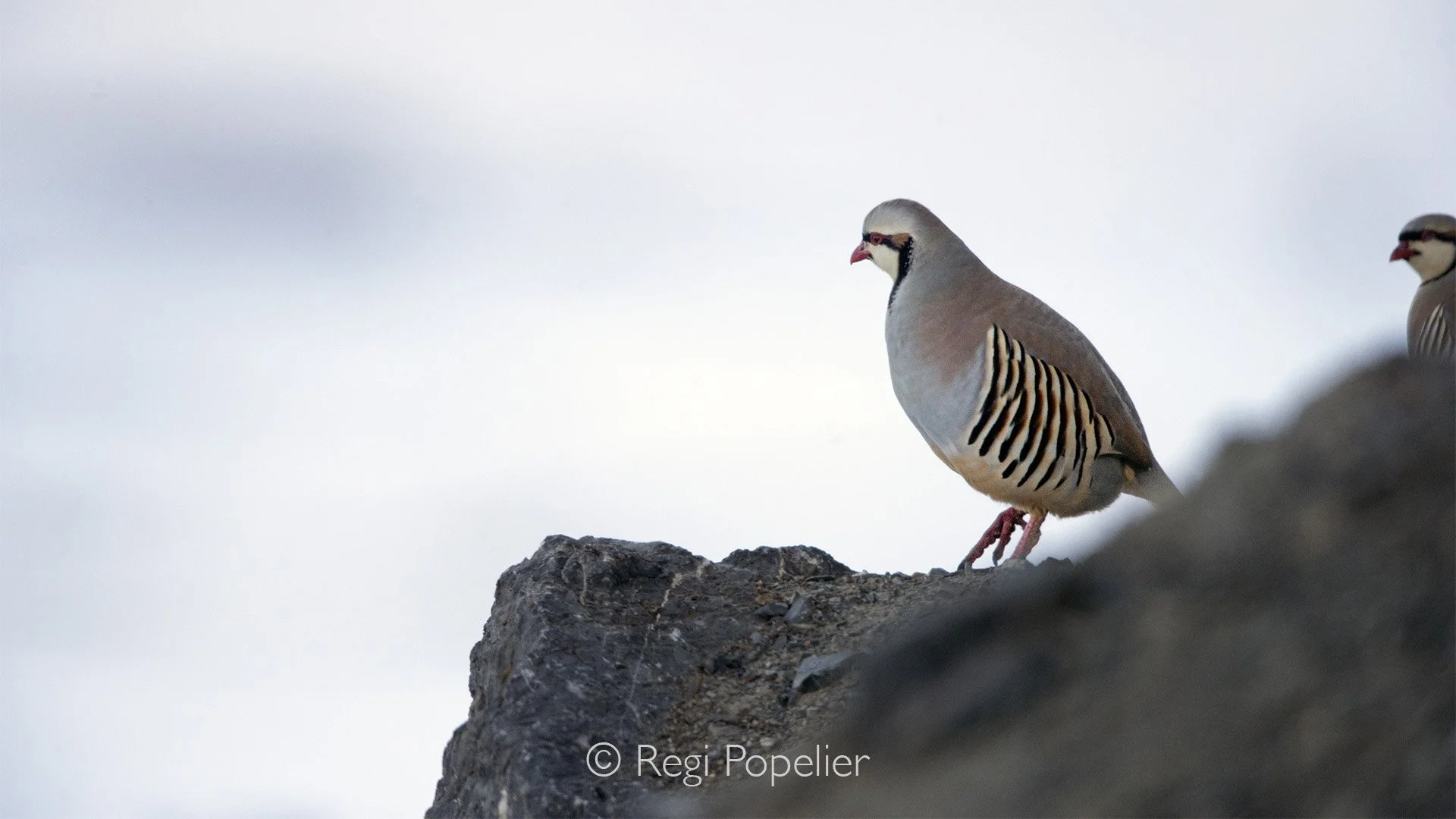
HIMA016 - Himalayan Quail.
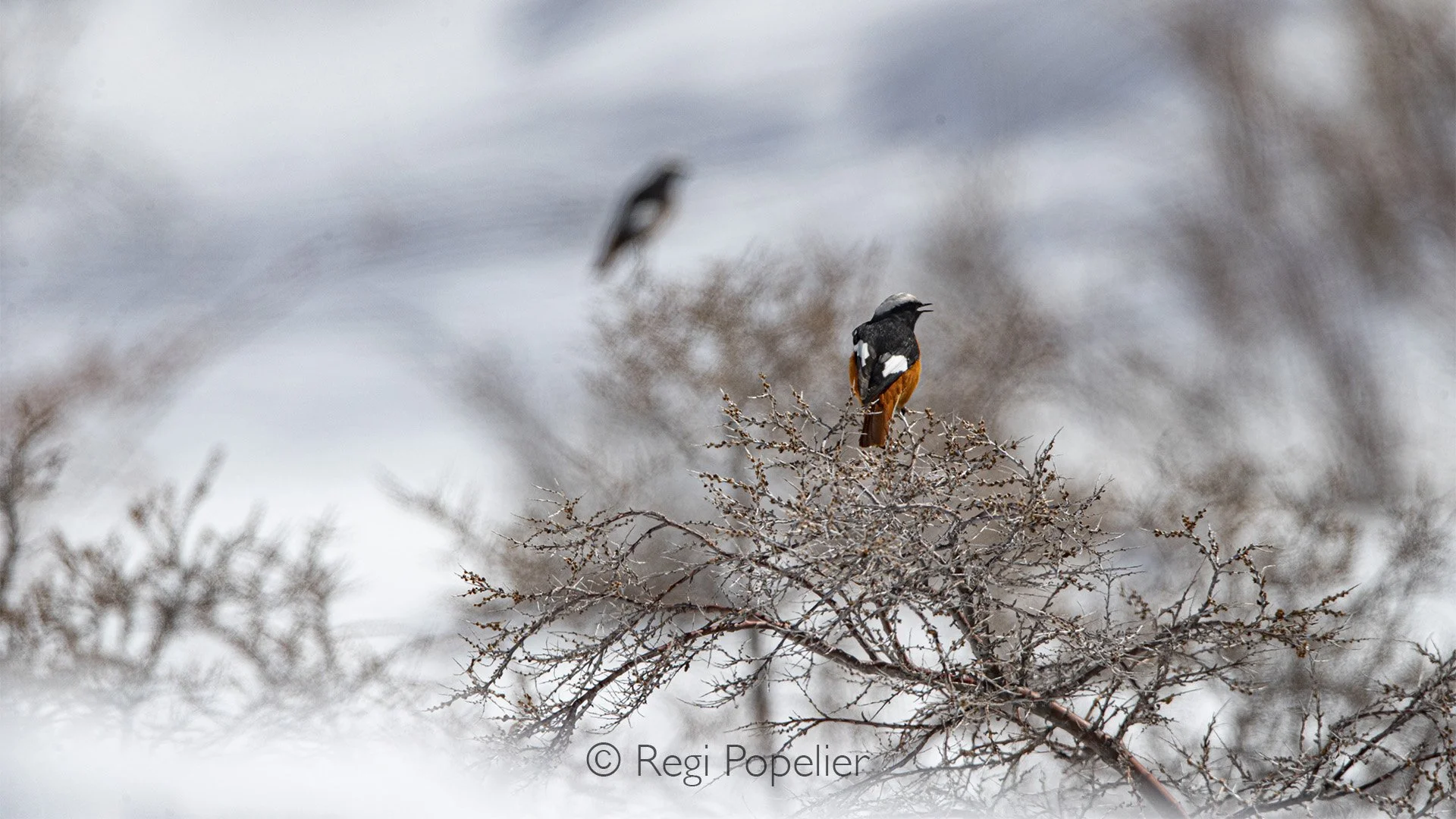
HIMA018 - Winged Redstart (Phoenicurus erythrogastrus).
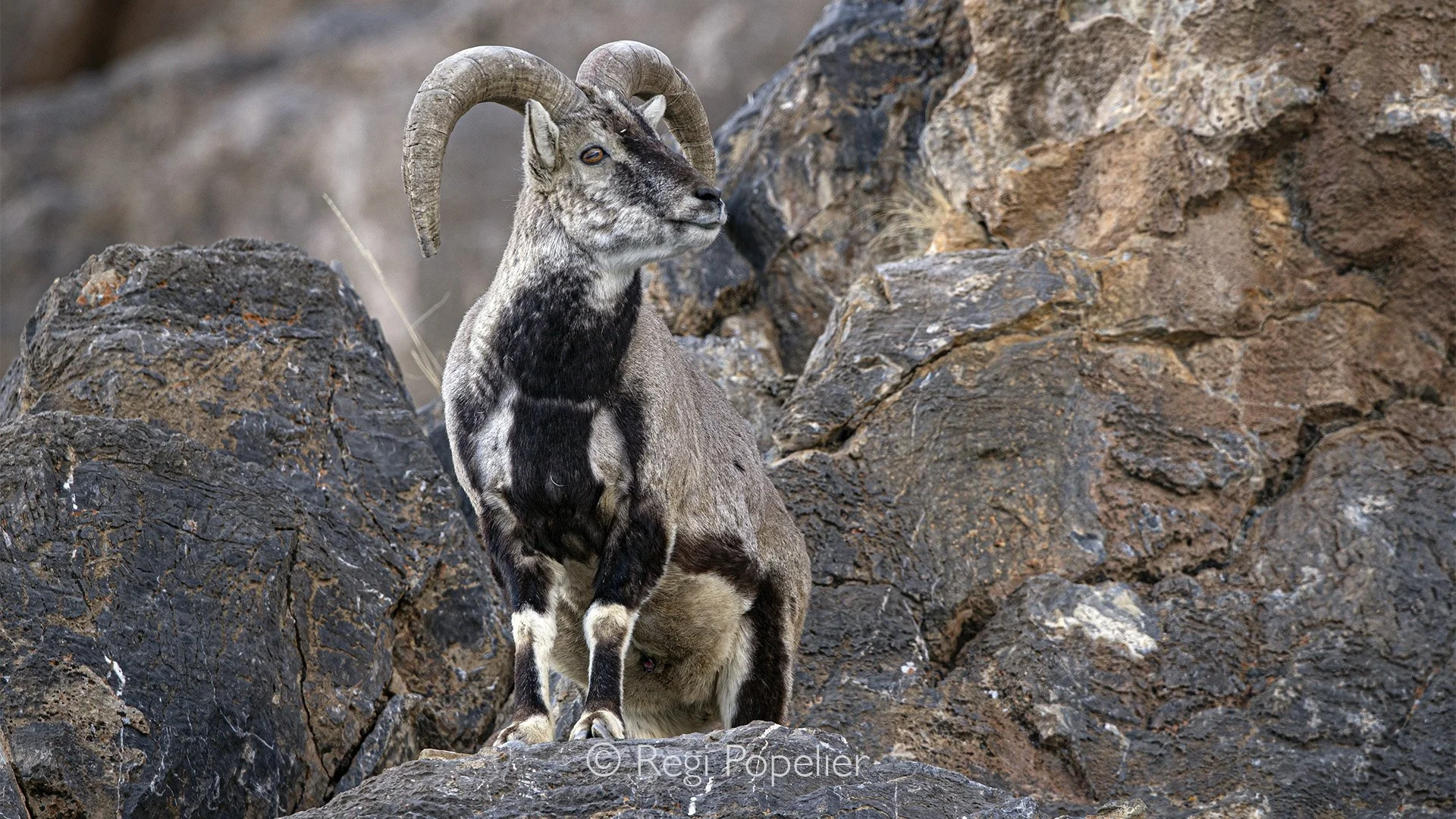
HIMA018 - Bleu sheep in their favorite habitat.
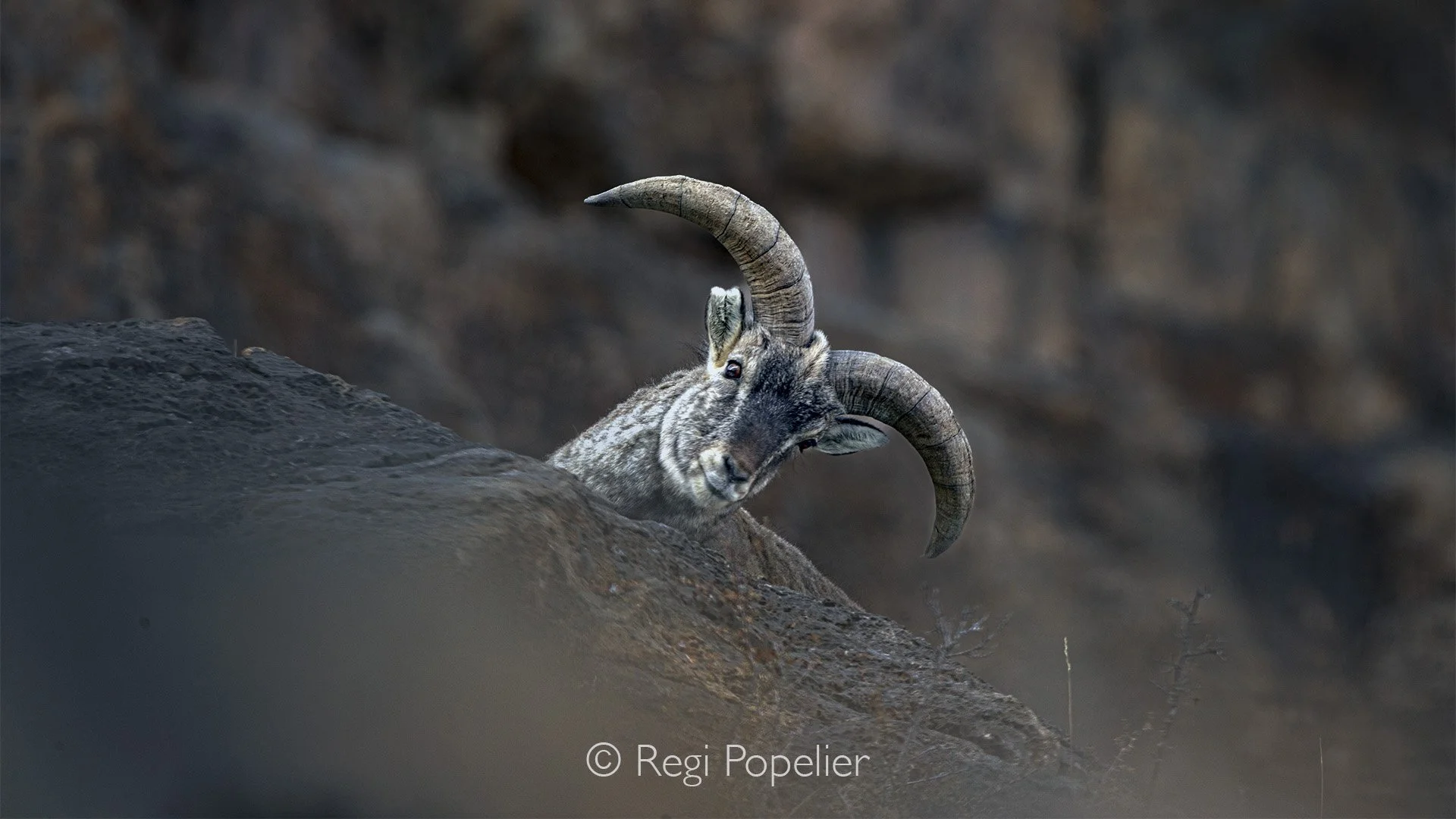
HIMA019 - Bleu sheep watching us from behind the rocks.
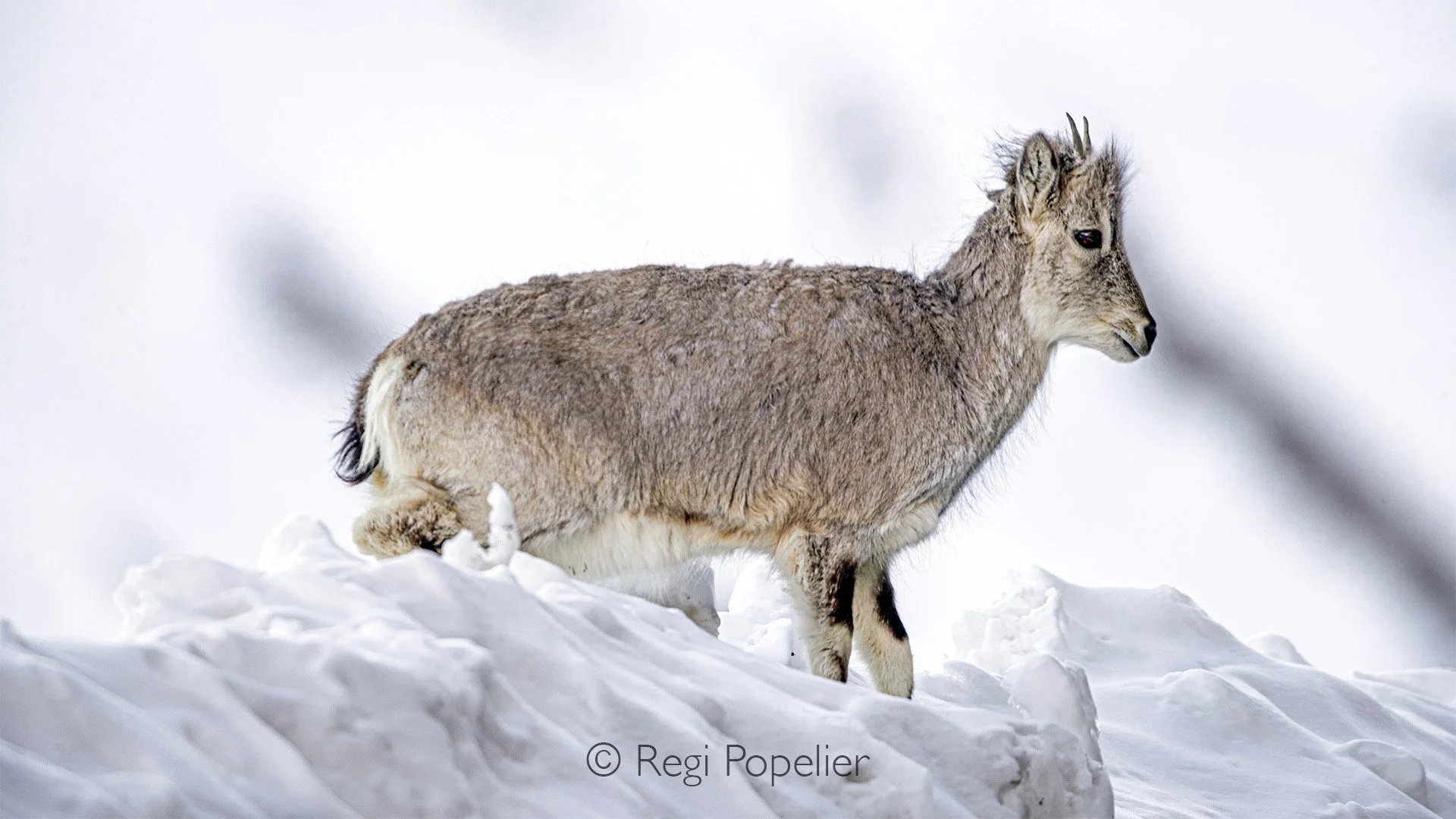
HIMA020 - juvenile Blue sheep.
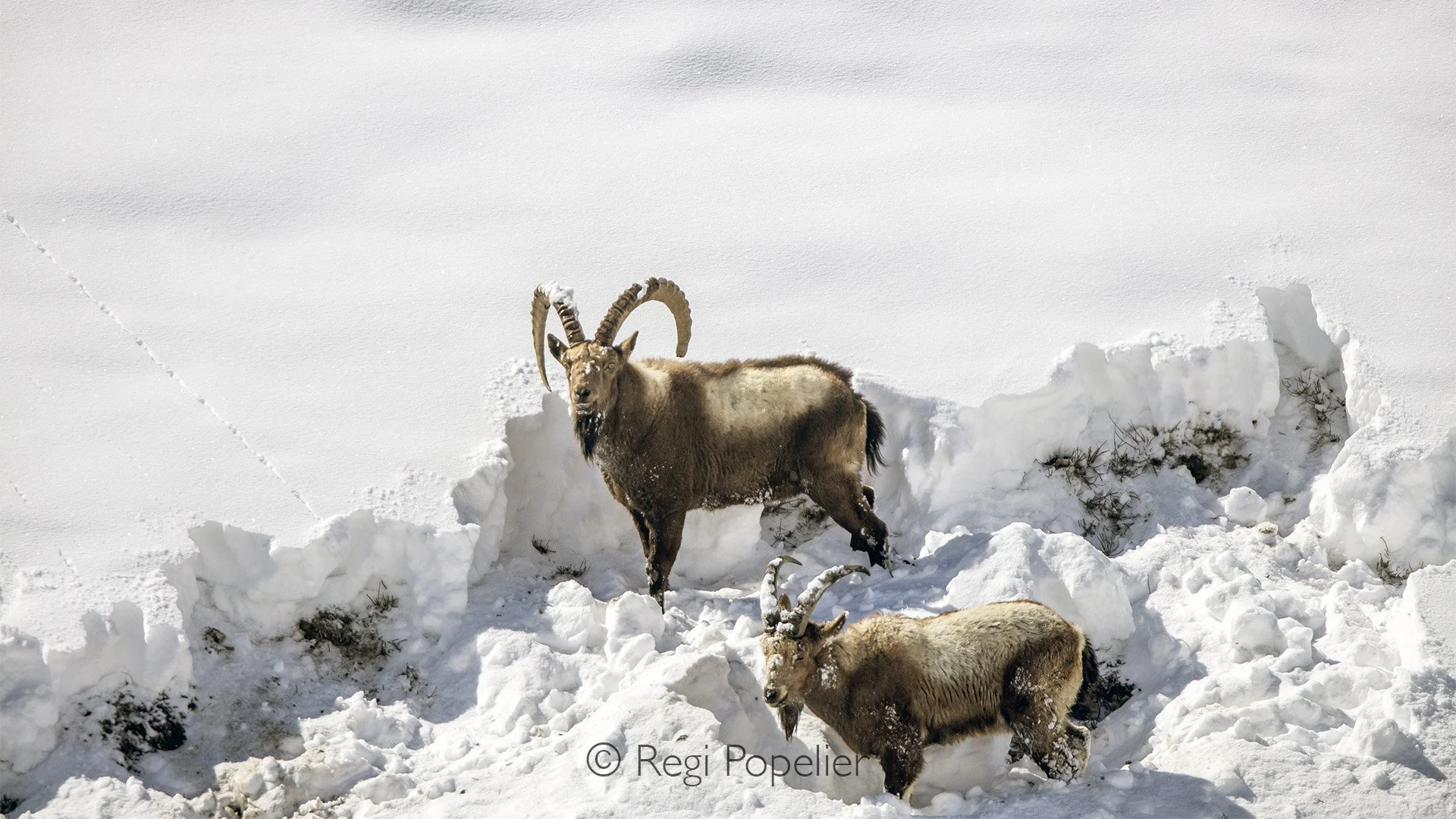
HIMA021 - Bleu sheep , digging in the snow hoping to find food.
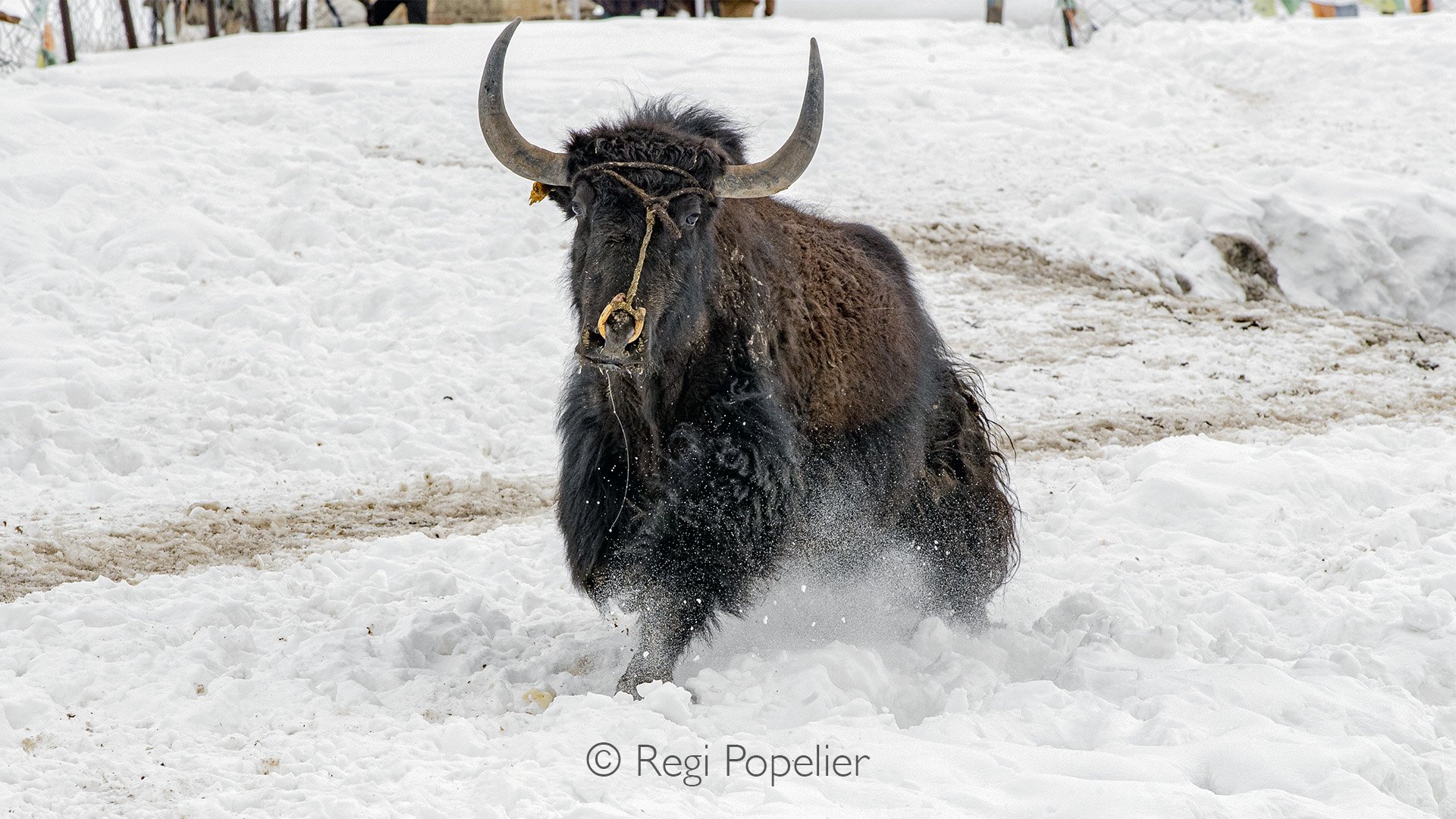
HIMA022 - Himalayan yak, a extremely useful animal for the locals.
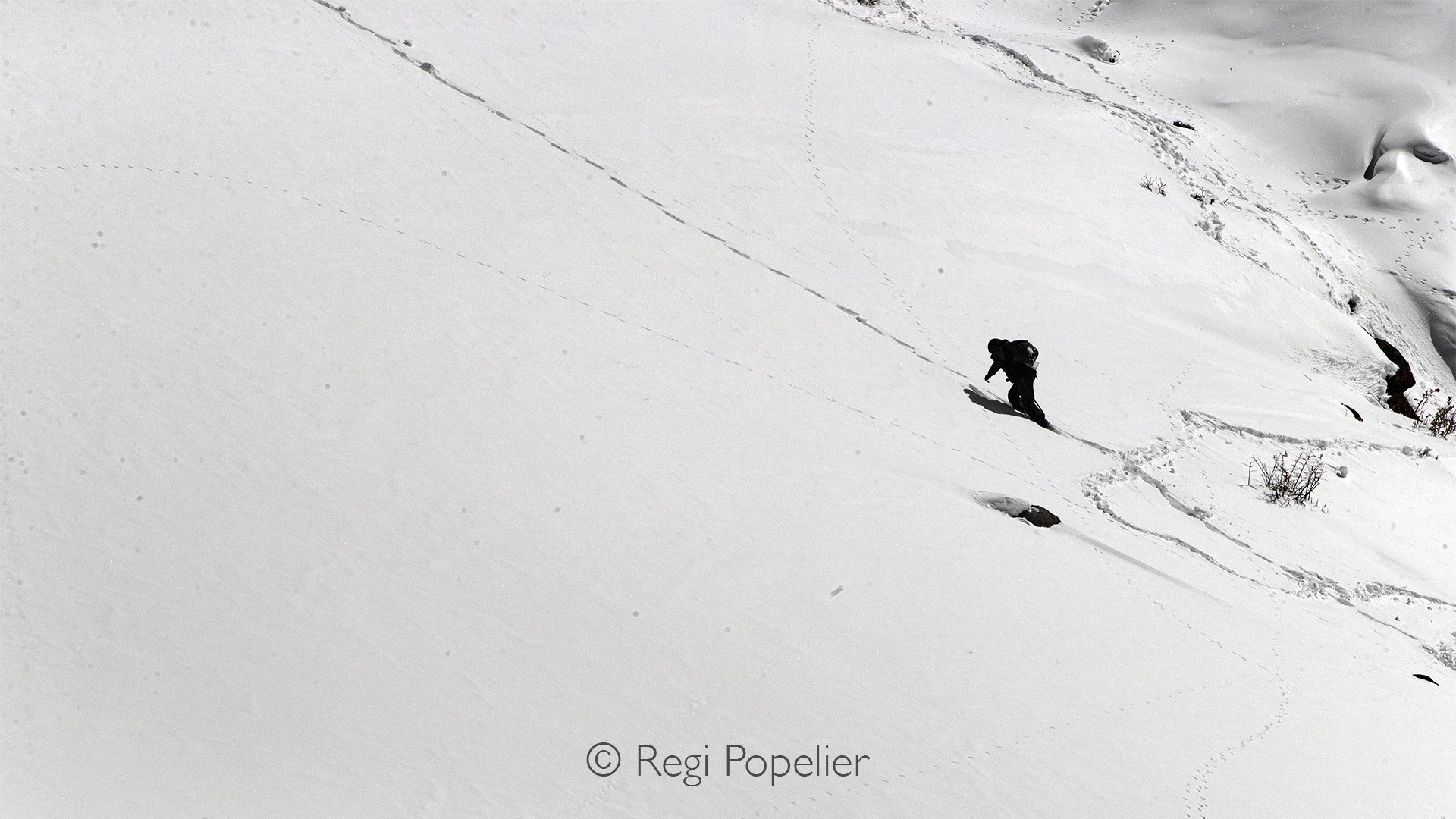
HIMA023 - The climb, up to a place higher where snow leopards were seen.
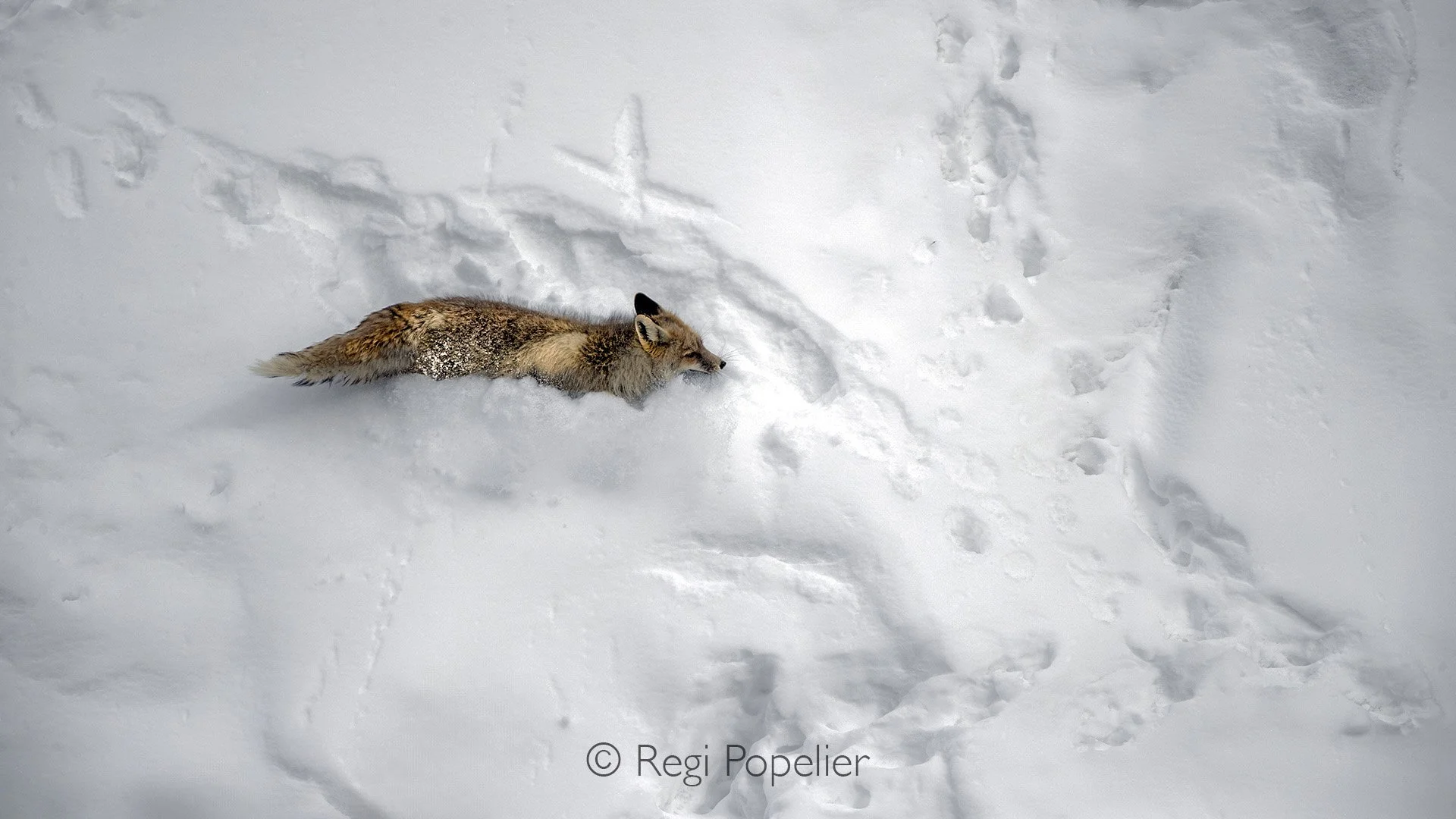
HIMA024 - Himalayan Fox in his descend deep in the snow .
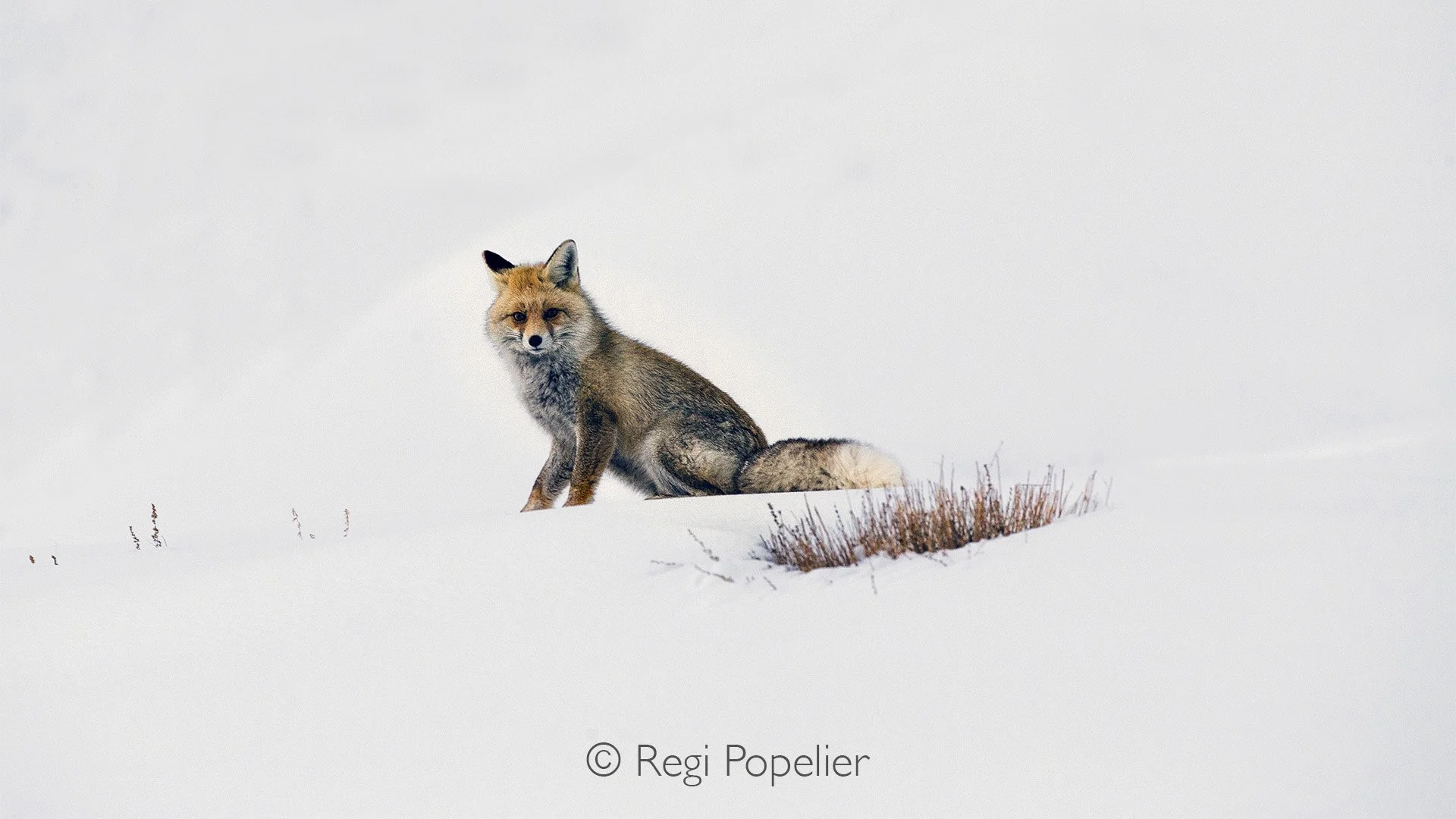
HIMA025 - Quite a good pose.
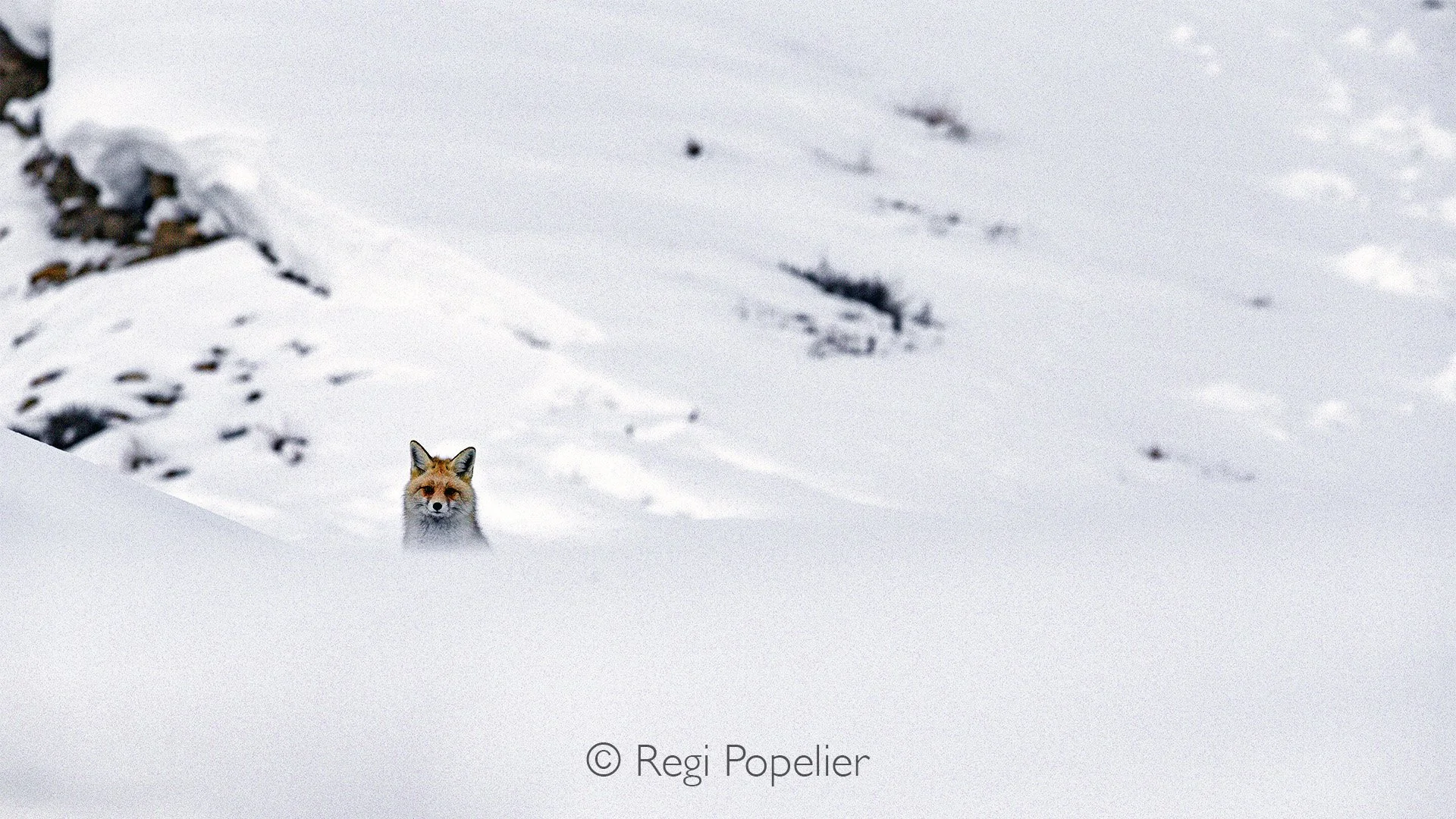
HIMA026 - Watching me as I stopped to photograph from a safe distance.
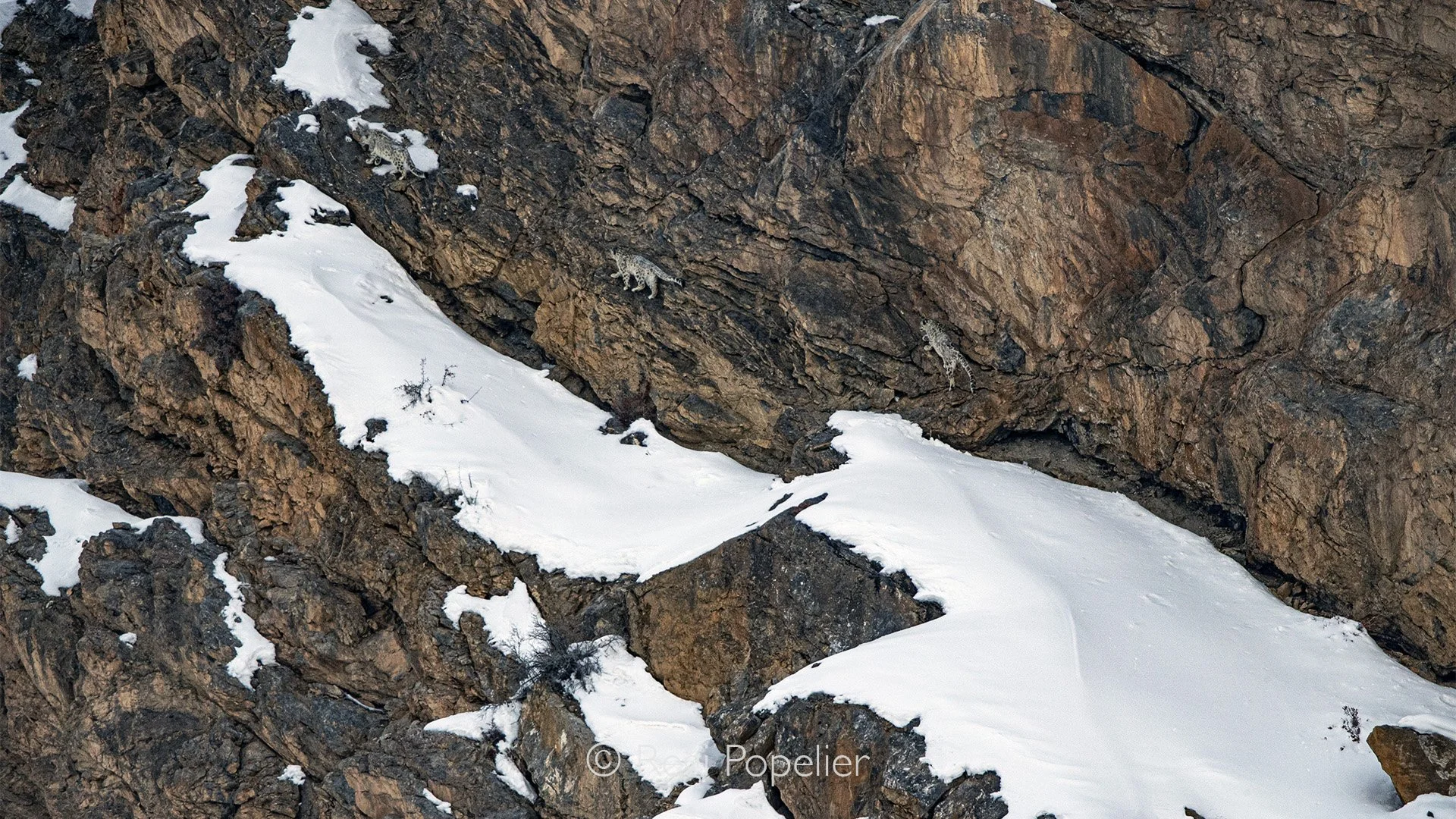
HIMA027 - This image shows once more how difficult snow leopards are to find.
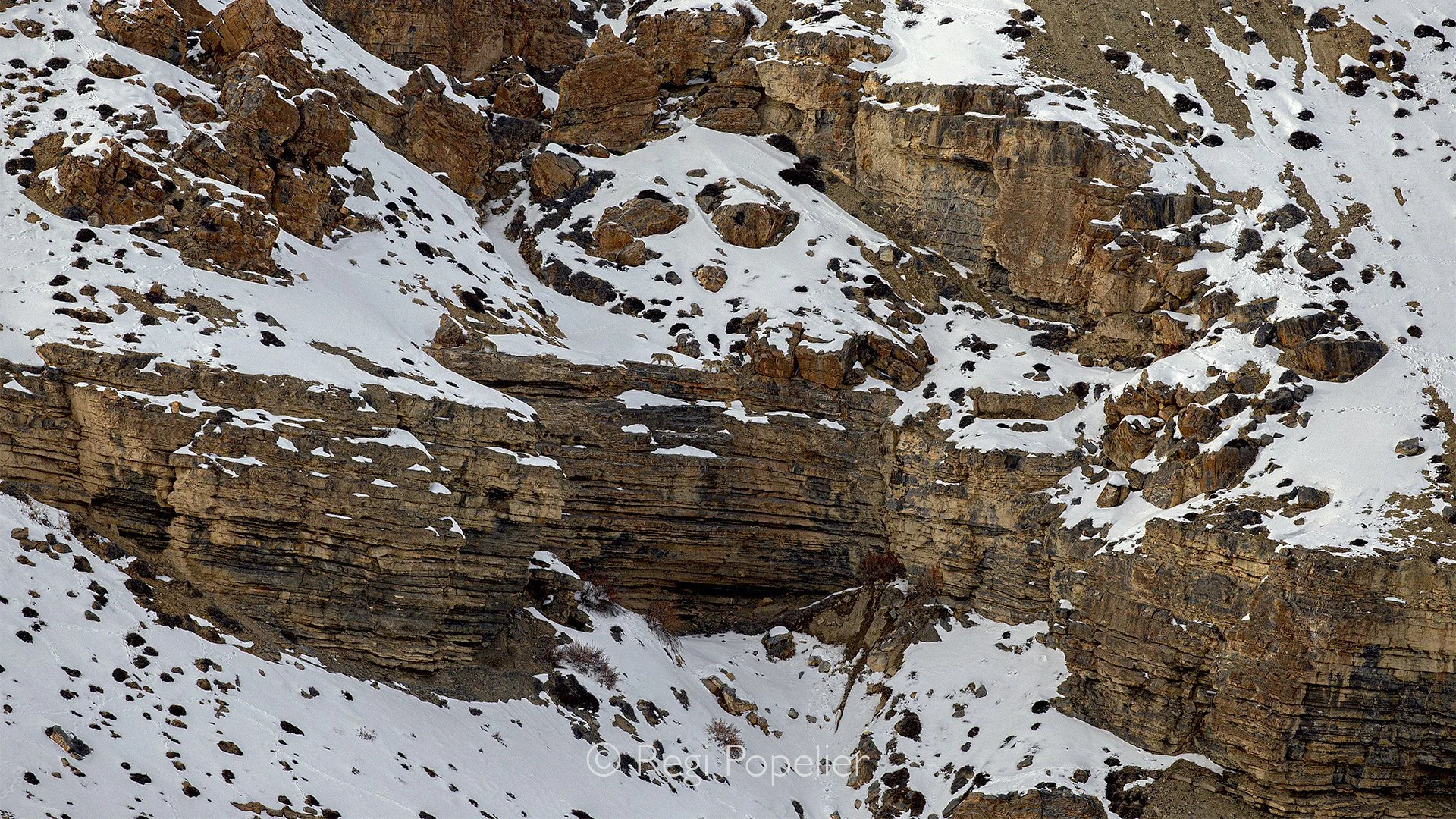
HIMA028 - Where do you see them
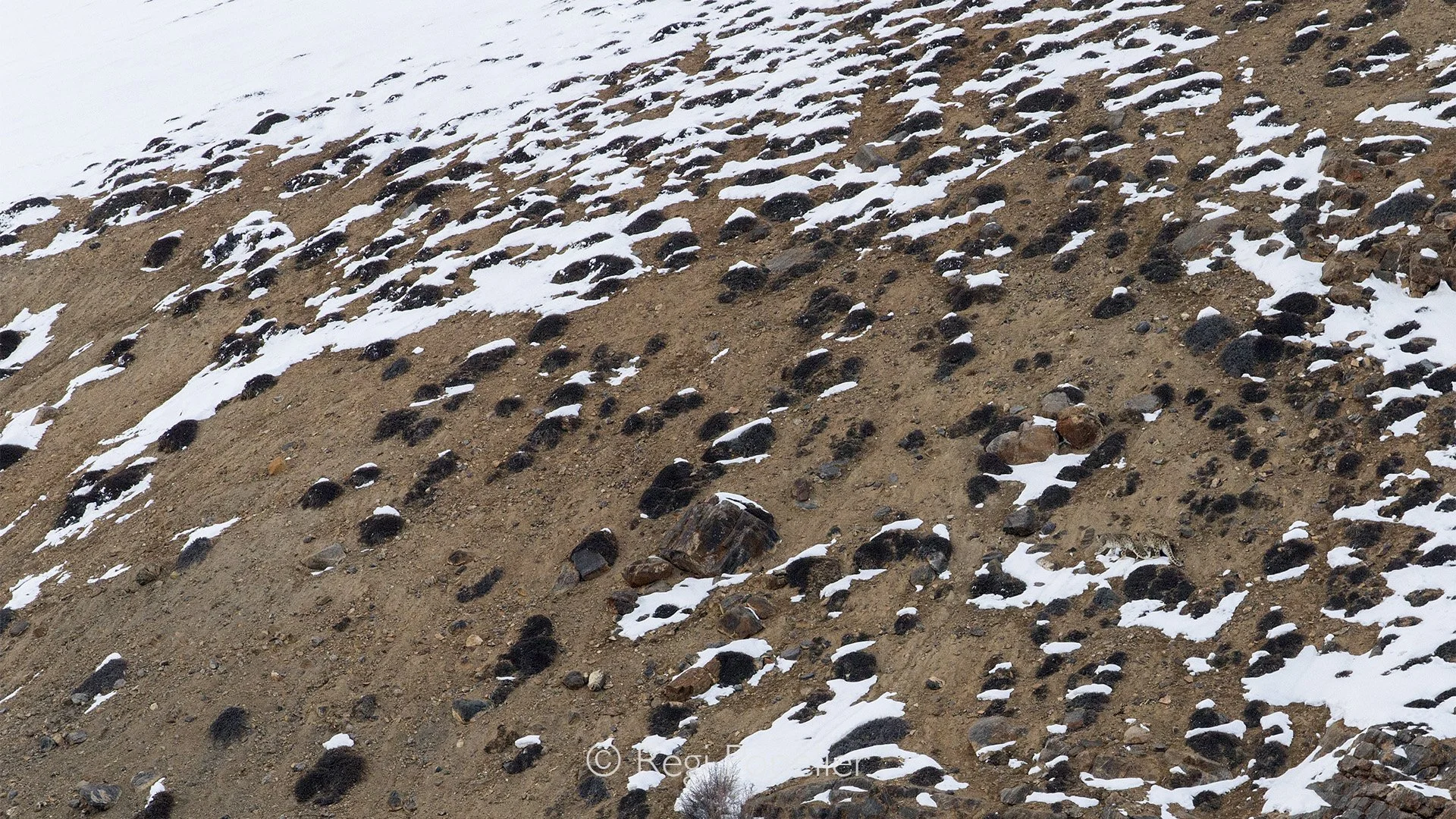
HIMA029 - Have another close look.
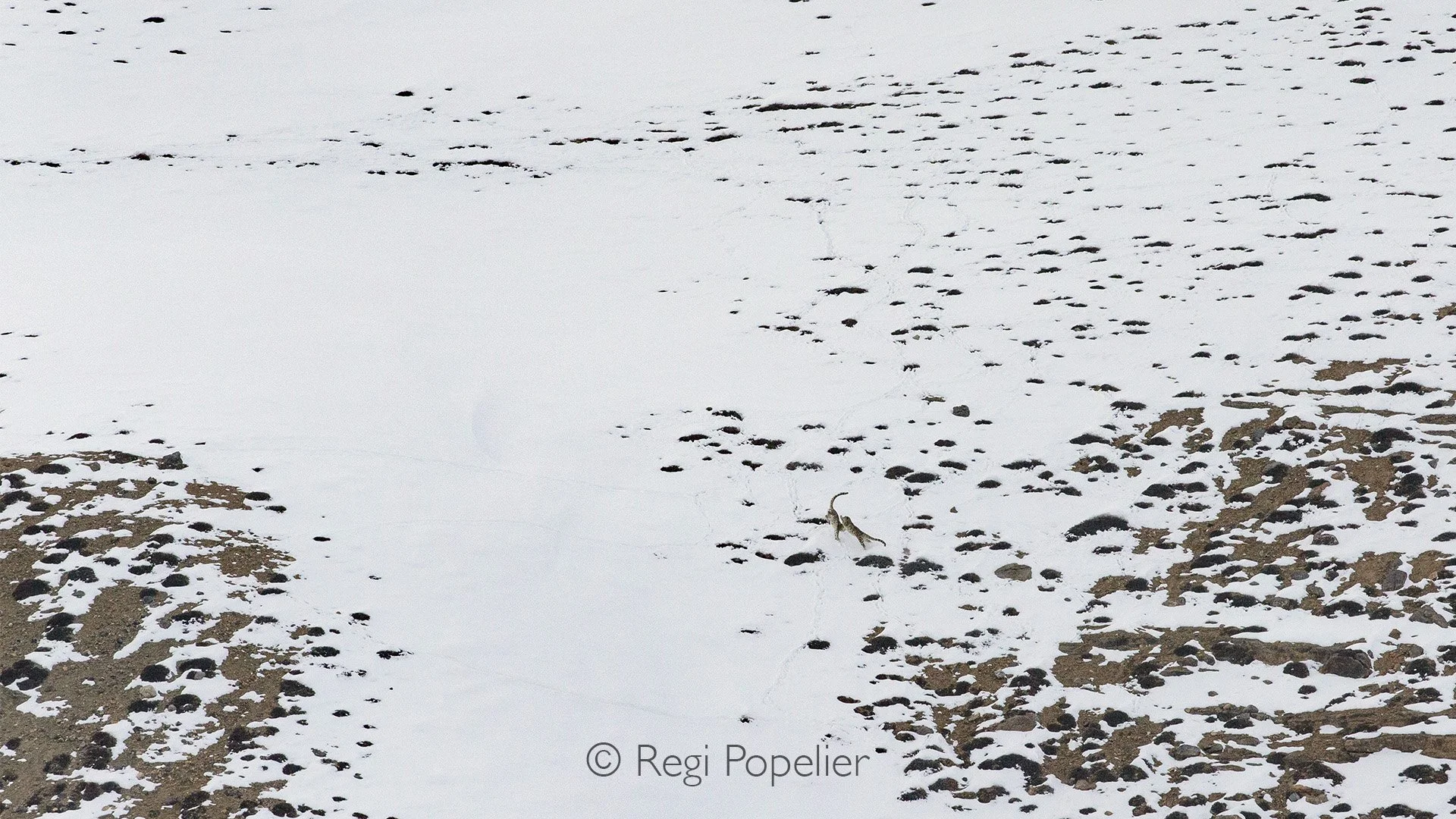
HIMA030 - 2 youngsters playing at a distance of about 300m. Photographed with 600mm lens and 2x converter. Camera on tripod.
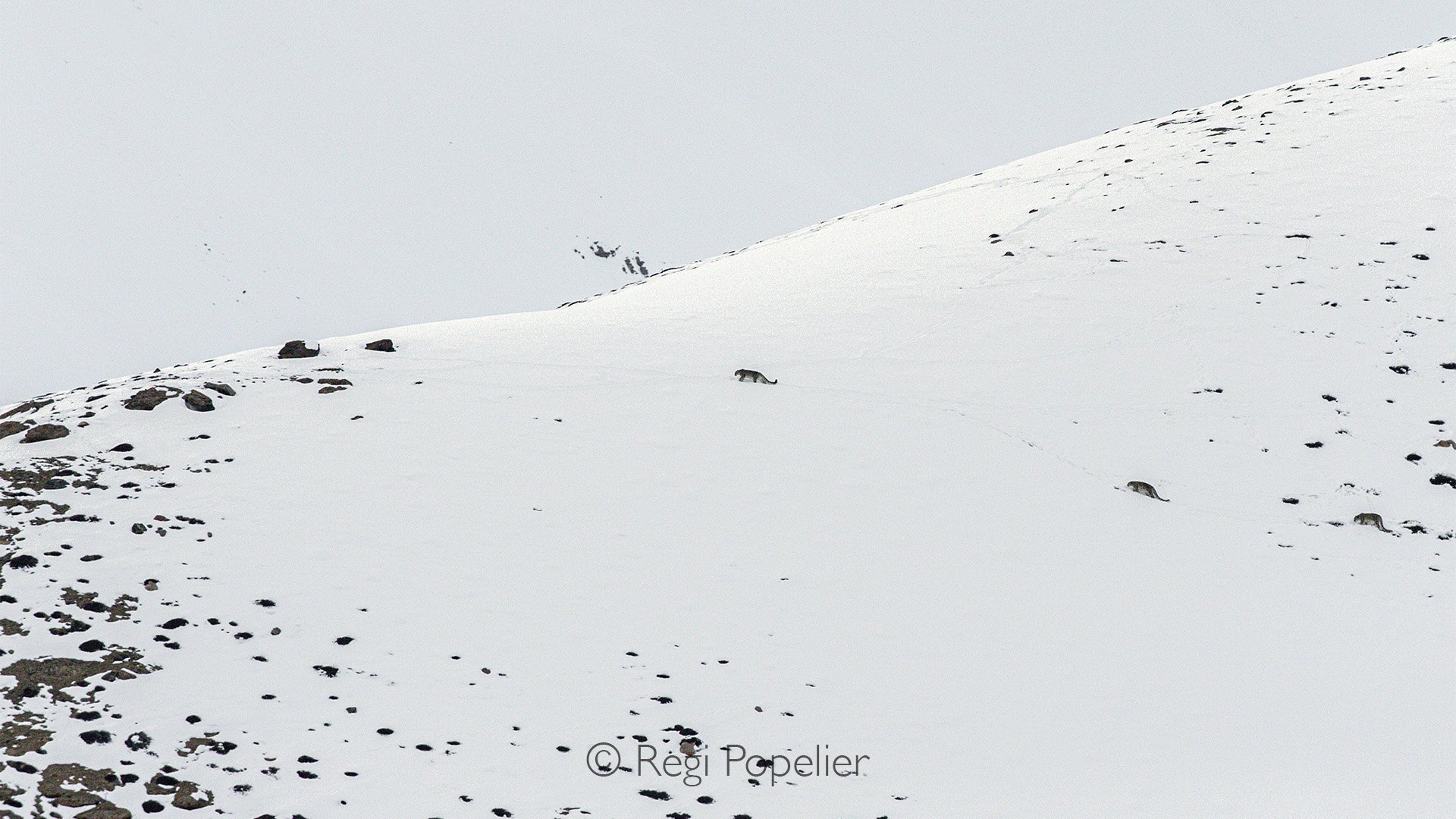
HIMA031 - Blending in in this amazing landscape.
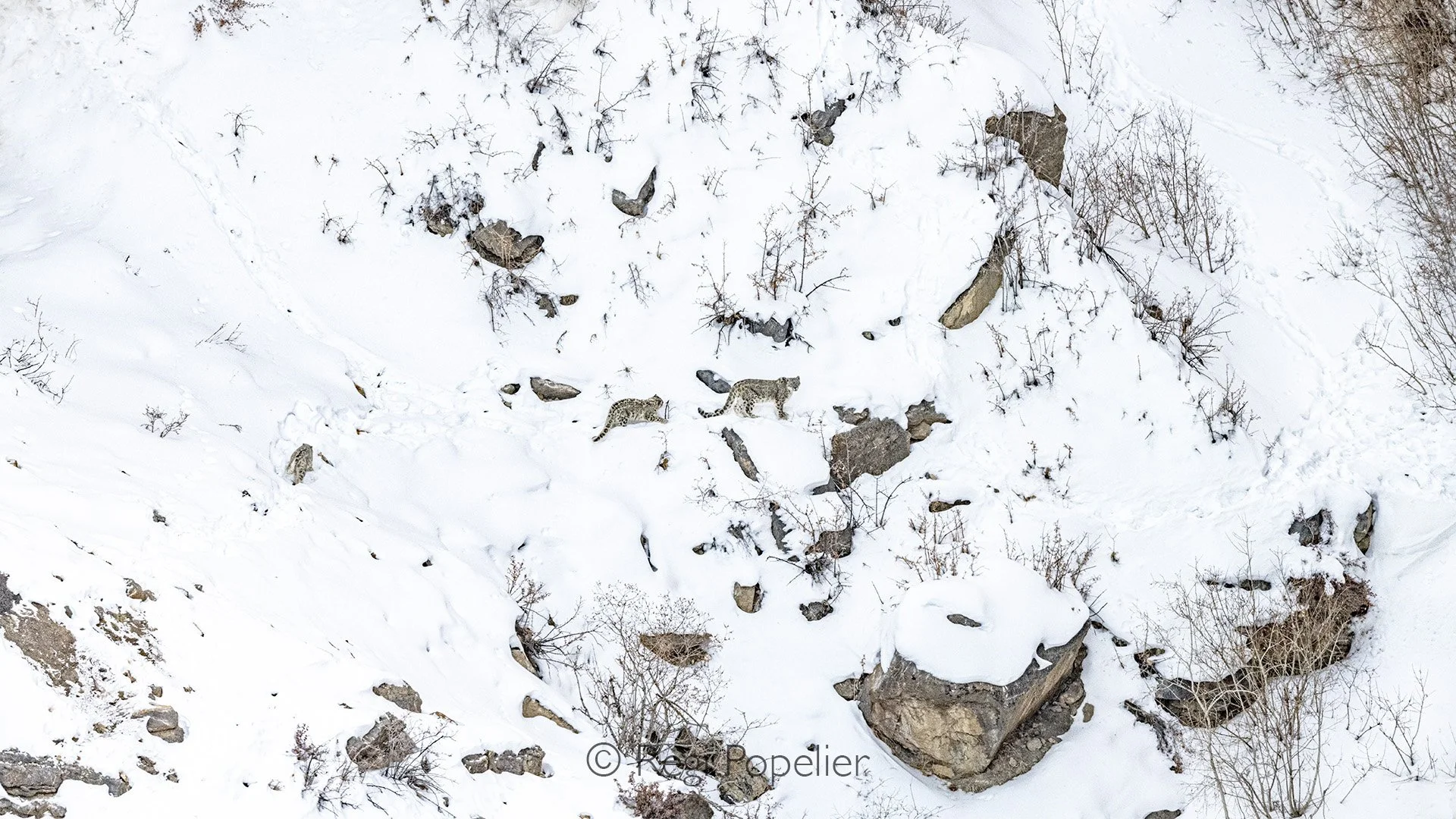
HIMA032 - The mother leopard with 2 of her cubs.
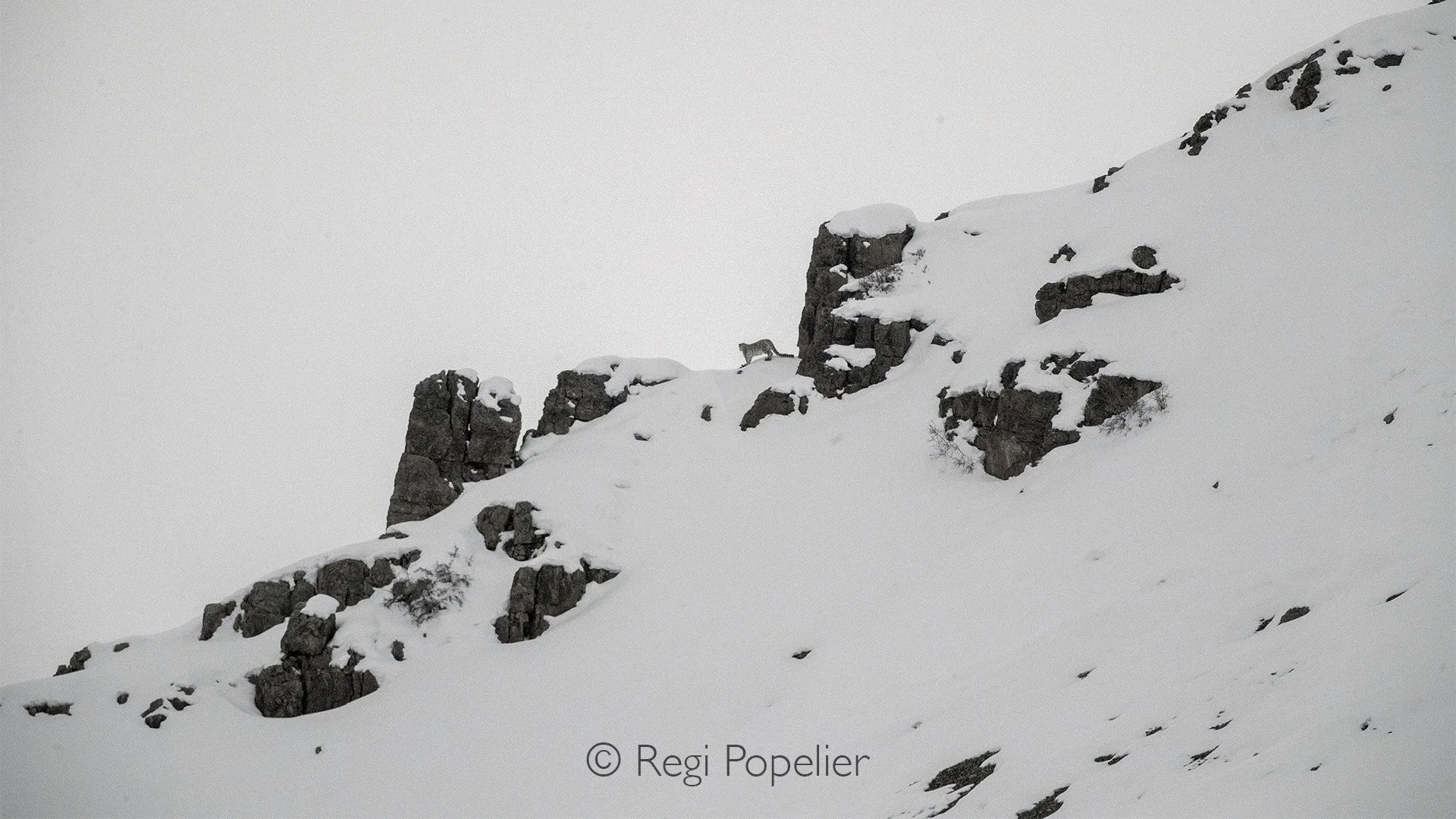
HIMA033 - From a distance at the edge of the mountain.
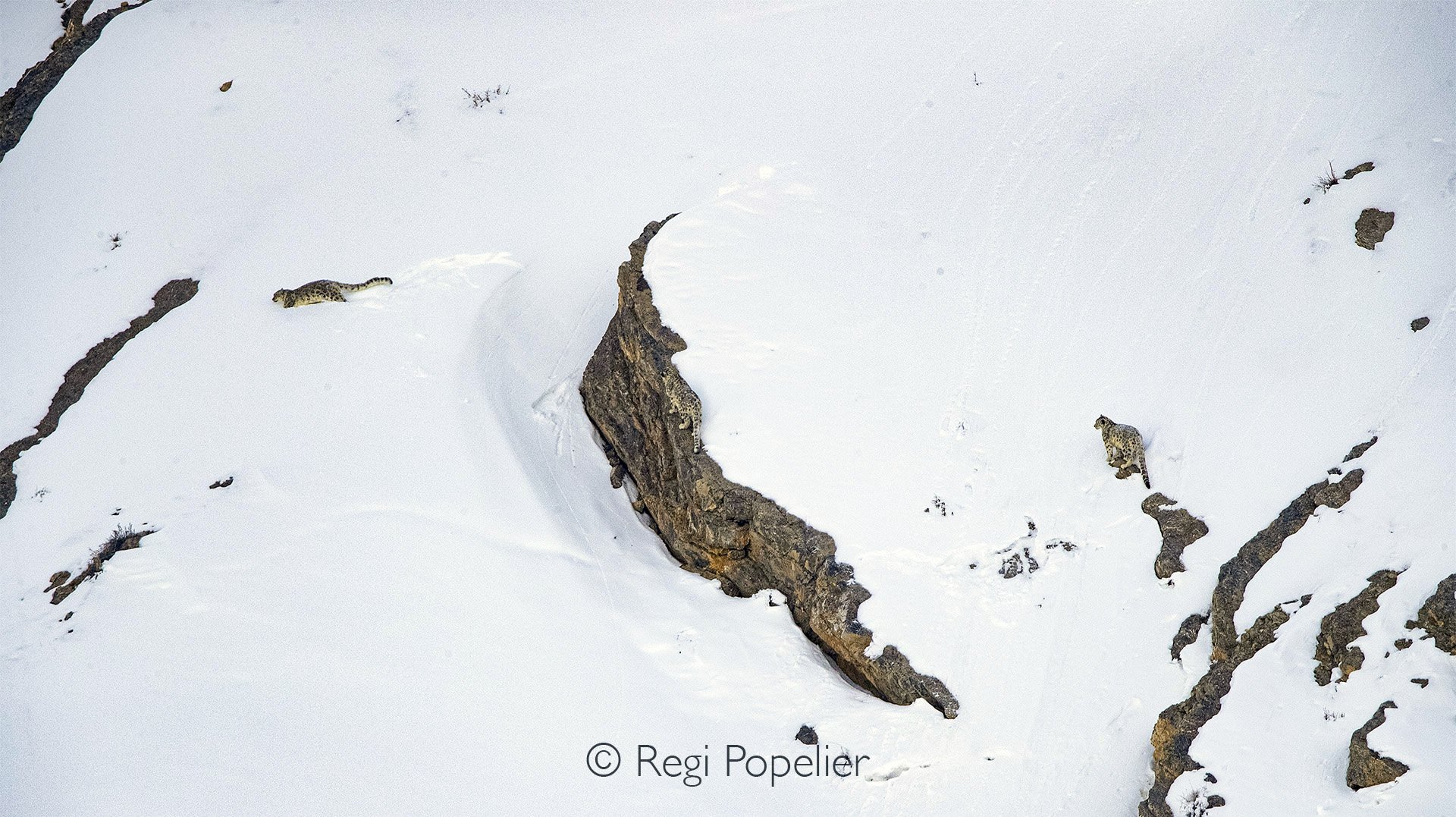
HIMA034 - Search the tree snow leopards.
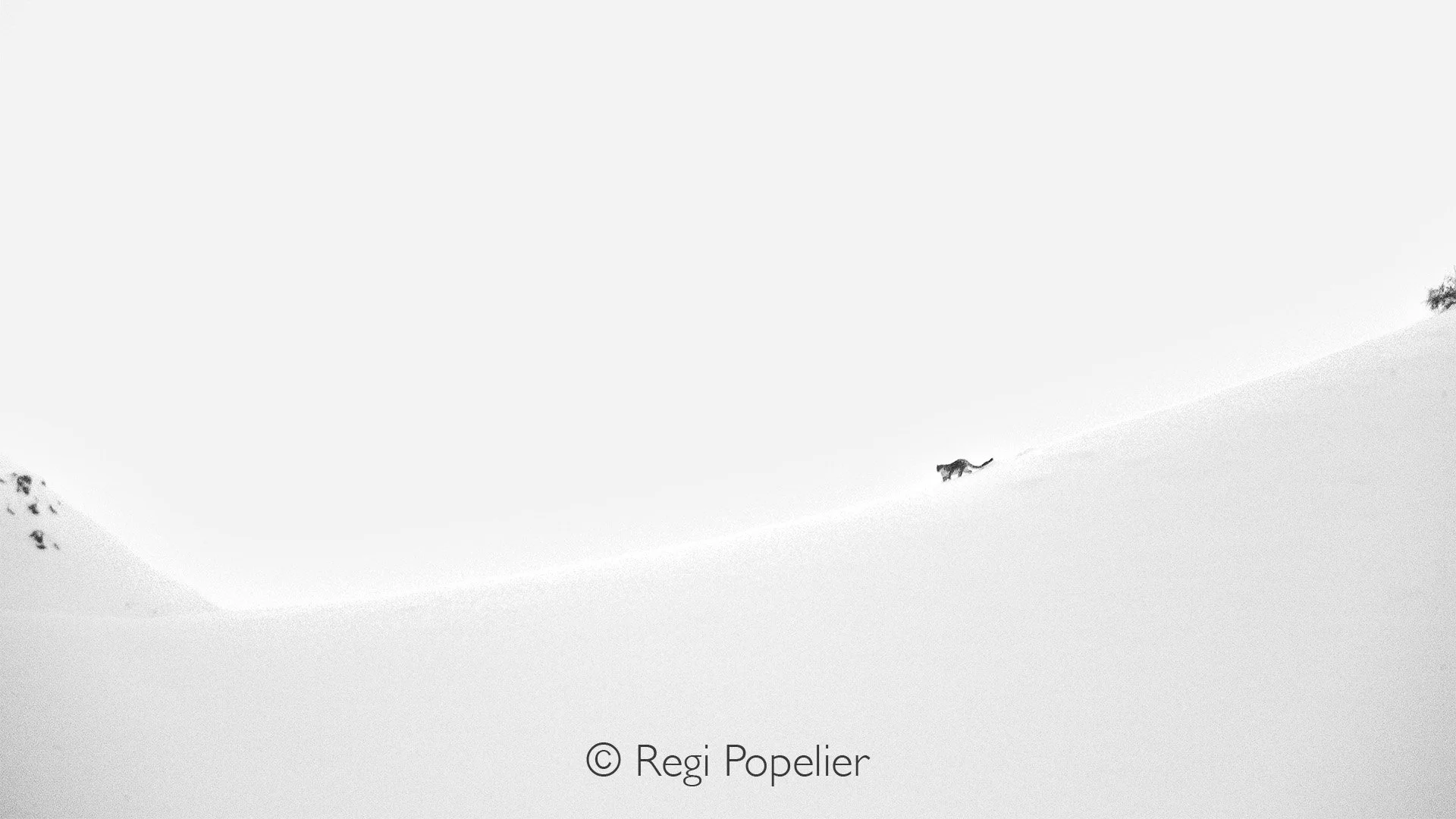
HIMA035 -Snow leopard, nature and me , what else more could i ask for?
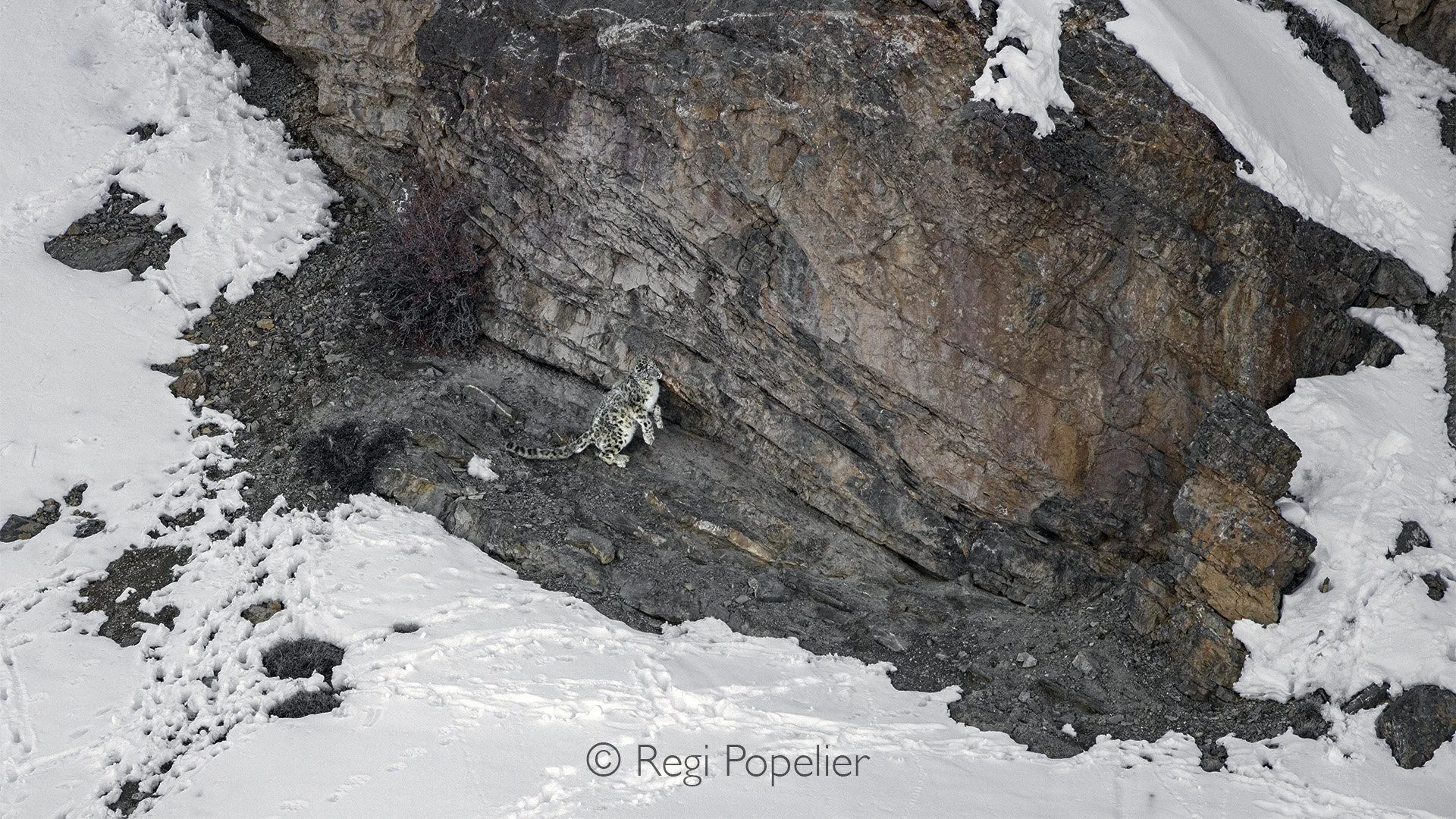
HIMA036 - Mature female sent marking on the rocks.
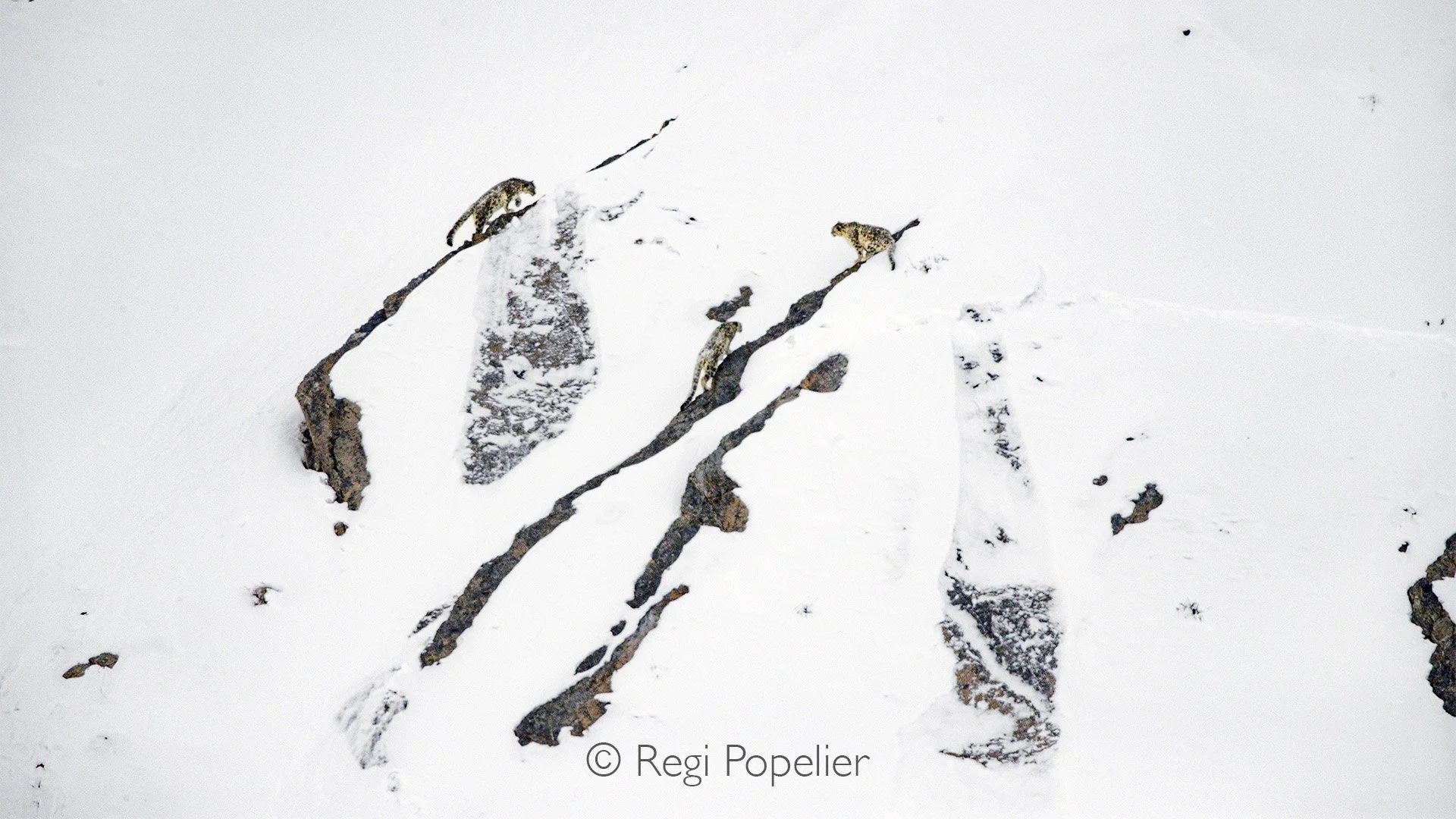
HIMA037 - Mother with two 18 month old cubs.
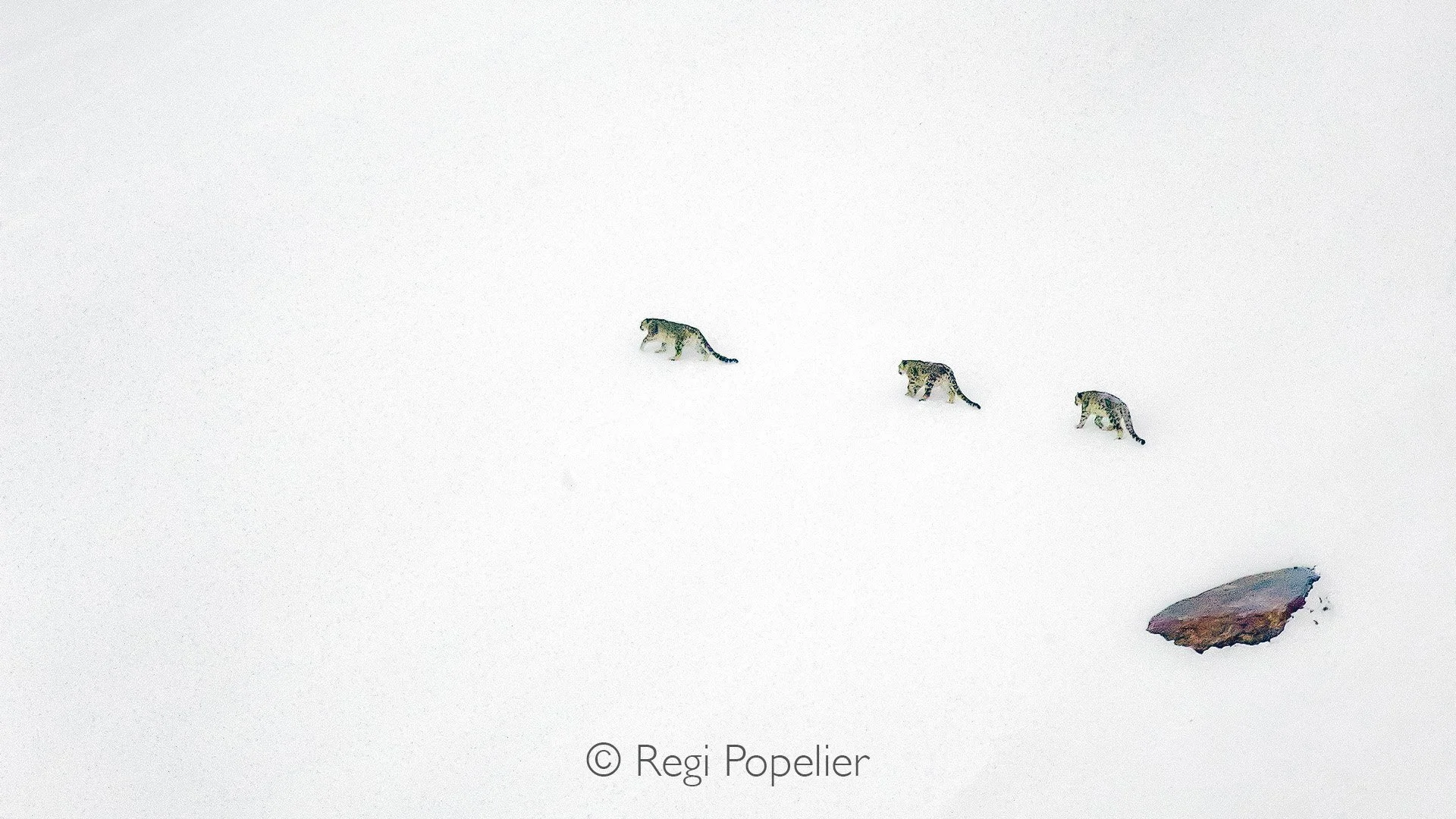
HIMA038 - On vadrouille.
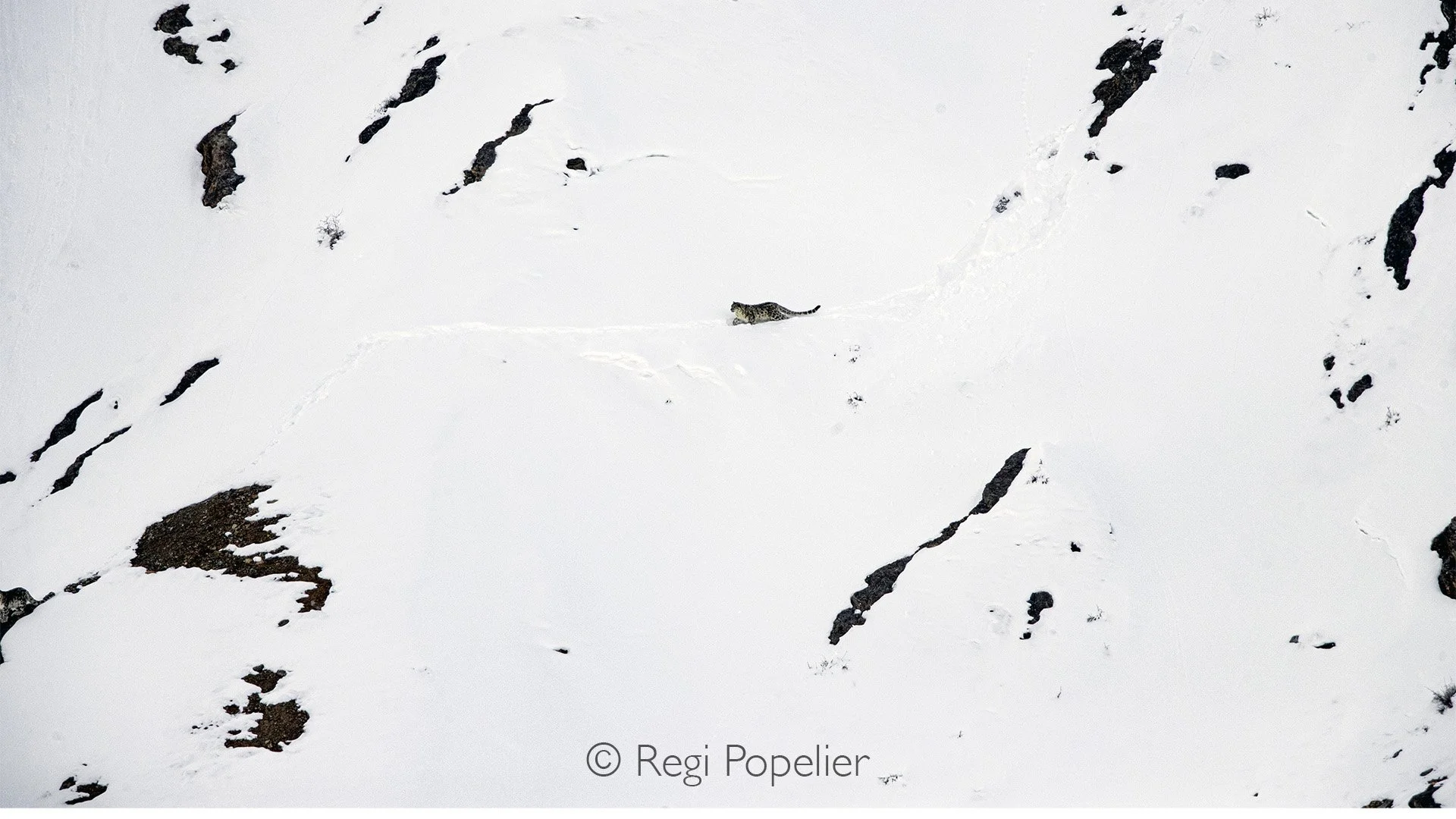
HIMA039 - No words.
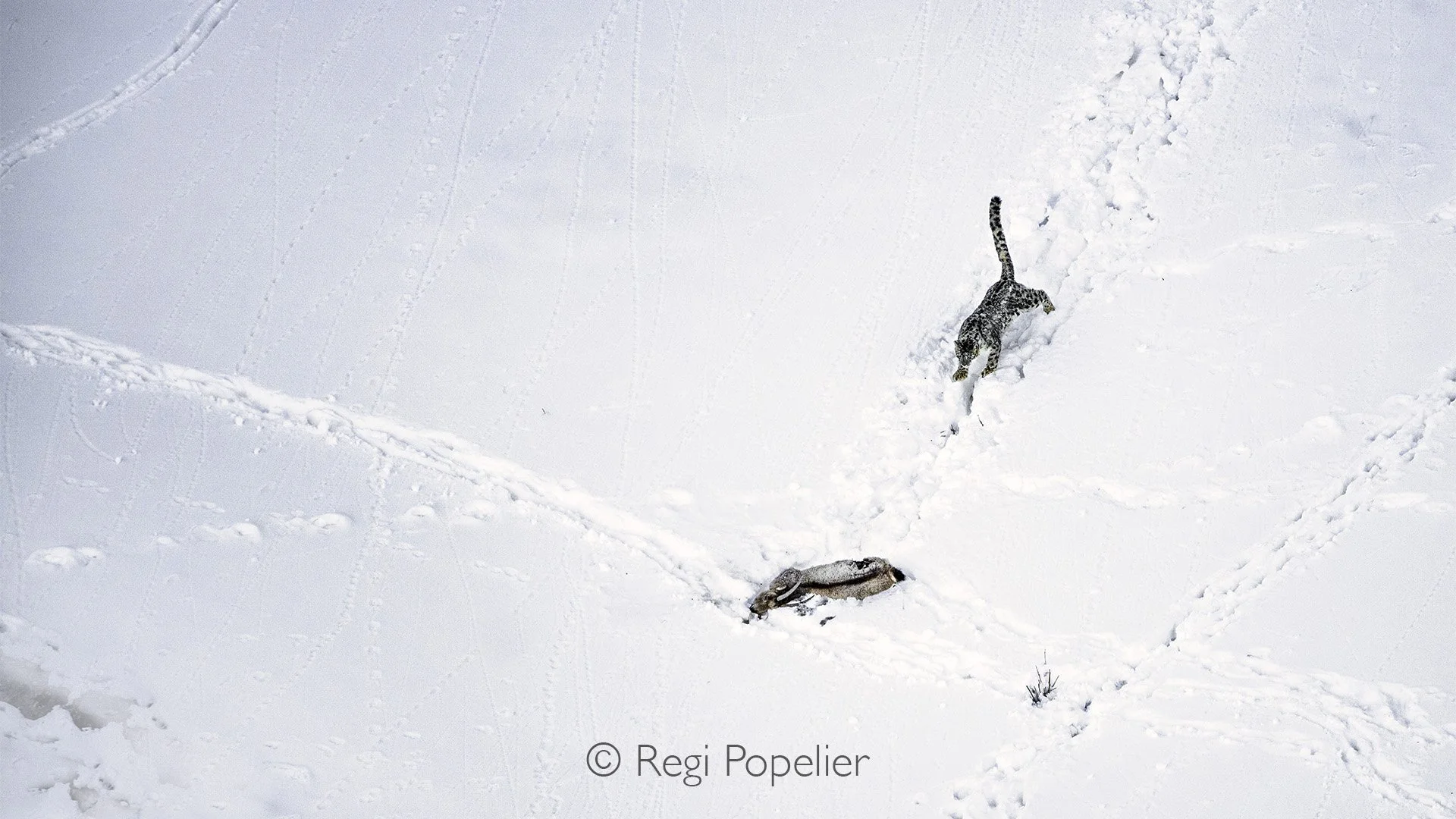
HIMA040 - Adult male approaching his kill.
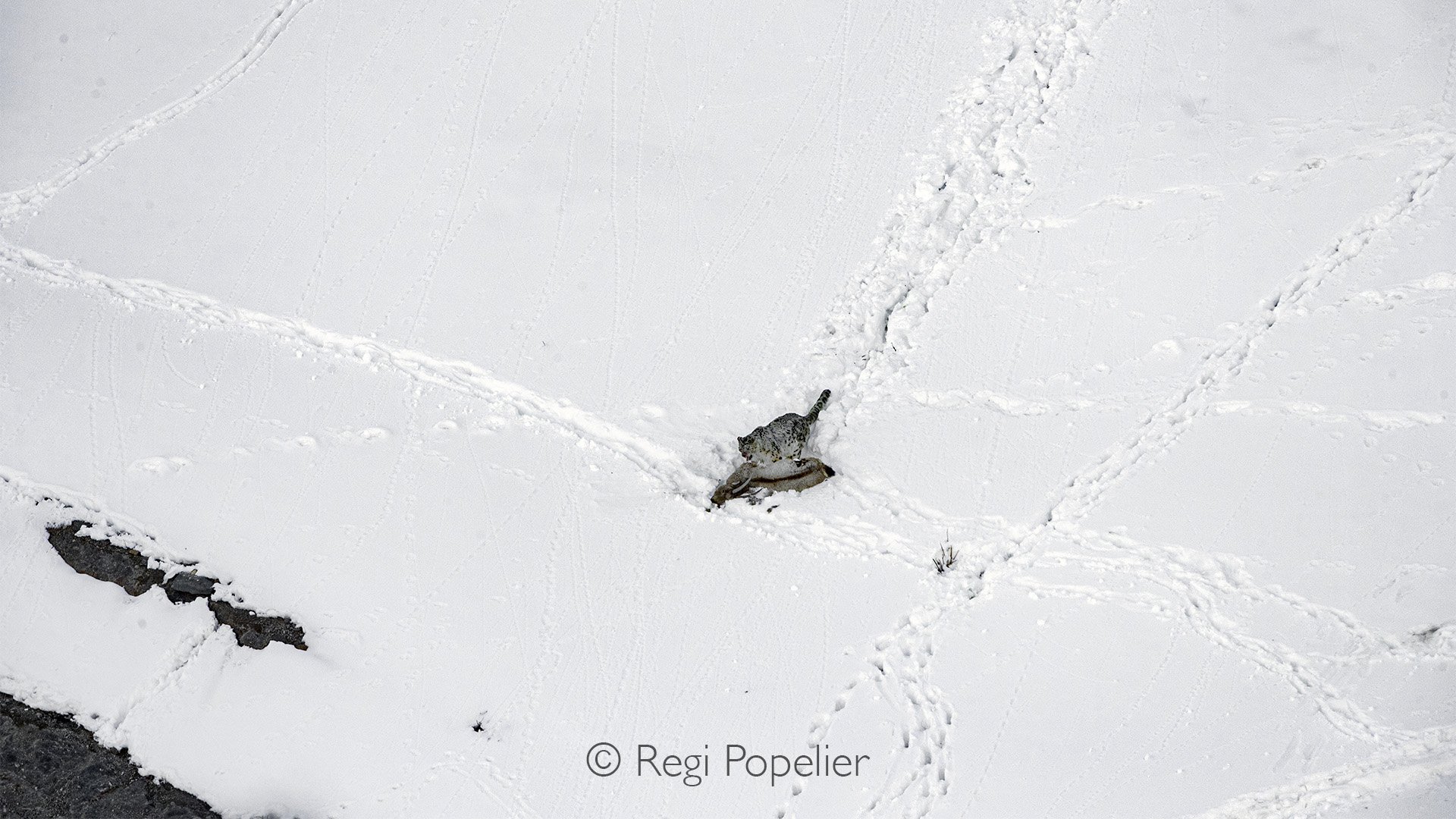
HIMA041 - Here I had to use once more the converter 2x and the prime lens 600mm in combination with a tripod.
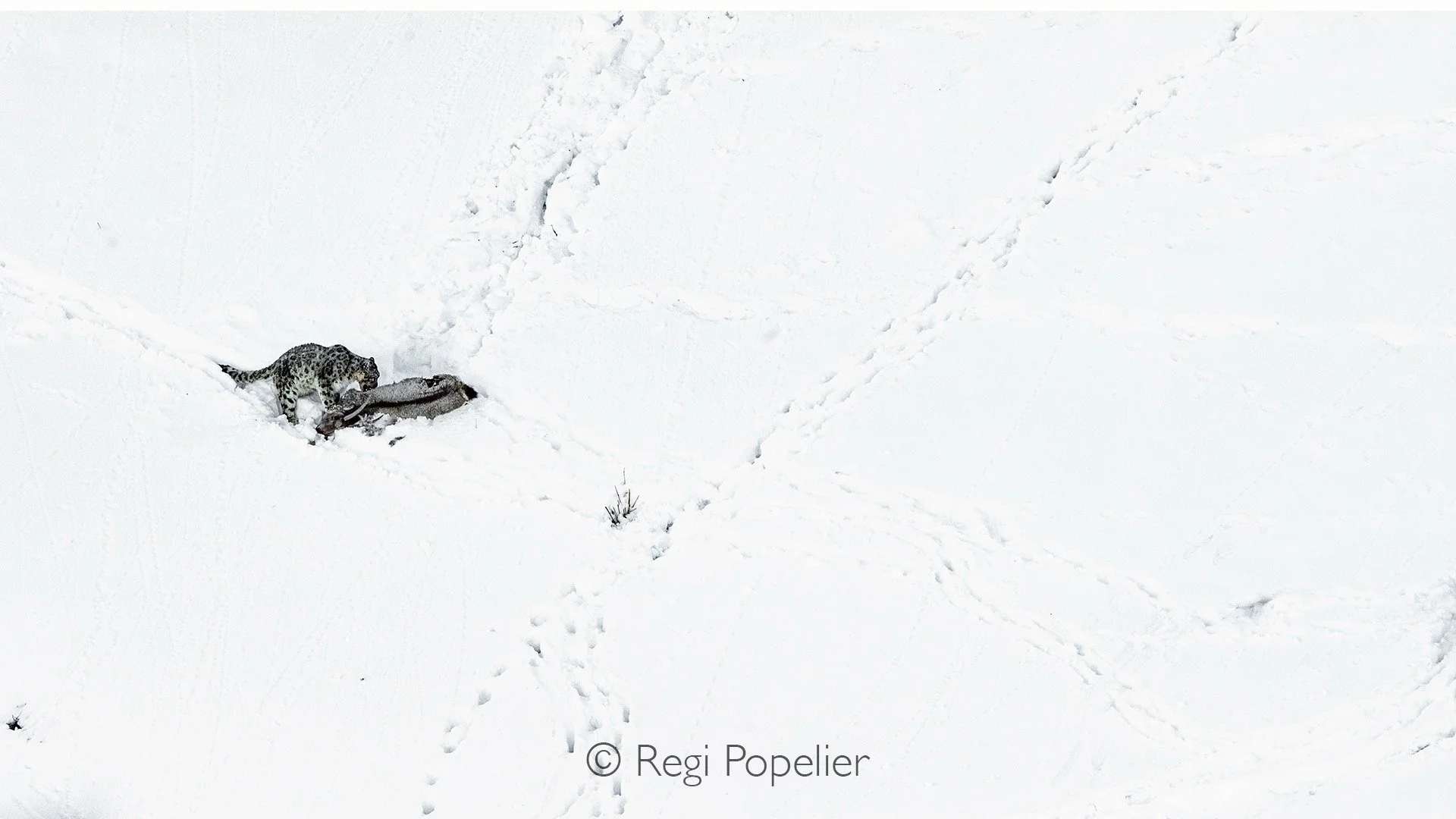
HIMA042 - Feeding on his prey.
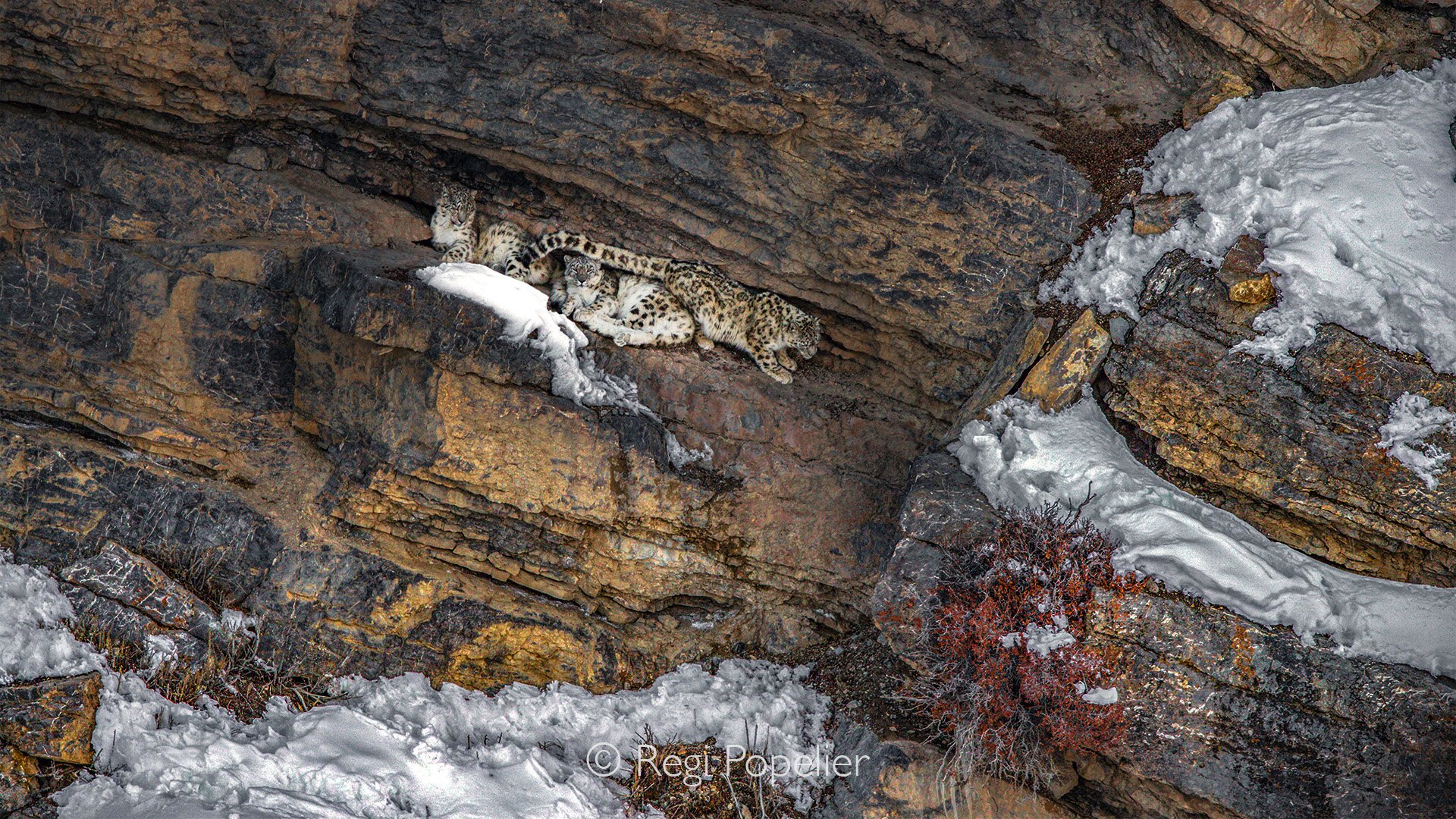
HIMA043 - Mother with her 2 nearly adult cubs, hidden and safe for the upcoming snow storm.
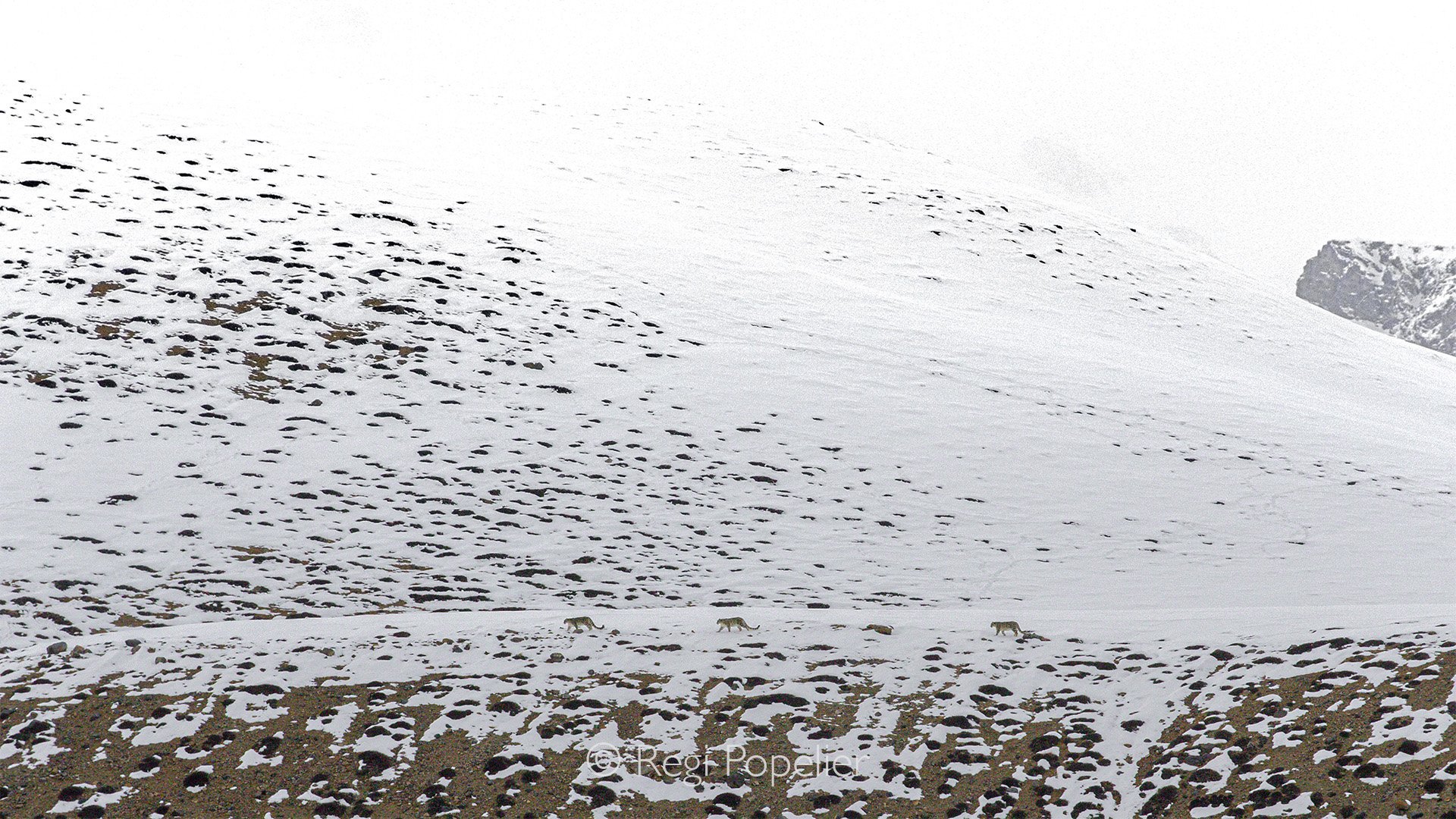
HIMA044 - At evening on the way back to their sleeping grounds.
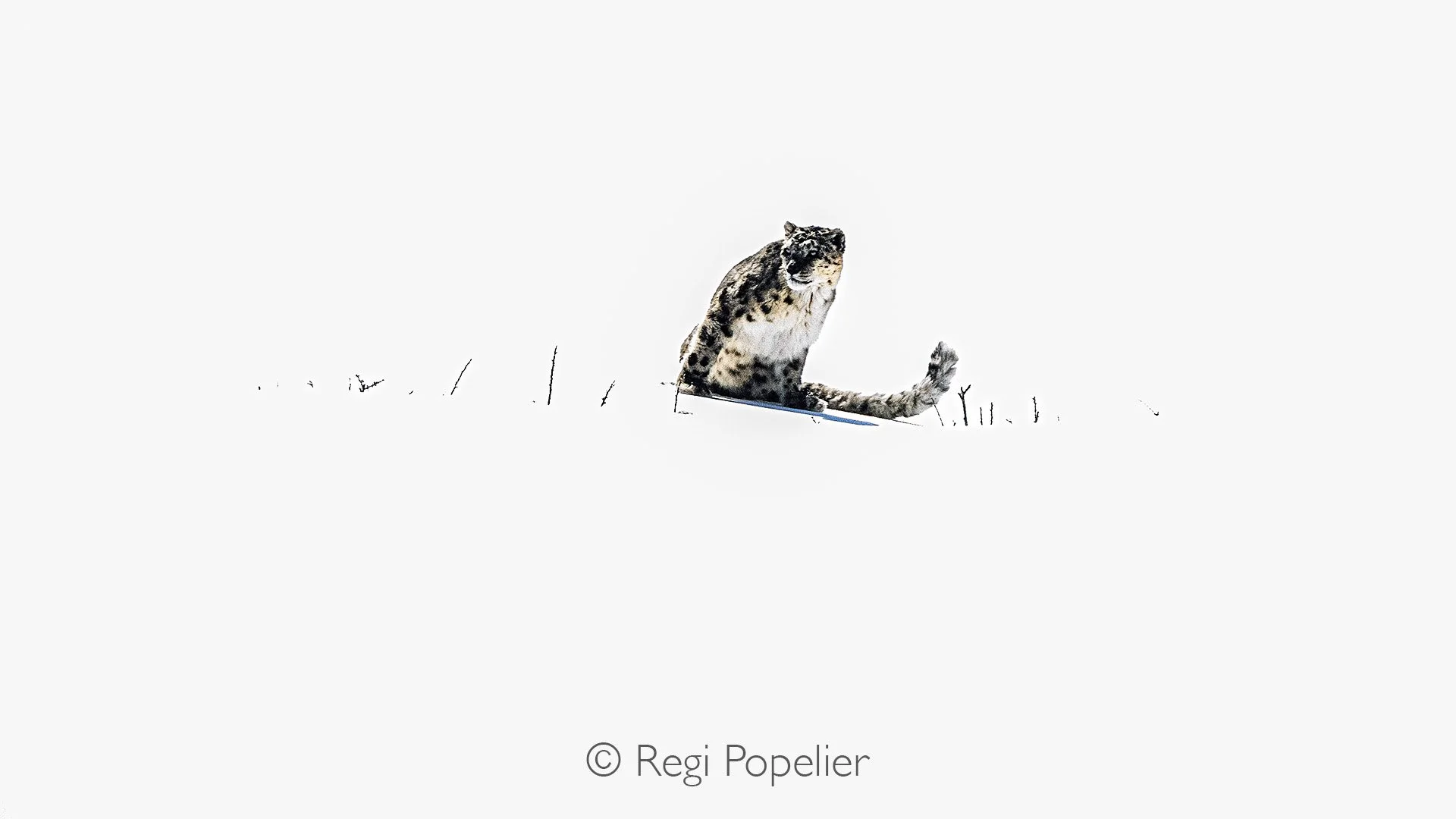
HIMA045 - Very early in the morning, this male snow leopard appeared. I was completely overwhelmed, never expecting him to show up! My camera settings were far from ideal, but I was too excited to even think about this.
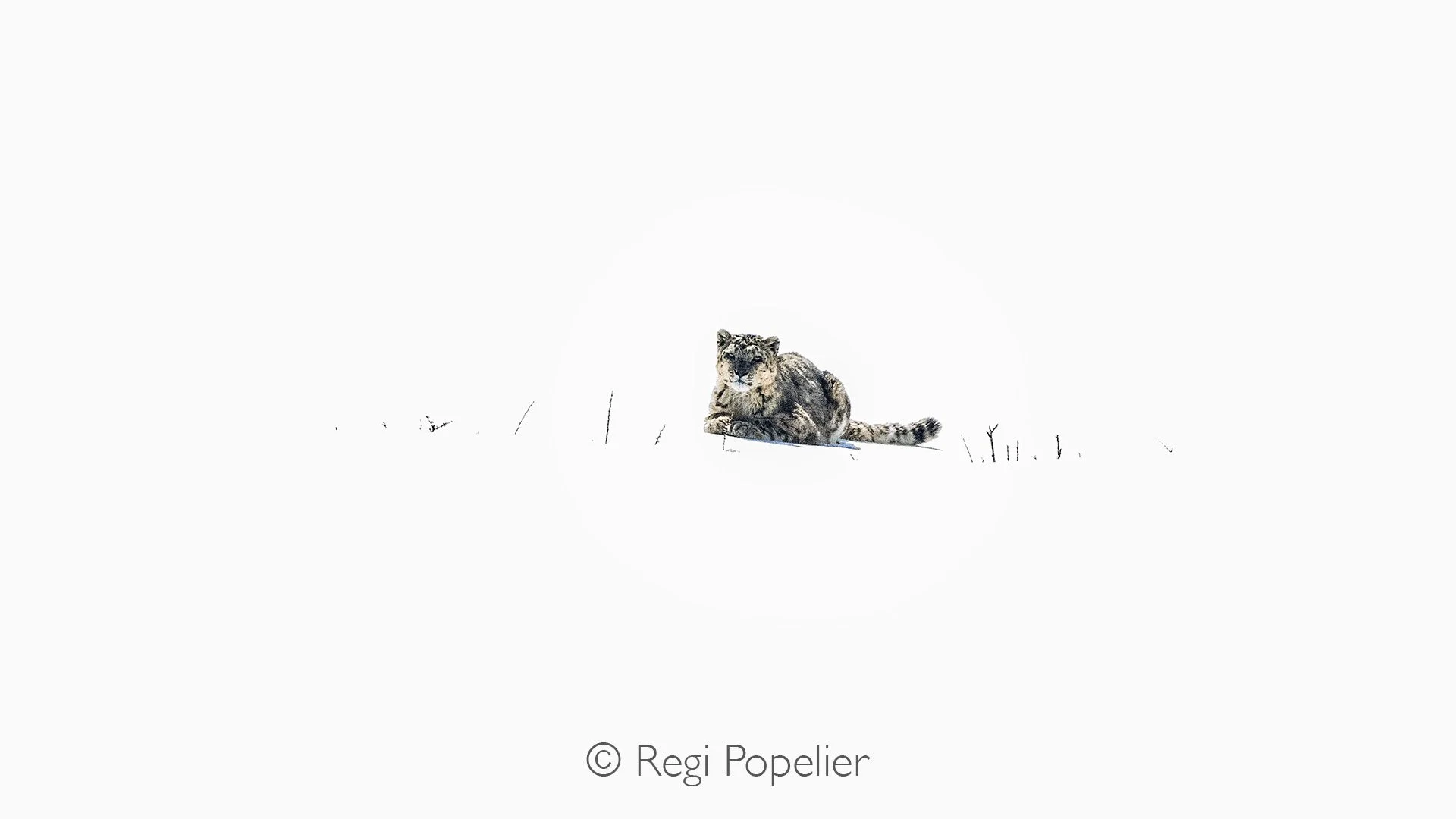
HIMA046 - i was so impressed to find this male in my proximity about 100 m.
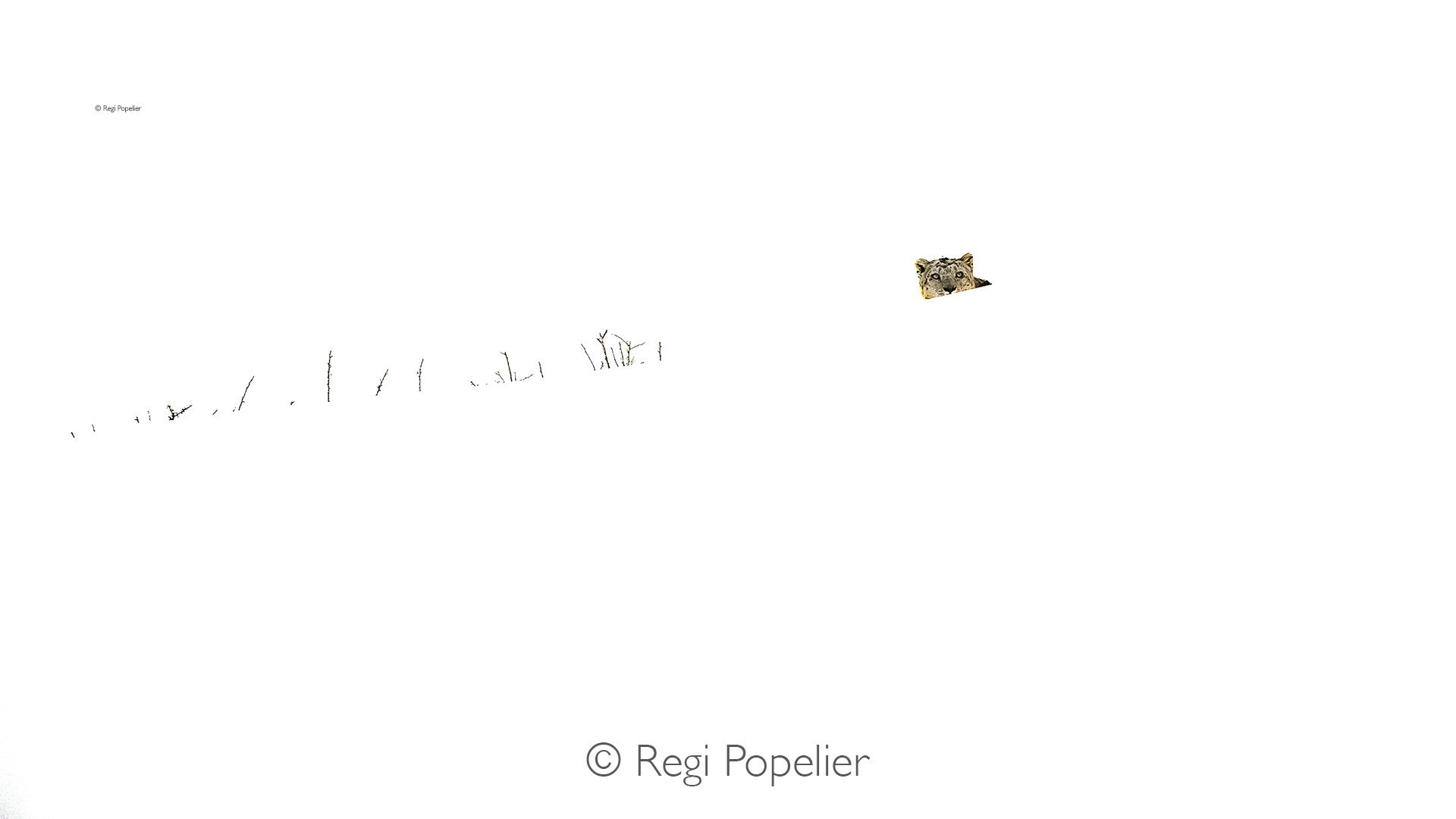
HIMA047 - This is the result of an over exposed photograph, but I am still happy with it.
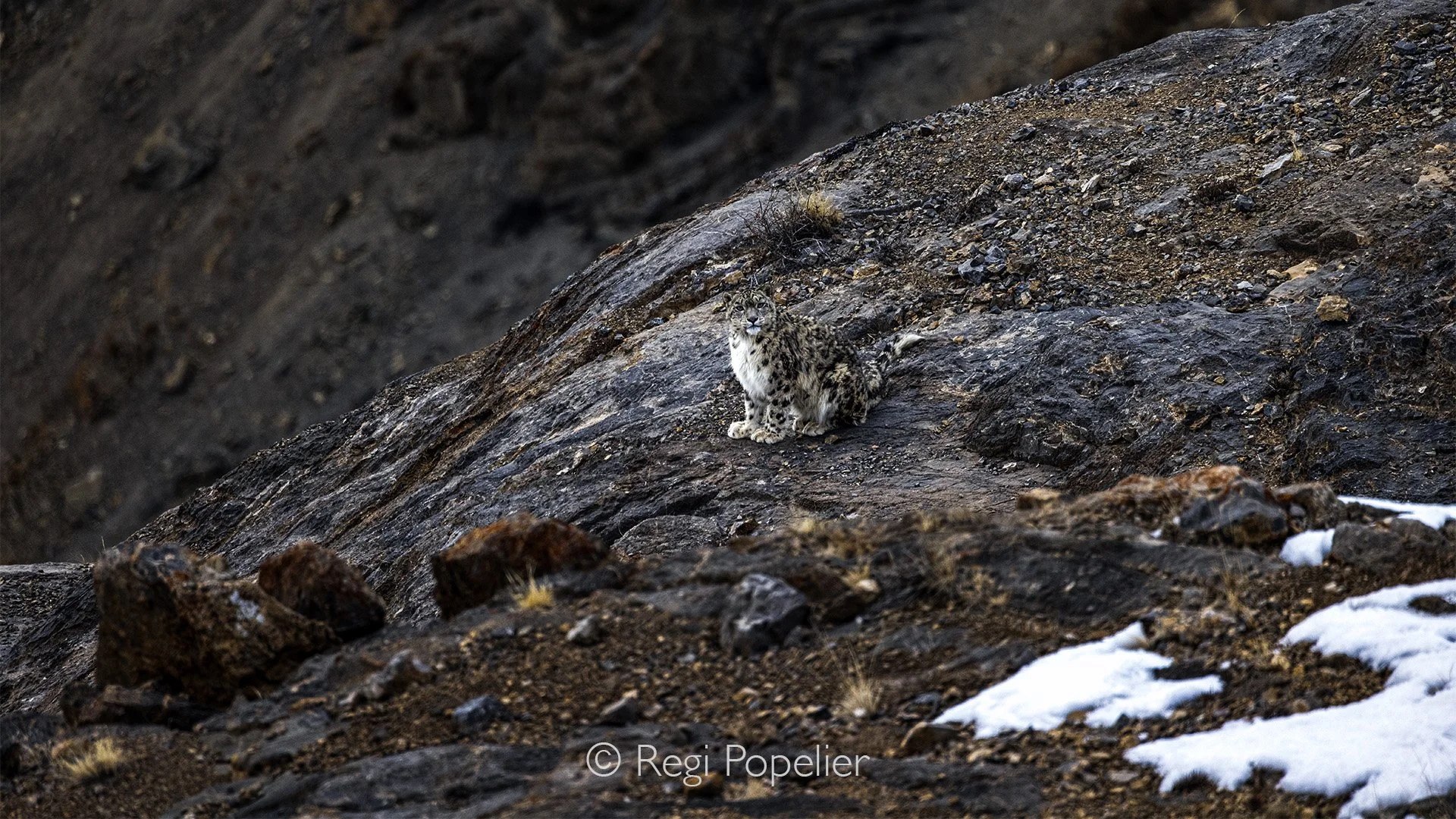
HIMA048 - Blending in while posing.
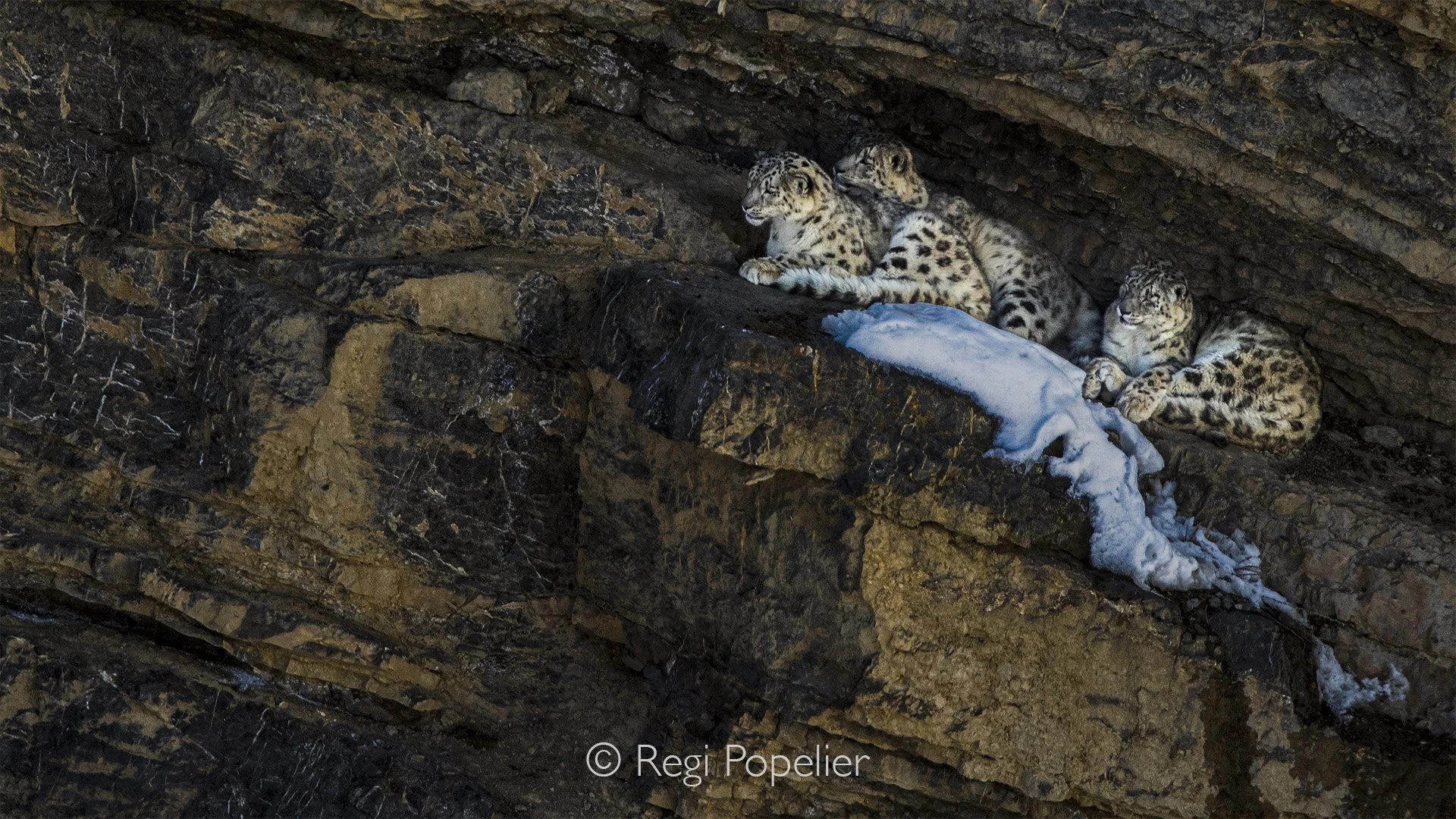
HIMA049 - On the other side of the canyon , they stayed there t'ill late afternoon.
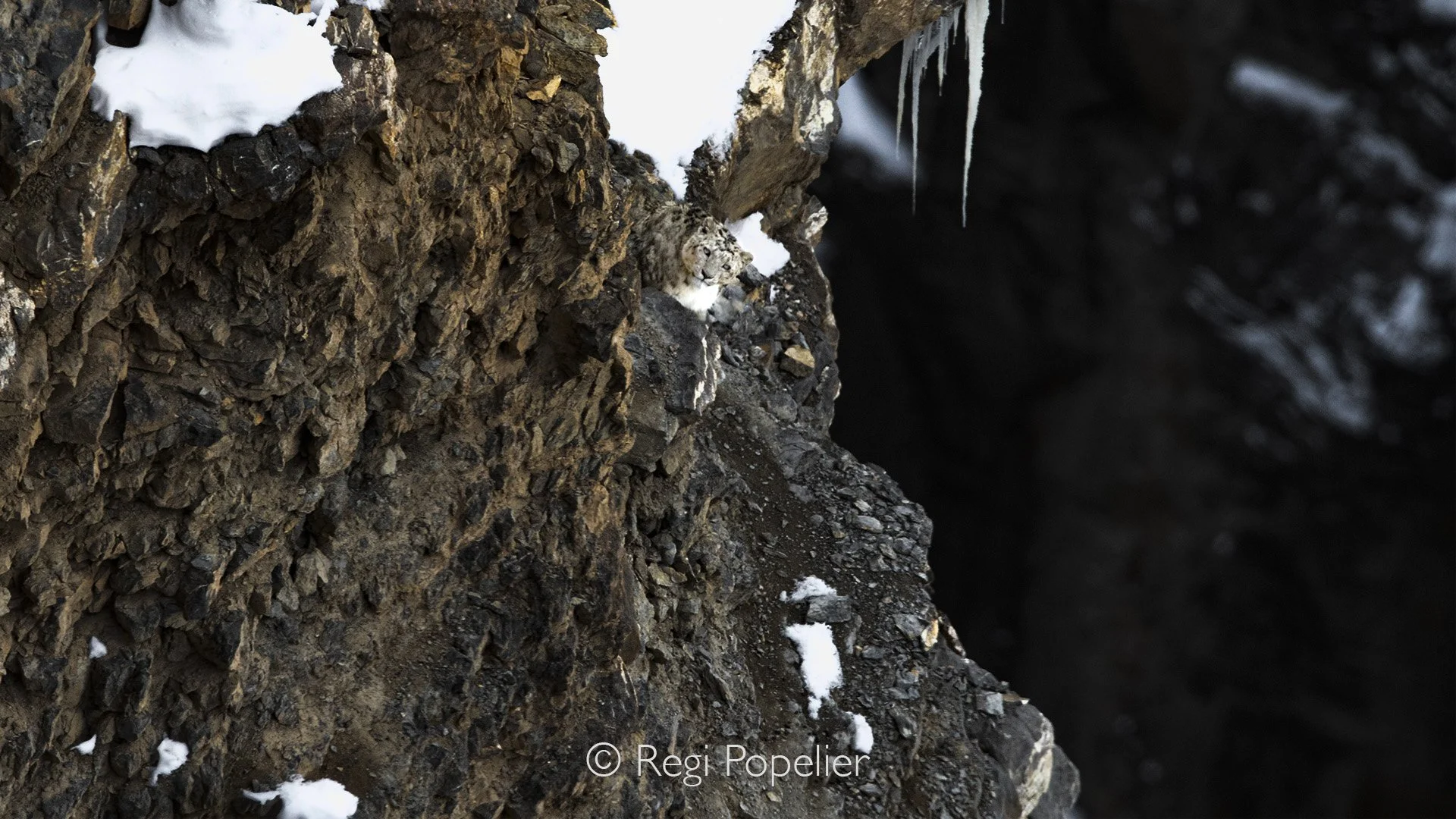
HIMA050 - Another image of these elusive animals , they blend in so well and mostly you do not even are aware that they are in your proximity.
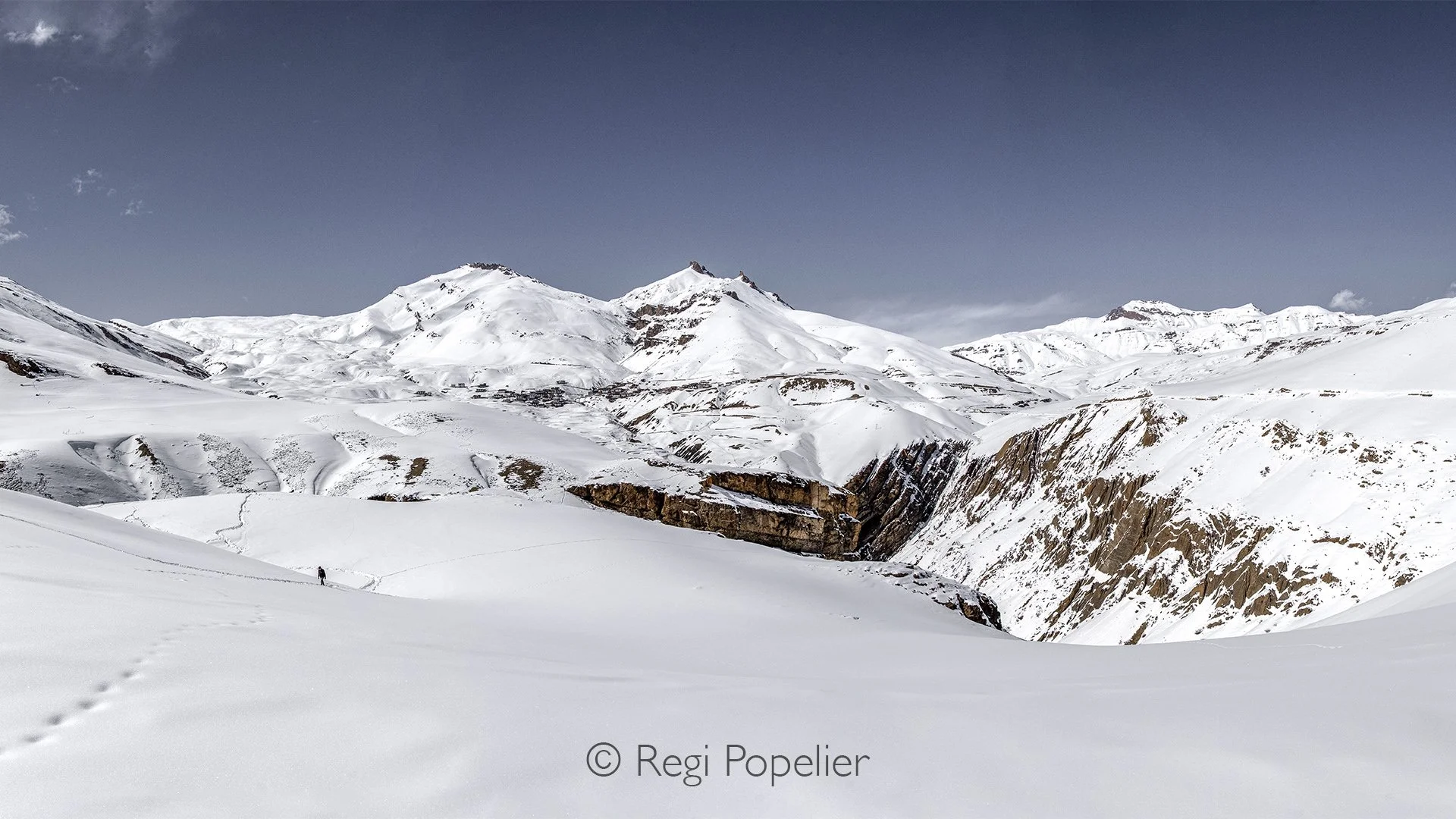
HIMA051 - Even if it is hard to move forward, finding yourself in a extended and majestic area like this is a dream, every effort word of it.