Where Wildlife Comes Close
I have travelled to Brazil three times, and each journey revealed a very different side of the country.
My first visit was with my partner Carly, exploring Iguazú Falls from the Brazilian side. From the ground, the sheer volume and power of the water were overwhelming; from a helicopter, the falls became something entirely different, an immense landscape carved into the forest, revealing a scale impossible to appreciate from below.
My second journey, with my friend and fellow photographer Vincent Verstraete, took us into the Pantanal, with one clear objective: wildlife photography.
We had arranged and paid for a guide in advance, but on arrival Elionil told us that the original agreement would not be honoured and that his price had increased by 50%. We decided to continue, but the photographic experience quickly became disappointing. When jaguars were reported, boats normally moved rapidly towards the sighting. Elionil sometimes chose to paddle instead, and by the time we arrived, the animals had disappeared. On another occasion, he simply decided that we had taken enough photographs for the day.
Eventually, I decided we could not continue like this.
Then came an unexpected change of fortune.
At our lodge we met Carlos from Pantaneiros Tours, who invited us to join a barbecue. During the evening, our conversation naturally turned towards wildlife and photography. I explained our situation and asked whether he could take over our programme.
Three days later, he did.
The difference was immediate. Carlos understood that we were not simply looking to see animals. We wanted to photograph behaviour, atmosphere and decisive moments. With his knowledge and enthusiasm, the Pantanal opened up: giant anteaters, tapirs, caimans, blue-and-yellow macaws, wading birds and giant river otters all became part of the journey. At night, the clear skies offered another photographic world, with the Milky Way stretching above the wetlands.
The Three Brothers River
Then came the Three Brothers River, where everything changed within seconds.
We had been watching a jaguar from the boat, following its movements without knowing what it intended to do. The animal remained close to the water, apparently calm. Then its attention shifted towards an alligator.
There was a brief pause, almost as if the entire scene had stopped.
The jaguar moved.
In one sudden movement, it launched itself from the tree towards the alligator below. For a fraction of a second, the two animals seemed suspended above the water before the jaguar dropped towards its target.
We were extremely close.
There was no time to think about composition or settings. We simply reacted, cameras firing as quickly as possible while the boat rocked beneath us. The action was over almost before we understood what we had witnessed.
Only afterwards did the excitement give way to the fact of how extraordinary, and how close, the encounter had been.
For a wildlife photographer, these are the moments you wait for: not because they can be predicted, but because when nature suddenly erupts into action, instinct has to take over before thought has time to catch up.
My third journey took me deeper into Brazil, to the Amazon and Mamirauá Reserve, where I stayed at Uakari Lodgein search of the elusive white uakari monkey. Because of the exceptionally high water level, the usual possibilities for exploring the reserve were severely limited, leaving us with a five day boat journey as our only option.
Five days on the water sounds like an extraordinary photographic opportunity, but the reality was very different. The vast flooded forest seemed to stretch endlessly around us, and wildlife could remain hidden for hours, even days. I spent much of the time scanning the trees, watching the riverbanks and waiting for something to emerge from the dense vegetation.
During those five days, I had only two brief moments when a genuine photographic opportunity presented itself.
It was frustrating, but also strangely instructive. In a place as immense as the Amazon, simply being there does not guarantee a photograph. The forest decides what it reveals and when. After the intensity of the Pantanal, where a jaguar could erupt into action within seconds, the Amazon demanded a completely different kind of patience.
Sometimes the most honest wildlife photograph is preceded by hours, or days, of seeing almost nothing. And when that brief moment finally arrives, you understand why you kept looking.
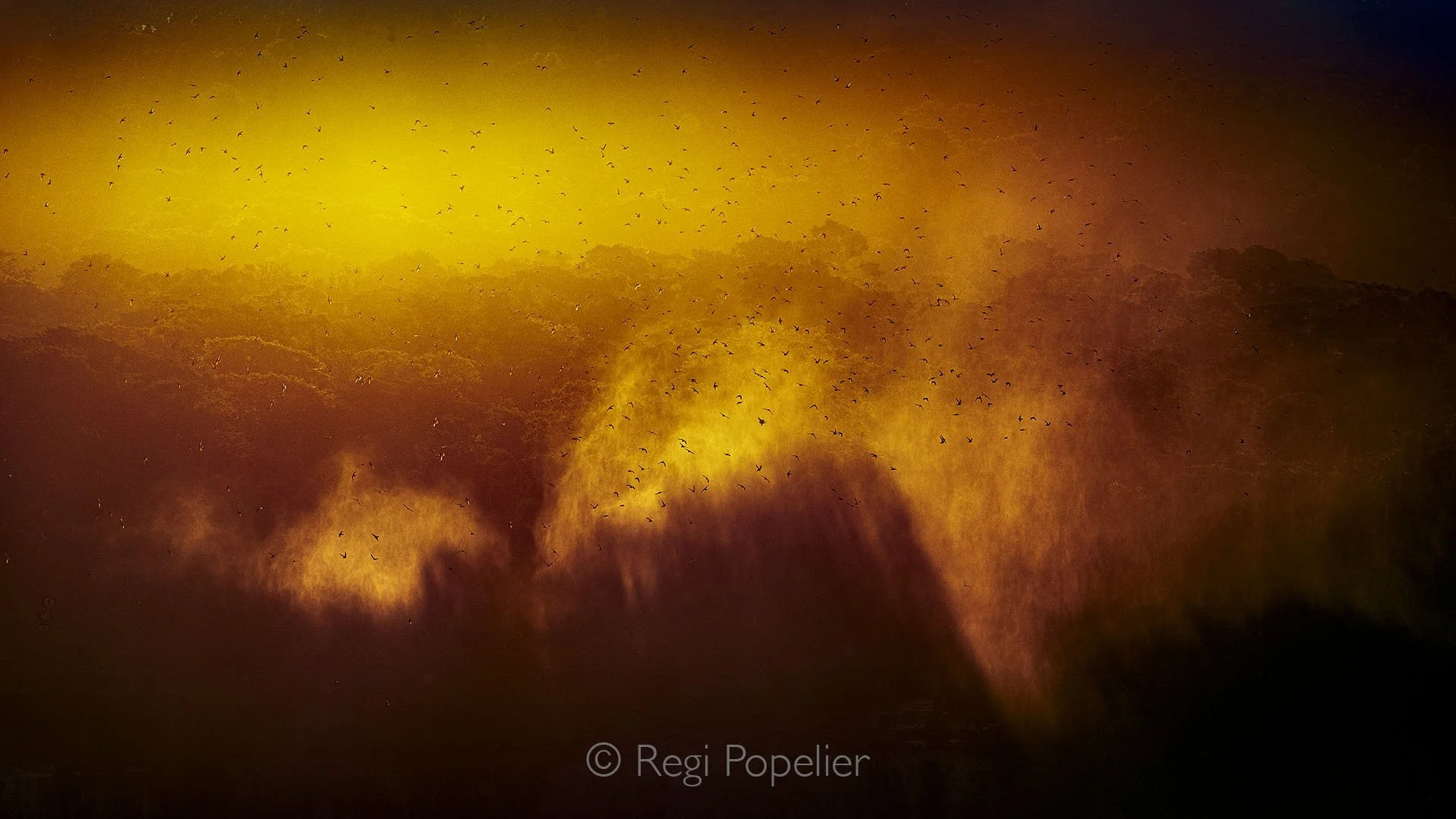
BRA001 - As the sun sets and golden light melts into the foaming water, thousands of swallows rise from their nests, sweeping across the evening sky in search of insects. A fleeting, breathtaking moment where nature moves as one wild, rhythmic, and unforgettable.
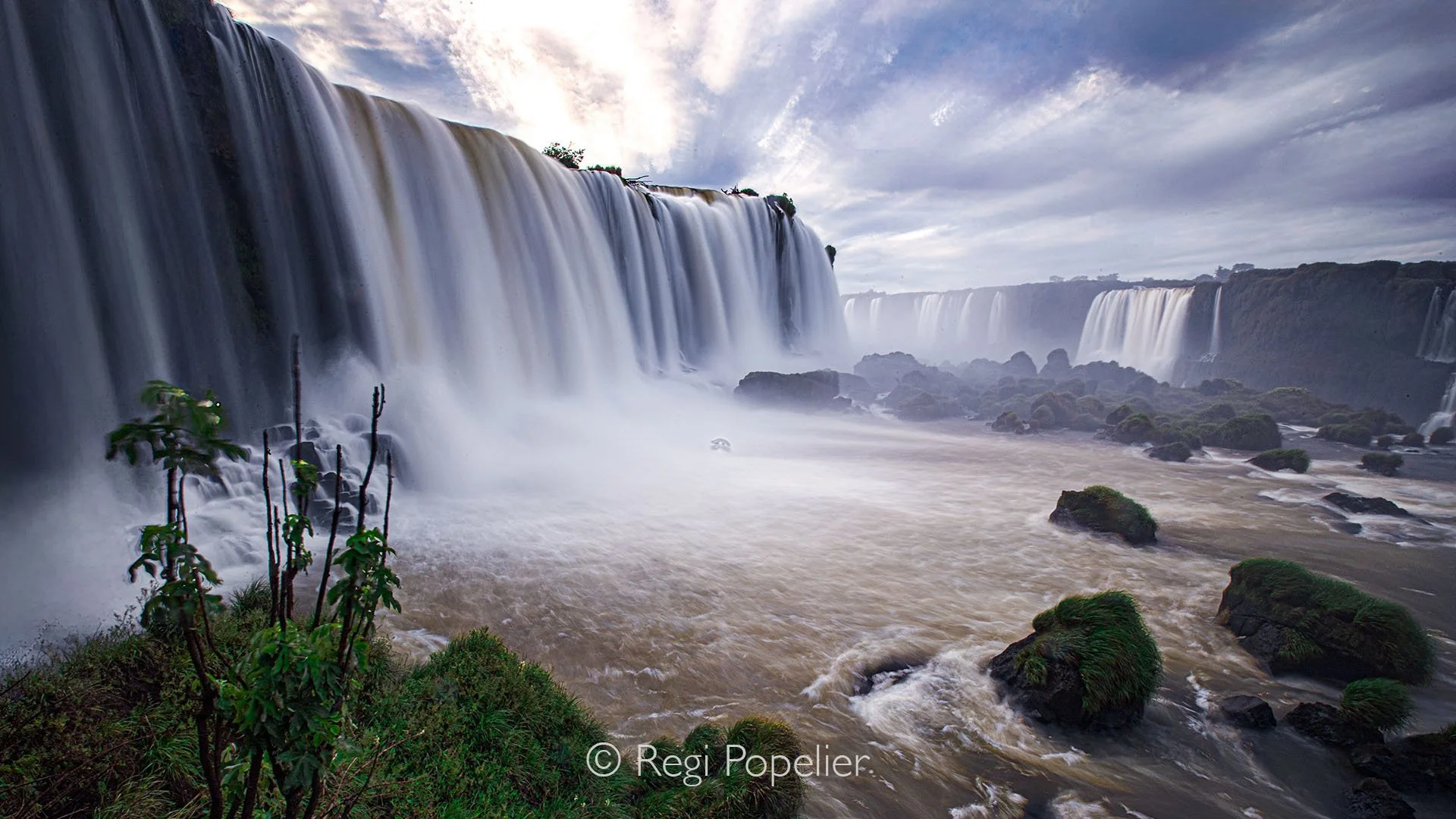
BRA002 - Amazing view of Iguassu Falls from the Brazilian side, where immense power meets misty beauty, and the roar of water echoes through one of the world’s greatest natural wonders.
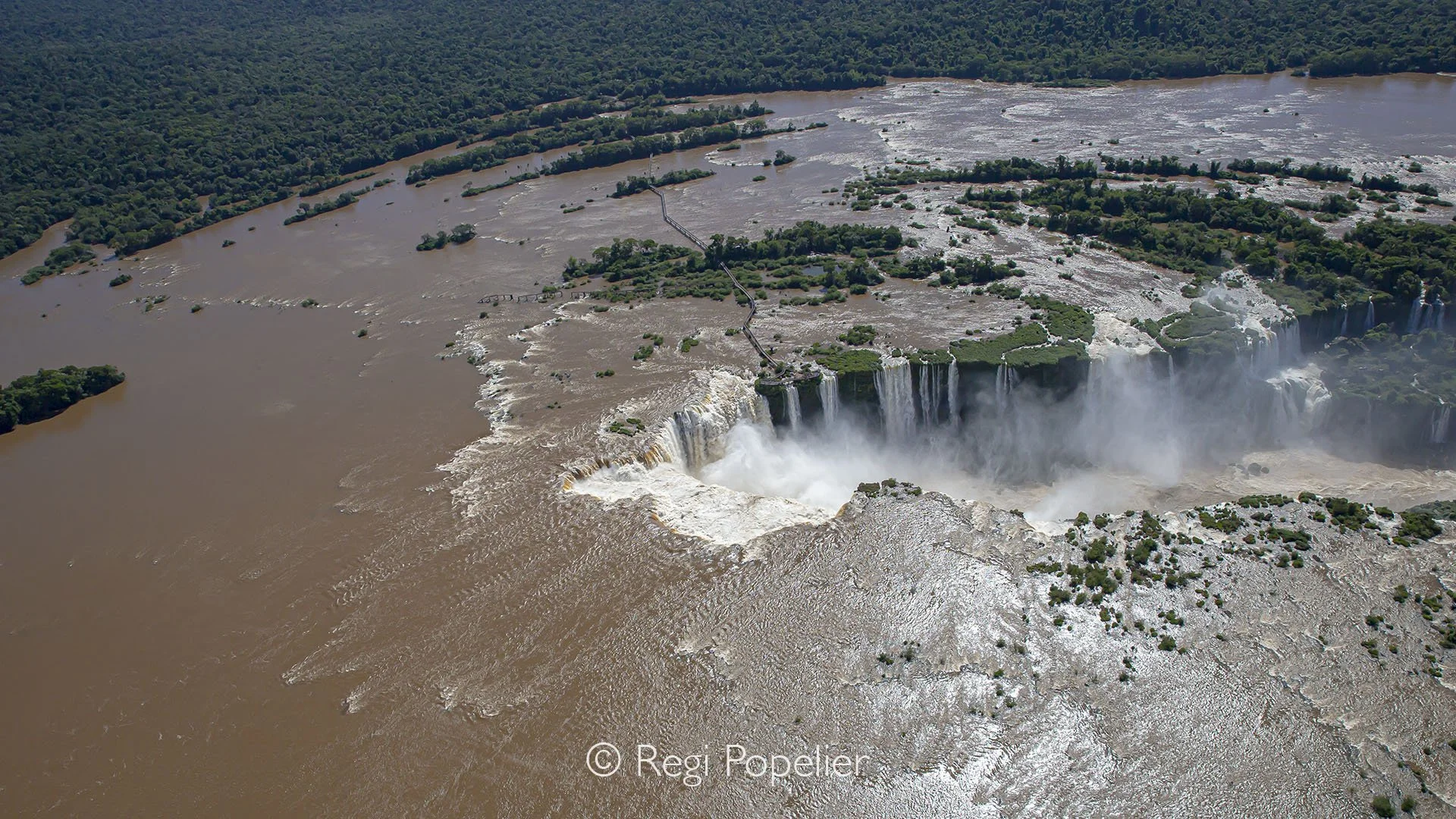
BRA003 - Helicopter perspective over Iguassu Falls reveals the true scale of this natural giant and endless cascades, swirling mist, and raw power carved into the landscape, seen from above.
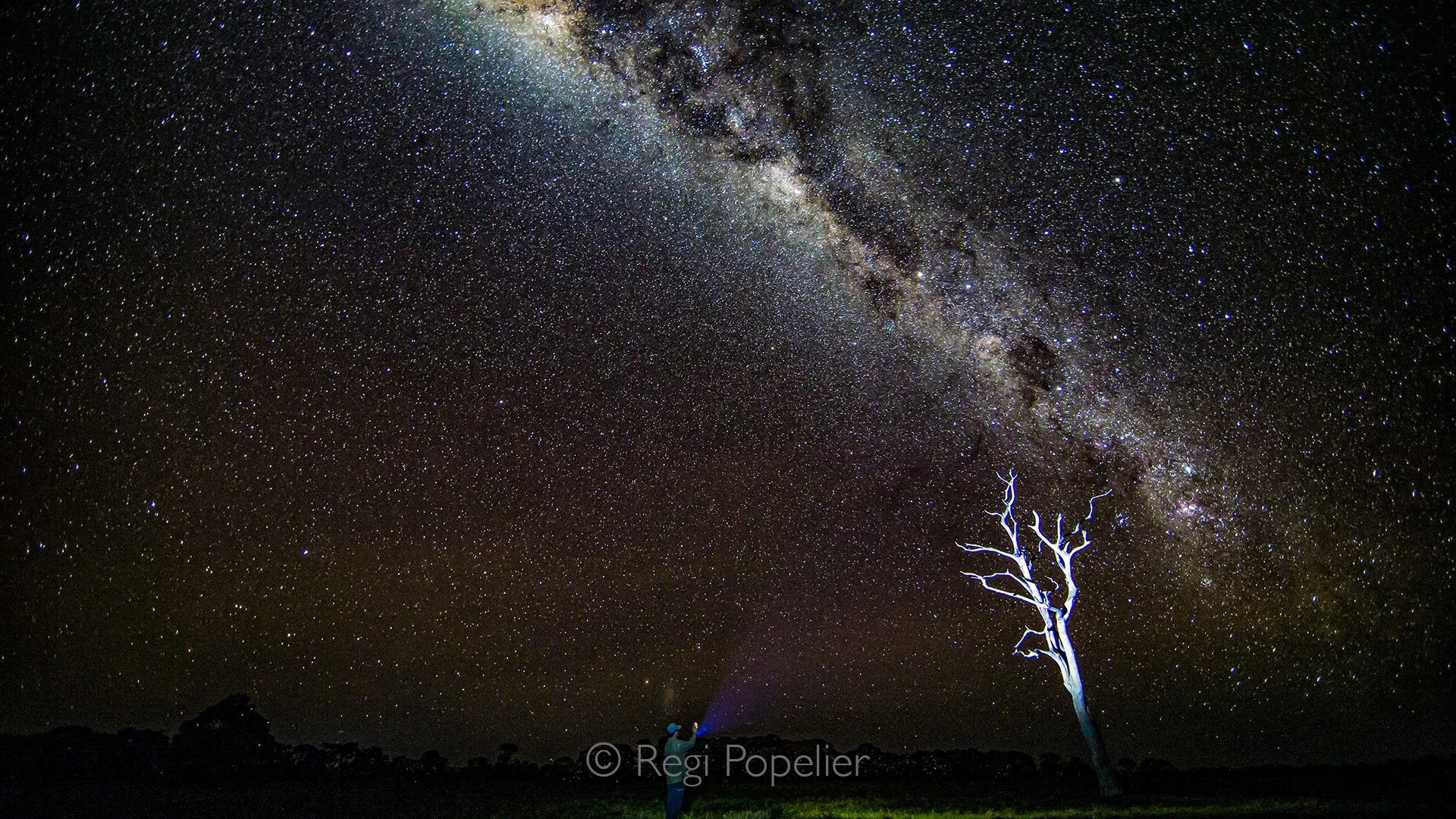
BRA004 - The Milky Way photographed at evening over the Brazilian Cerrado, where vast savannas fall silent and the night sky unveils a river of stars stretching across the horizon.
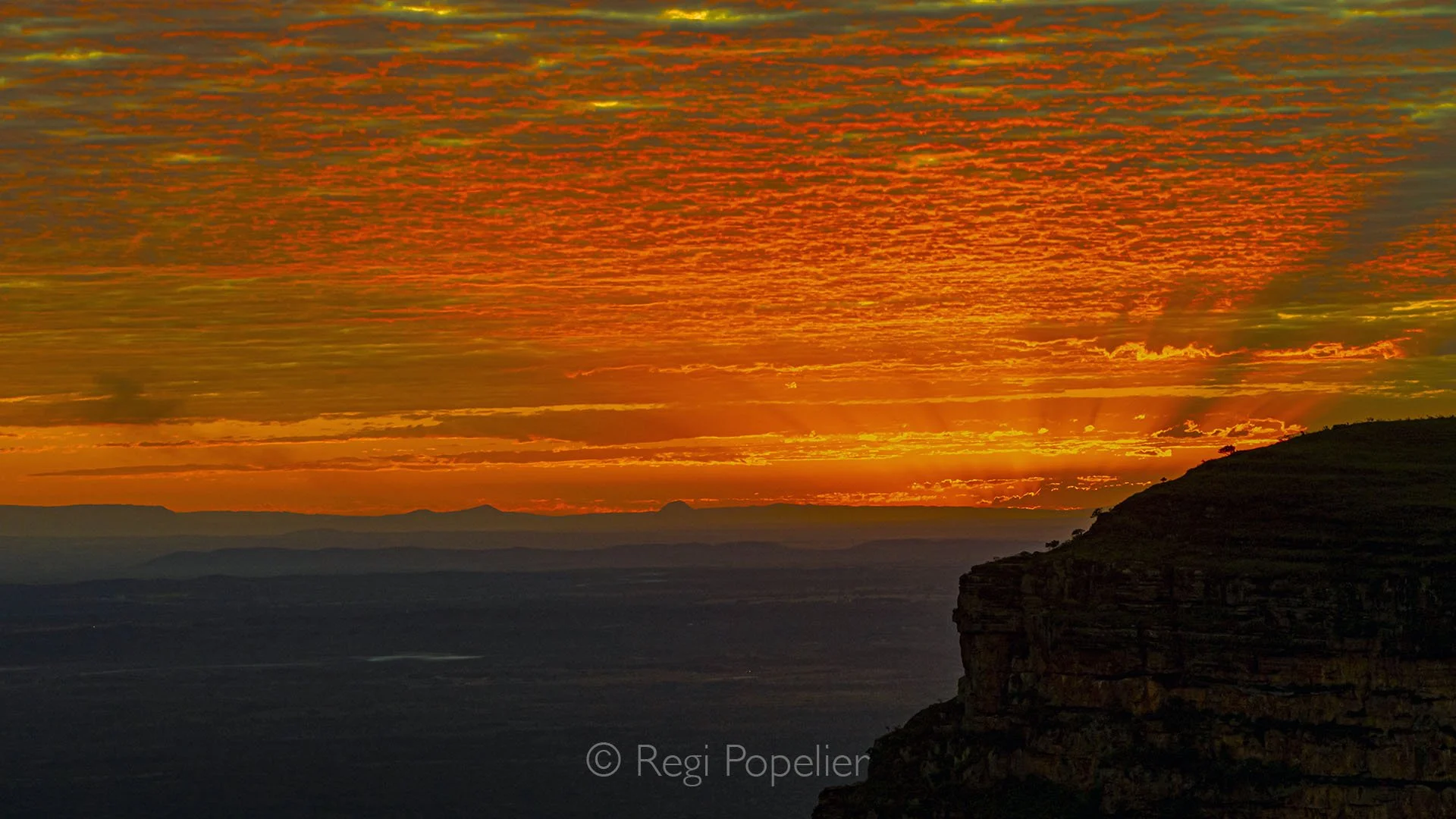
BRA005 - Golden light bathes the vast Cerrado as the sun sets, painting the savanna with warm hues and long shadows, a serene moment where earth and sky meet in perfect harmony.
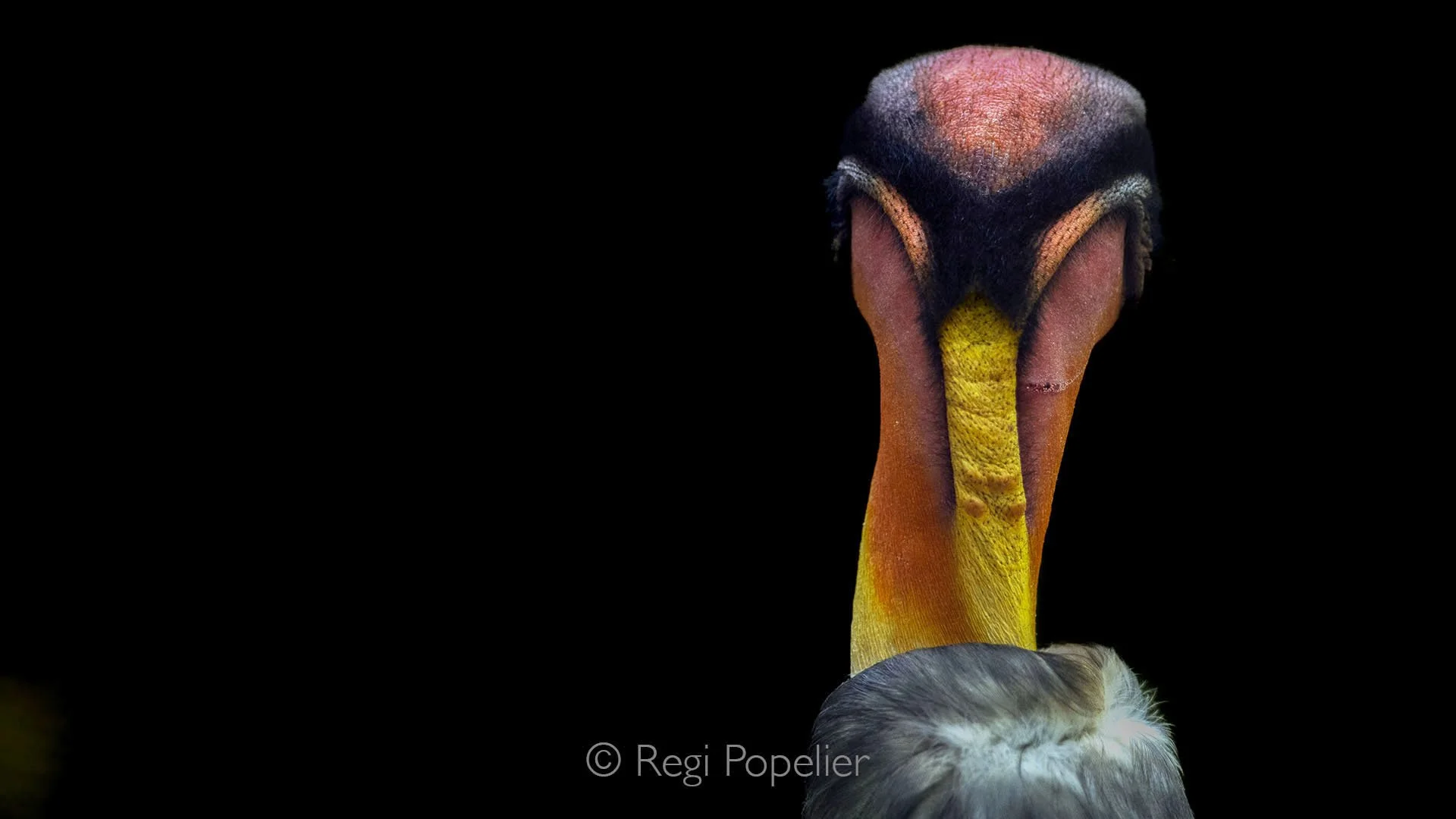
BRA006 - The stunning rays of color on the neck of a King Vulture, a vivid display of nature’s artistry.
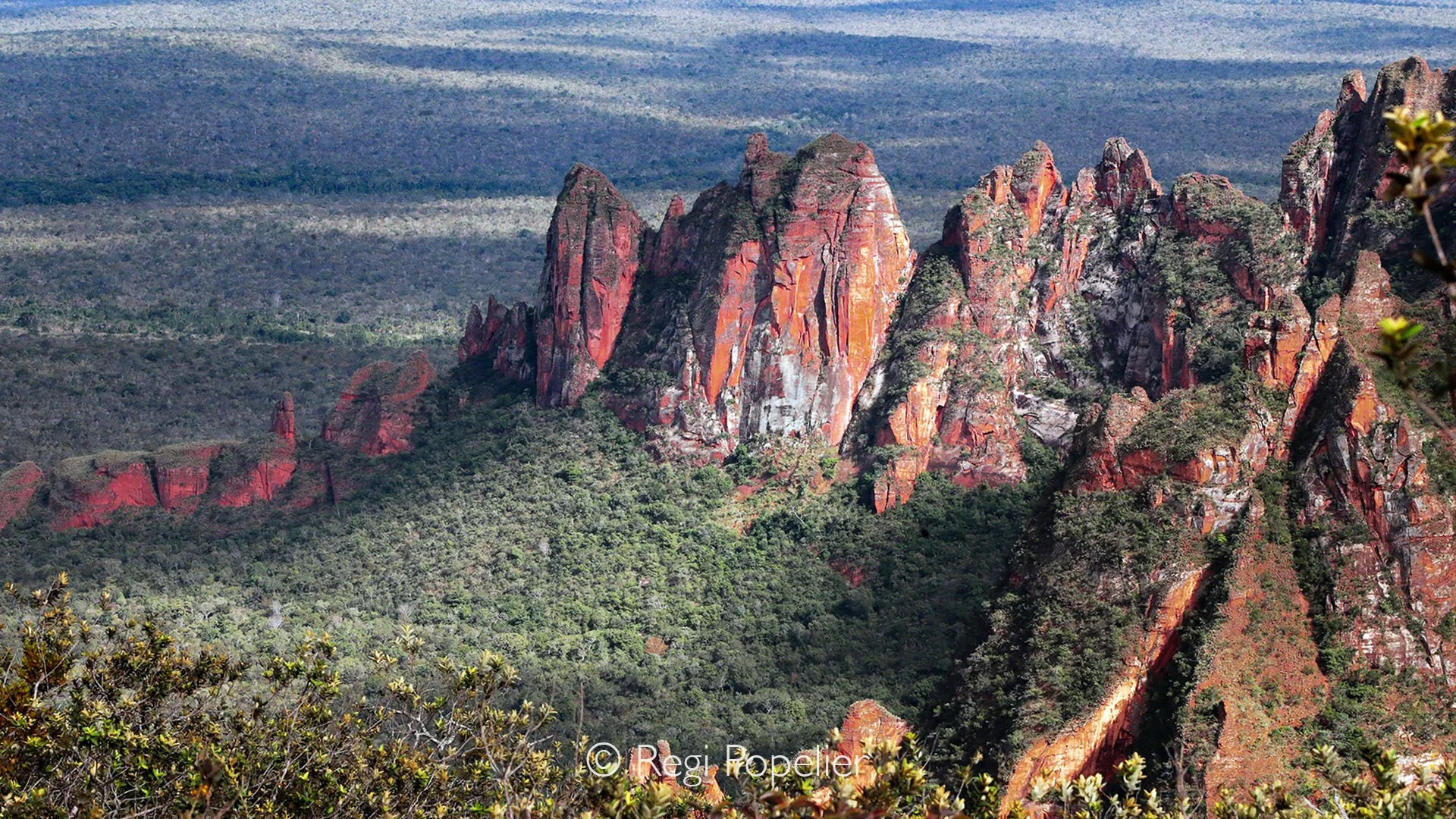
BRA007 - Breathtaking view of a section of the Brazilian Cerrado the vast savannas, unique vegetation, and endless horizons showcasing the raw beauty of this iconic ecosystem.
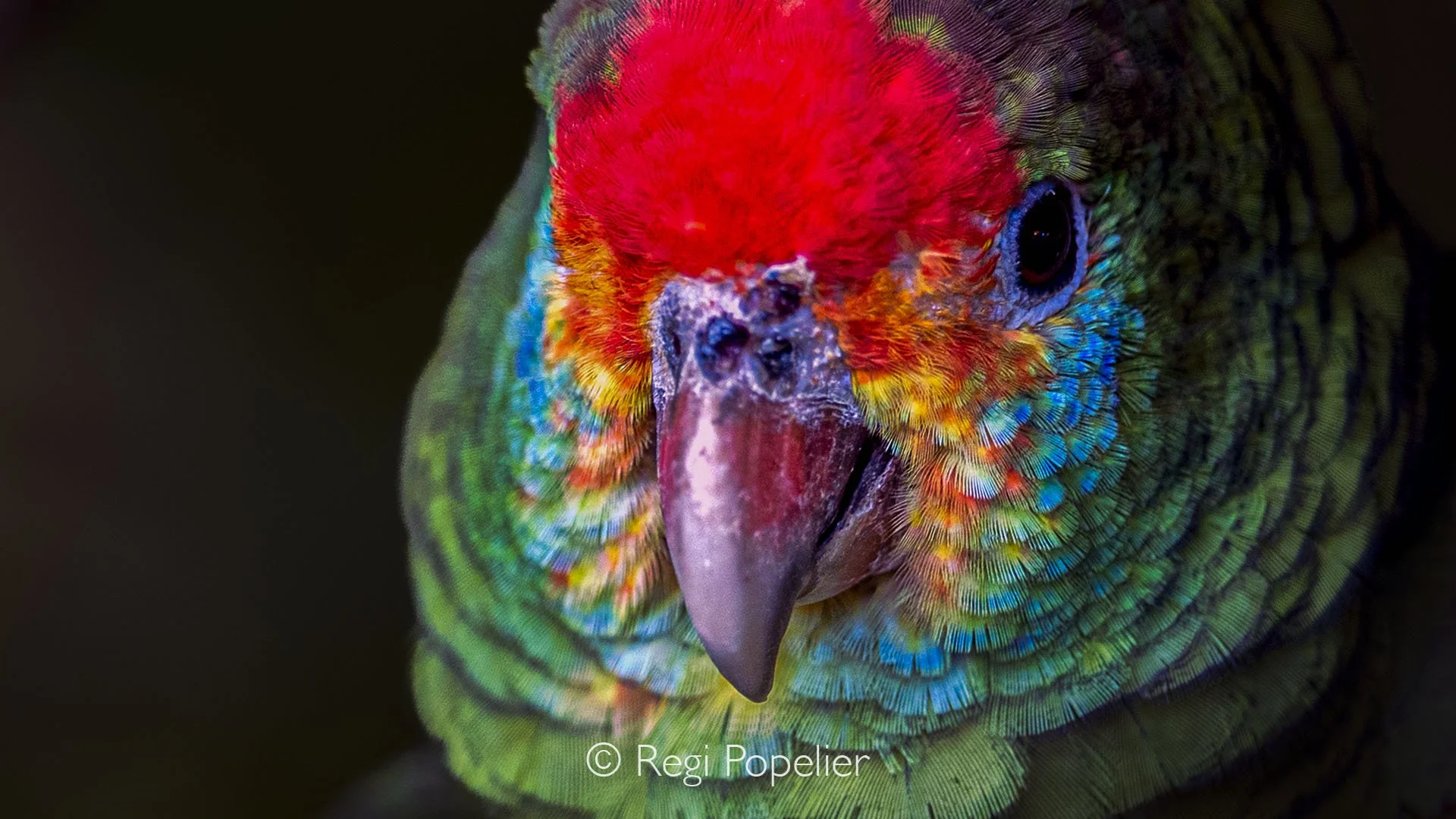
BRA008 - Detailed close-up of a Red-browed Amazon Parrot, showcasing its vibrant plumage, expressive eyes, and the intricate beauty of this charismatic tropical bird.
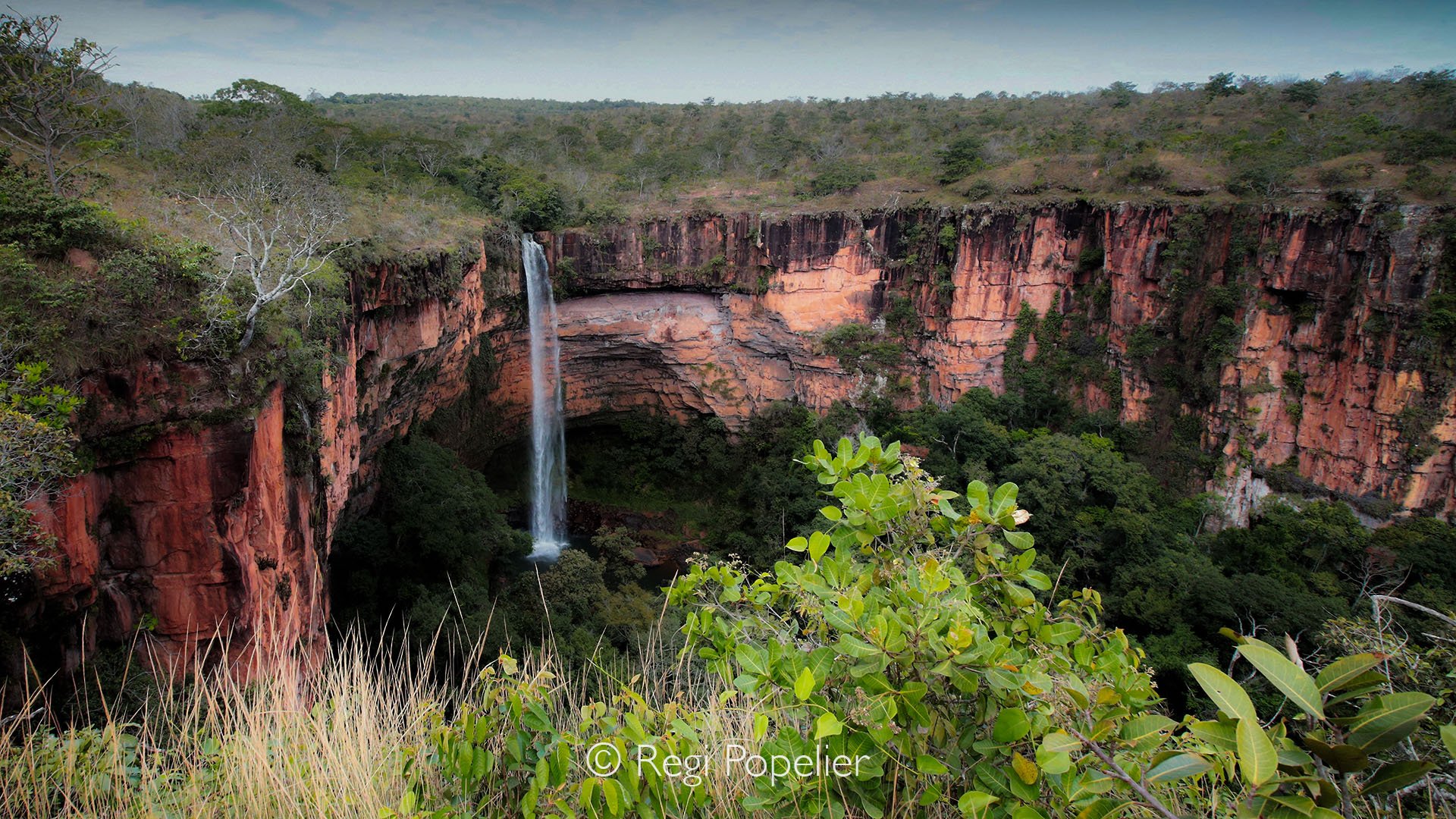
BRA009 - Serene view of the Cerrado with a sparkling water cascade, where golden savannas meet flowing streams.
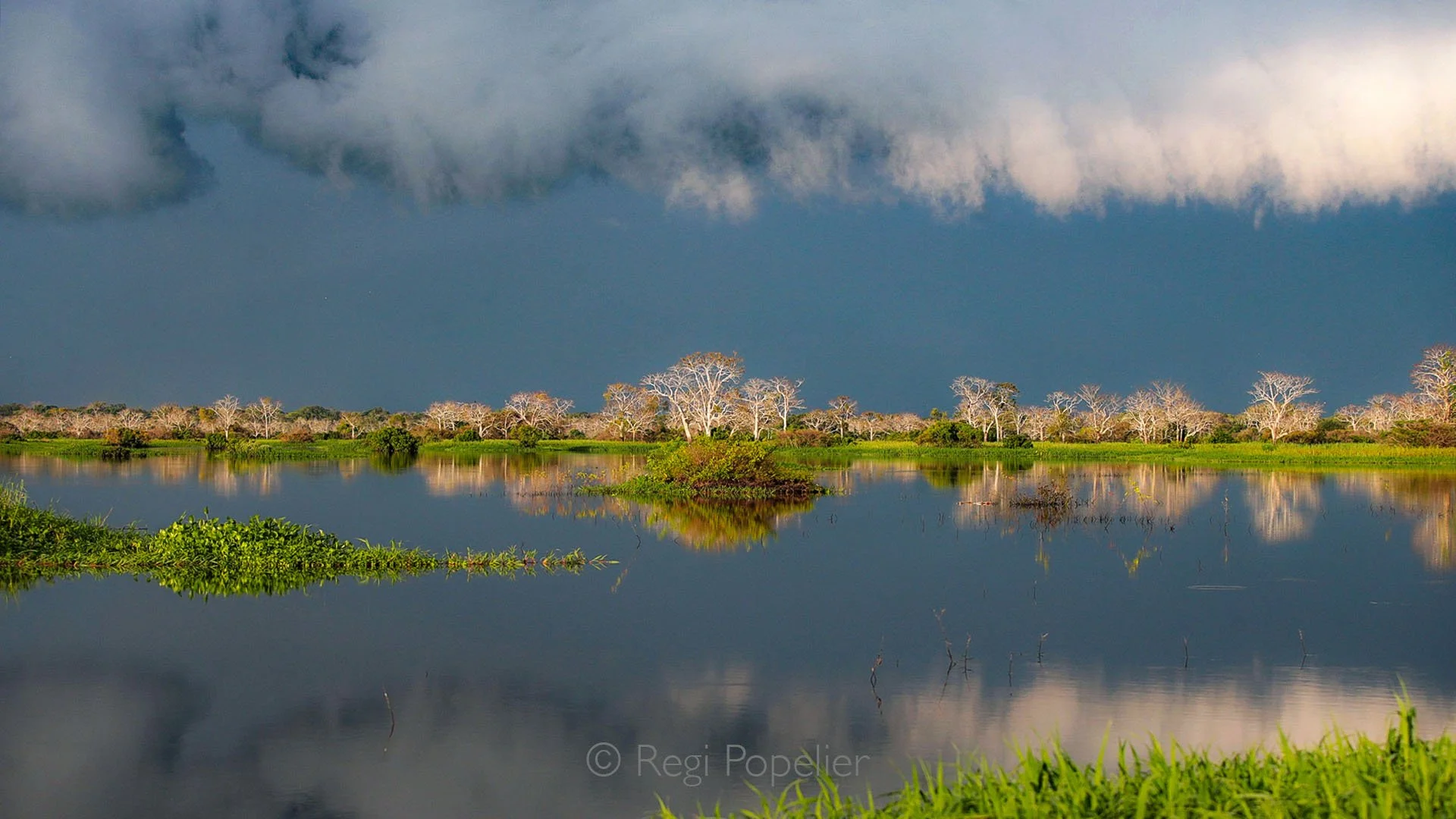
BRA010 - View of the Amazone ,a peaceful reminder of nature’s hidden treasures.
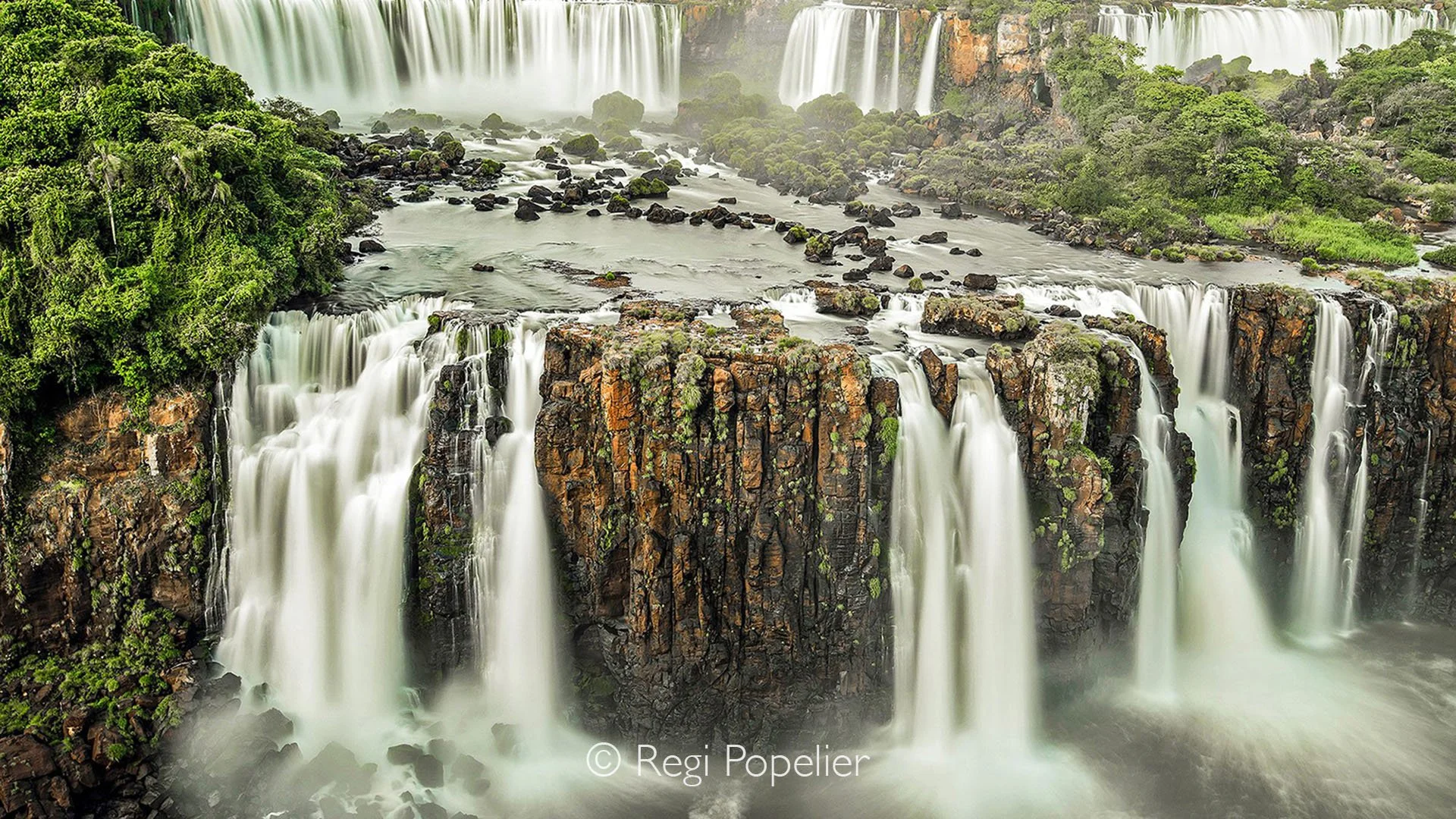
BRA011 - Mesmerizing cascade captured with a low shutter speed, where flowing water turns into silky ribbons. More of these images in the section Landscapes.
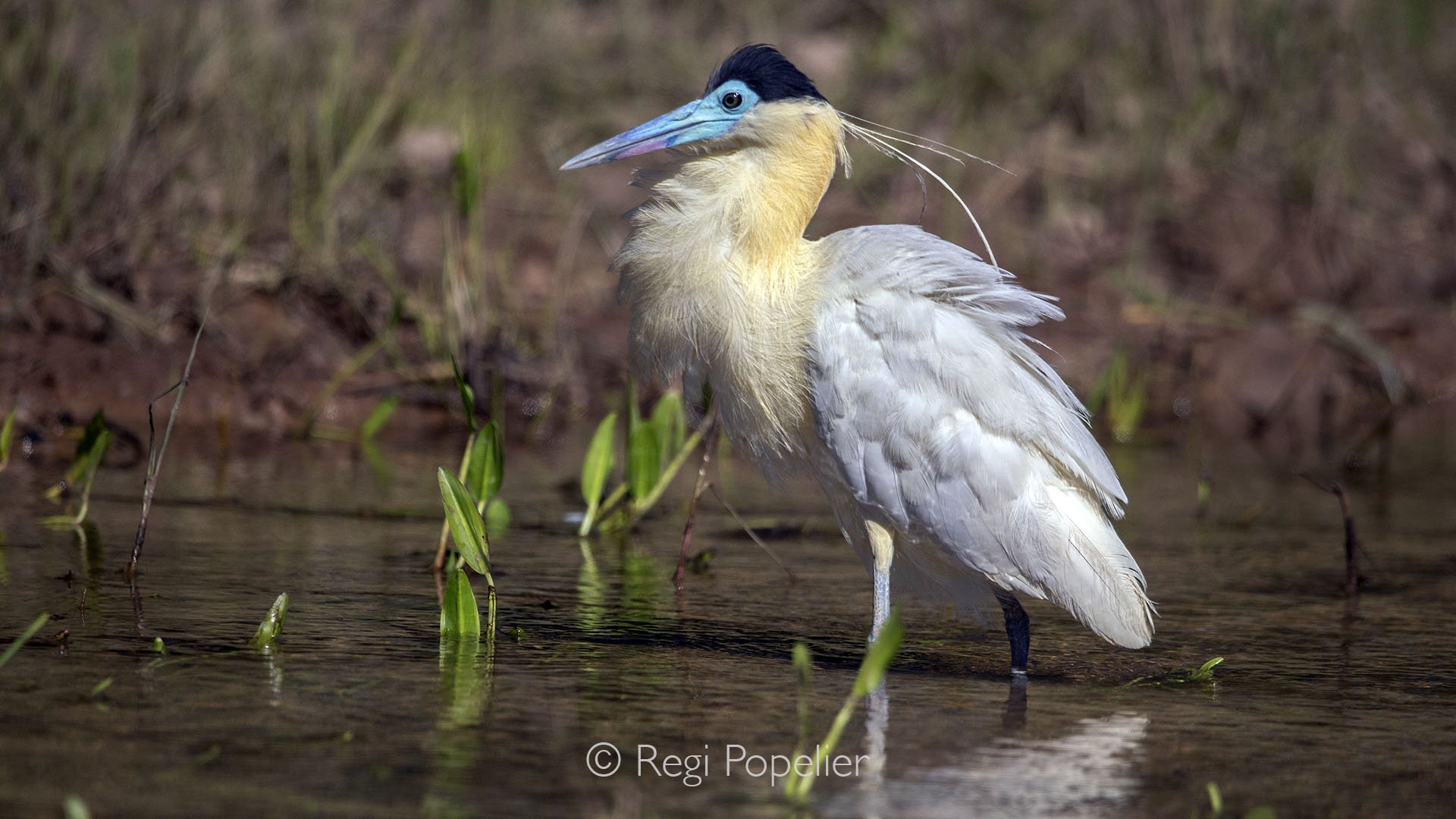
BRA012 - Stunning close-up of a Capped Heron, revealing the elegance of its pale plumage, striking features, and the subtle beauty of this tropical bird at the pantanal.
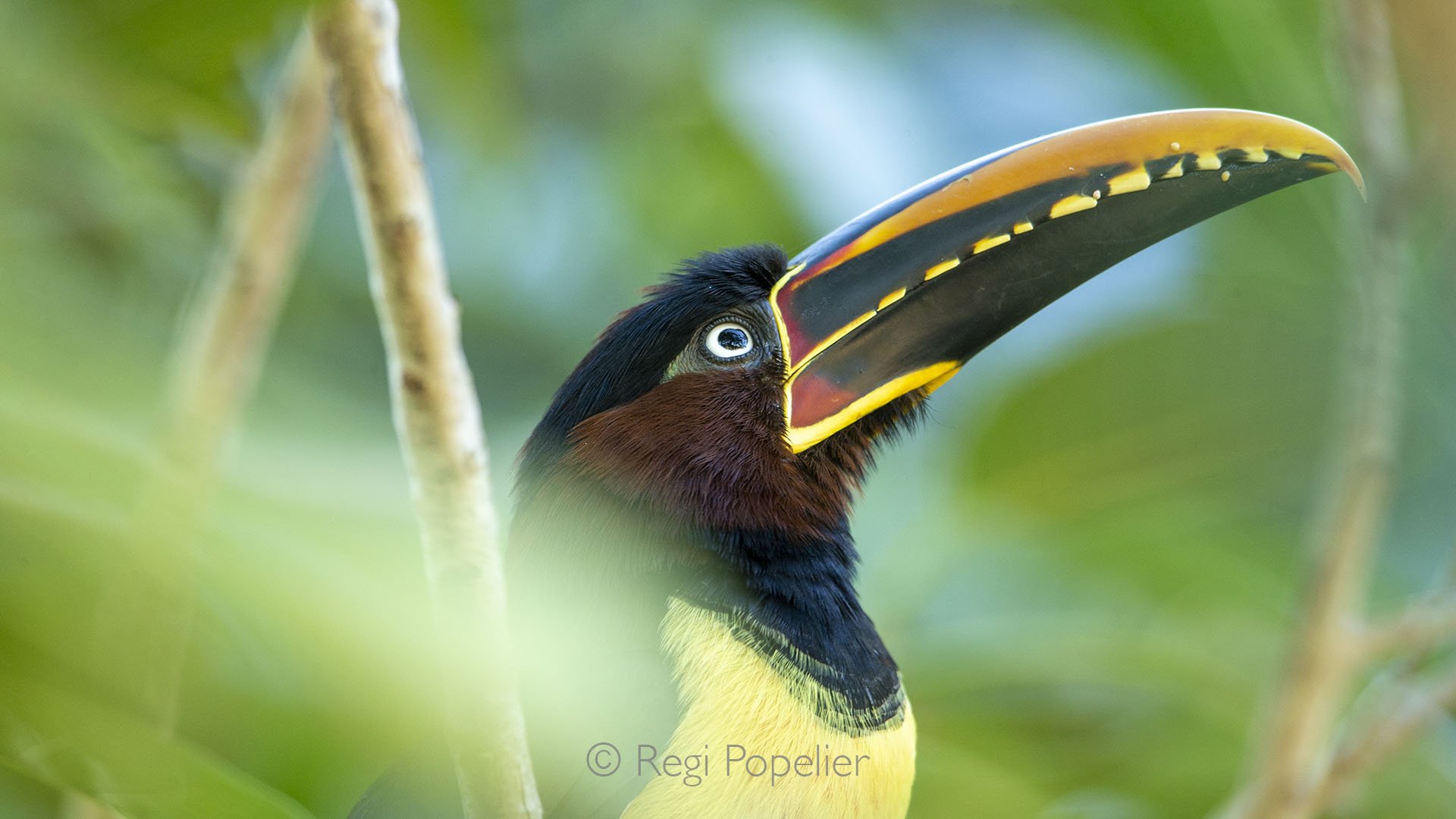
BRA013 - The Aracari Toucan in all its splendor, vivid colors and a striking beak.
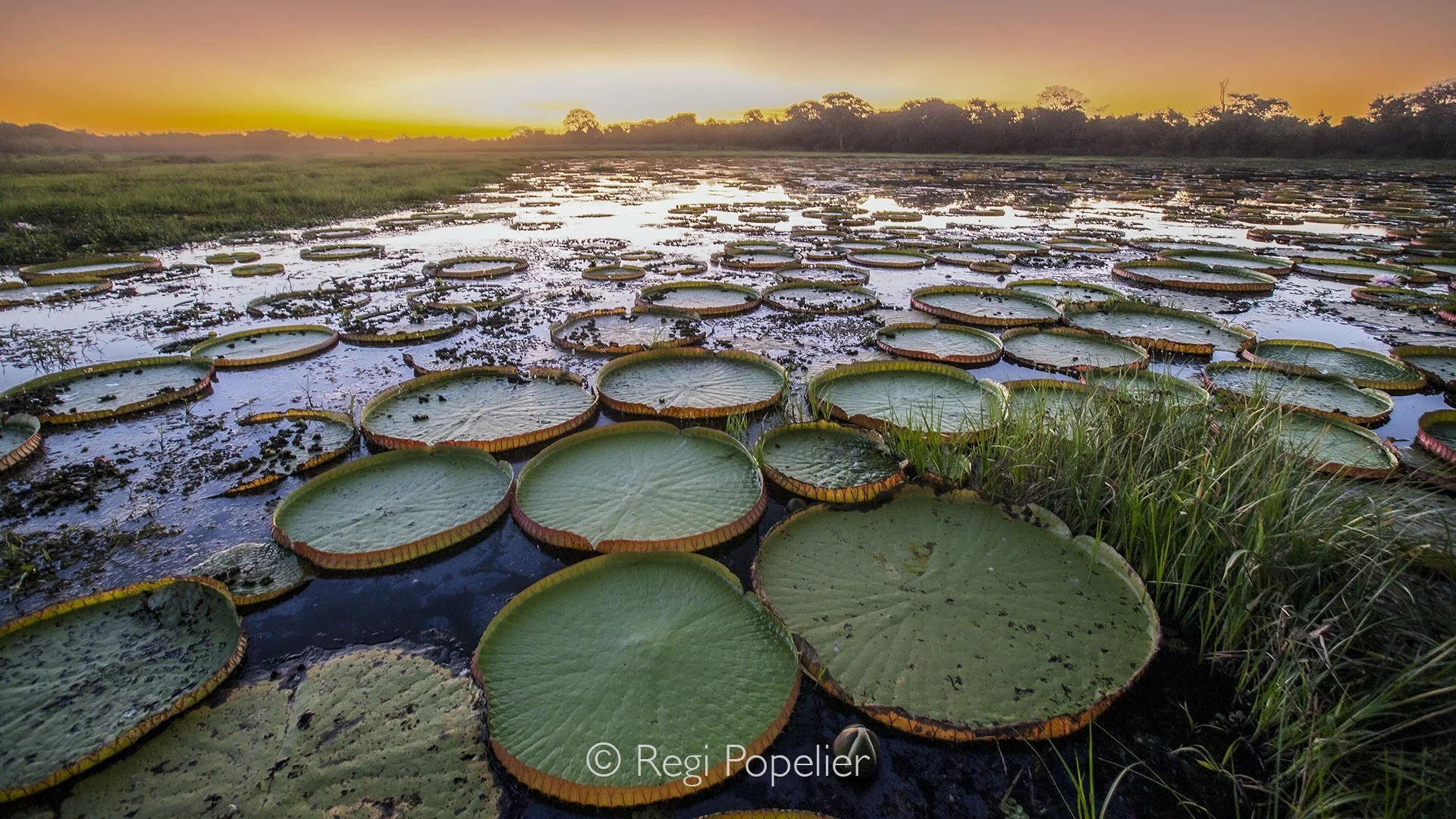
BRA014 - The giant Victoria Amazonica in all its splendor at evening in the Amazon, majestic, serene, and floating like a natural throne on the tranquil waters of this incredible rainforest.
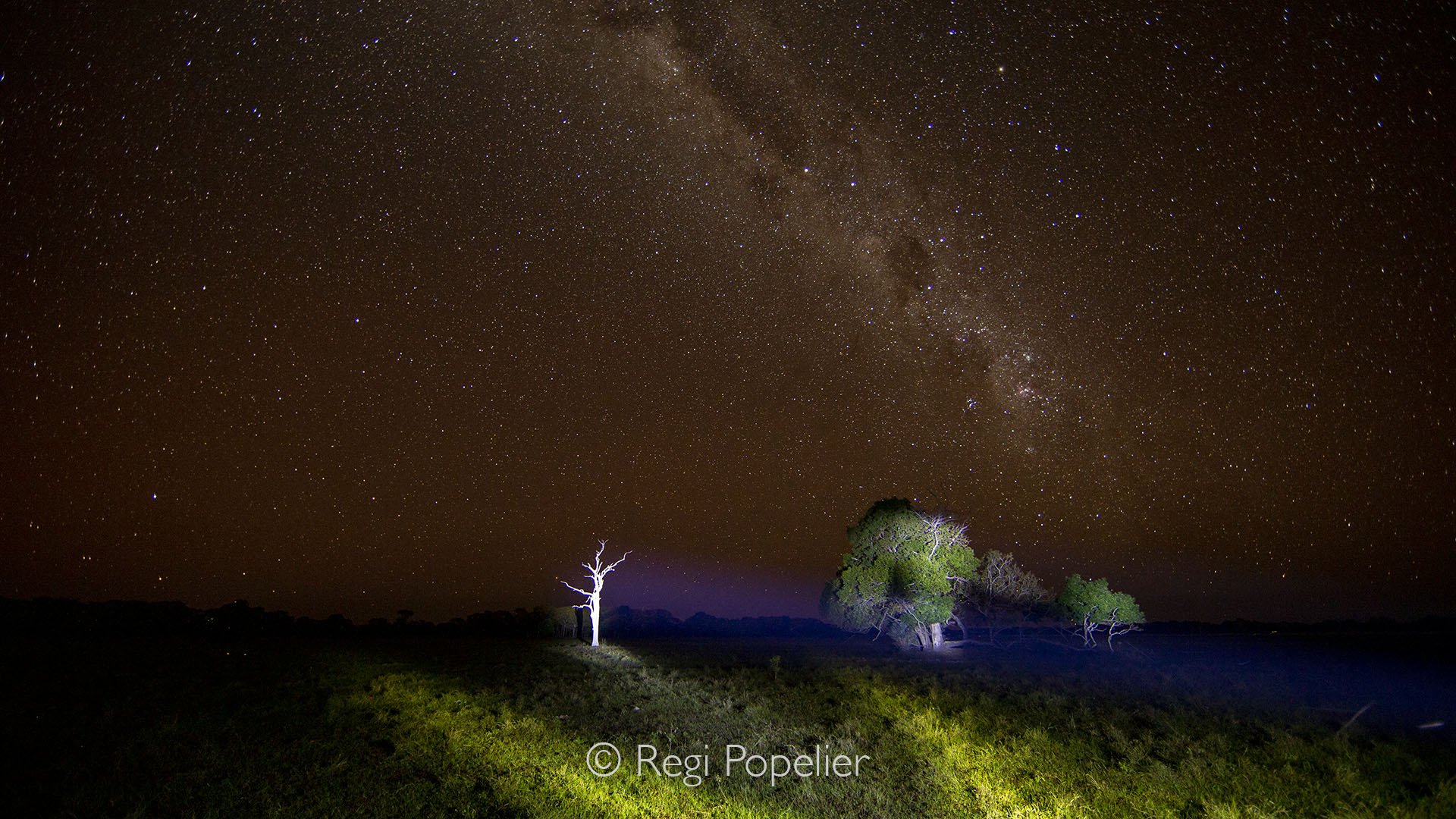
BRA015 - Stargazing in the vast Brazilian Cerrado, where the night sky reveals a tapestry of stars, far from city lights.
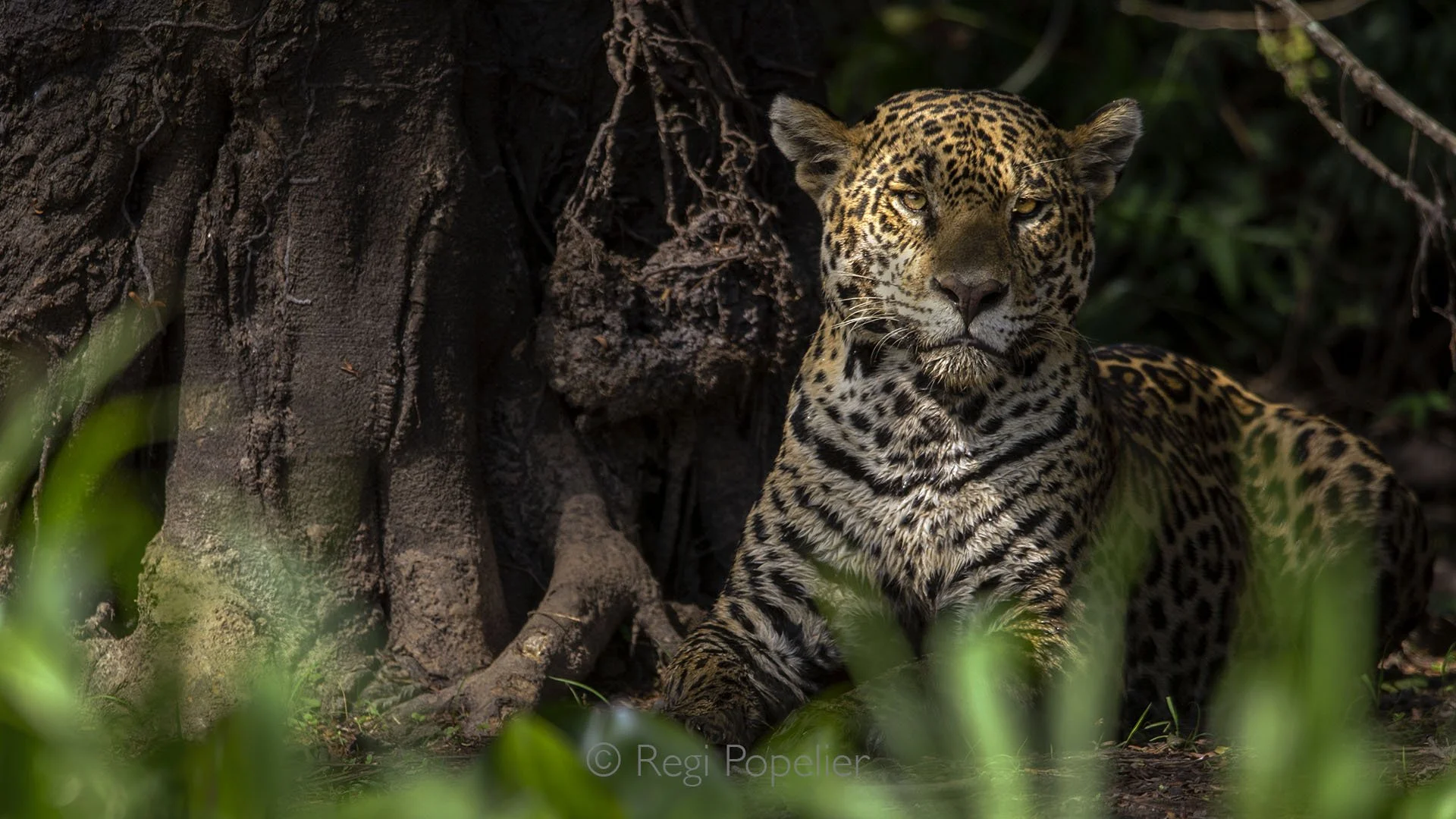
BRA016 - Majestic jaguar resting in the shade along the northern banks of the Pantanal River, embodying the quiet power and grace of one of nature’s most iconic predators.
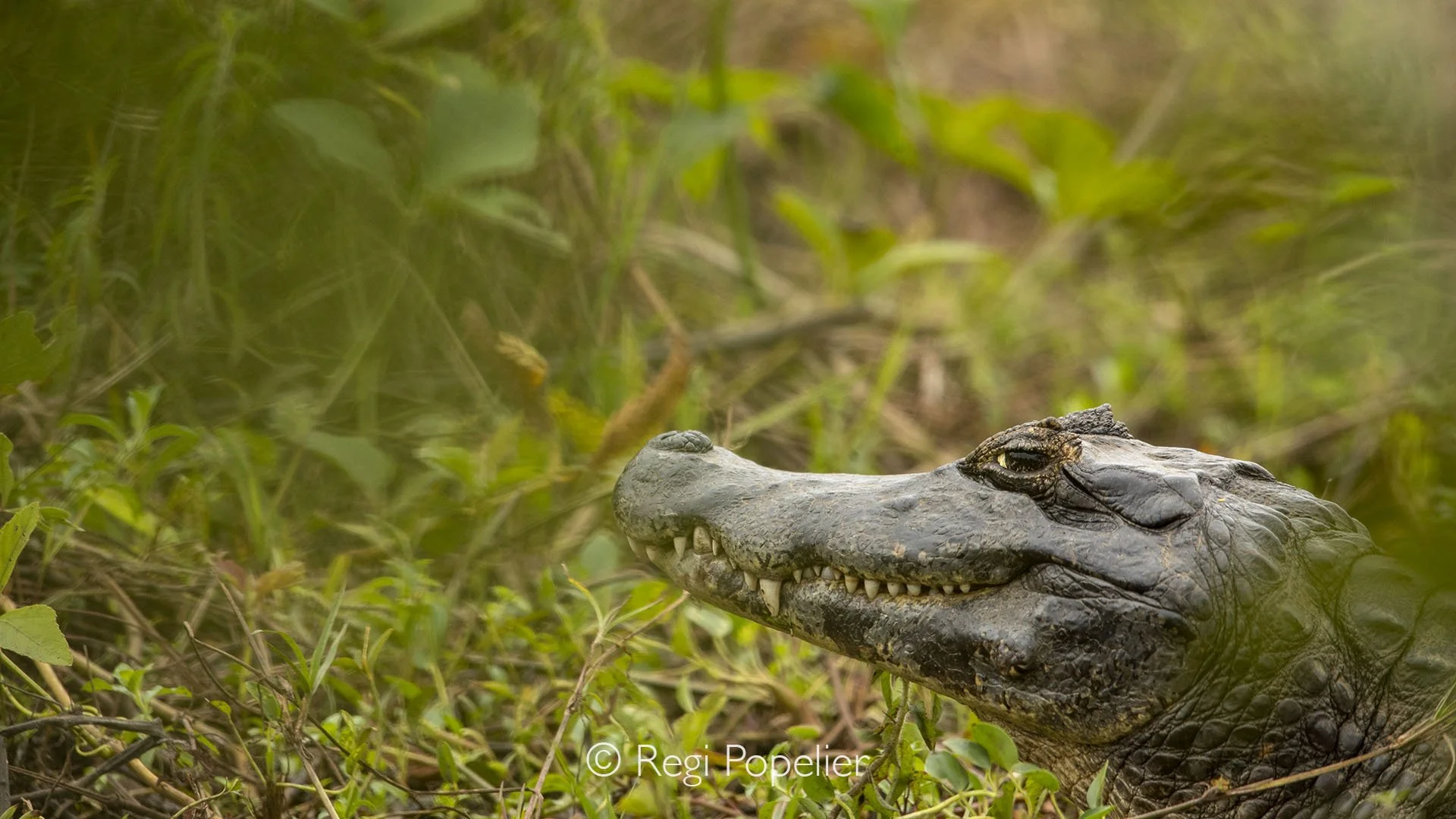
BRA017 - Close-up of a cayman resting on the banks of the Three Brothers River, capturing the raw power and intricate details of this apex predator in its natural habitat.
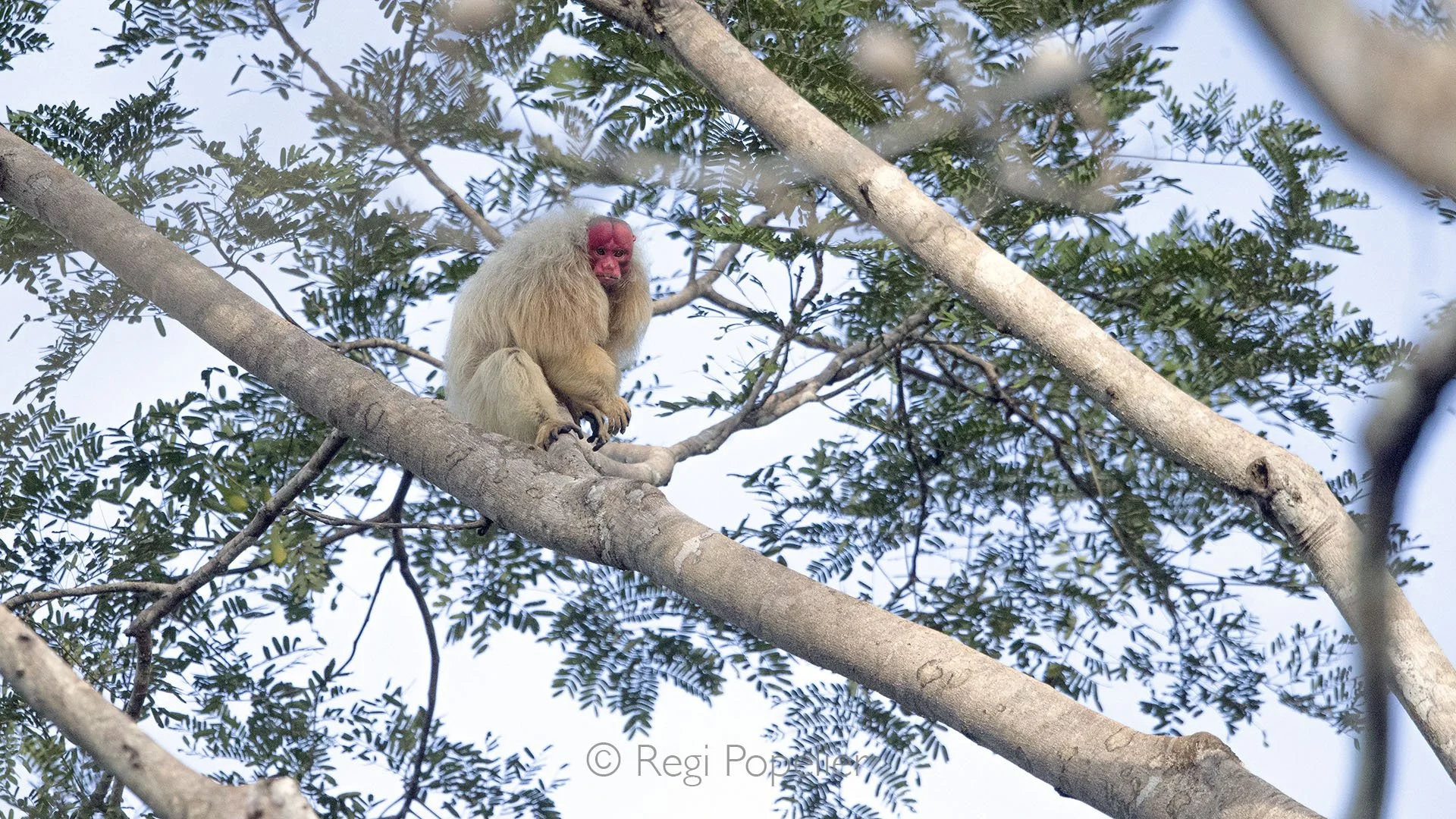
BRA018 - The Mamirauá Reserve, one of the largest flooded areas in the world, is a sanctuary of incredible biodiversity. Explore its waterways by boat and witness unique wildlife like the iconic white uakari monkey in its natural habitat.
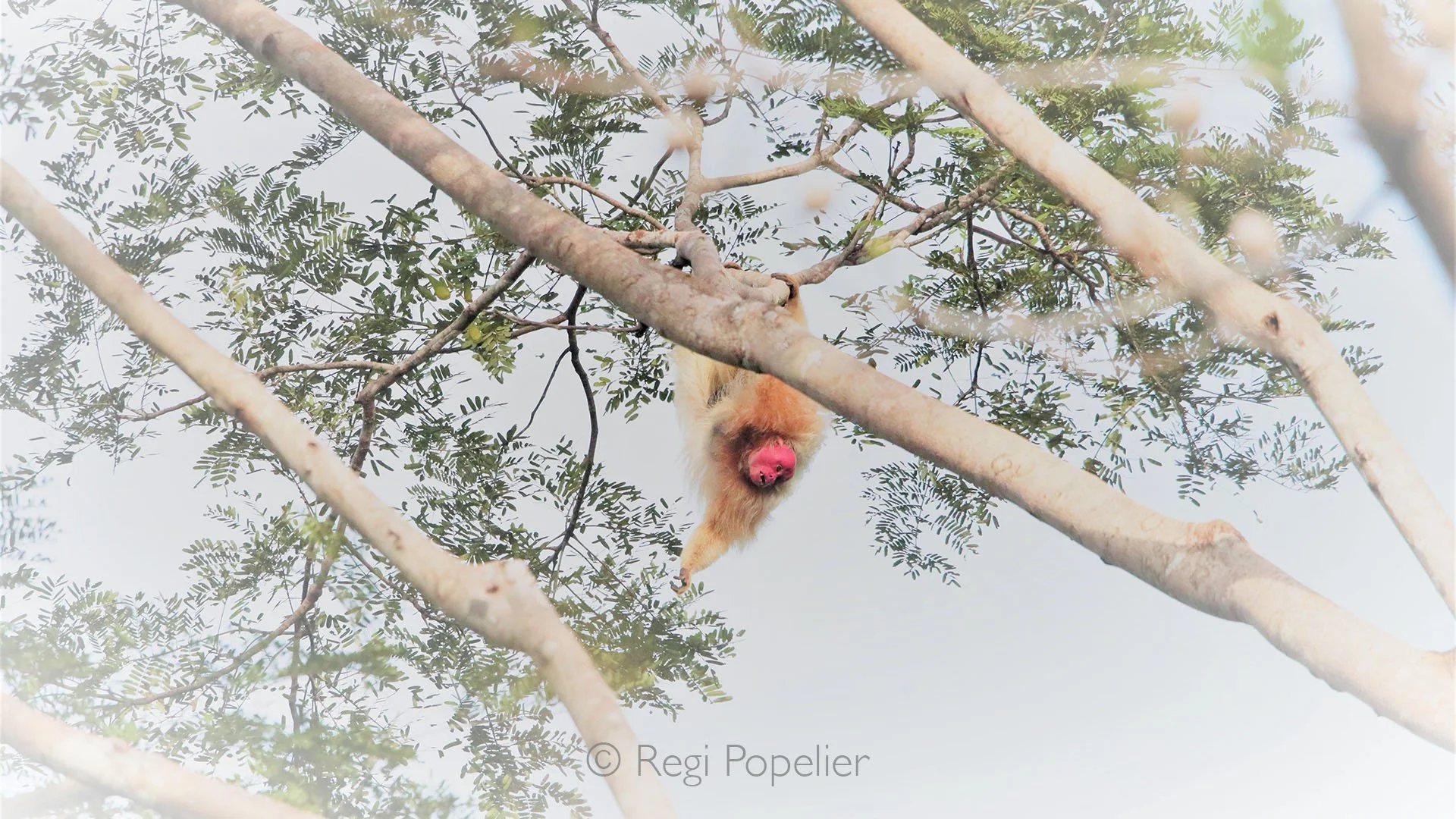
BRA019 - The elusive white Uakari monkey hanging gracefully in the canopy, photographed from a boat as it navigates through the branches of the flooded Amazon forest, a rare glimpse of this striking primate.
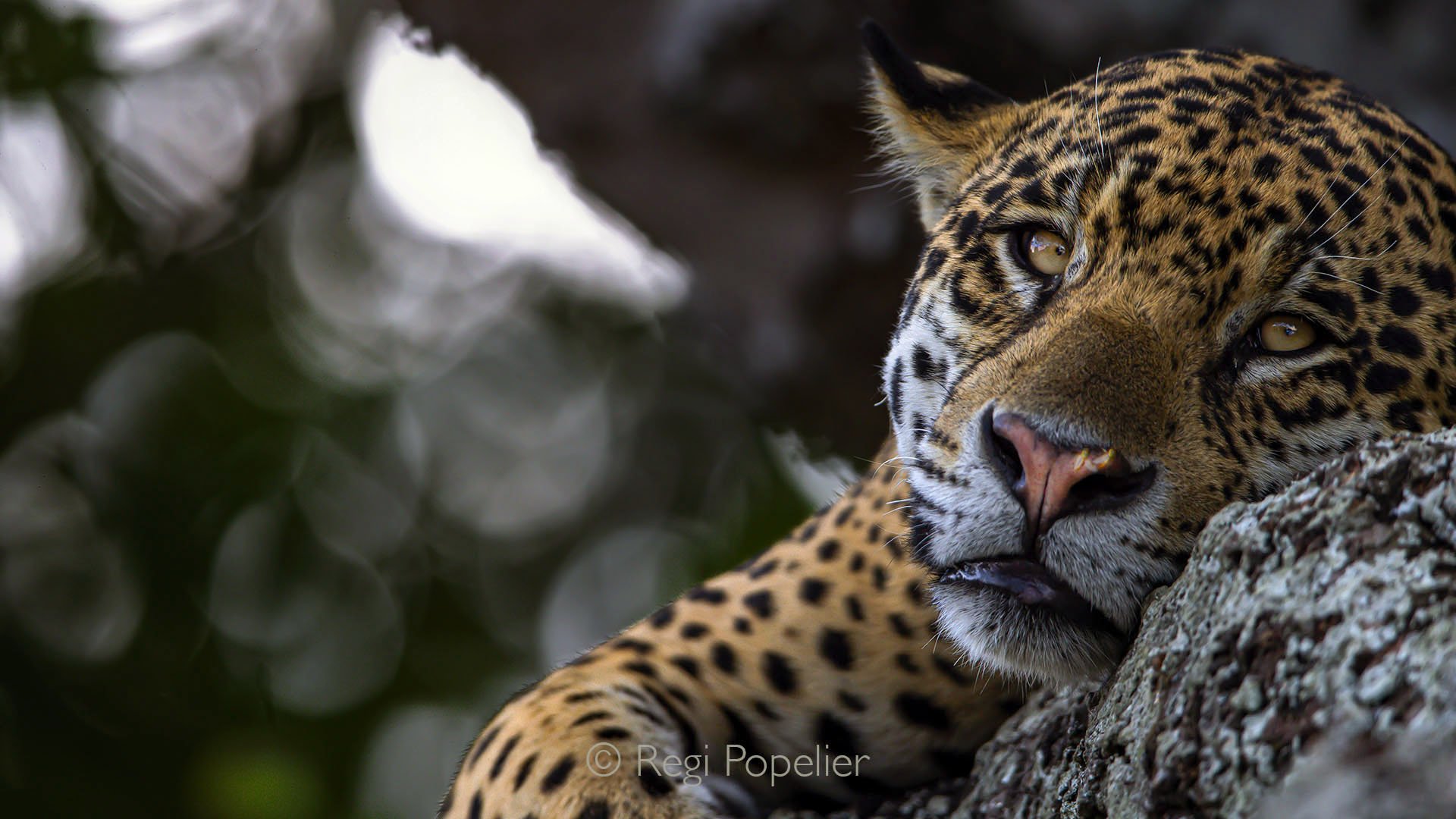
BRA020 - Close-up of a jaguar resting in a tree, captured from a boat along the Pantanal River.
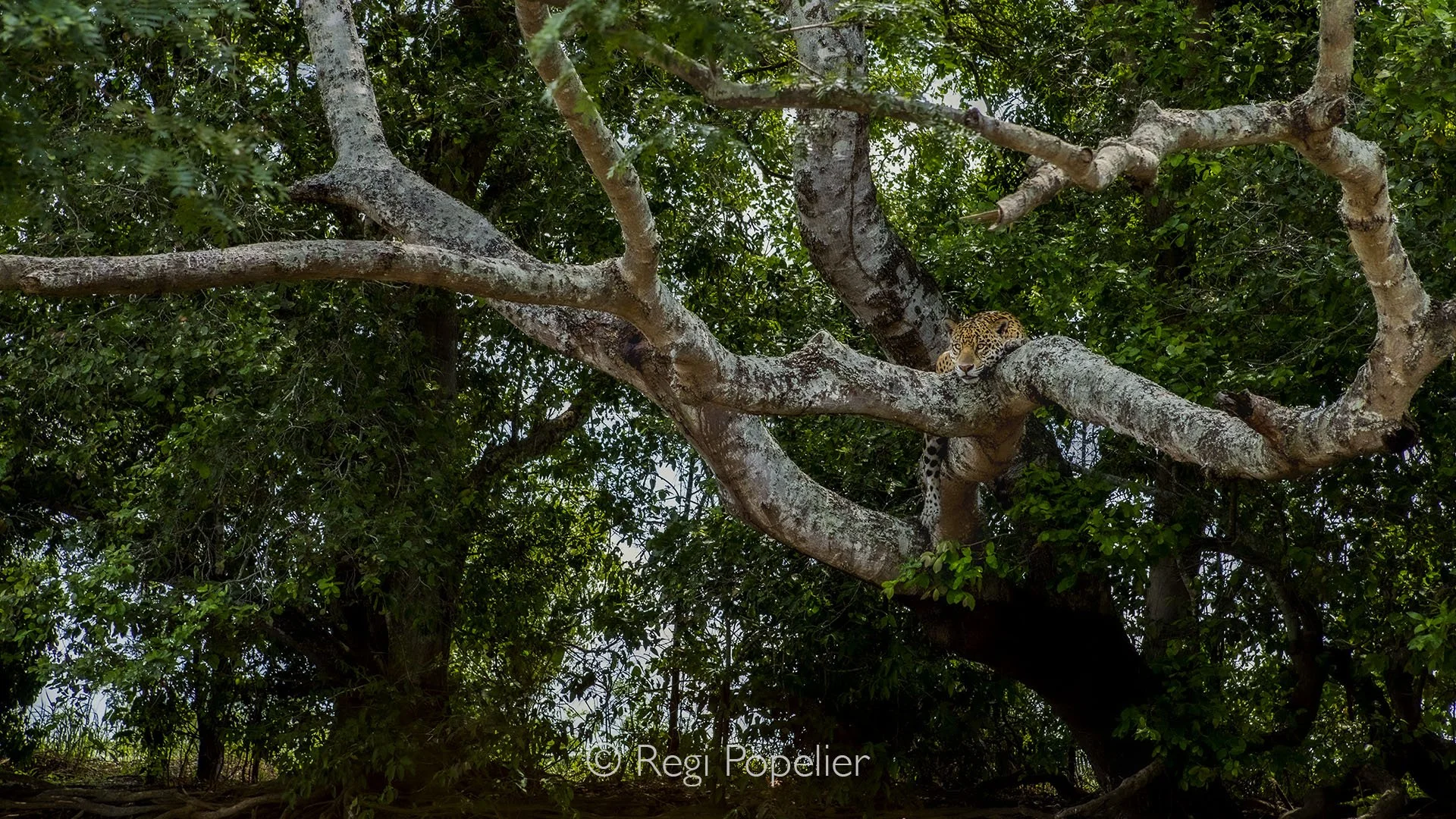
BRA021 - Jaguar resting in a tree along the river, eyes locked on its prey, the cayman, ready for the final, powerful leap.
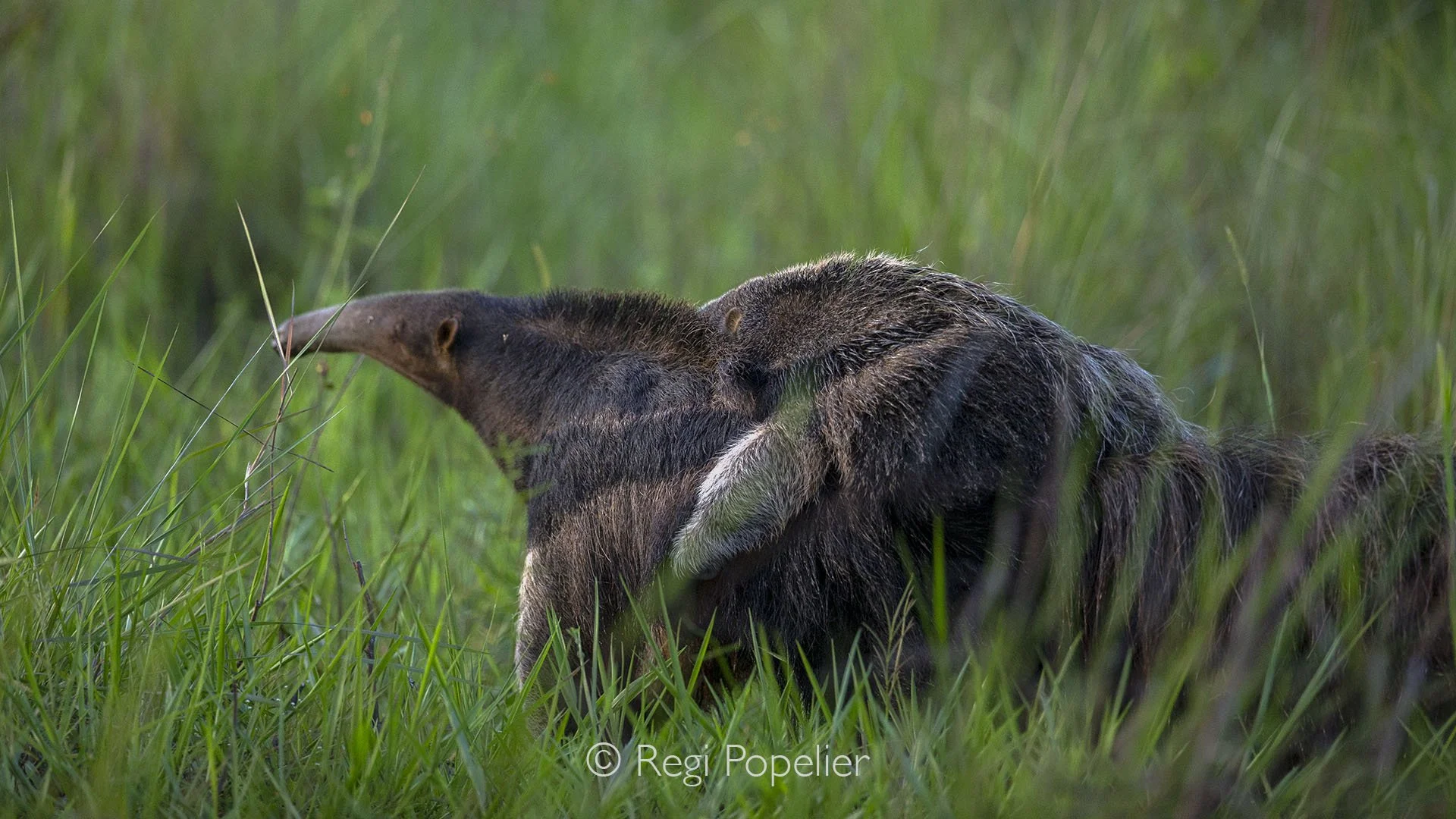
BRA022 - Giant anteater carrying her baby on her back.
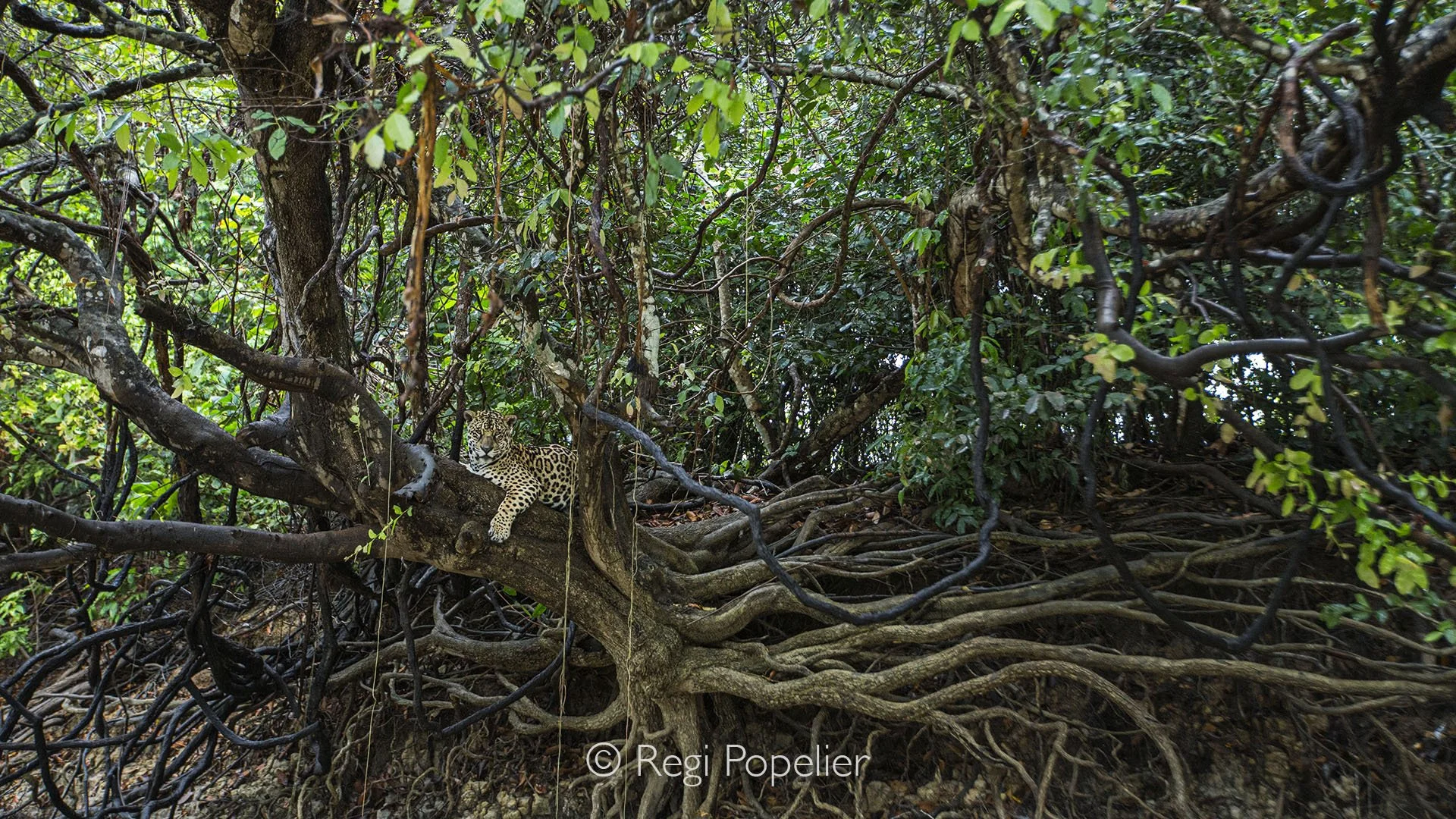
BRA023 - Jaguar resting gracefully on the intertwined roots of a fig tree , watching the boats passing by.
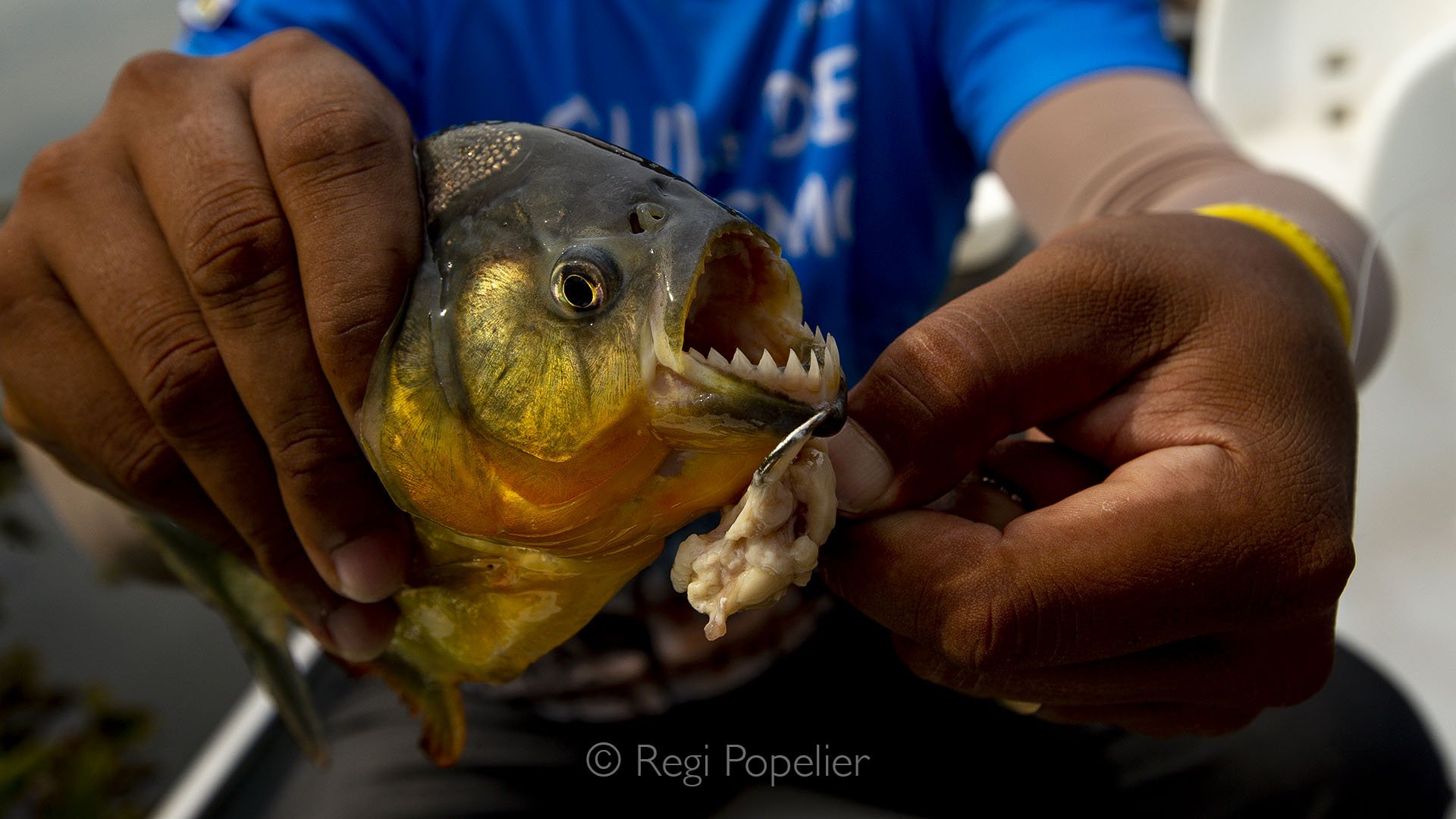
BRA024 - Detailed close-up of the dental area of the Pygocentrus natteri, the infamous piranha, showcasing its razor sharp teeth and incredible adaptation as one of the Amazon’s most efficient predators.
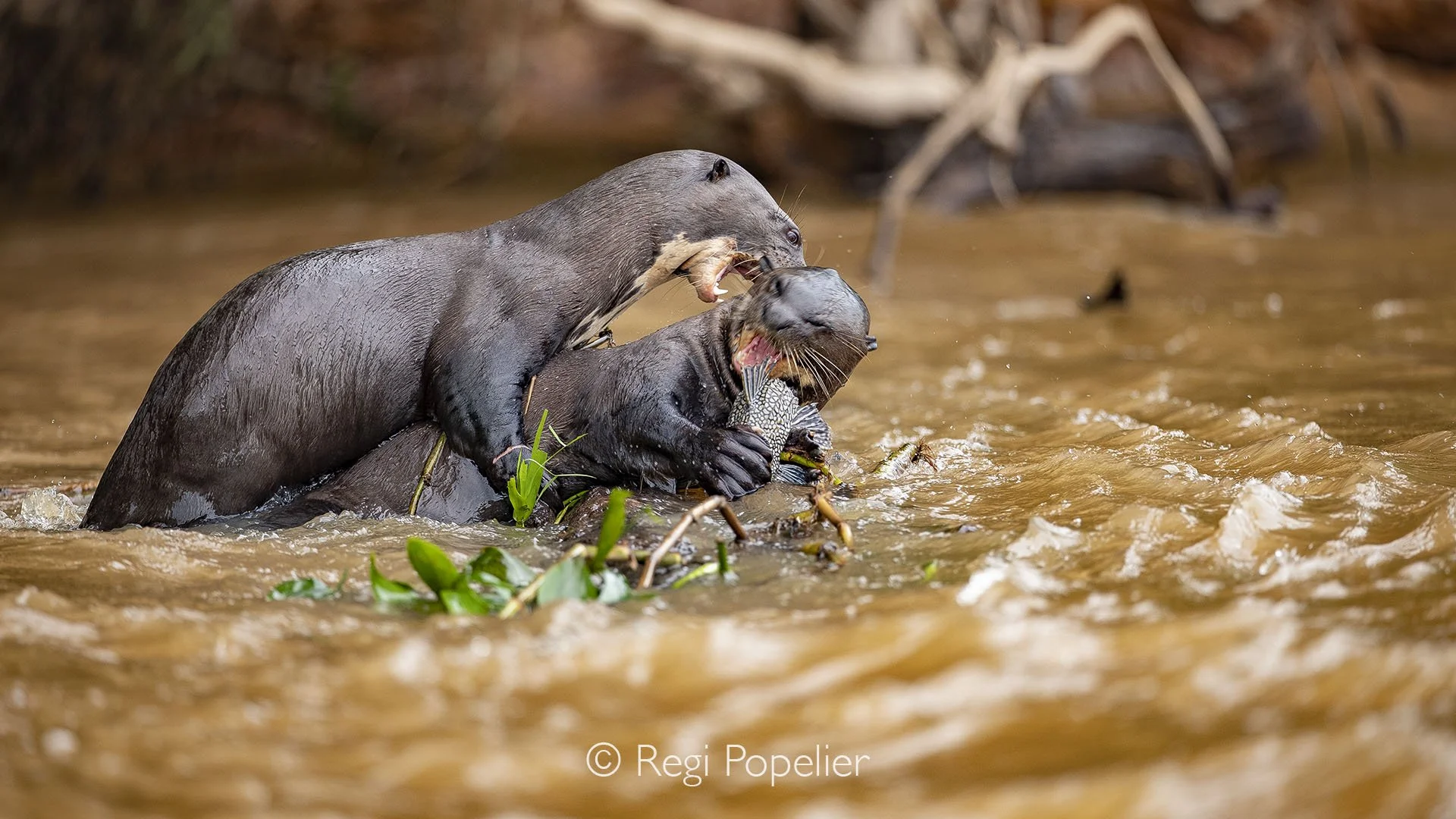
BRA025 - Two giant river otters clash over a meal while res ting a riverborne tree chunk, an intense glimpse of rivalry, survival, and playful aggression in the heart of the Amazon.
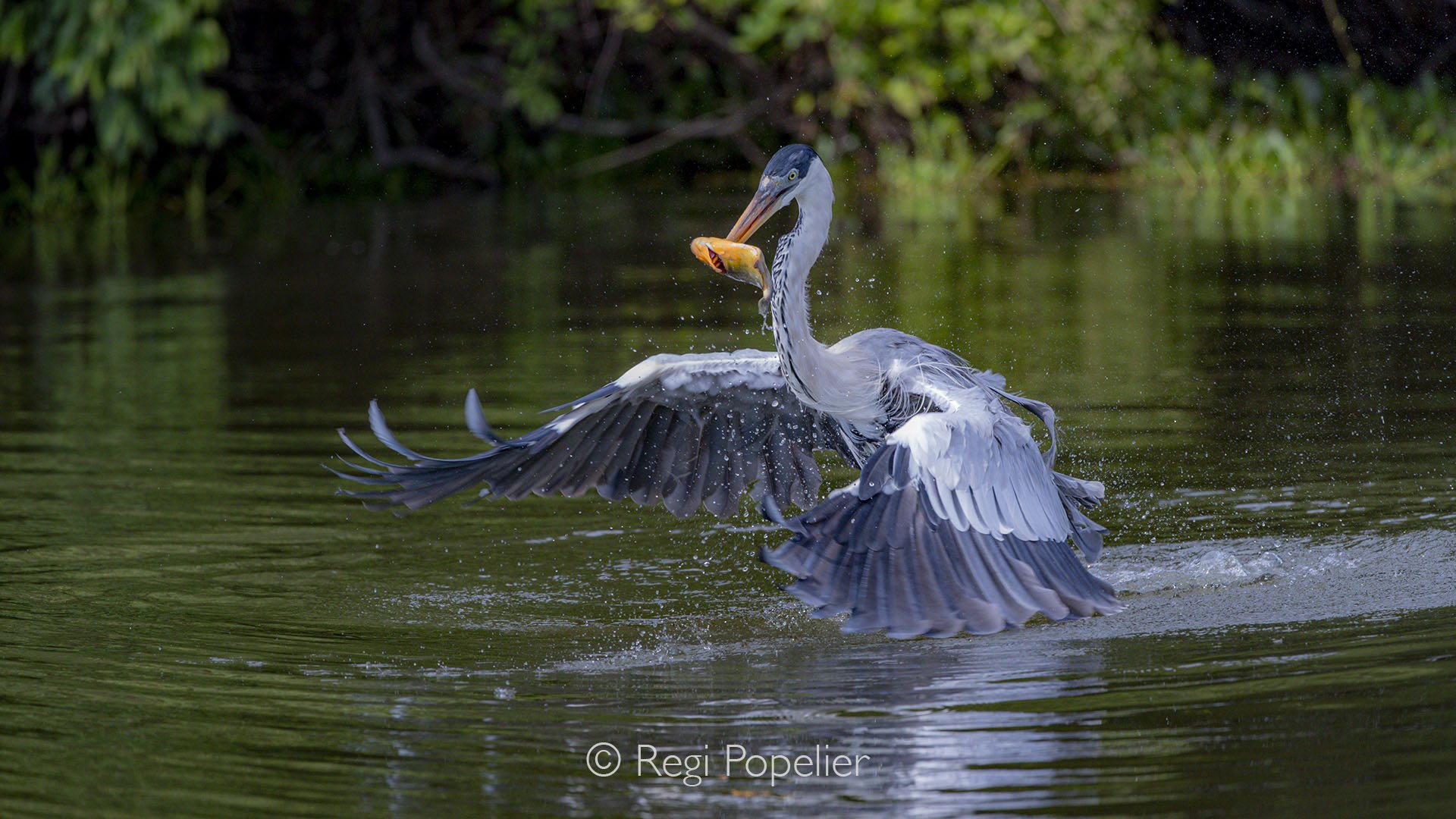
BRA026 - Blue heron catching a piranha, a part of the daily meal that fuels its life in the rivers of the Amazon, a perfect display of skill, patience, and precision.
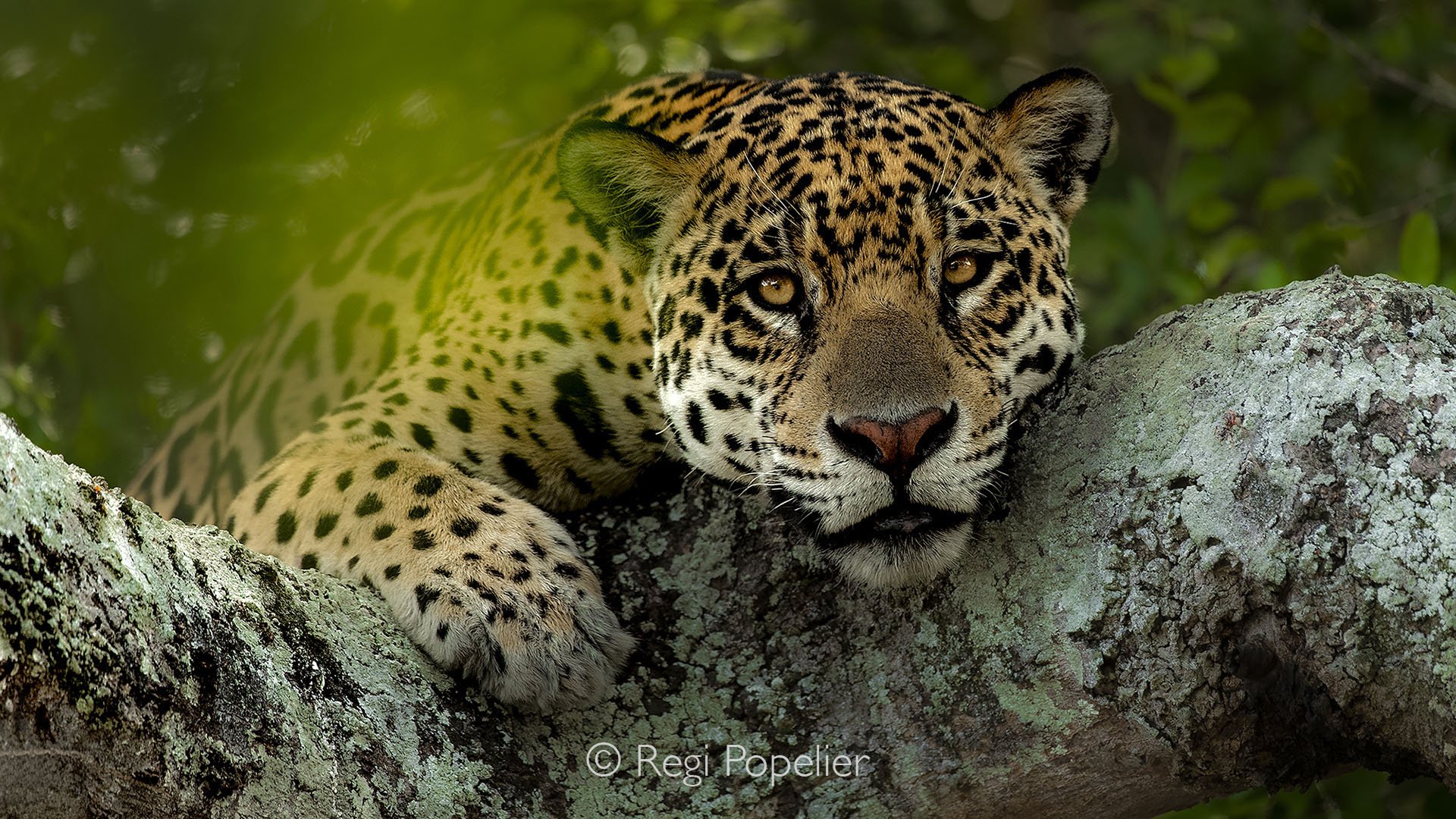
BRA027 - Close-up of a jaguar resting in a tree, captured from a boat along the 3 brother River.
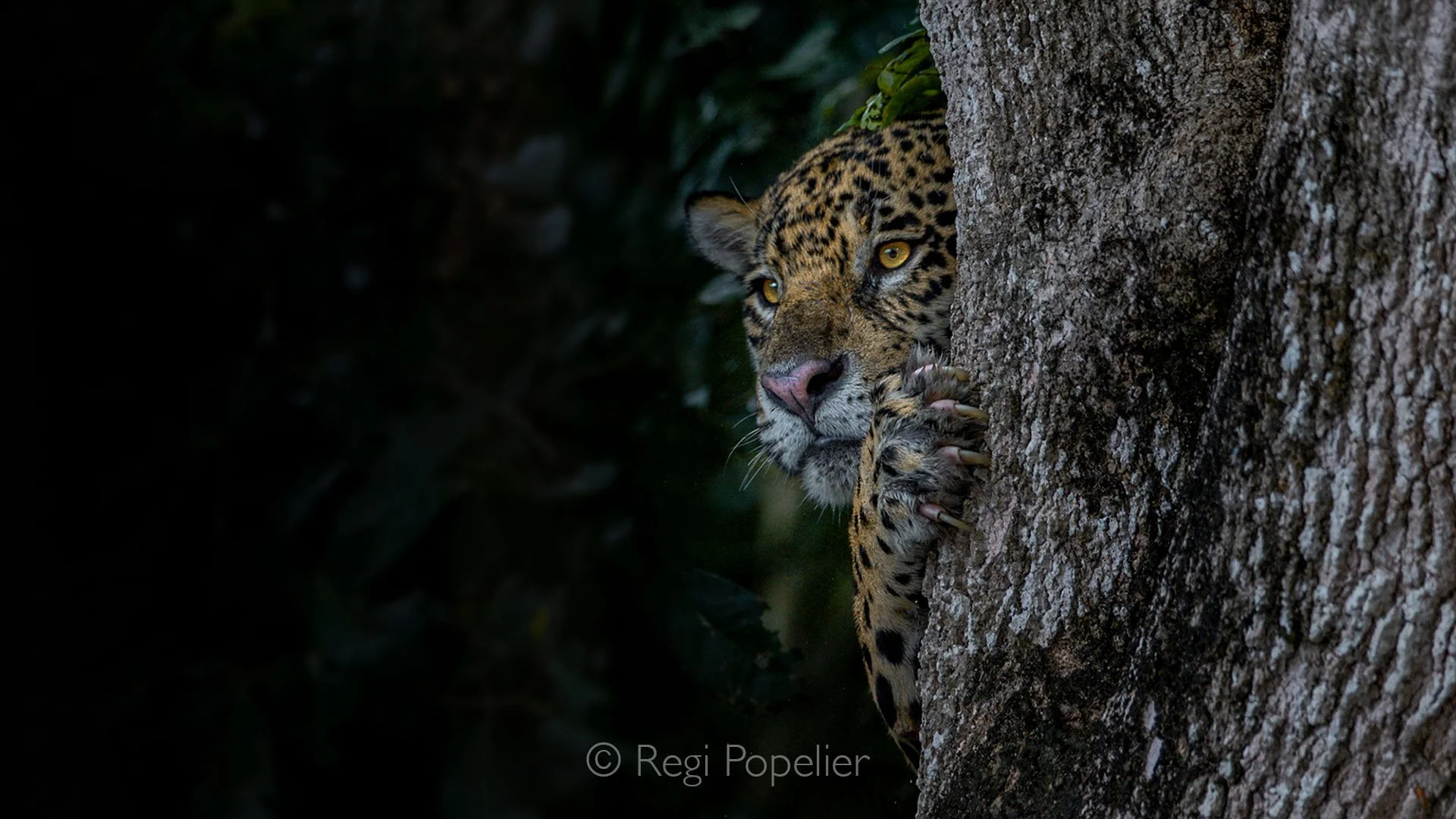
BRA028 - Rare glimpse of a jaguar peeking from behind a tree, quietly observing the flow of boats along the Pantanal River, a striking moment of stealth and curiosity in its natural habitat. More special images to see in the section Cats.