From the Forests of Iguazú to the Wild Heart of Patagonia
My relationship with Argentina began in the subtropical north, travelling with my partner Carly and staying at Yakutinga Lodge, deep in the forest near Iguazú. There was no conventional electricity or lighting after dark. As the forest disappeared into darkness, every sound seemed amplified, and the feeling of being surrounded by wilderness became almost tangible.
From there we continued to Iguazú Falls, spending several days photographing the immense walls of water surrounded by rainforest before crossing to the Brazilian side. It was a world of movement and constant sound, but Argentina would later offer a very different kind of wilderness.
I returned with my friend and fellow photographer Vincent Verstraete, this time heading south into Patagonia with one particular goal: the pumas of Torres del Paine.
Days were spent searching the vast landscape, where mountains, open plains and changing light seemed to stretch endlessly. Then, without warning, the search suddenly became real.
A female puma appeared with her four cubs.
For a few moments, everything else seemed to disappear. The landscape, the waiting, the kilometers travelled, all of it led to this single encounter. The cubs followed their mother across the road, completely unaware of the photographers watching them.
A British film crew from Silverback Films was also documenting the animals. We were asked not to follow as they moved with the pumas, so that the animals' behaviour would not be influenced and their filming would remain undisturbed. We respected the request. The encounter was already a privilege; there was no reason to turn it into something more intrusive.
But Patagonia had another test of patience waiting for us.
Along the coast, we began searching for orcas hunting close to shore, hoping to witness their attacks on young seals. Hours passed. The sea remained empty. We watched the coastline, studied the water and waited for the smallest sign of movement.
Then the tension would suddenly rise: a fin in the distance, a disturbance in the water, a glimpse that might mean nothing, or everything.
The decisive moment, if it came, could last only seconds.
Those long hours taught me something I have experienced repeatedly in the wild: the waiting is not separate from the photograph. It is part of it. Every hour spent watching the empty sea makes the moment of an encounter more intense.
Looking back, my two journeys through Argentina feel almost like two different worlds. The first was the quiet intimacy of forest and waterfall; the second was the vastness of Patagonia, where the appearance of a mother puma and her four cubs, or the distant arrival of an orca, could transform an entire day.
In Patagonia, nature never promised us the photograph we had travelled for. It simply asked us to be there, watching, when the moment finally came.
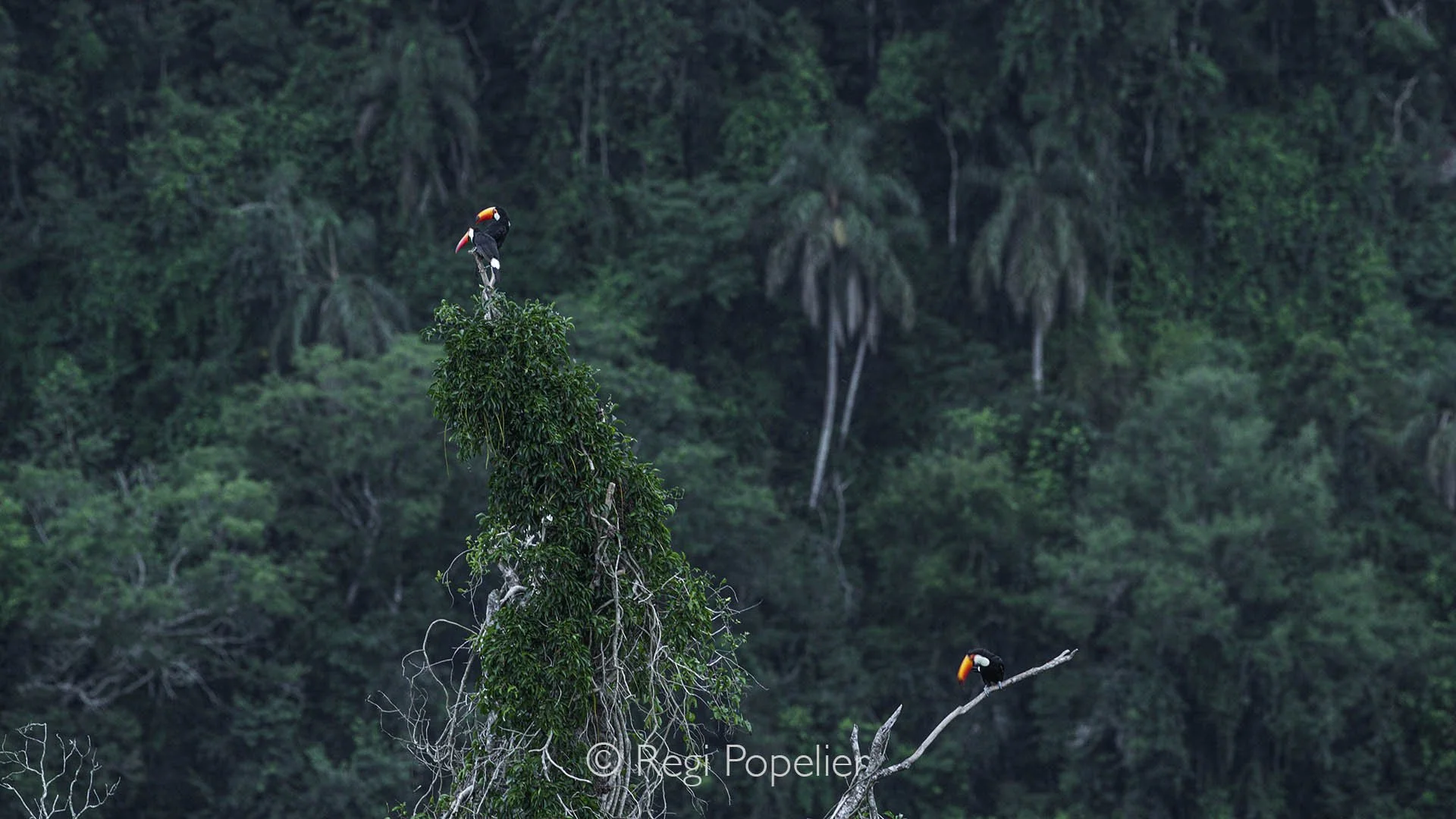
ARG001 - Toco Toucans perched near the mountains of Iguassu Falls, vibrant birdlife and the stunning beauty of South America.
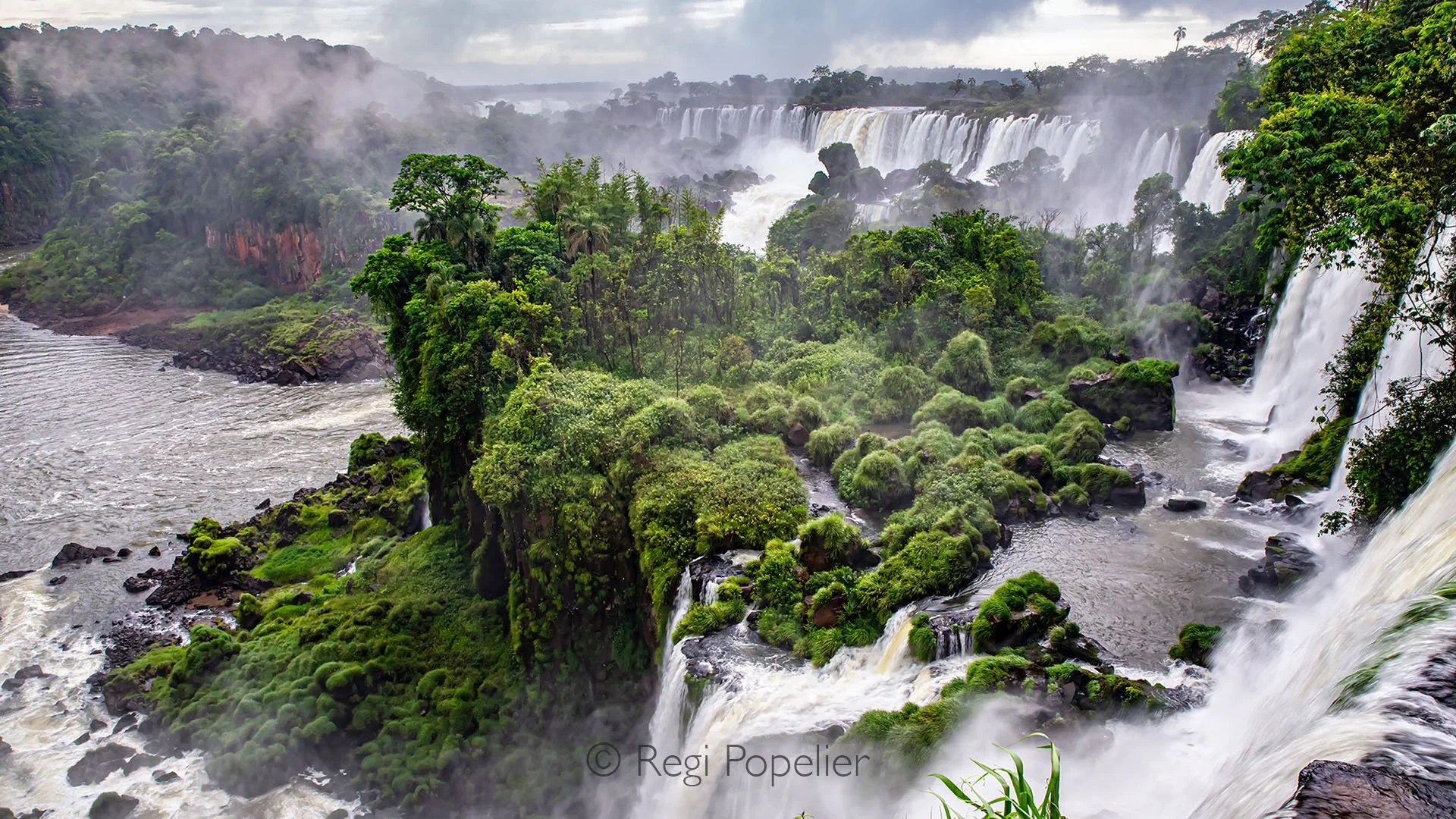
ARG002 - Amazing Iguassu Falls vivid colors, roaring waters, and unbelievable sightings at every turn.
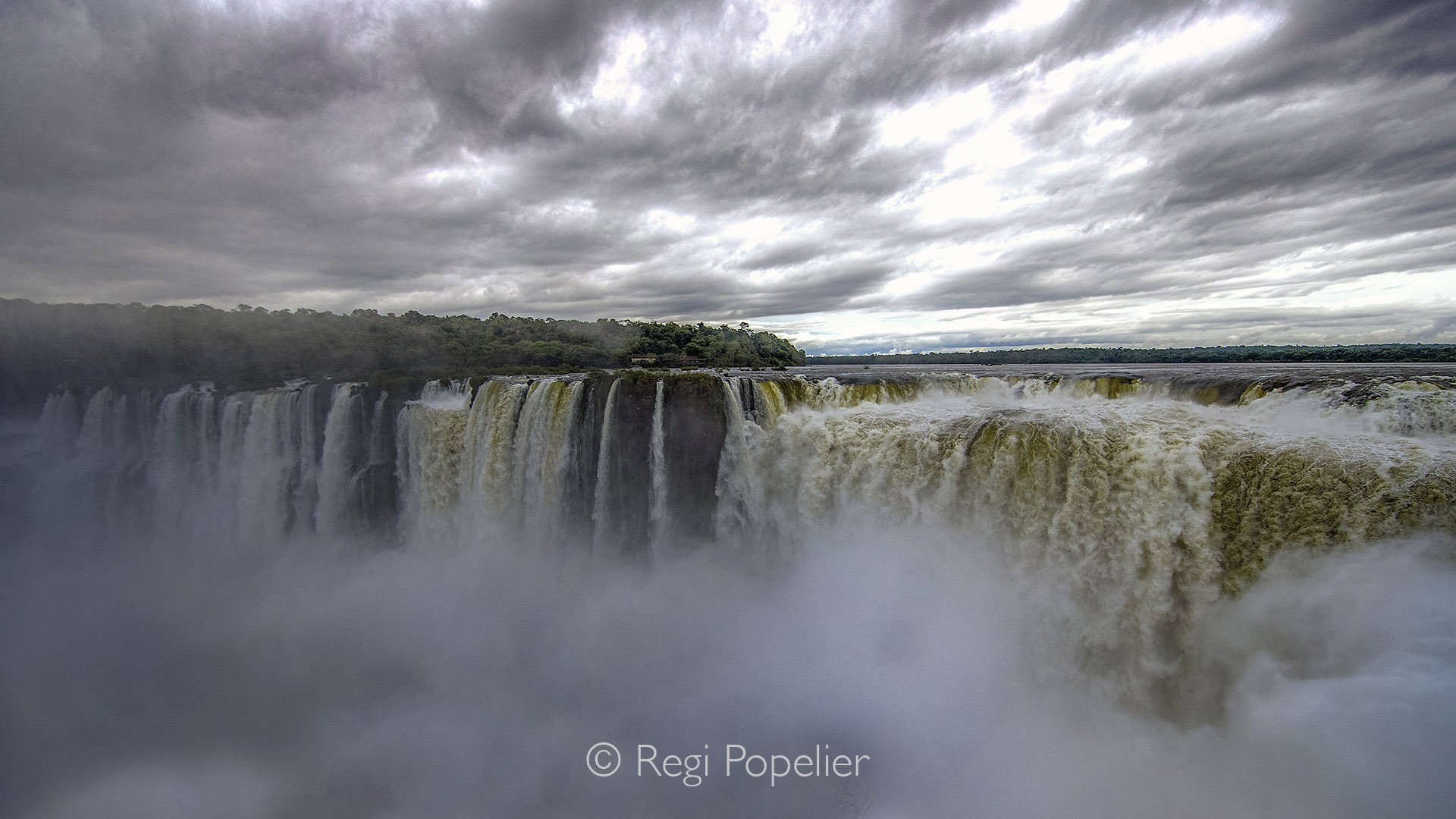
ARG003 - The Gorge at Iguassu Falls, fog rising, water thundering like a tomb, and a display of sheer grandeur.
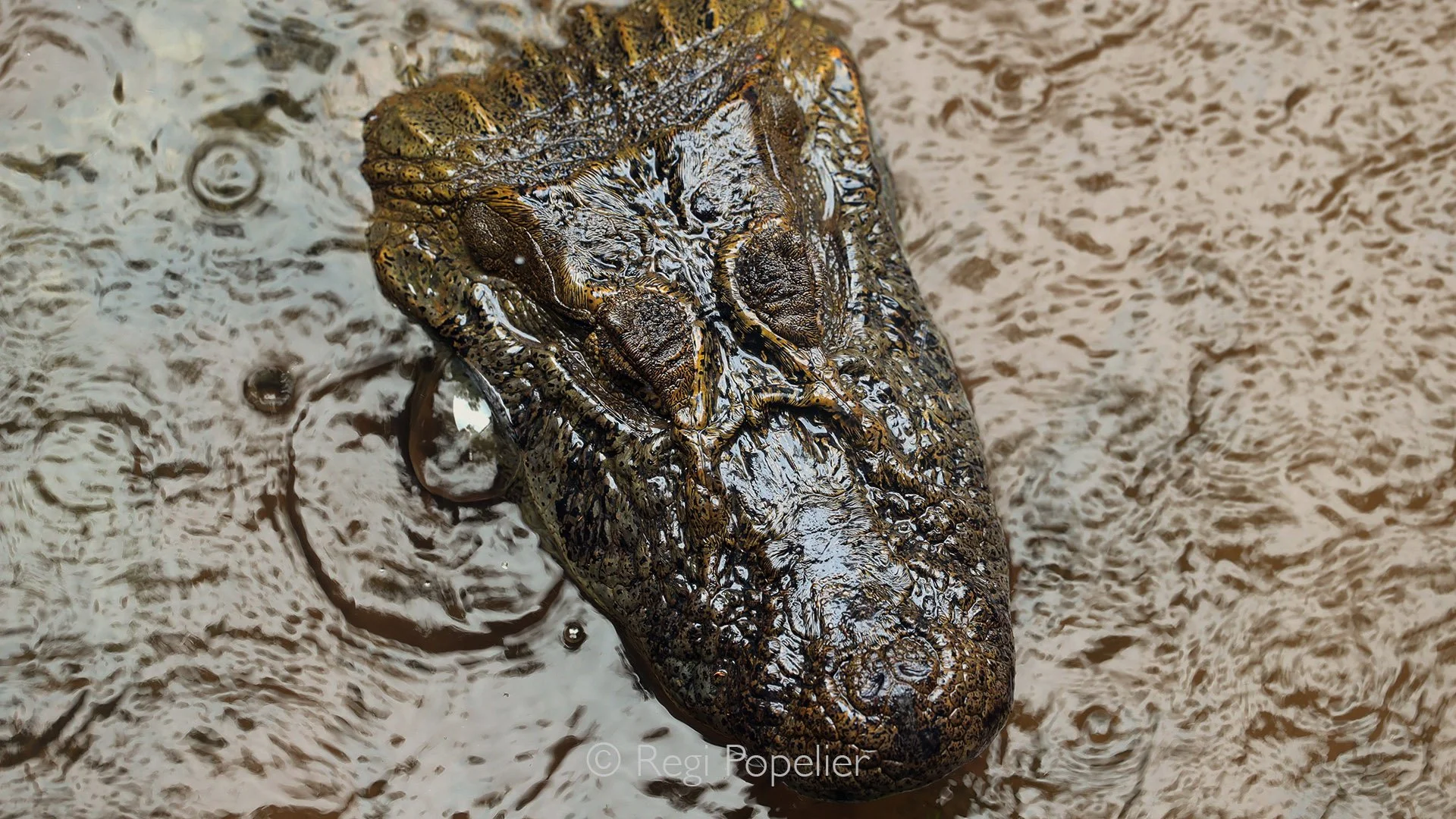
ARG004 - Close-up of the head of a crocodile, raw power and prehistoric elegance captured in a single frame.
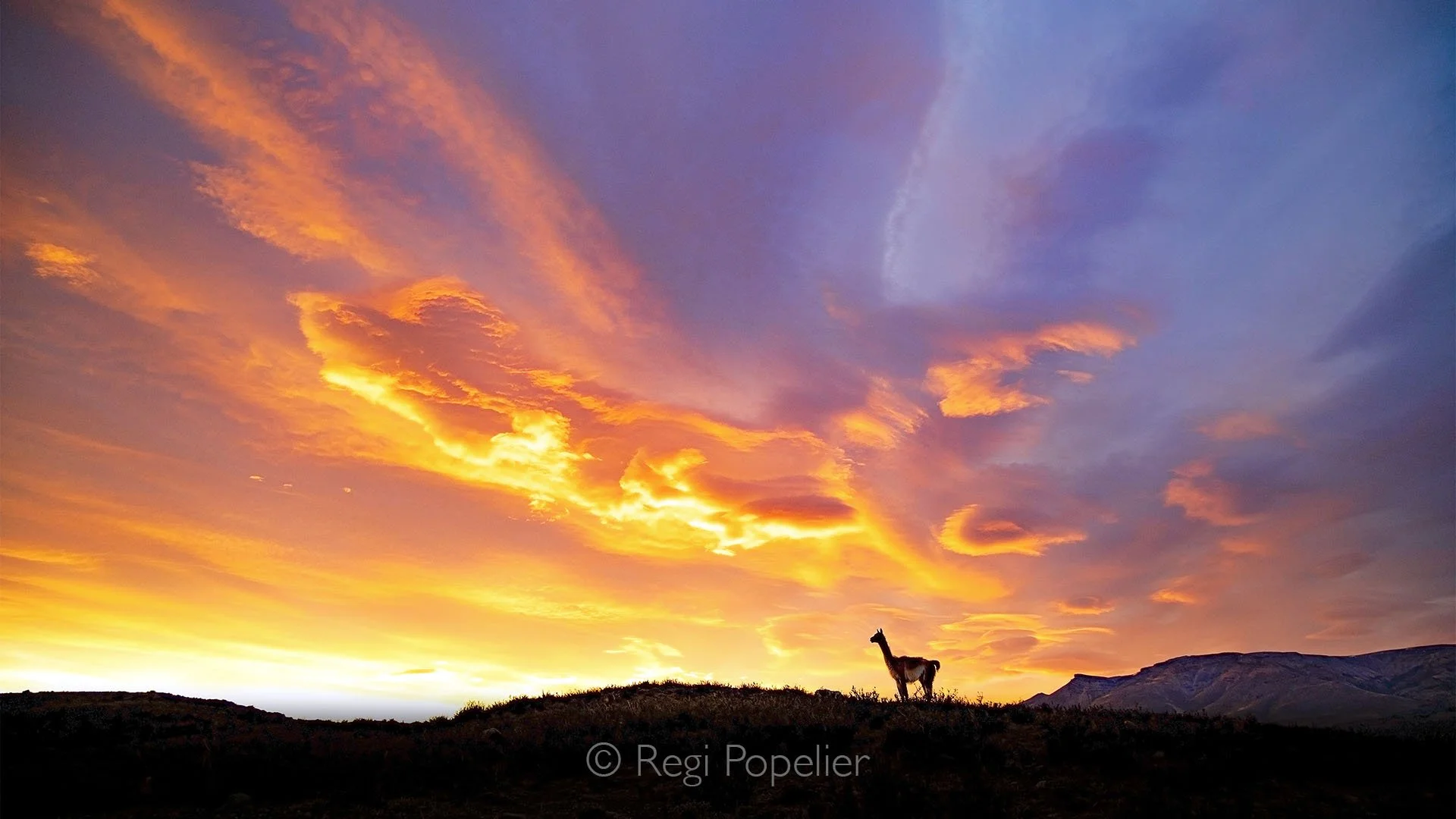
ARG005 - Guanaco standing in Patagonia, a breathtaking landscape beneath a kaleidoscope of colors in the sky.
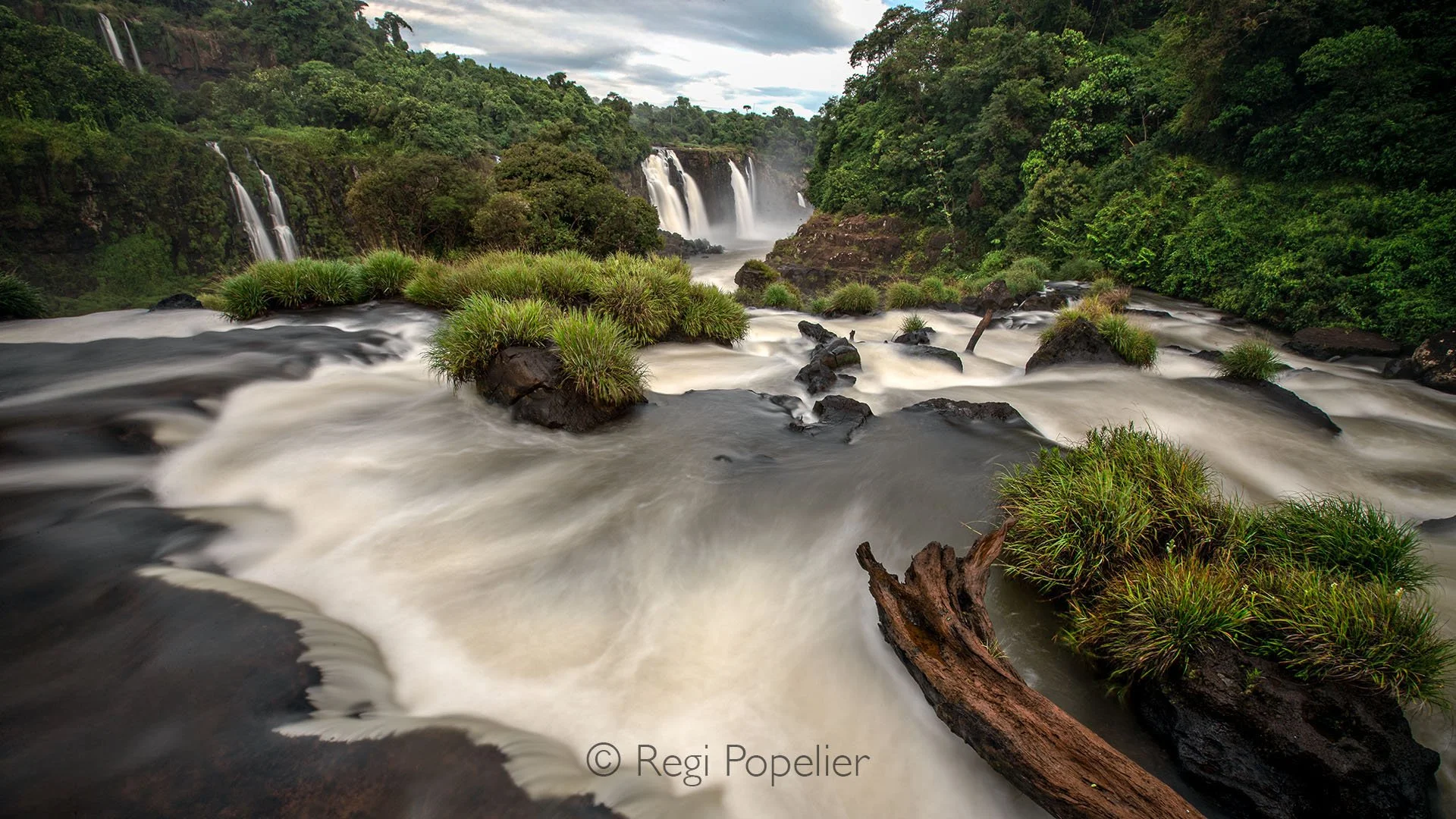
ARG006 - Capturing Iguassu Falls with long exposure, the silent rush of water transforms into a serene, flowing masterpiece.
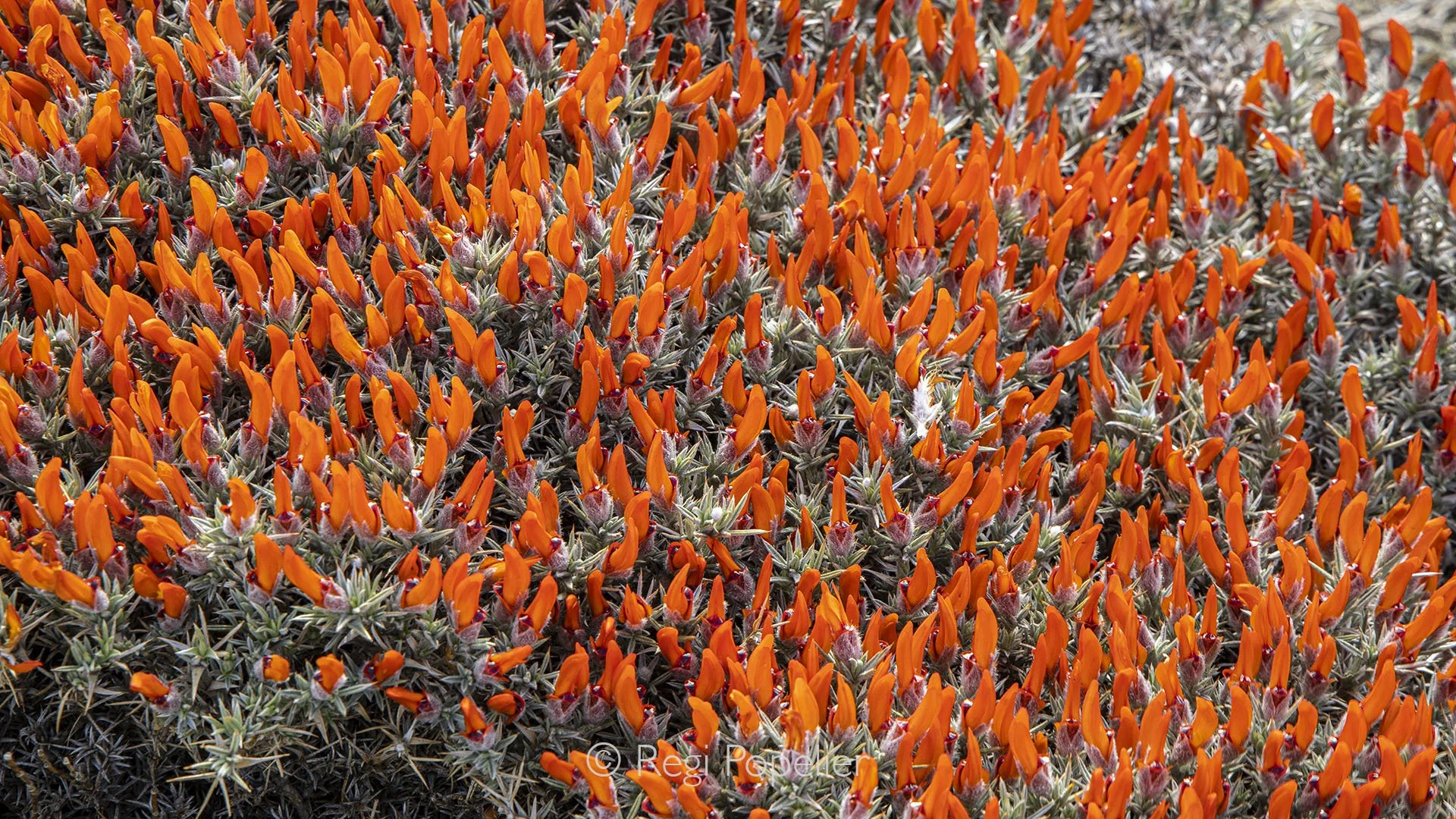
ARG007 - Anarthrophyllum desideratum in full bloom, fiery red flowers lighting up the Patagonian steppe near El Chaltén, Argentina.
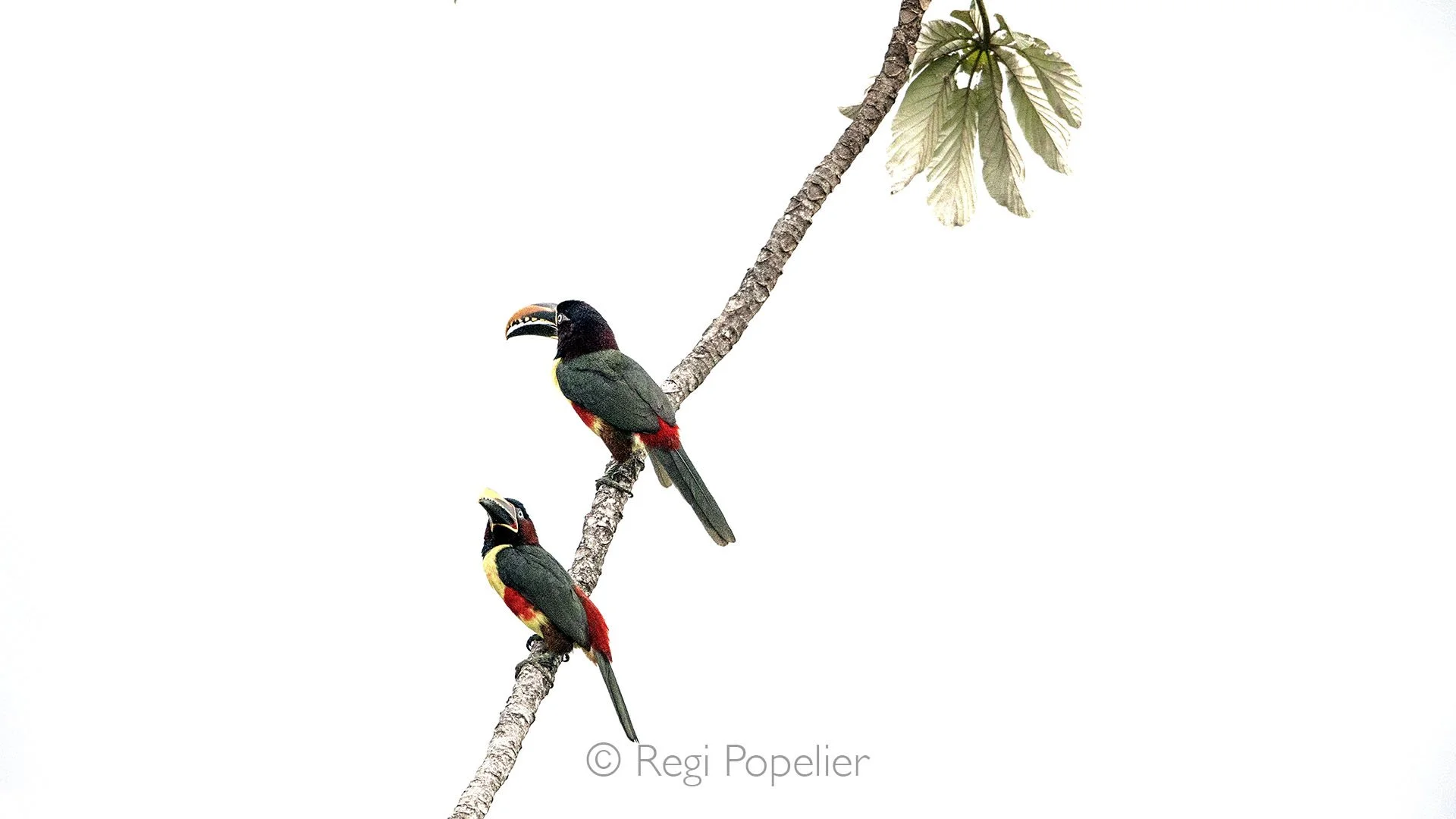
ARG008 - Vibrant pair of colored Aracari perched on a branch, a colorful moment in the heart of the tropics.
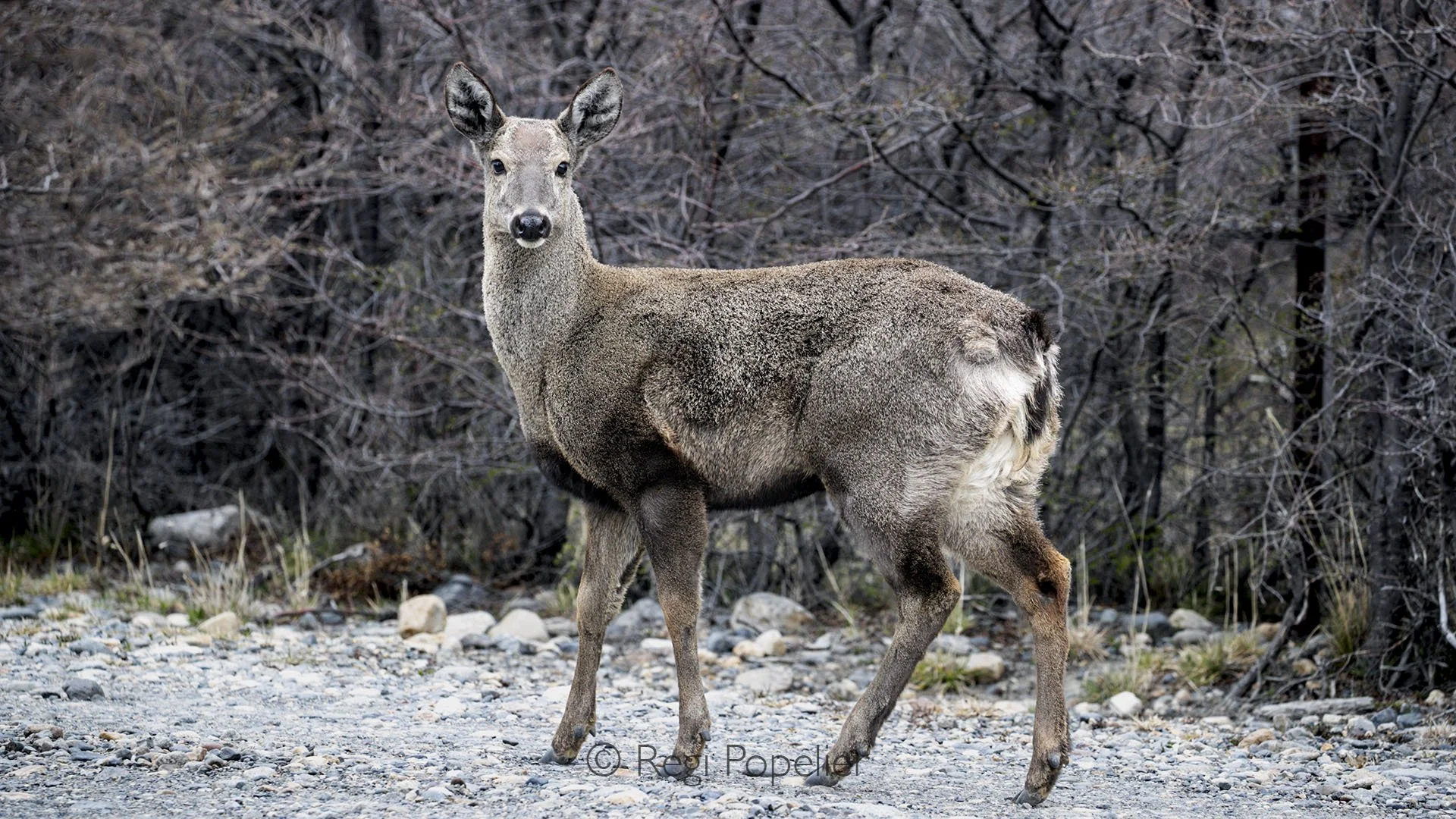
ARG009 - Endangered Andean deer, this is a rare glimpse of Patagonia’s elusive wildlife in its natural habitat.
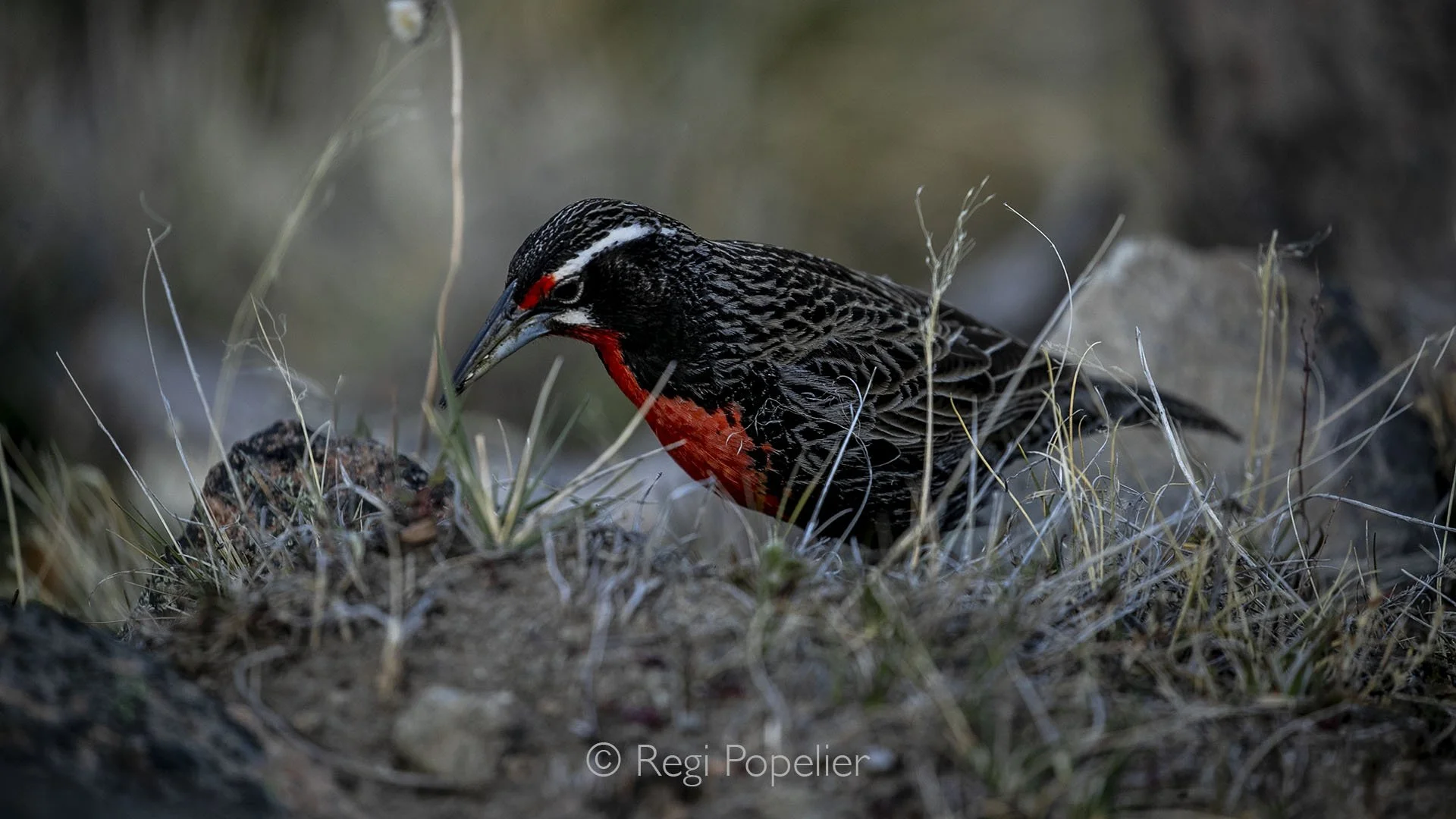
ARG010 - Long-tailed Meadowlark seaching for food across the vast northern Patagonian steppe ,colored note in a wild landscape.
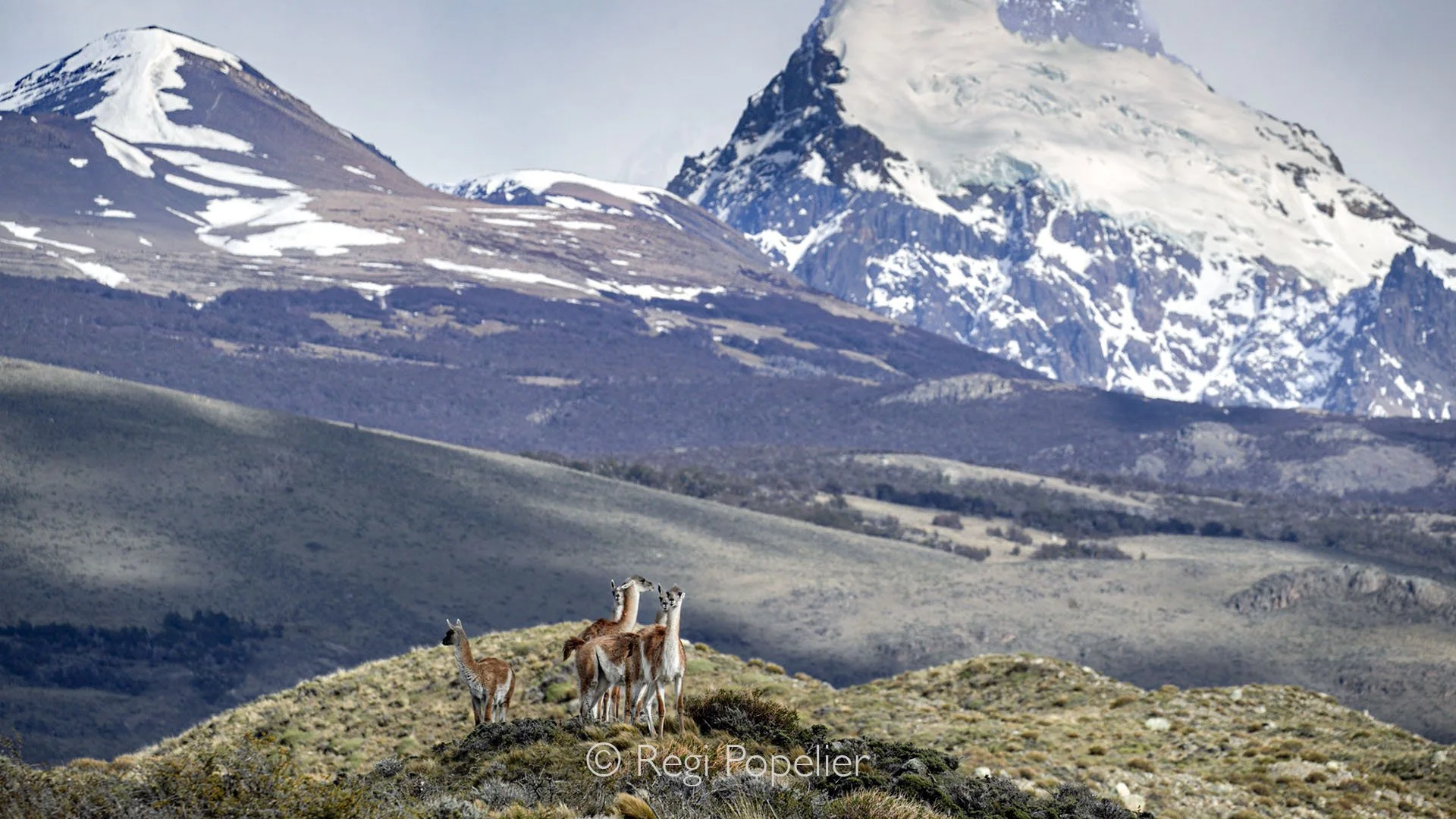
ARG011 - A small group of guanaco standing proudly in front of the Patagonian mountains, surrounded by a patch of golden grasses, the perfect glimpse of wild Patagonia.
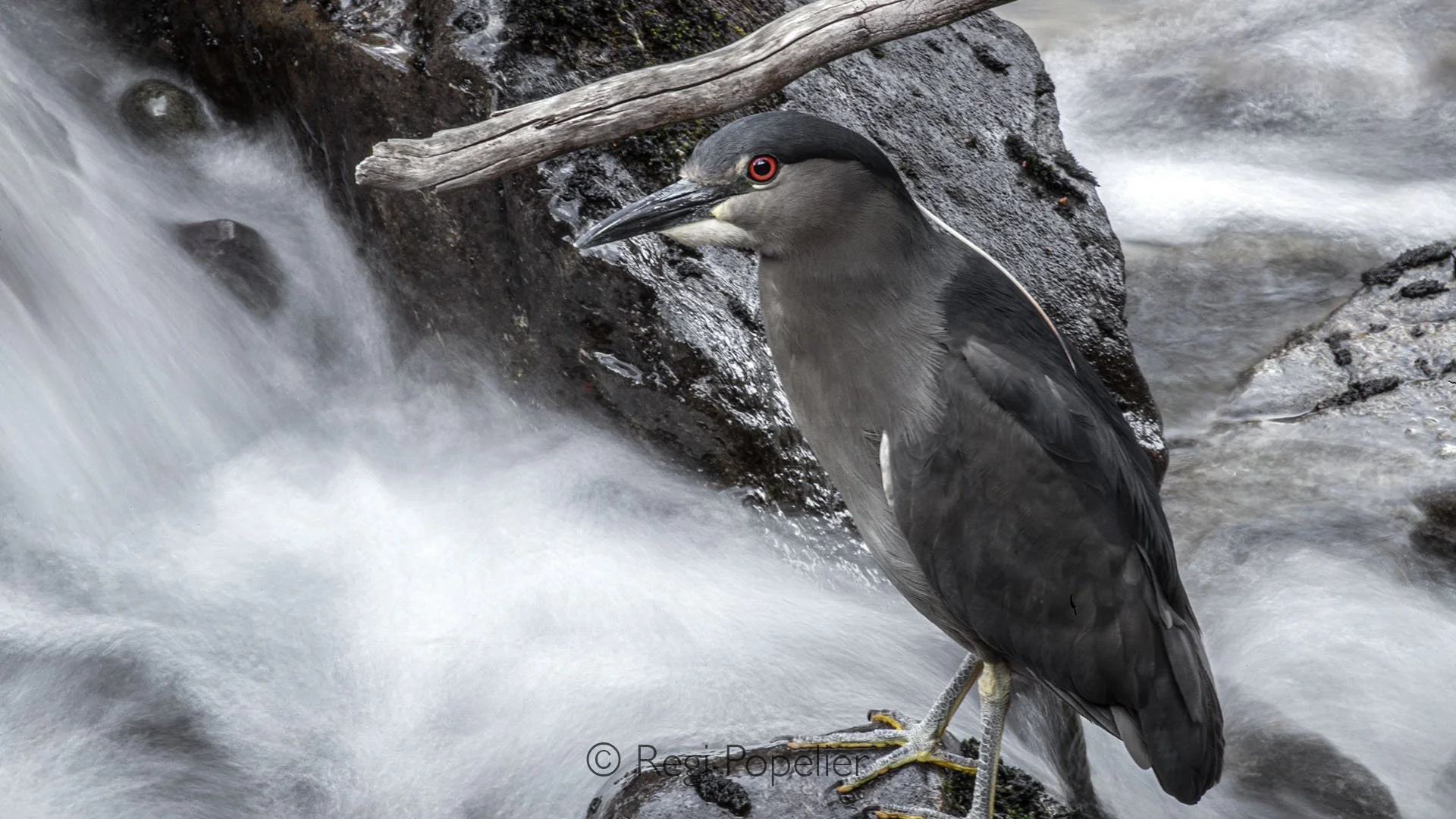
ARG012 - Striated Heron by the flowing water ,captured with long exposure to reveal the serene movement of the stream.
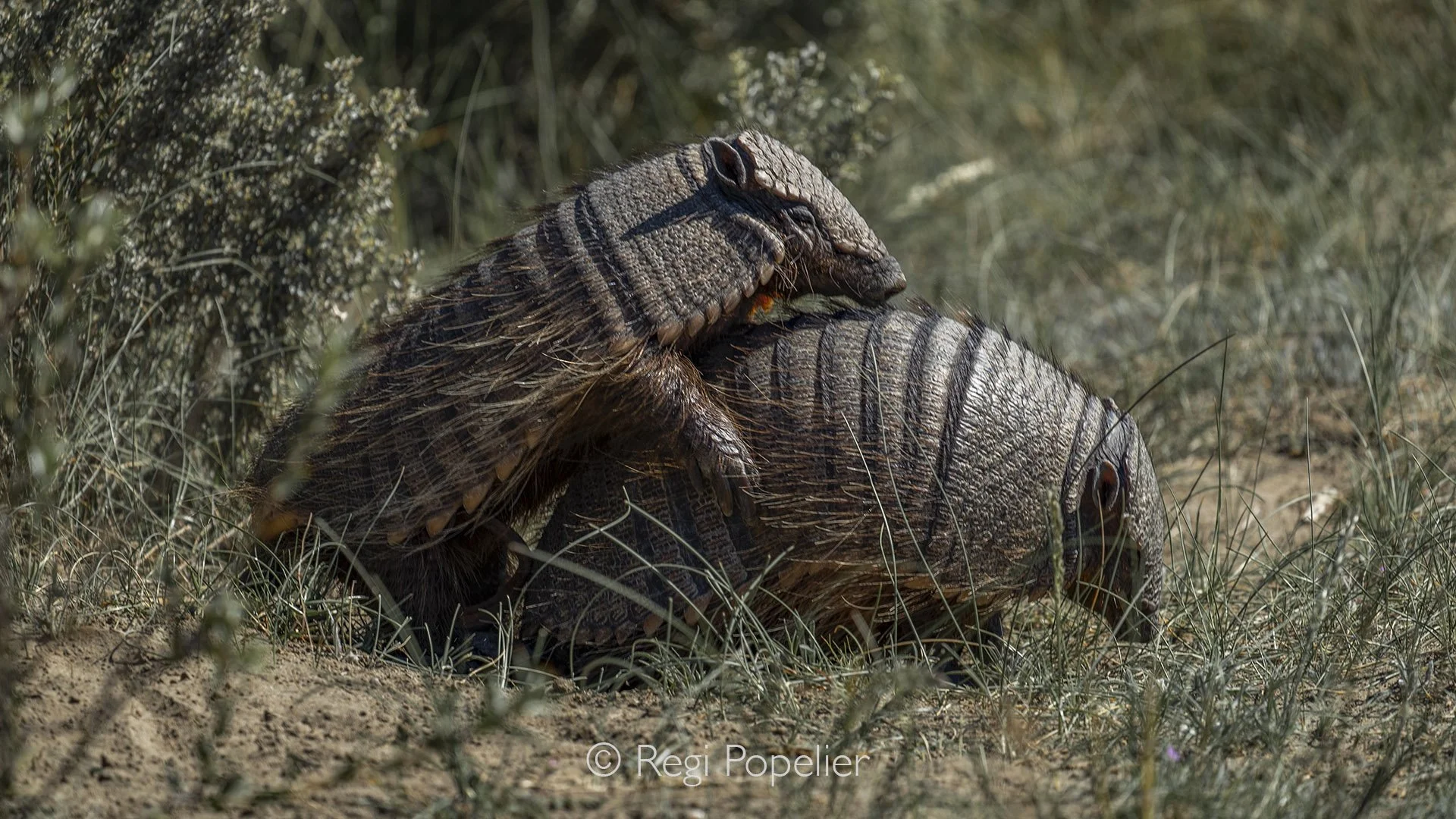
ARG013 - Mating Nine-banded Armadillos, very rare glimpse into the secret life of these unique nocturnal creatures.
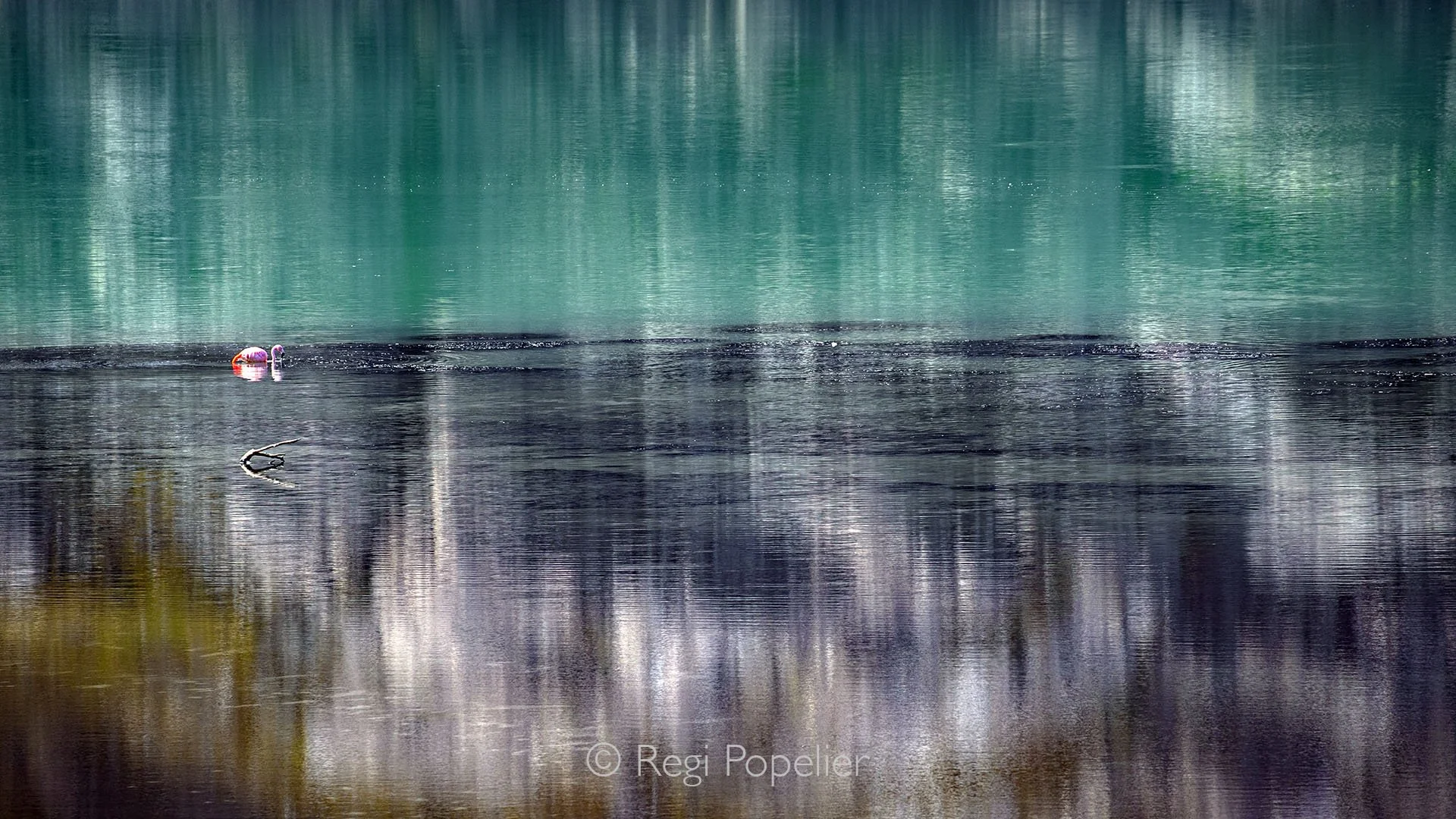
ARG014 - Lonely flamingo wading through the stunningly colored waters of a Patagonian lake, the nature’s palette on display.
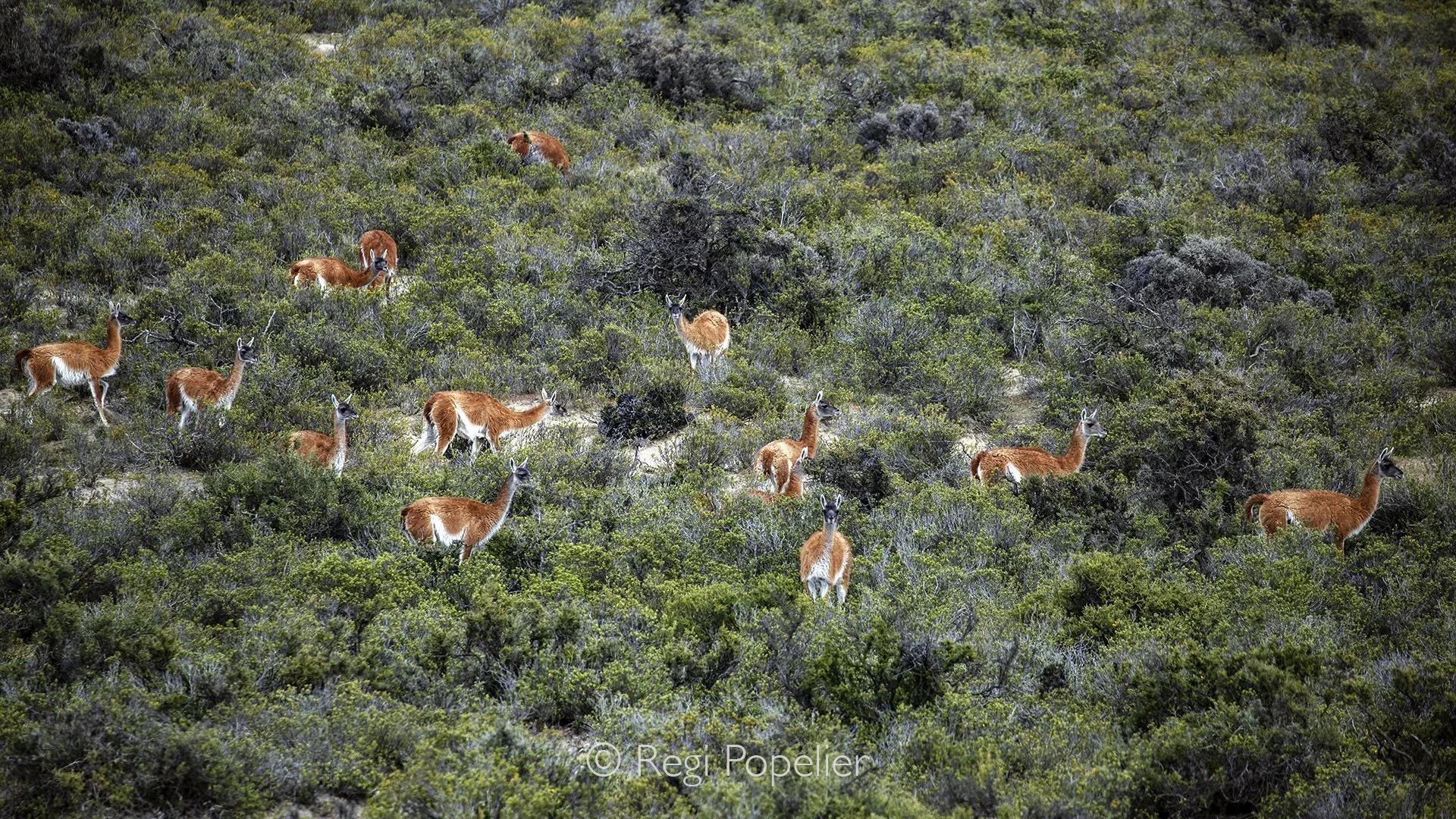
ARG015 - Group of guanaco grazing in the lush greenery of Patagonia, this is a peaceful scene in the heart of the wild steppe.
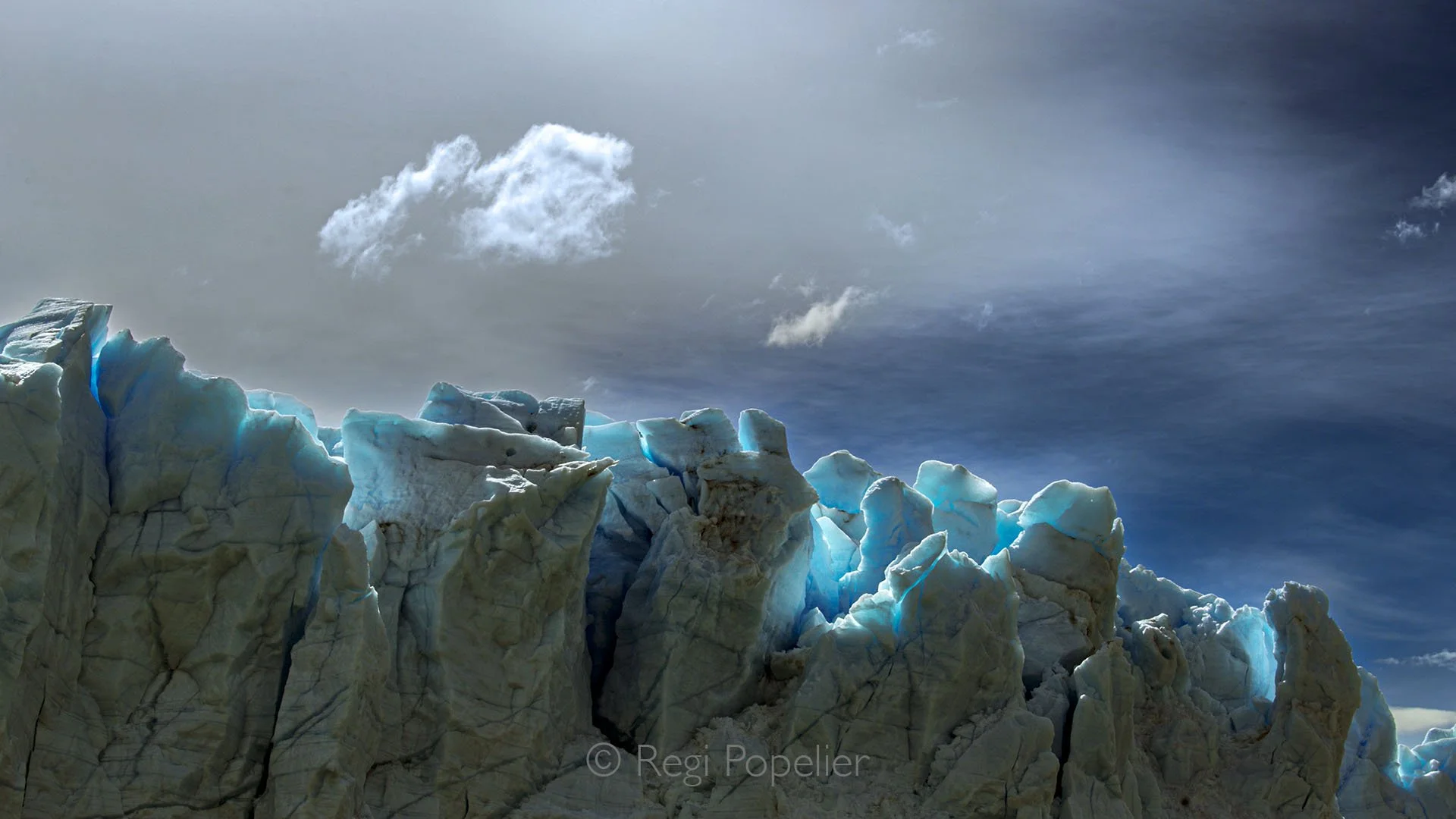
ARG016 - Perito Moreno Glacier in stunning detail.
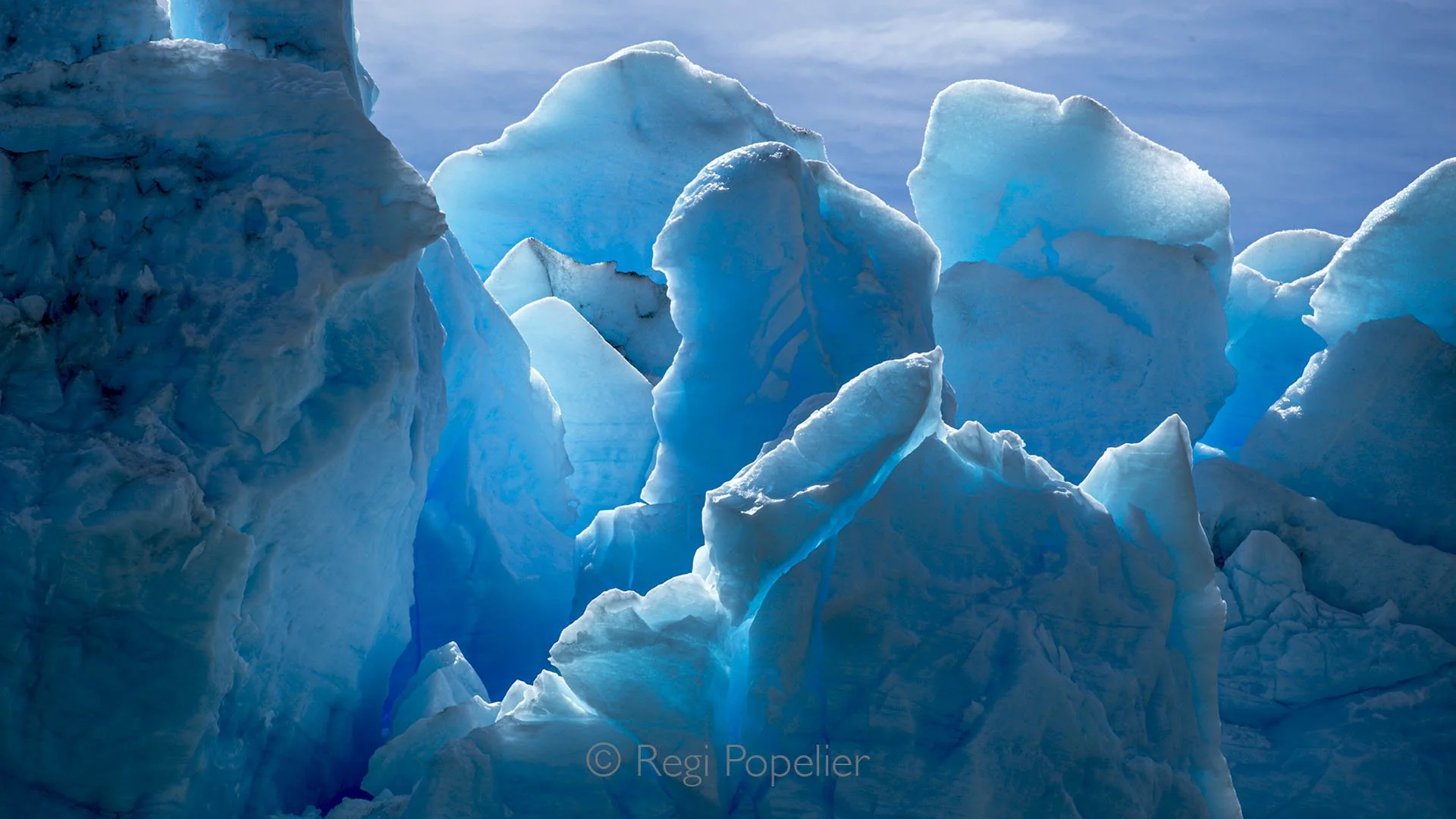
ARG017 - Light dancing through the frozen ice formations creates a mesmerizing display.
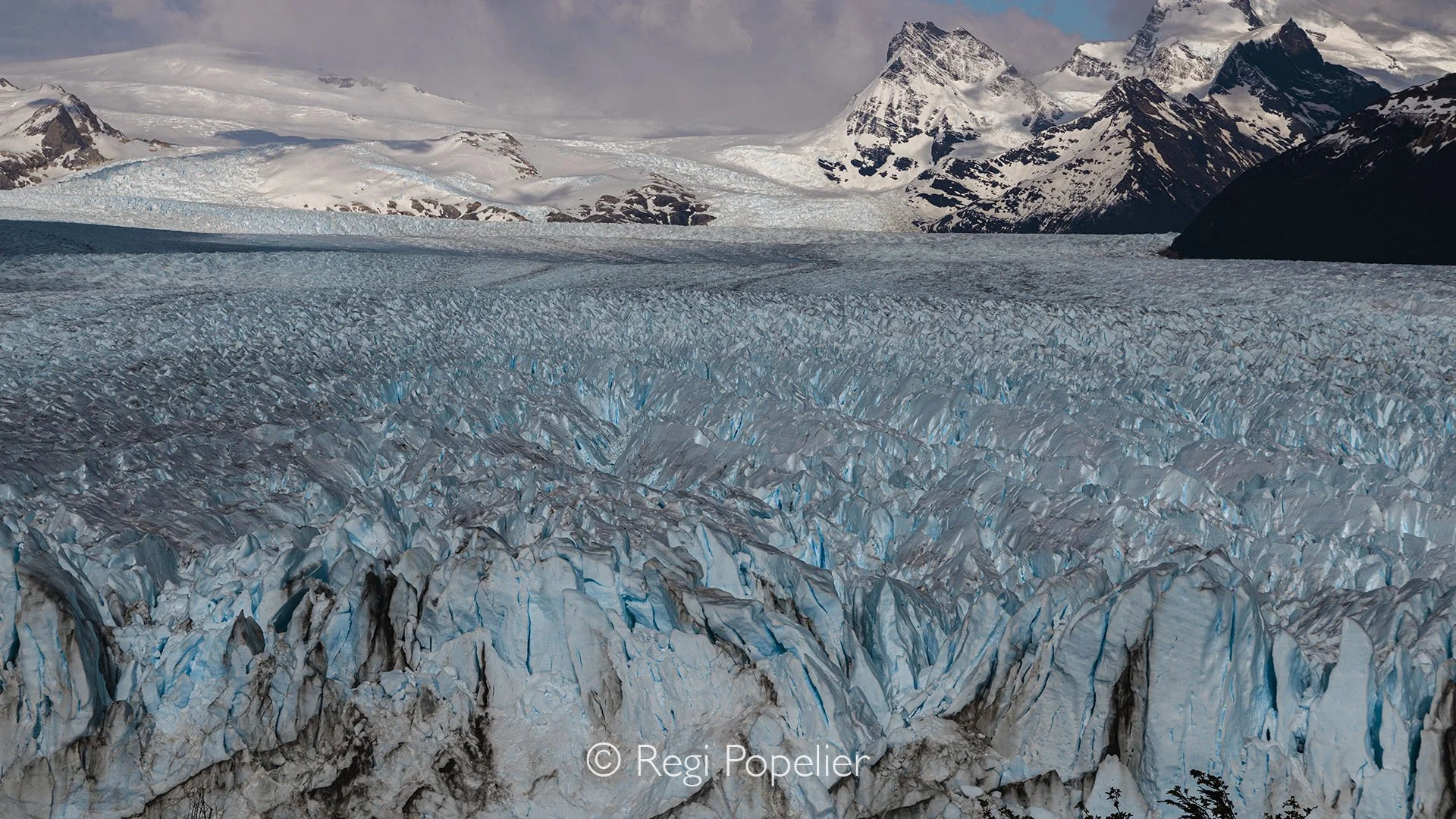
ARG018 - Perito Moreno Glacier enjoy this breathtaking general view of one of Patagonia’s most iconic natural wonders.
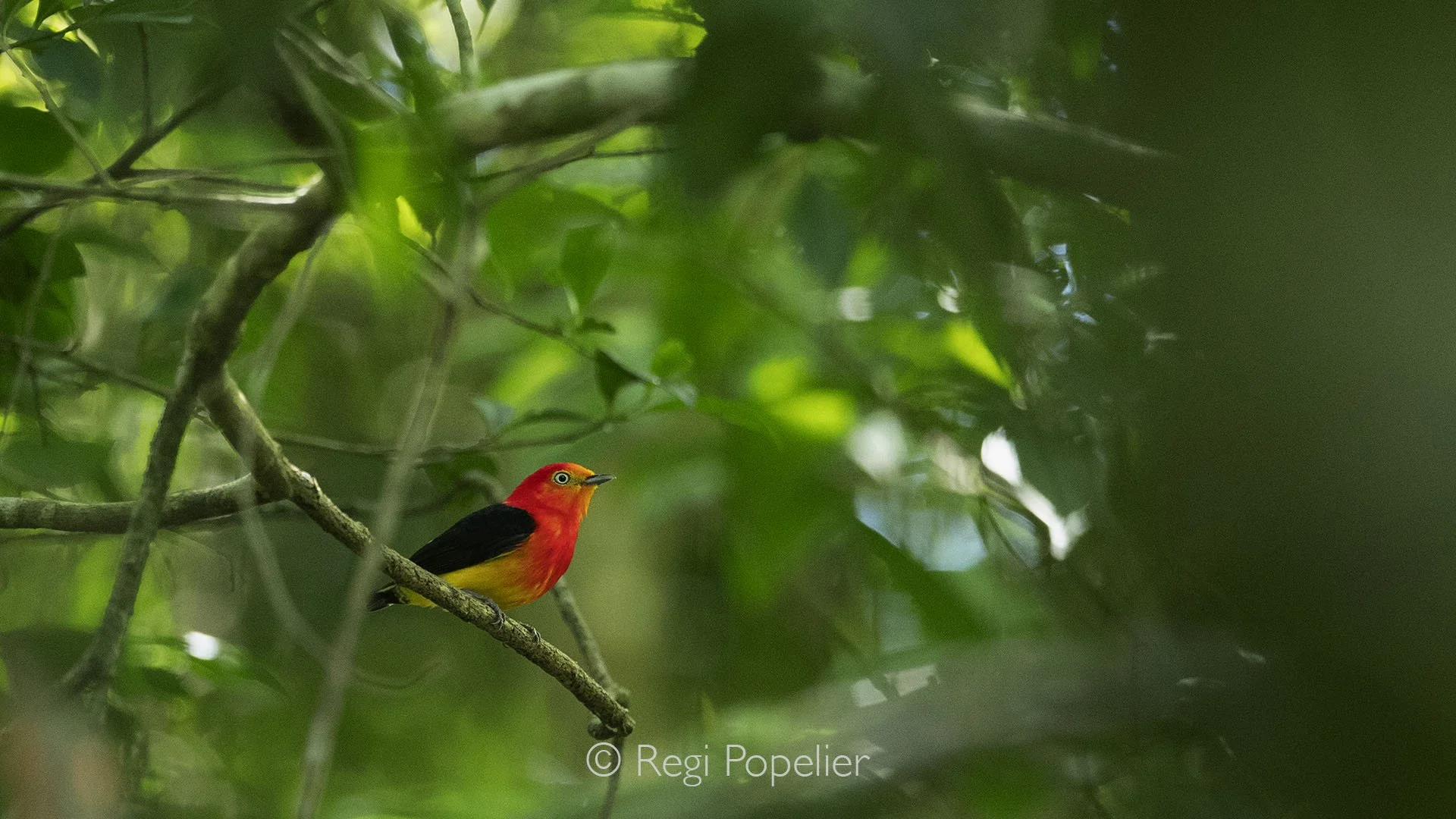
ARG019 - Wire-tailed Manakin in its vibrant glory ,little or tiny jewel of the tropical forests.
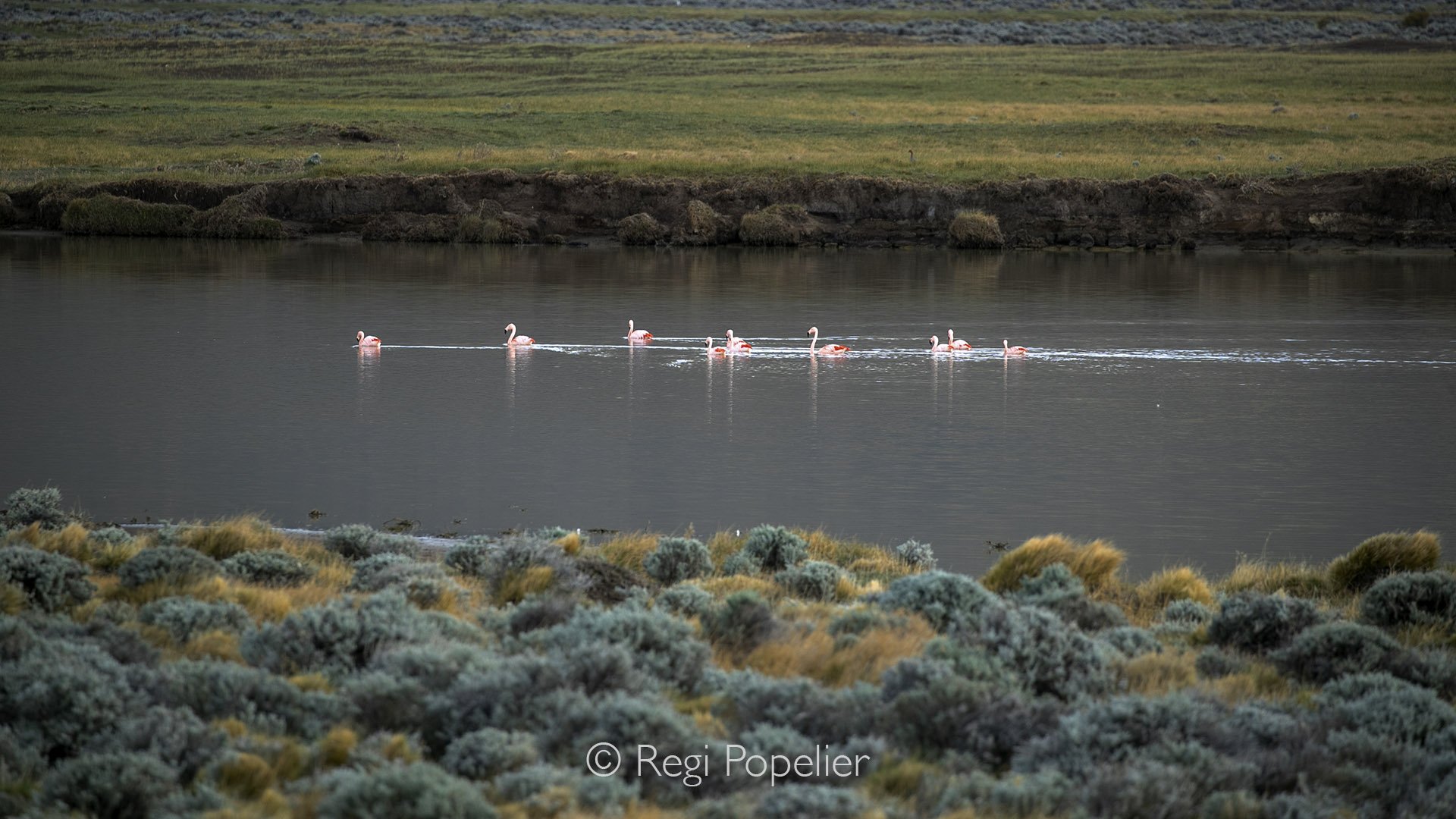
ARG020 - Small group of flamingos wading through a serene riverbed, another peaceful glimpse of nature’s elegance.