Stripes
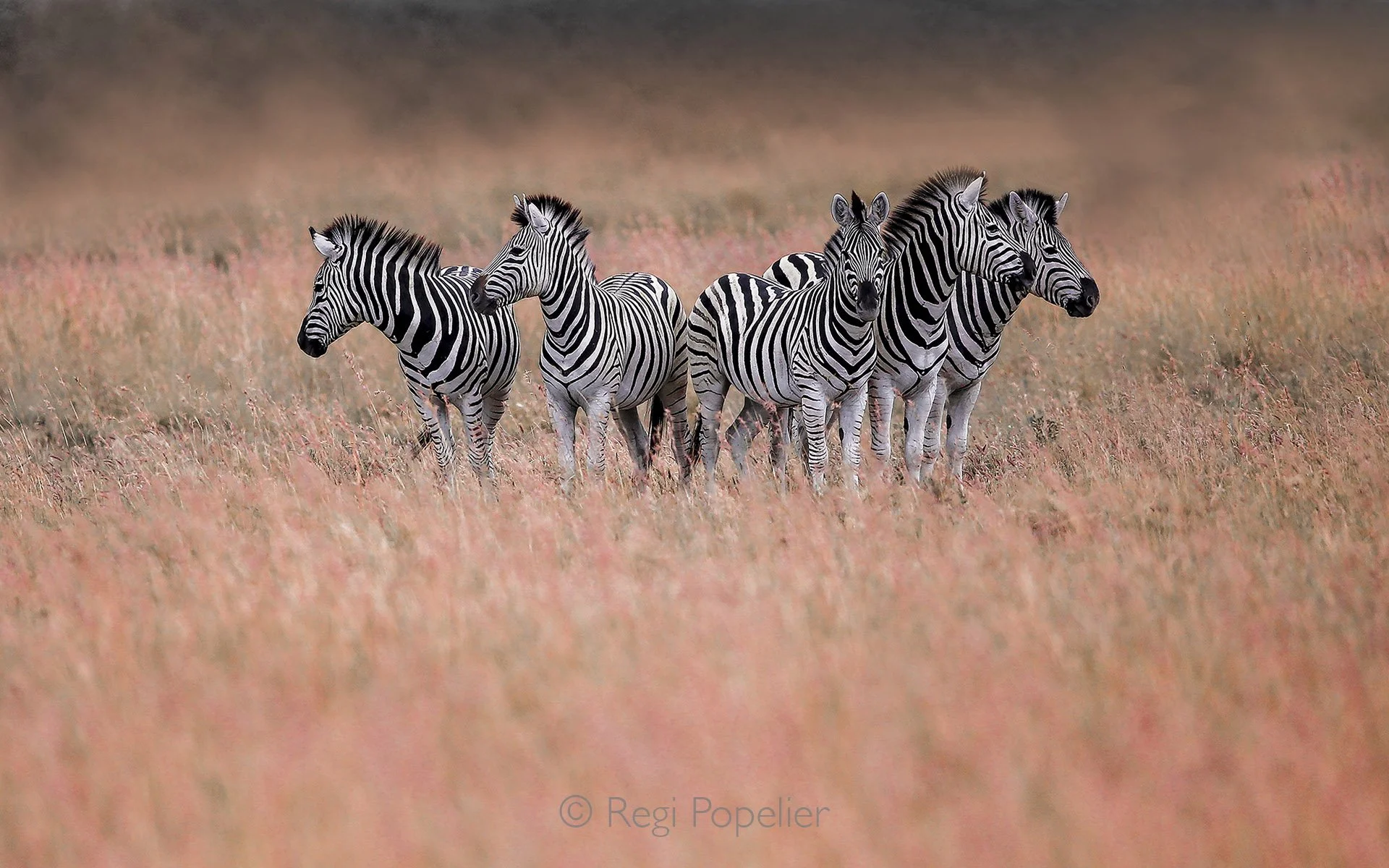
Bordering the vast Kalahari Desert, Nxai Pan National Park in Botswana is a truly exceptional place to visit. Part of the greater Makgadikgadi salt pan system, this remote wilderness feels timeless and untouched, offering nature lovers a rare blend of desert landscapes and seasonal abundance. February, in particular, is one of the best months to experience Nxai Pan wildlife and safari photography. After the summer rains, the normally pale and dusty plains are transformed into sweeping fields of fresh grass and open blue skies.
The floodplains come alive with color. Lovely tufts of indigenous grasses, especially Themeda triandra, carpet the park in delicate shades of green and blue-green. In the soft Kalahari light these grasses are often flushed with gentle pink tones, and as the season progresses they deepen to rich red and golden hues with age. Scattered among them stand the famous baobab trees of Nxai Pan, ancient sentinels that create dramatic silhouettes and unforgettable photographic subjects. For a wildlife photographer, the contrast between new growth and old desert earth is simply magical.
Each year the rainy season signals the start of one of Botswana’s great natural spectacles – the zebra migration. Approximately 30,000 sets of hooves thunder across Nxai Pan as herds move southward in the early months of the year. Clouds of fine white dust are kicked high into the air as zebras, wildebeest, and other herbivores run through the renewed plains. Predators follow closely behind, knowing that where the grazers gather, opportunity is never far away. This migration through the Makgadikgadi and Nxai Pan region is one of Africa’s last remaining mass wildlife movements and a powerful reminder of how vital these protected areas are.
Although the park lies on the edge of harsh desert, February reveals its softer side. Shallow pools fill with waterbirds, antelope give birth on the open plains, and elephants drift in from surrounding woodlands to feed on the nutritious new grasses. Every day on safari brings something different, changing weather, changing colors, and constantly moving wildlife. Visitors to Nxai Pan at this time of year witness Botswana biodiversity at its most vibrant and dynamic.
For those who love wide horizons, pristine nature, and authentic Botswana safari experiences, Nxai Pan National Park remains a hidden gem. It is a place where the rhythms of rain and migration still dictate life, and where photographers and travelers alike can feel deeply connected to the wild heart of the Kalahari.
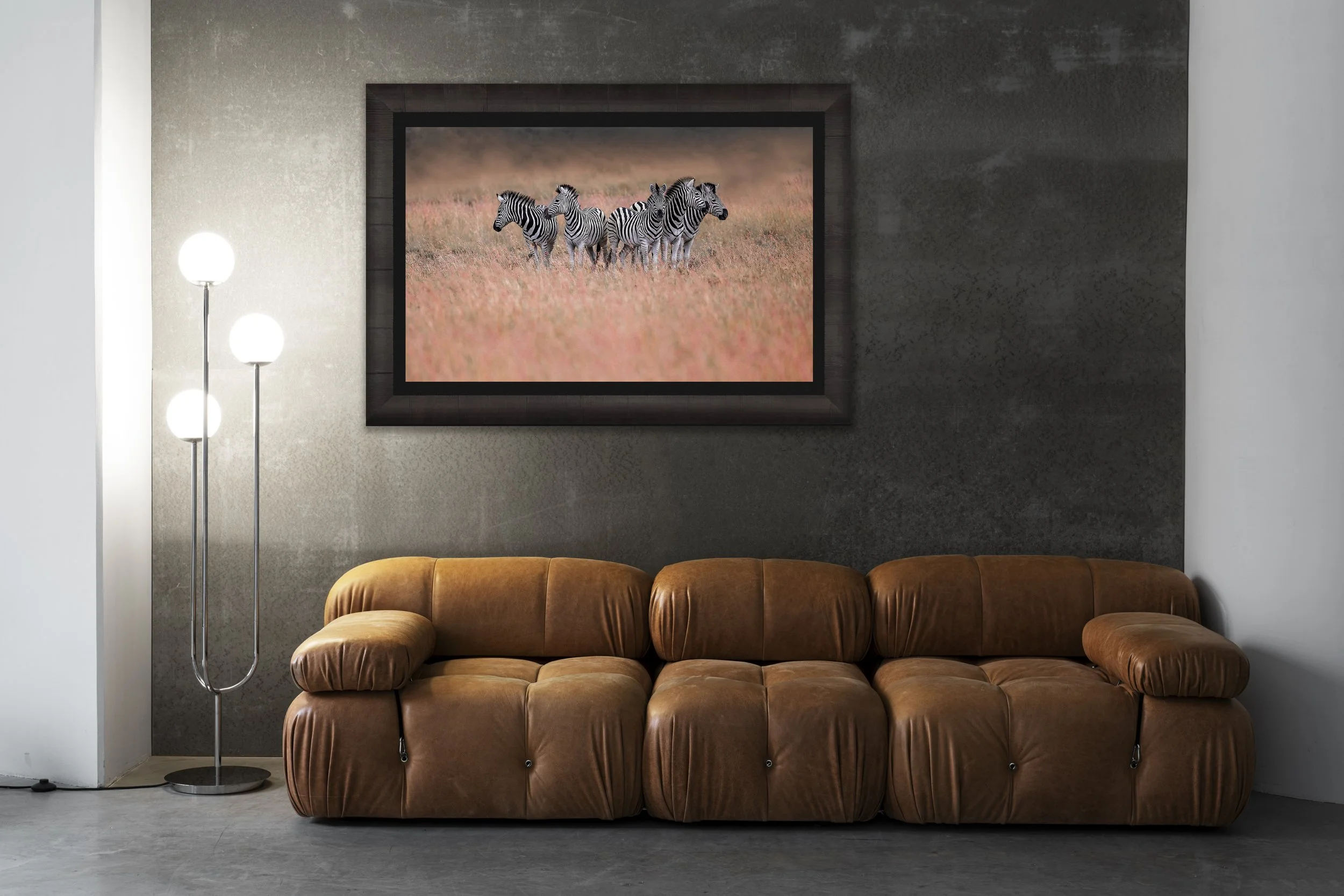
This image is also available on request through the contact form in a variety of sizes and premium finishes, including , ChromaLuxe Glossy, ChromaLuxe Matte, Dibond Glossy, Dibond Matte. If you are looking for a custom size or presentation, feel free to get in touch to discuss the available options.
Nxai Pan | Botswana
Bordering the vast Kalahari Desert, Nxai Pan National Park in Botswana is a truly exceptional place to visit. Part of the greater Makgadikgadi salt pan system, this remote wilderness feels timeless and untouched, offering nature lovers a rare blend of desert landscapes and seasonal abundance. February, in particular, is one of the best months to experience Nxai Pan wildlife and safari photography. After the summer rains, the normally pale and dusty plains are transformed into sweeping fields of fresh grass and open blue skies.
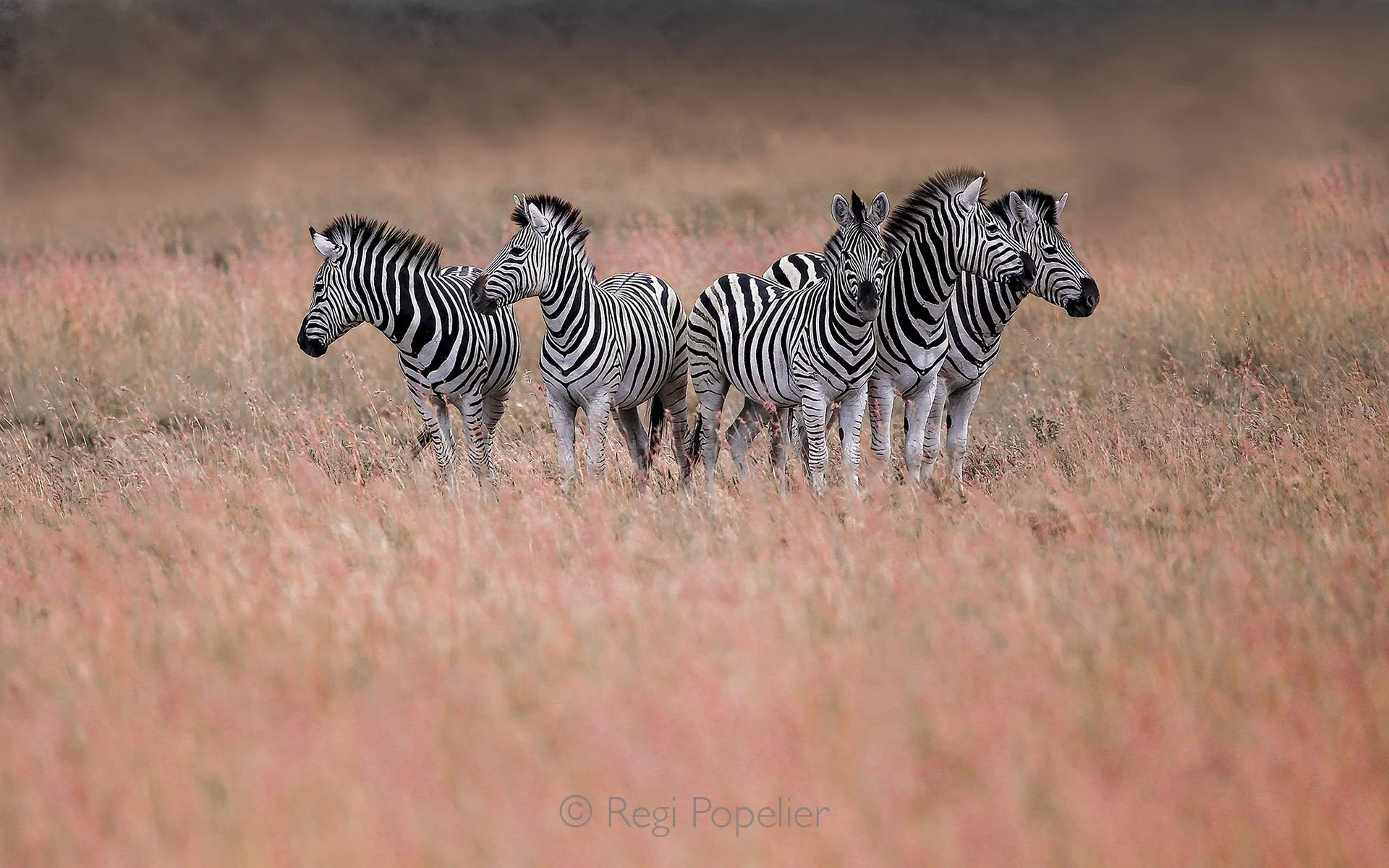
The floodplains come alive with color. Lovely tufts of indigenous grasses, especially Themeda triandra, carpet the park in delicate shades of green and blue-green. In the soft Kalahari light these grasses are often flushed with gentle pink tones, and as the season progresses they deepen to rich red and golden hues with age. Scattered among them stand the famous baobab trees of Nxai Pan, ancient sentinels that create dramatic silhouettes and unforgettable photographic subjects. For a wildlife photographer, the contrast between new growth and old desert earth is simply magical.
Each year the rainy season signals the start of one of Botswana’s great natural spectacles – the zebra migration. Approximately 30,000 sets of hooves thunder across Nxai Pan as herds move southward in the early months of the year. Clouds of fine white dust are kicked high into the air as zebras, wildebeest, and other herbivores run through the renewed plains. Predators follow closely behind, knowing that where the grazers gather, opportunity is never far away. This migration through the Makgadikgadi and Nxai Pan region is one of Africa’s last remaining mass wildlife movements and a powerful reminder of how vital these protected areas are.
Although the park lies on the edge of harsh desert, February reveals its softer side. Shallow pools fill with waterbirds, antelope give birth on the open plains, and elephants drift in from surrounding woodlands to feed on the nutritious new grasses. Every day on safari brings something different, changing weather, changing colors, and constantly moving wildlife. Visitors to Nxai Pan at this time of year witness Botswana biodiversity at its most vibrant and dynamic.
For those who love wide horizons, pristine nature, and authentic Botswana safari experiences, Nxai Pan National Park remains a hidden gem. It is a place where the rhythms of rain and migration still dictate life, and where photographers and travelers alike can feel deeply connected to the wild heart of the Kalahari.
This image is also available on request through the contact form in a variety of sizes and premium finishes, including , ChromaLuxe Glossy, ChromaLuxe Matte, Dibond Glossy, Dibond Matte. If you are looking for a custom size or presentation, feel free to get in touch to discuss the available options.
Nxai Pan | Botswana