The Fragility of the Wild
Zambia is known for vast national parks, powerful rivers and wildlife moving freely through largely unfenced wilderness. During my journeys through Kafue, the Lower Zambezi and South Luangwa, however, I encountered a side of the African bush that was far removed from the idealised wilderness often imagined.
An anthrax outbreak had swept through parts of the region, leaving elephants, hippos and buffalo where they had fallen. The remains lay scattered across an otherwise timeless landscape, creating an atmosphere that was impossible to ignore. Even predators seemed affected, with lions appearing subdued rather than dominant.
At the same time, conservation teams were working quietly in the wilderness, treating affected animals and doing everything possible to protect what remained. It was a powerful reminder that even apparently endless ecosystems can be remarkably fragile.
In Kafue, I experienced another unforgettable encounter. A lioness had chosen the area beneath my raised accommodation as a shelter for herself and her two cubs. Each evening, returning along the long wooden boardwalk, I became increasingly aware of her presence. I moved carefully, observed her behaviour and never forgot that I was the visitor in her territory.
This journey changed the way I looked at Zambia. I had come searching for wildlife and beautiful images, but the bush revealed something deeper.
Nature is powerful, yet vulnerable. Photography can celebrate its beauty, but it can also remind us how much there is to lose.
For me, Zambia became a journey not only through wilderness, but through fragility, survival, responsibility and respect.
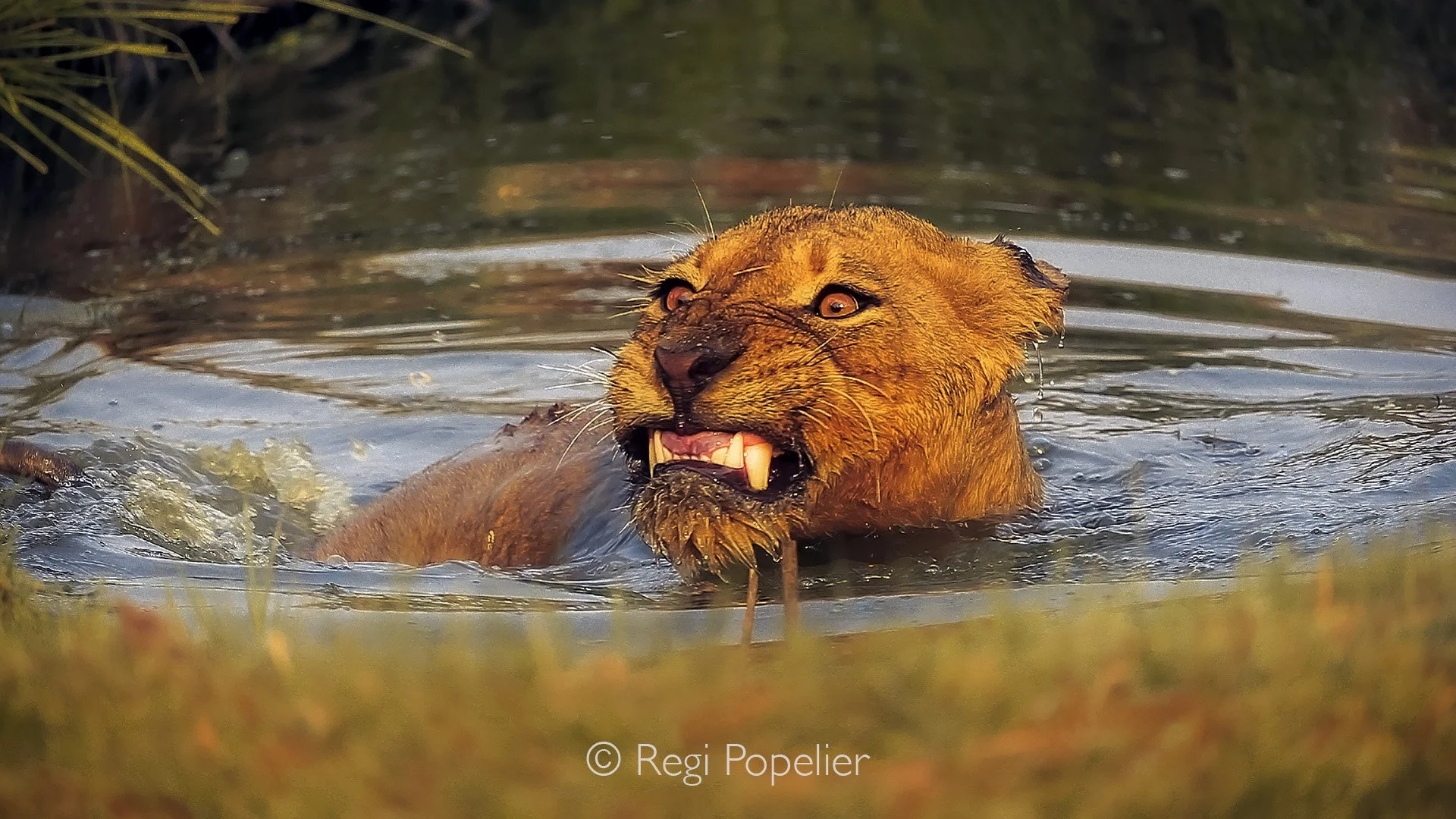
ZAMBIA 001 - The lion pushes through the water toward shore, head high and teeth bared, his expression feels like a silent protest against the stench of illness and medicine.
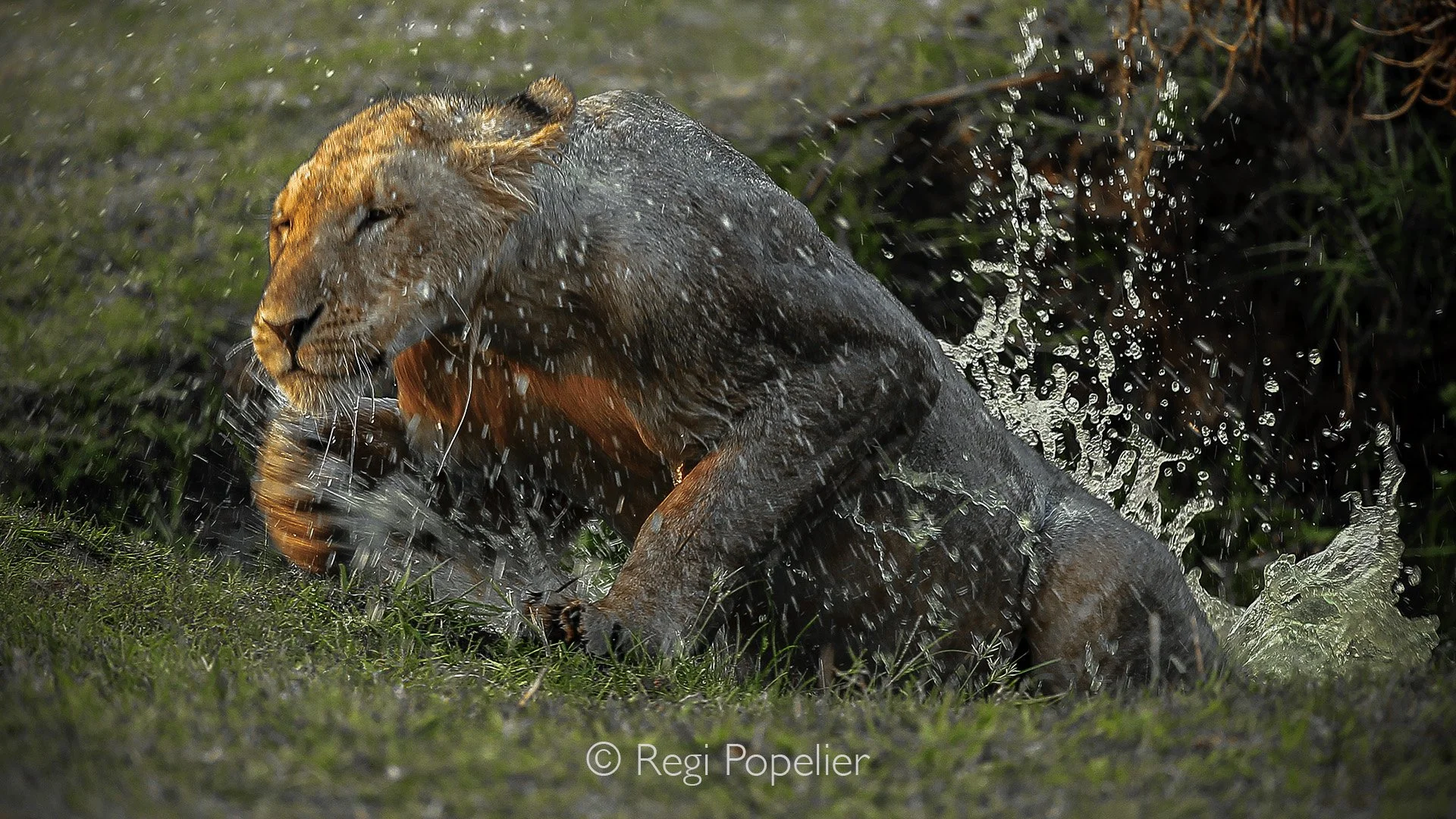
ZAMBIA002 - Climbing out of the dirty pool.
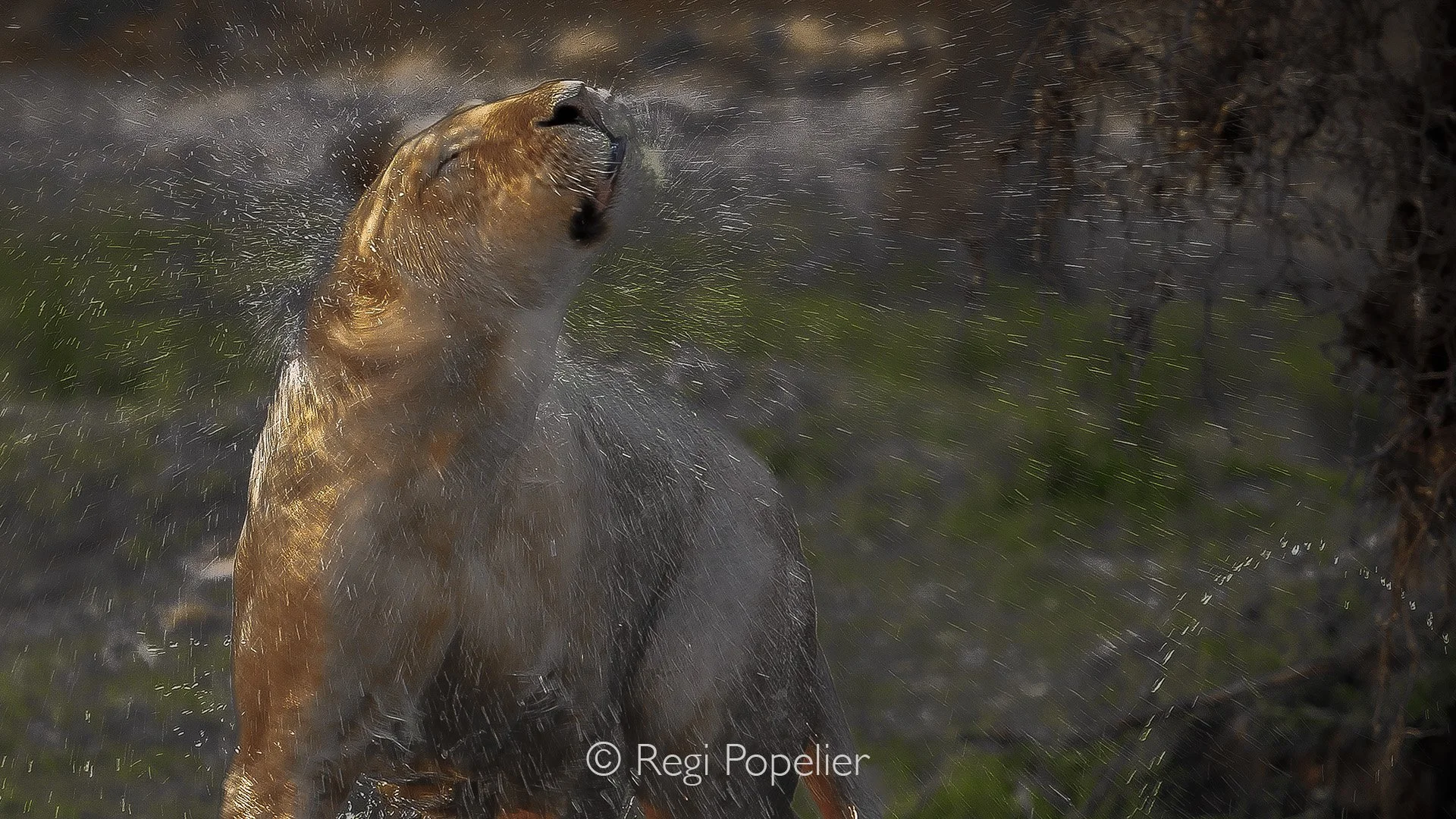
ZAMBIA003 - The lion erupts from the filthy pool, flinging water heavy with death, each shake carrying the presence of the hippos that fed it.
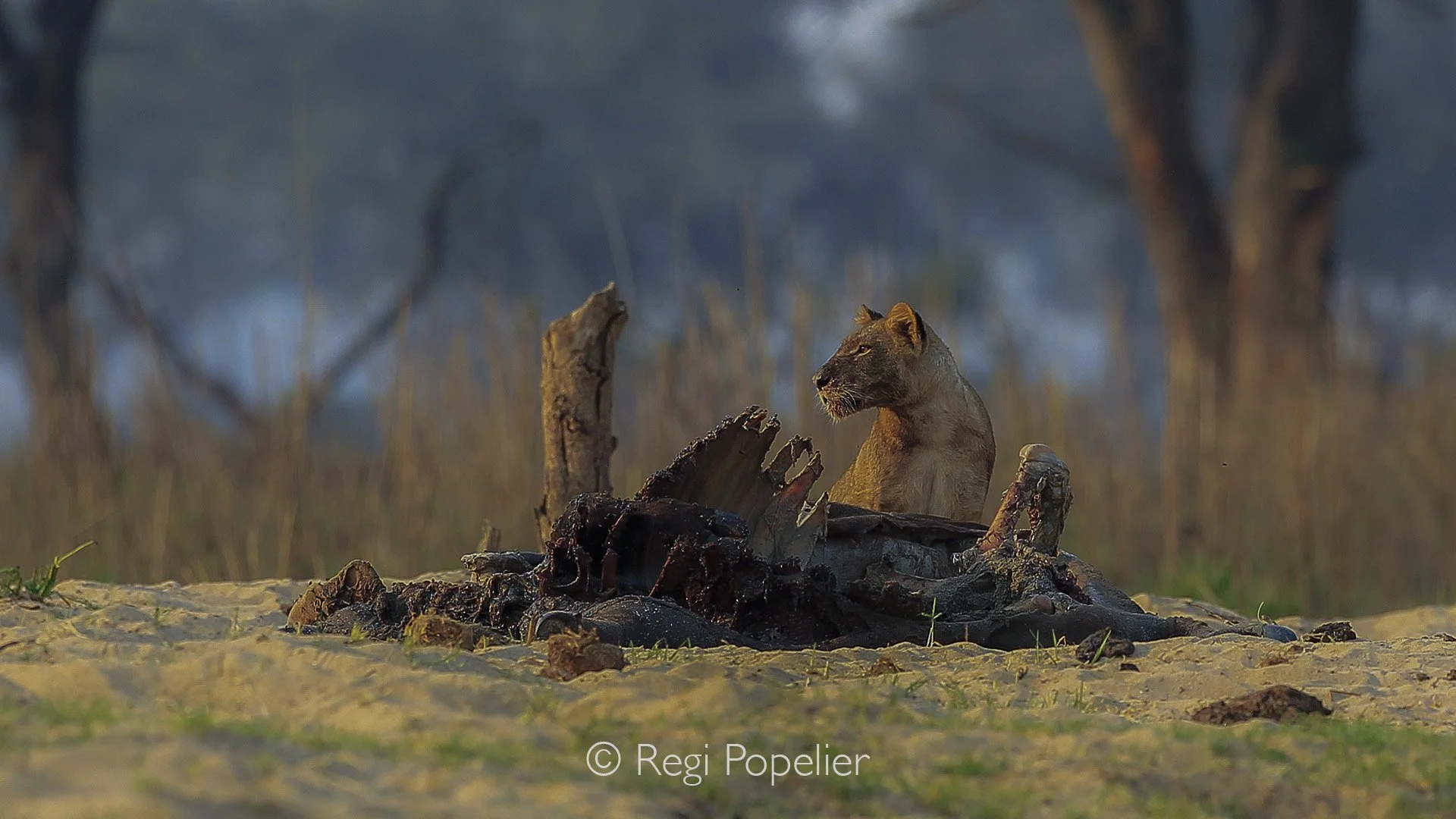
ZAMBIA004 - An infected lion stands near a decomposing carcass, too weak to hunt successfully and relying on this food for the time being.
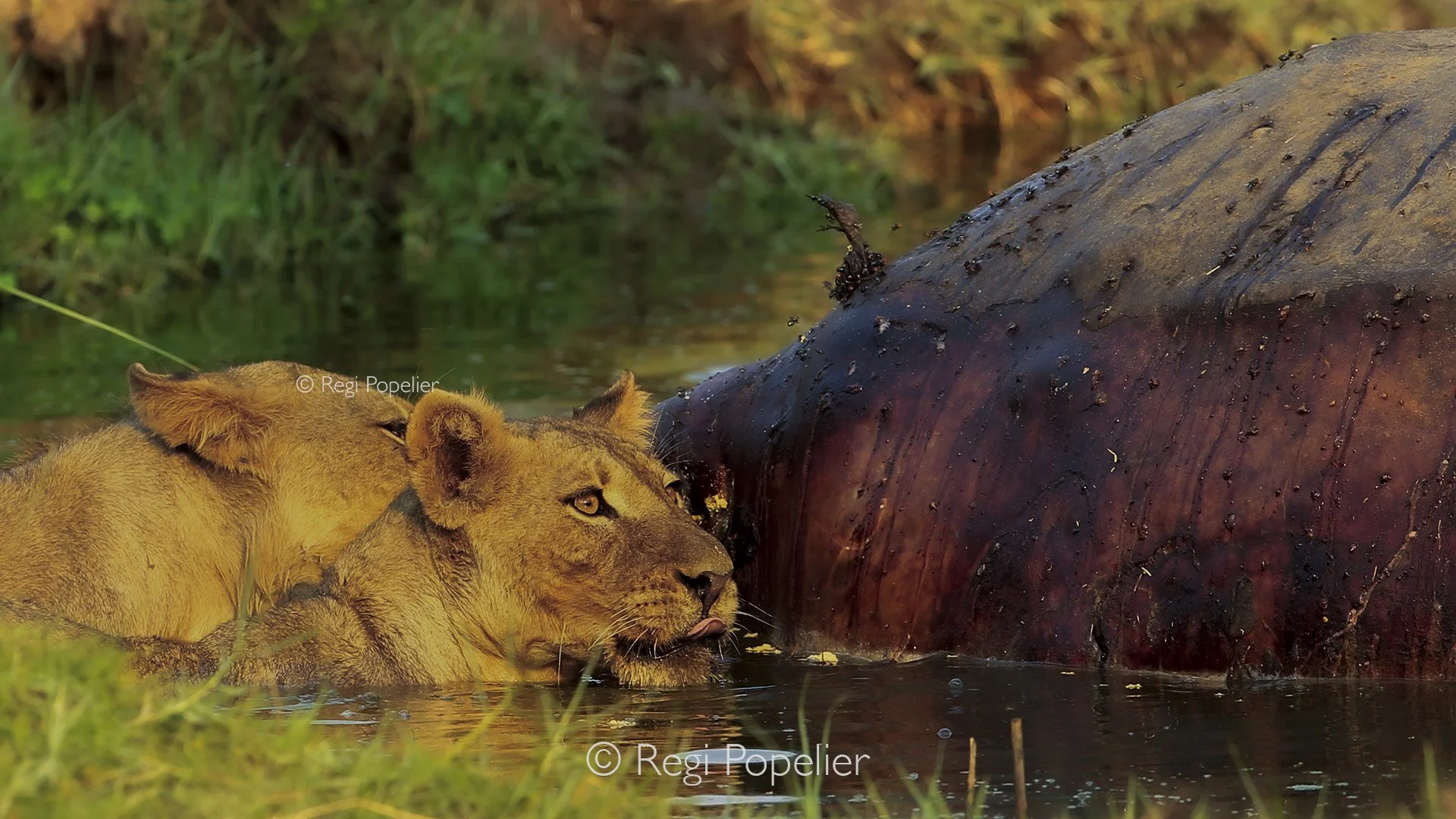
ZAMBIA005 - Approaching the corps of a dead hippo.
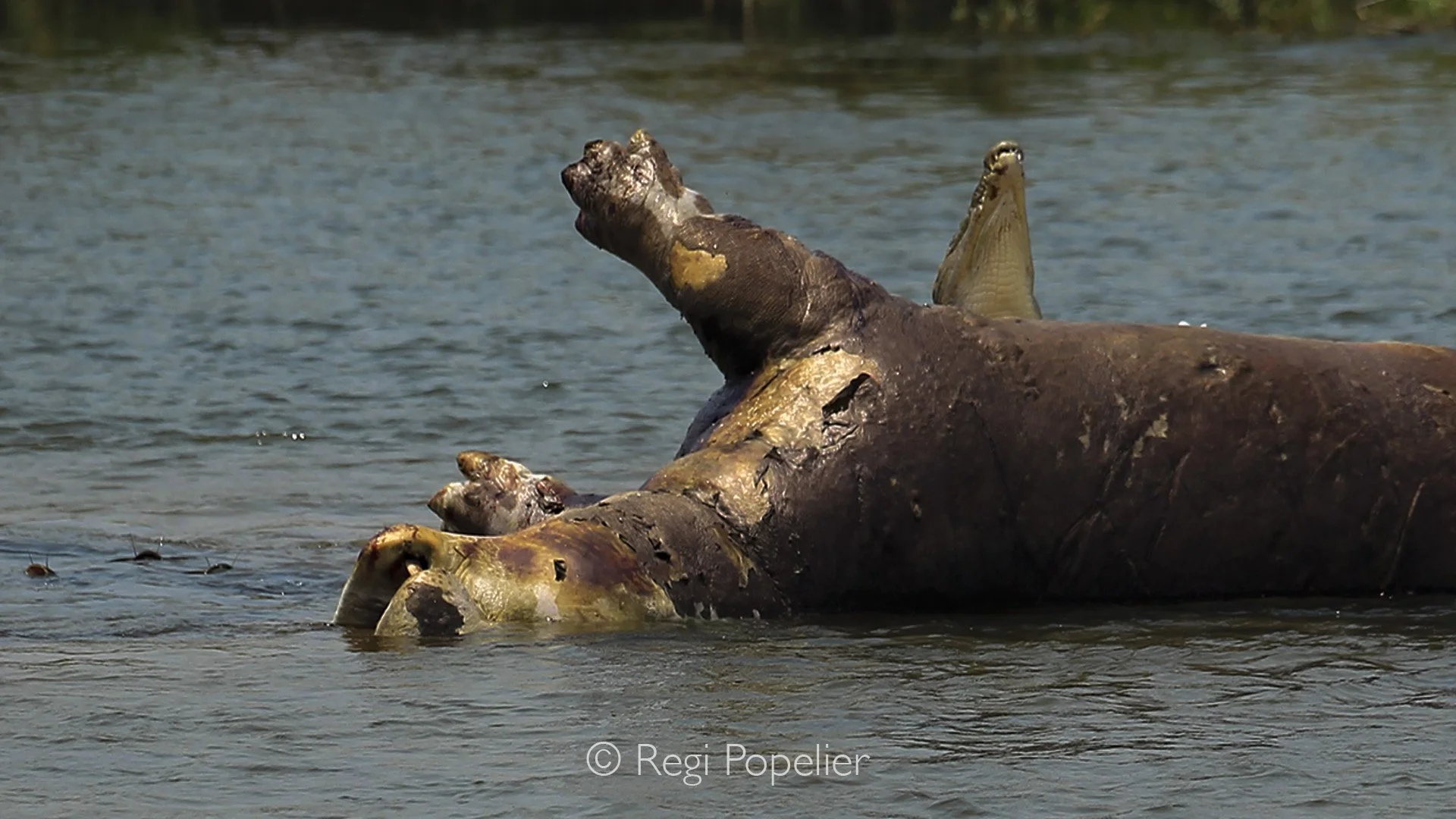
ZAMBIA006 - Another carcass in the river , crocs already at the feast.
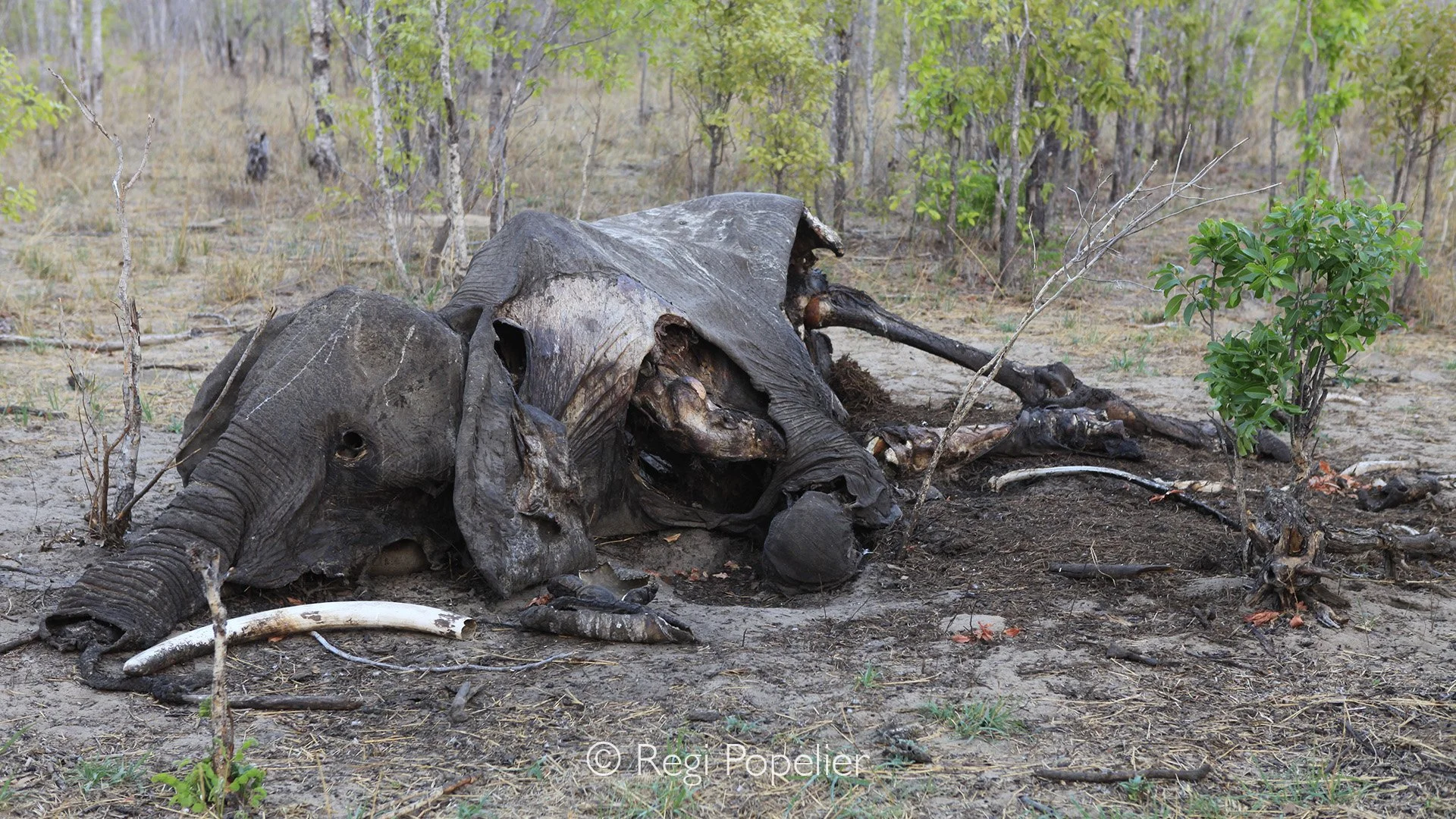
ZAMBIA007 - The remains of a dead elephant lie exposed, a sad and difficult sight to witness.
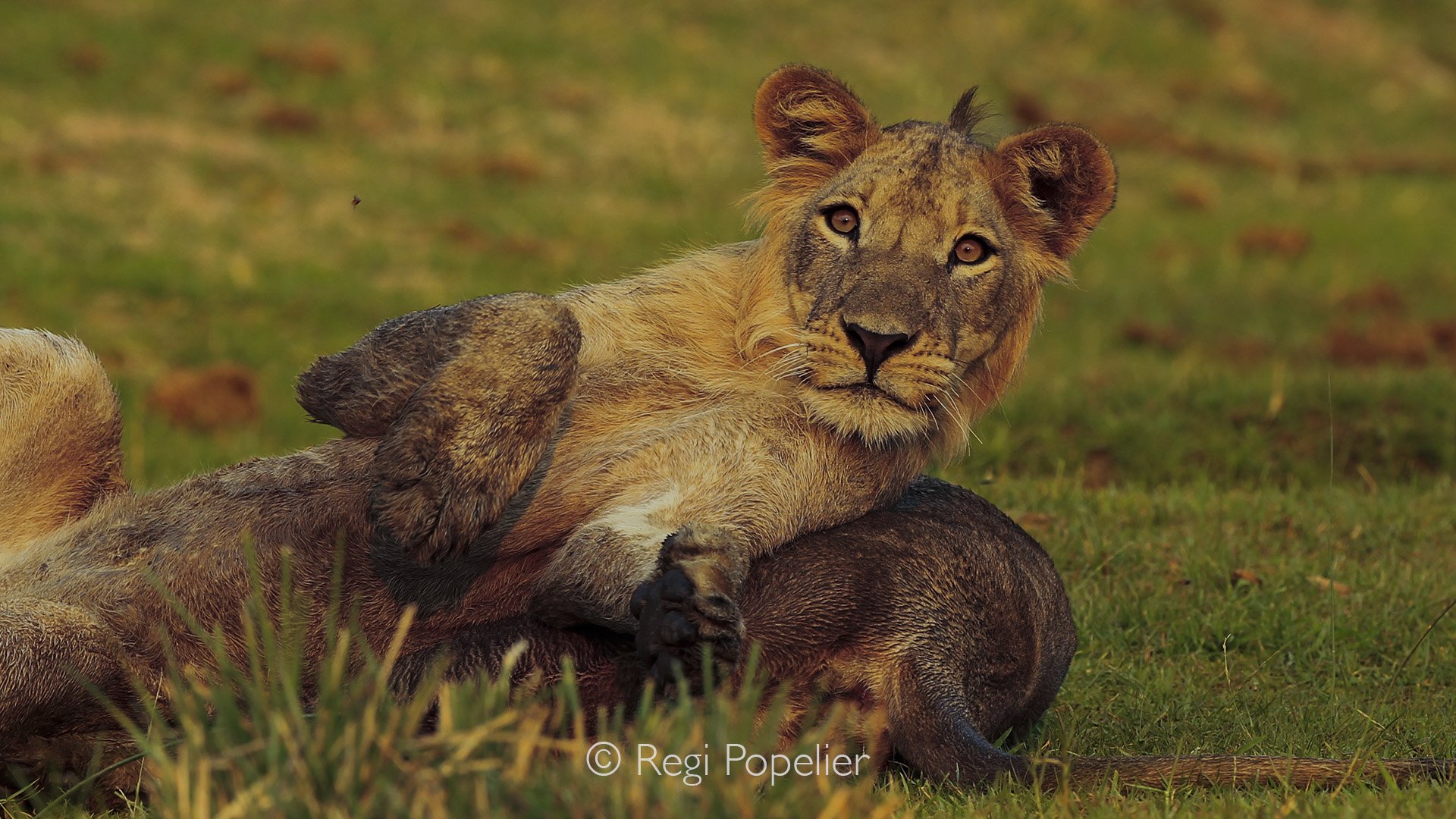
ZAMBIA008 - 5 day's later, they look so much better, treatment starts to get effect.
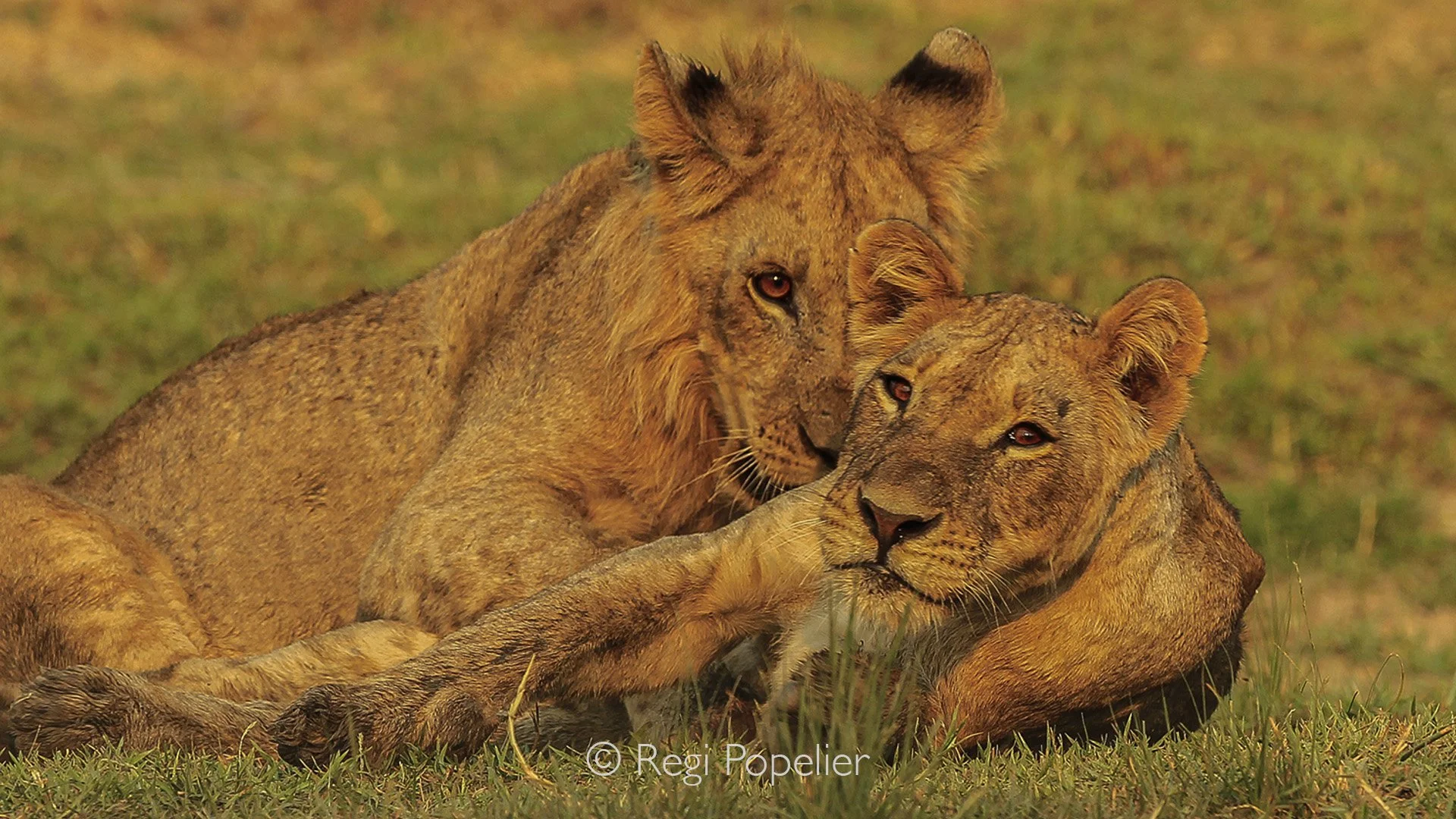
ZAMBIA009 - They start playing again, forces are returning.
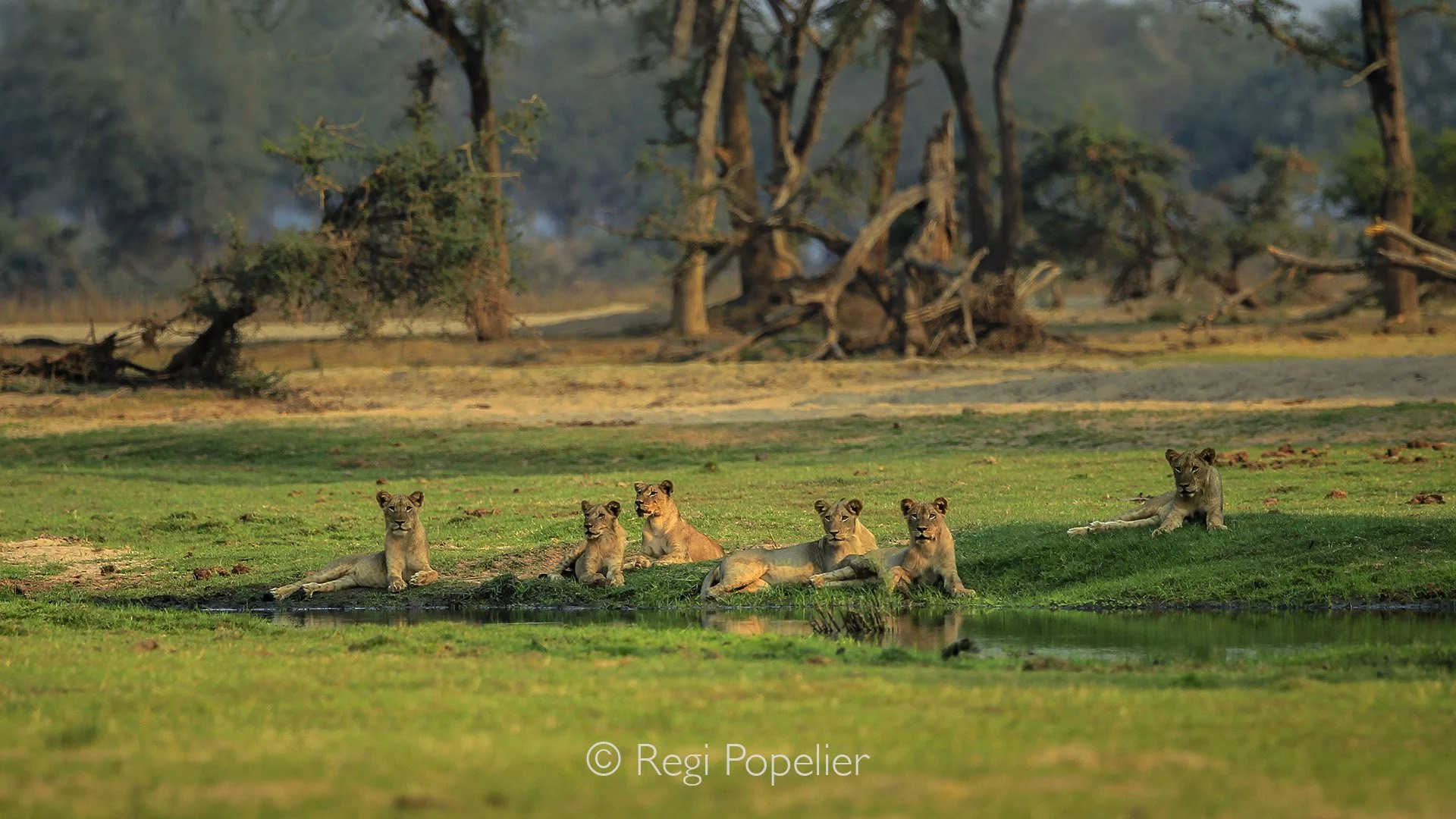
ZAMBIA010 - Still to weak, the troop lies down to rest and recover its strength.
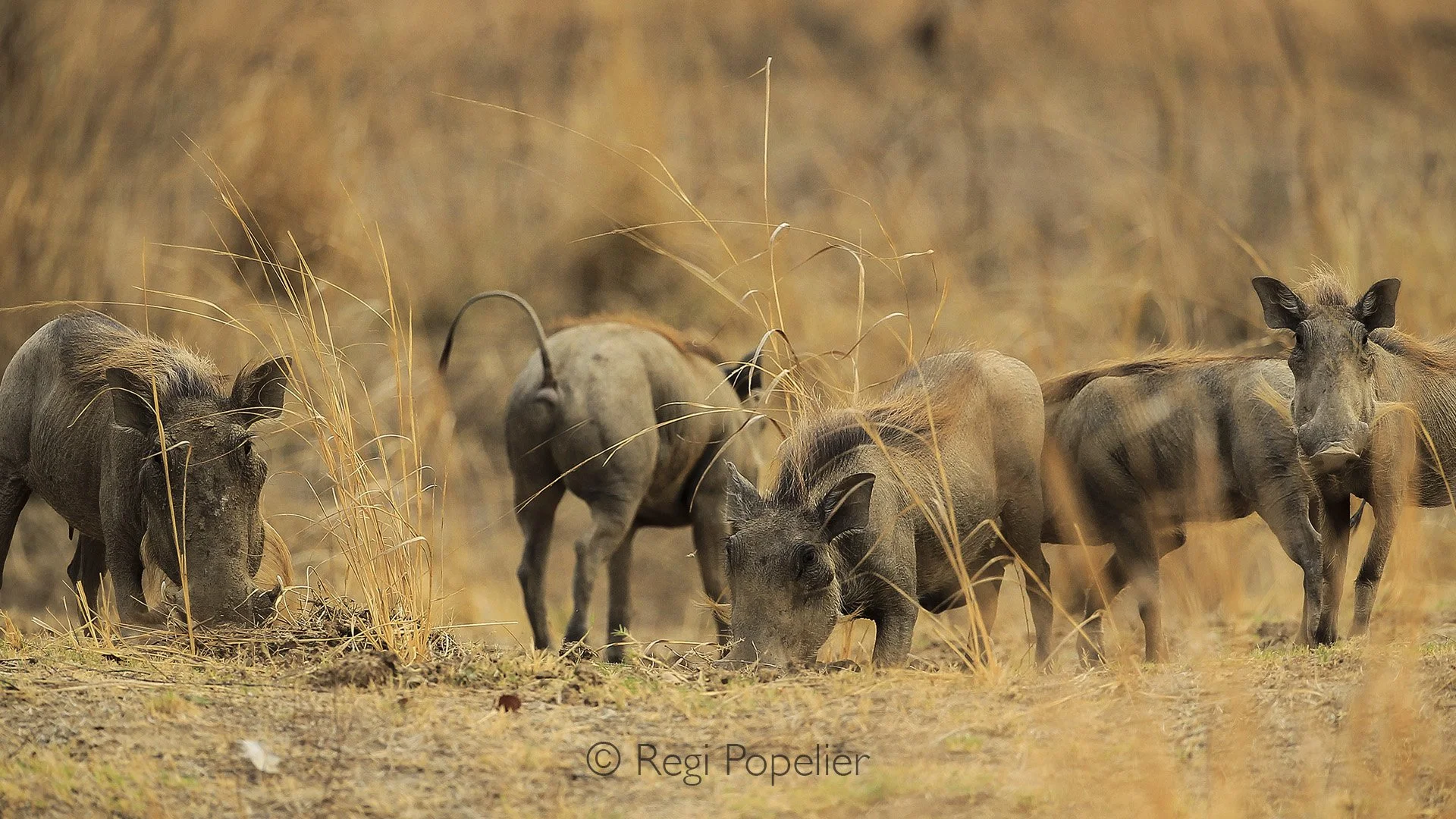
ZAMBIA011 - Warthogs feeding in the yellow grasses.
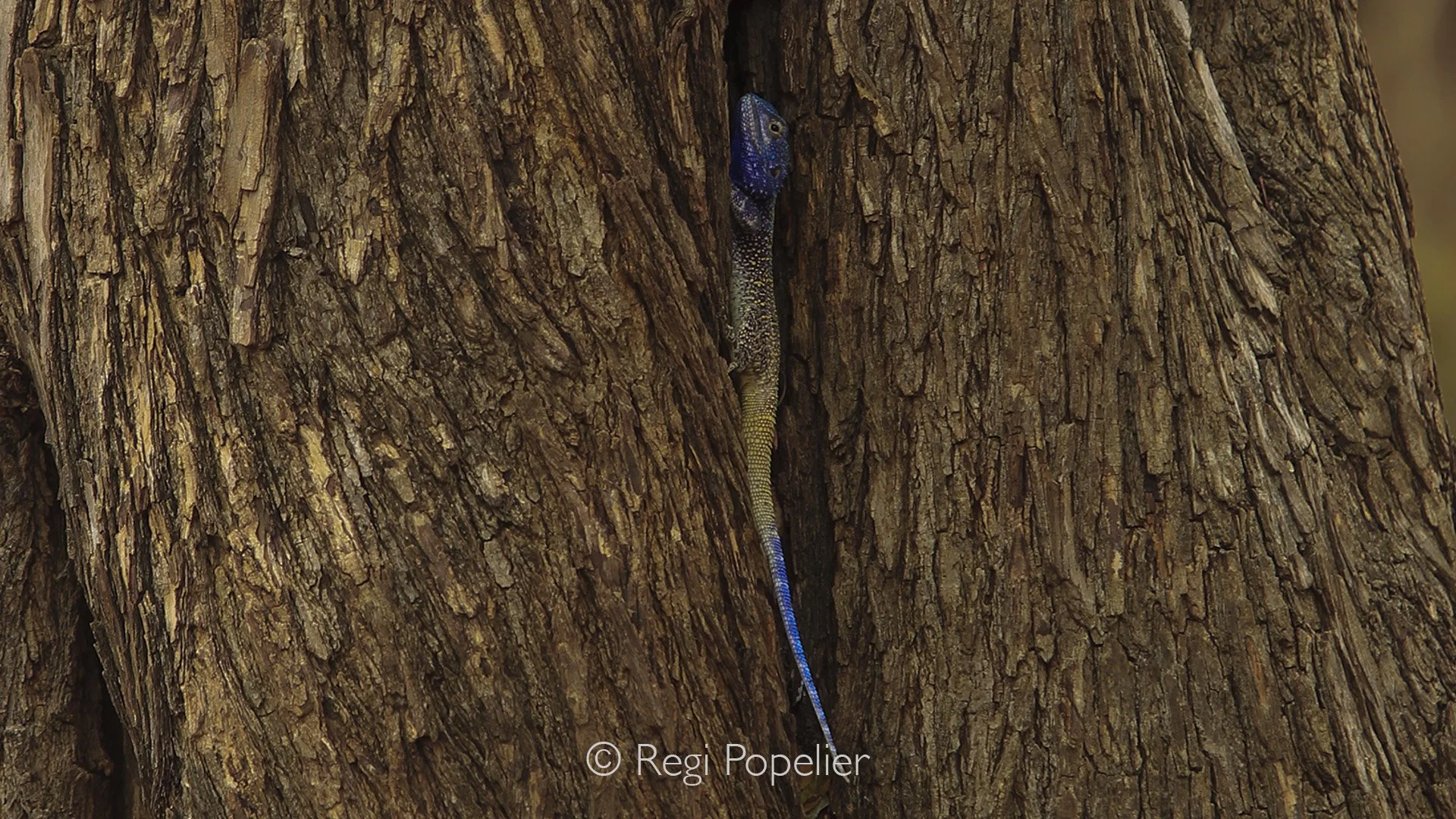
ZAMBIA012 - Blue headed agama lizard
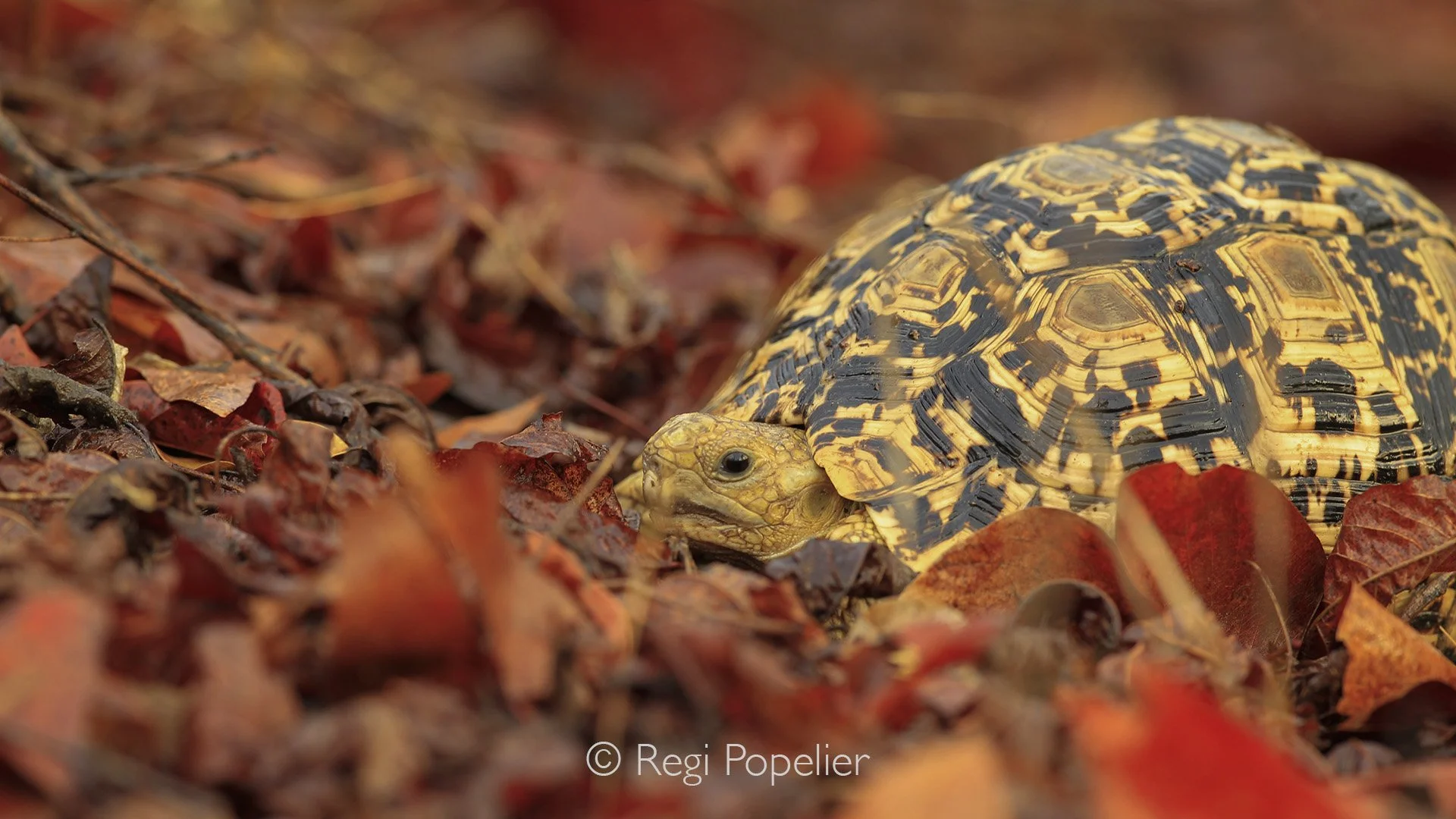
ZAMBIA013 -Leopard tortoise 1 of the 5 small ones.
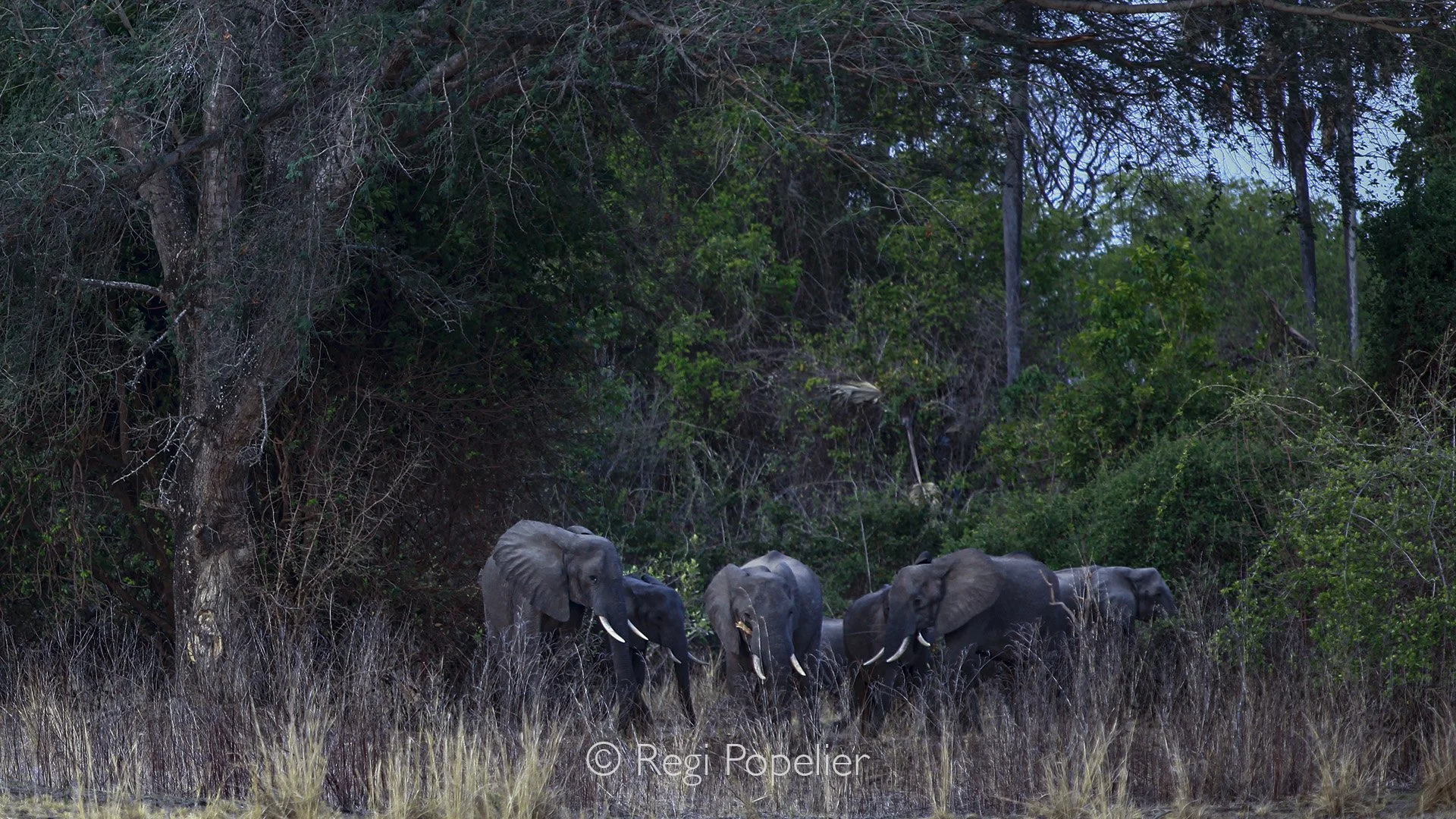
ZAMBIA014 - Seeing these three bulls was a joy, but one that demanded distance, as their aggression made every step forward a careful decision.
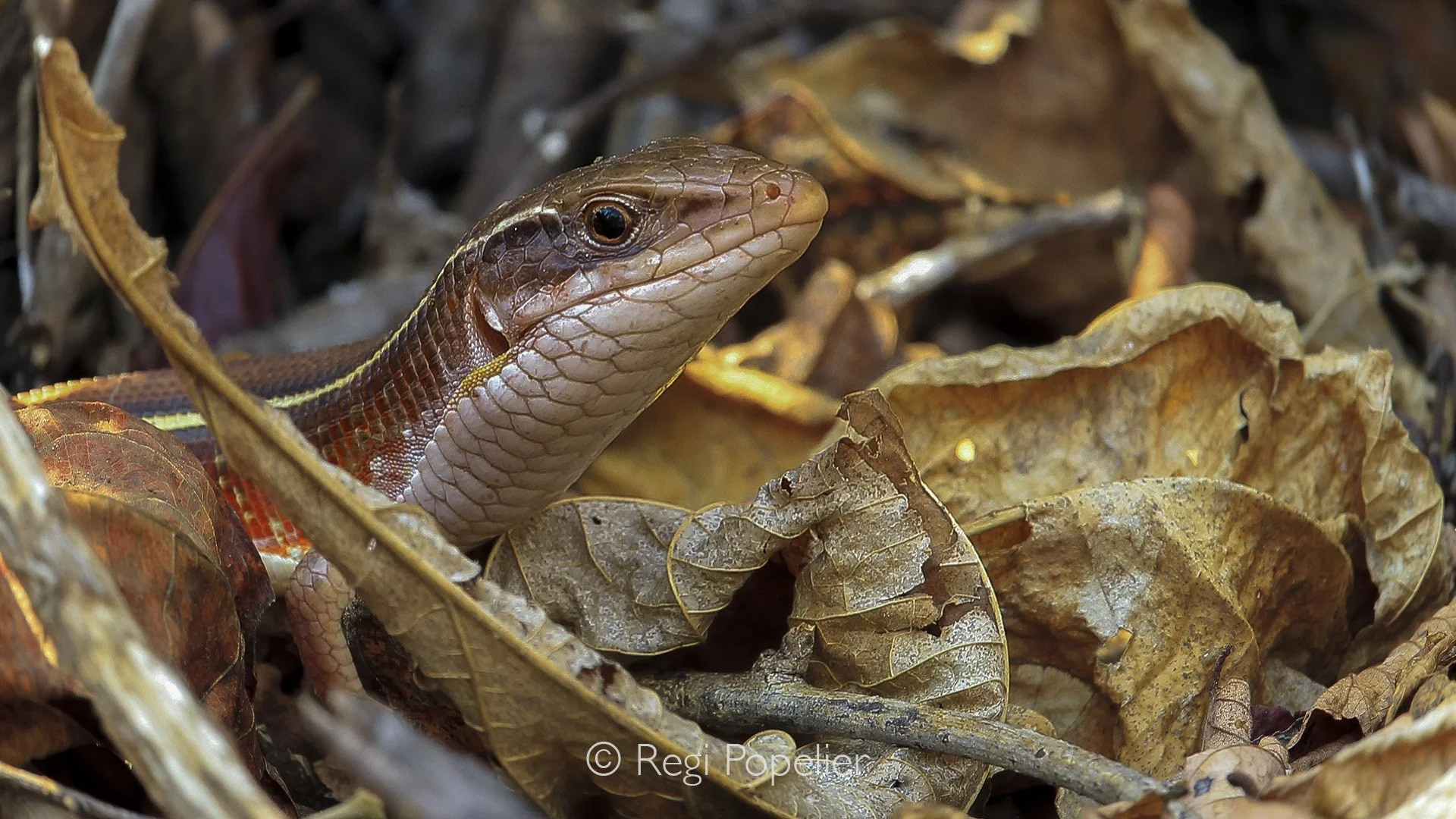
ZAMBIA015 -Head of a Zambian skink
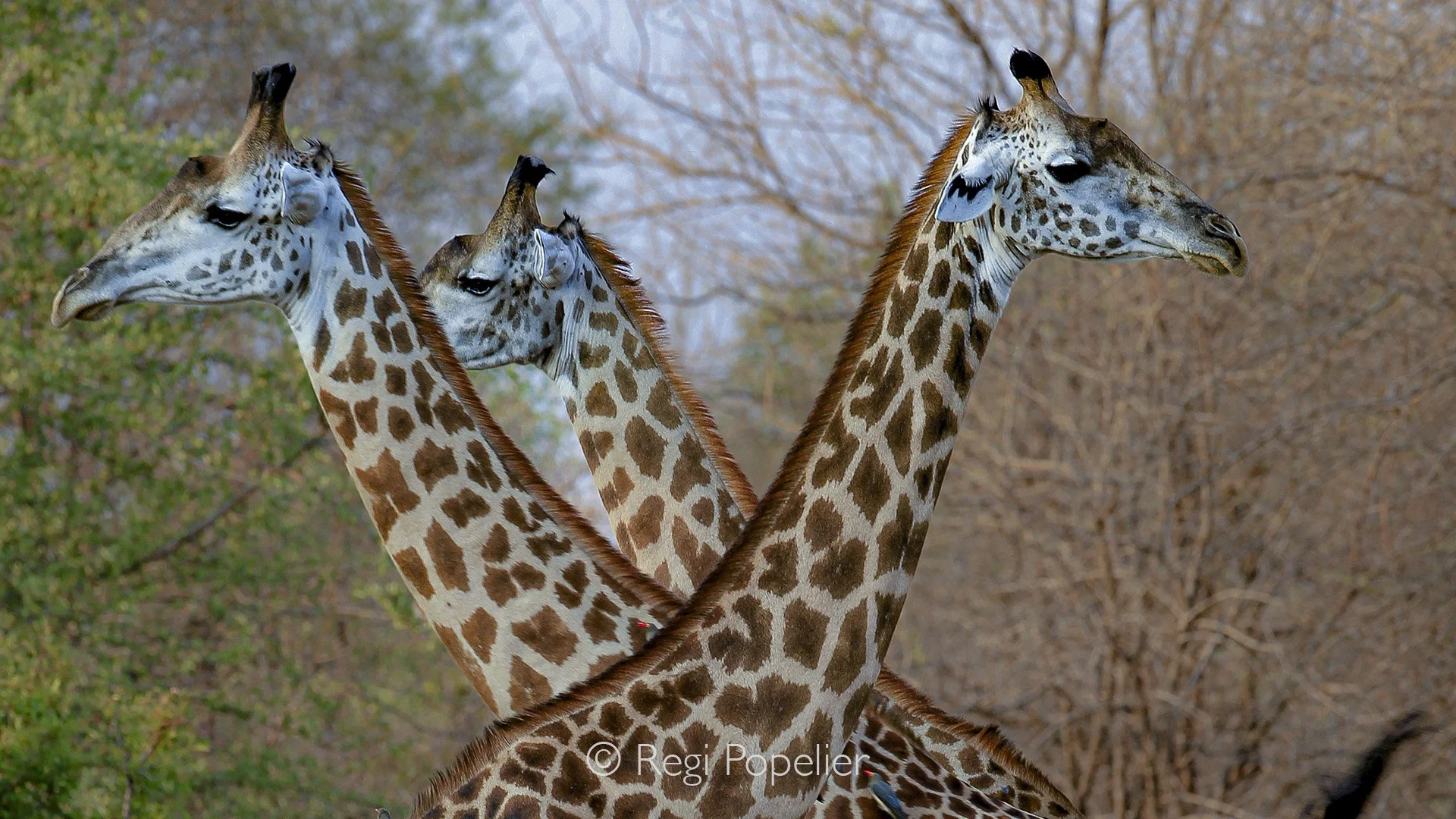
ZAMBIA016 - Beautiful display of the Thornicrofts giraffes
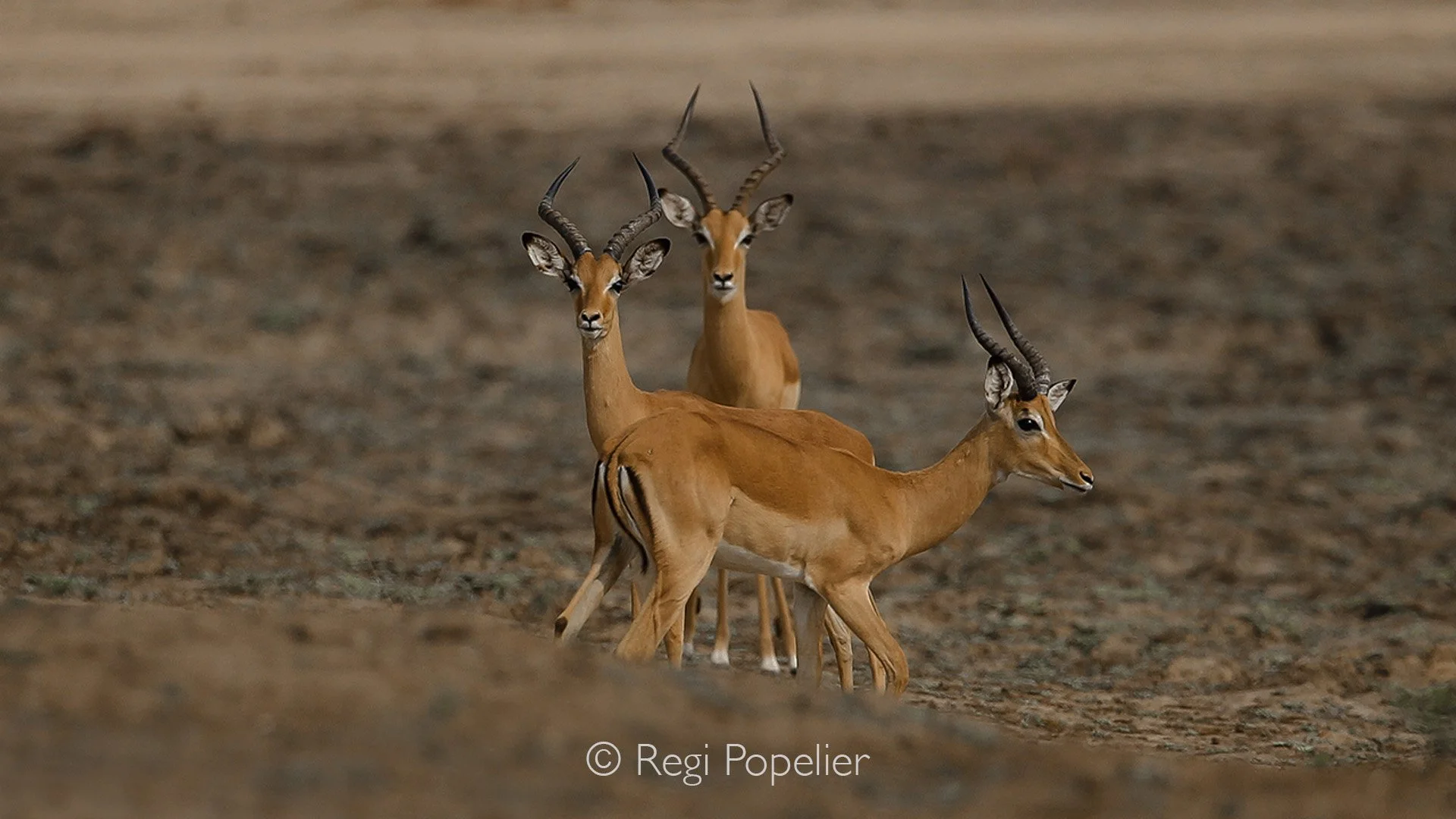
ZAMBIA017 - Male Impala at South Luangwe
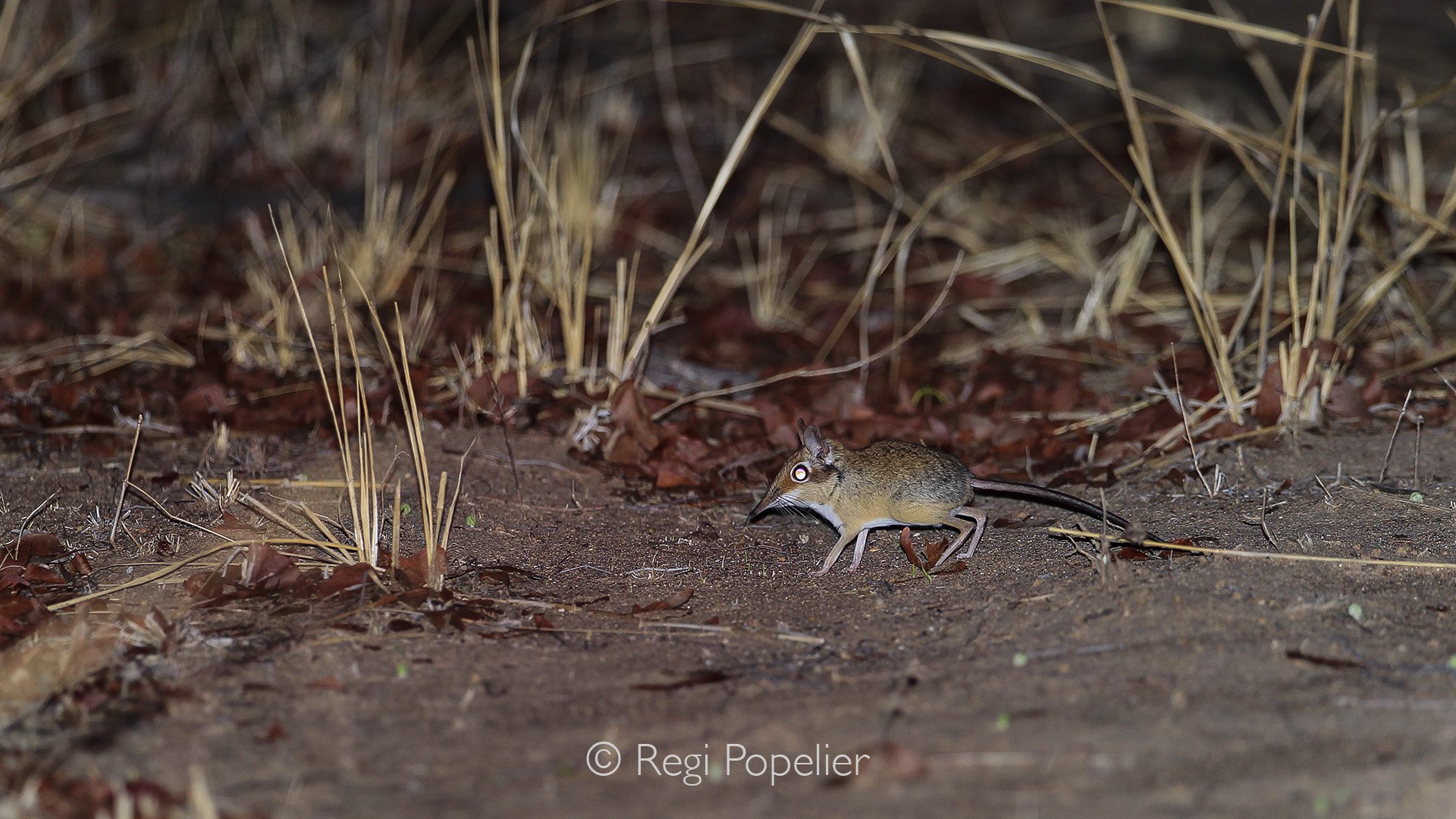
ZAMBIA018 - One of the small 5 small, the elephant shrew during a night safari.
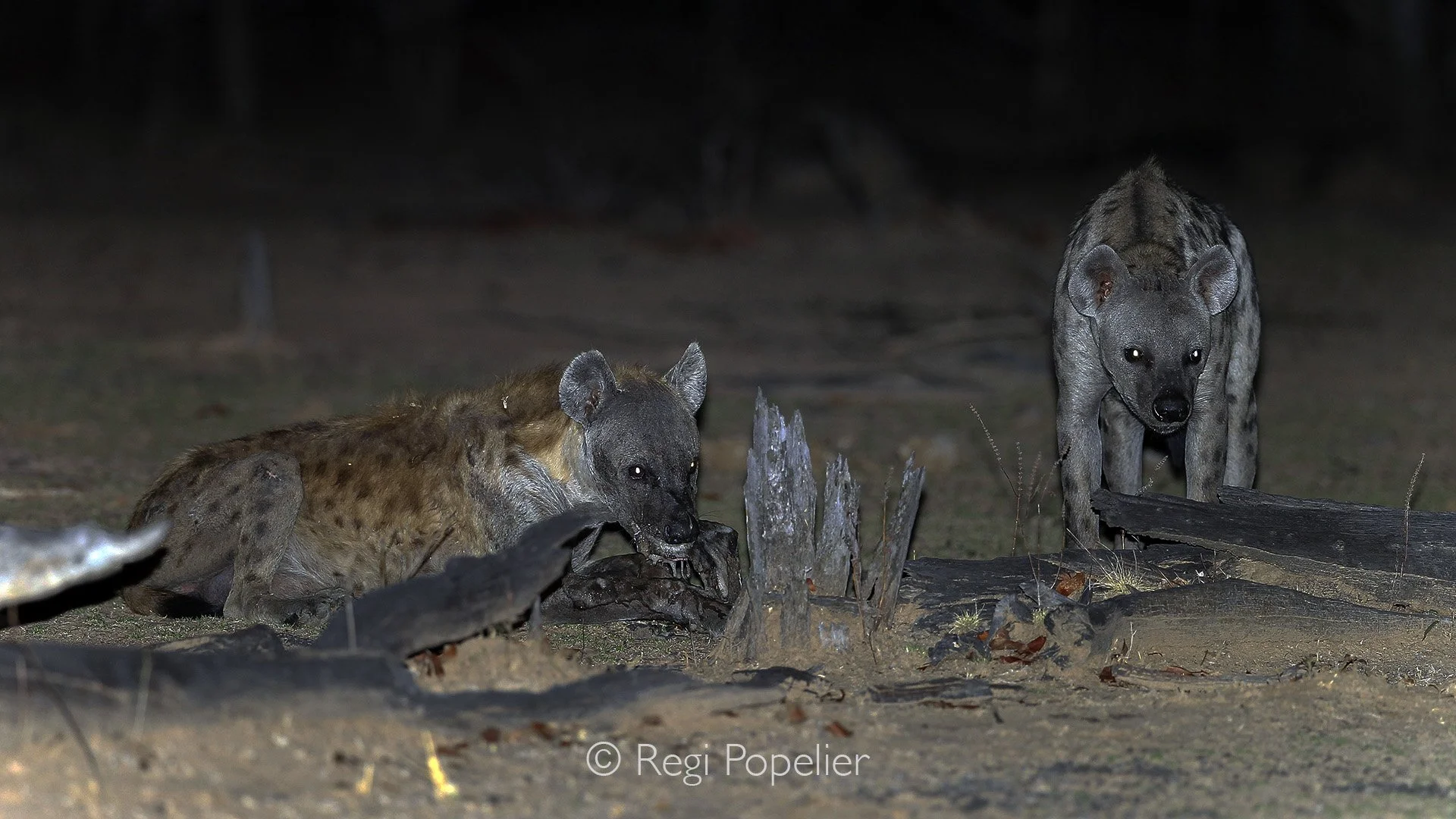
ZAMBIA019 -Hyeana feeding on left overs, image taken while on a night safari.
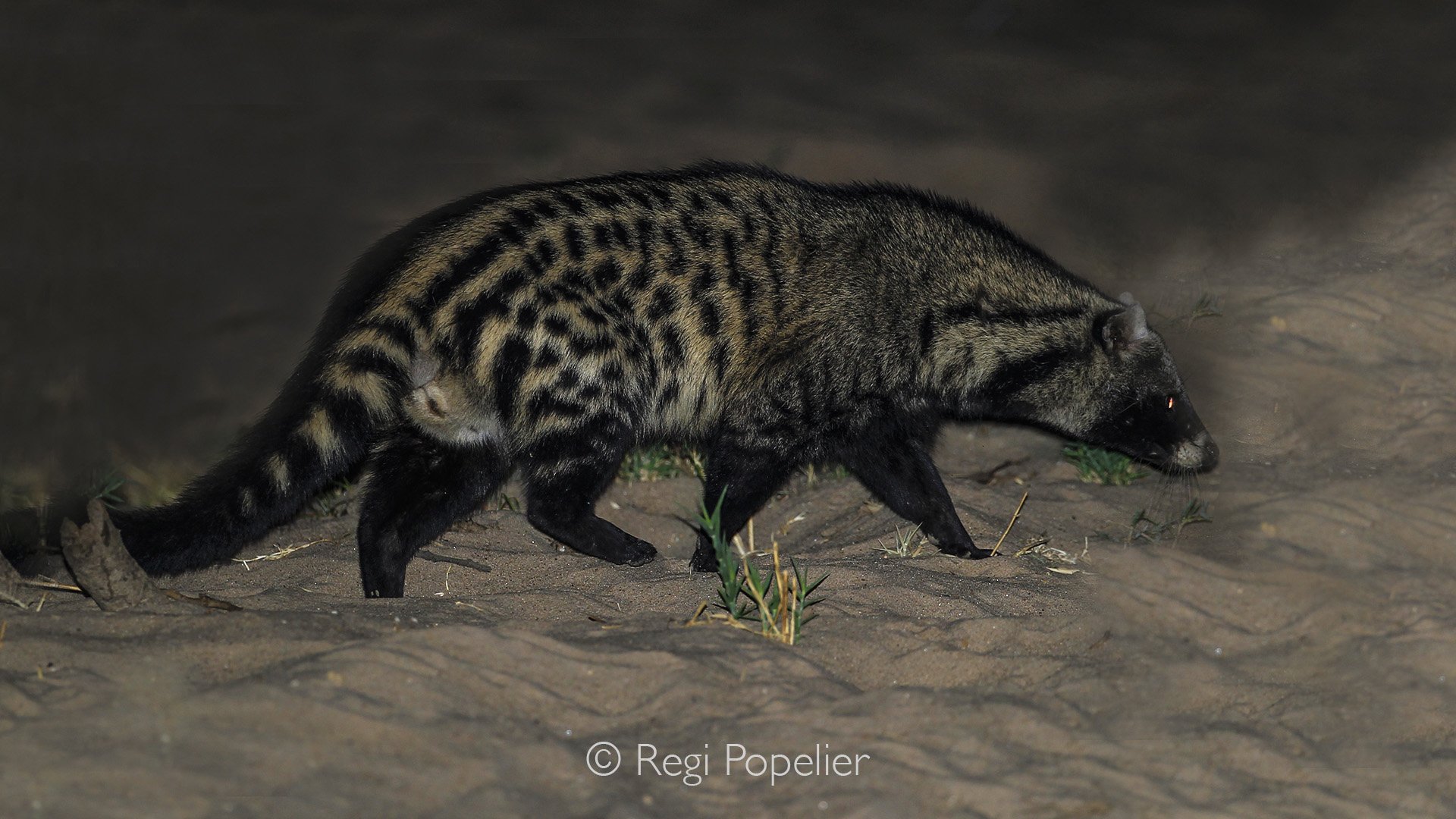
ZAMBIA020 - The African civet.
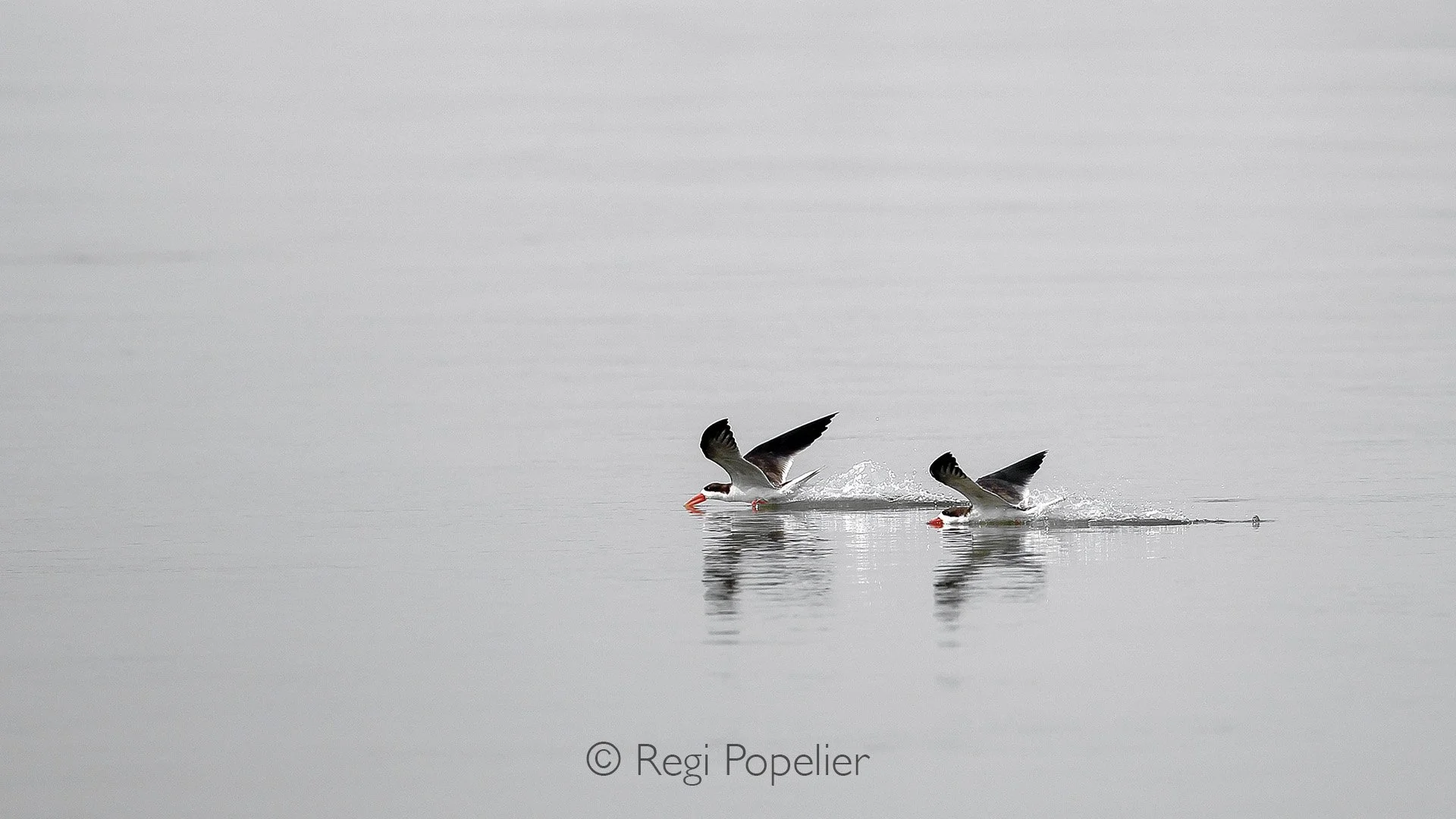
ZAMBIA021 - Pair of African skimmers. They skim the surface of the water trying to catch fish at the borders of the Zambezi river
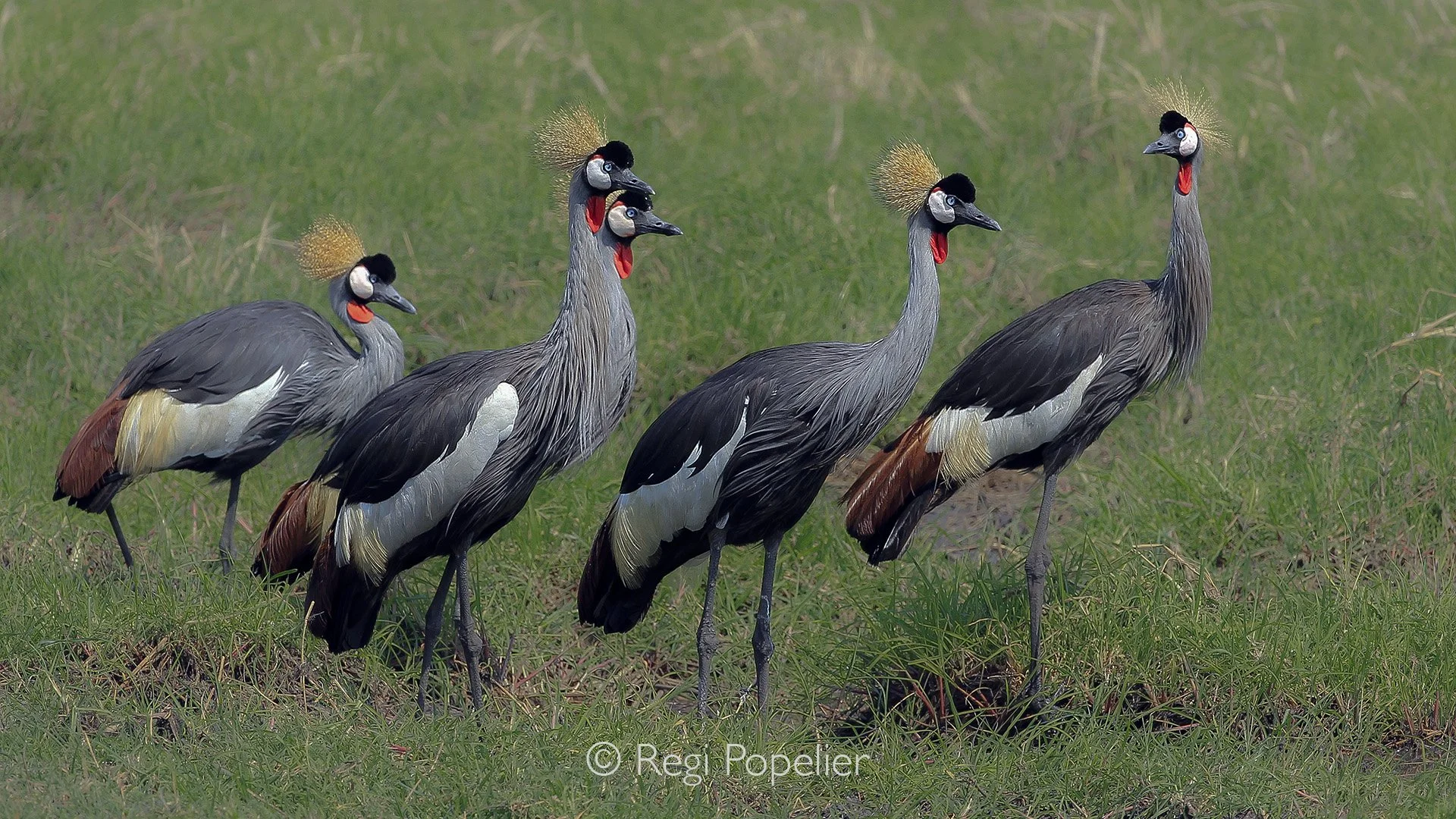
ZAMBIA022 - Flock of Grey Crowned Cranes.
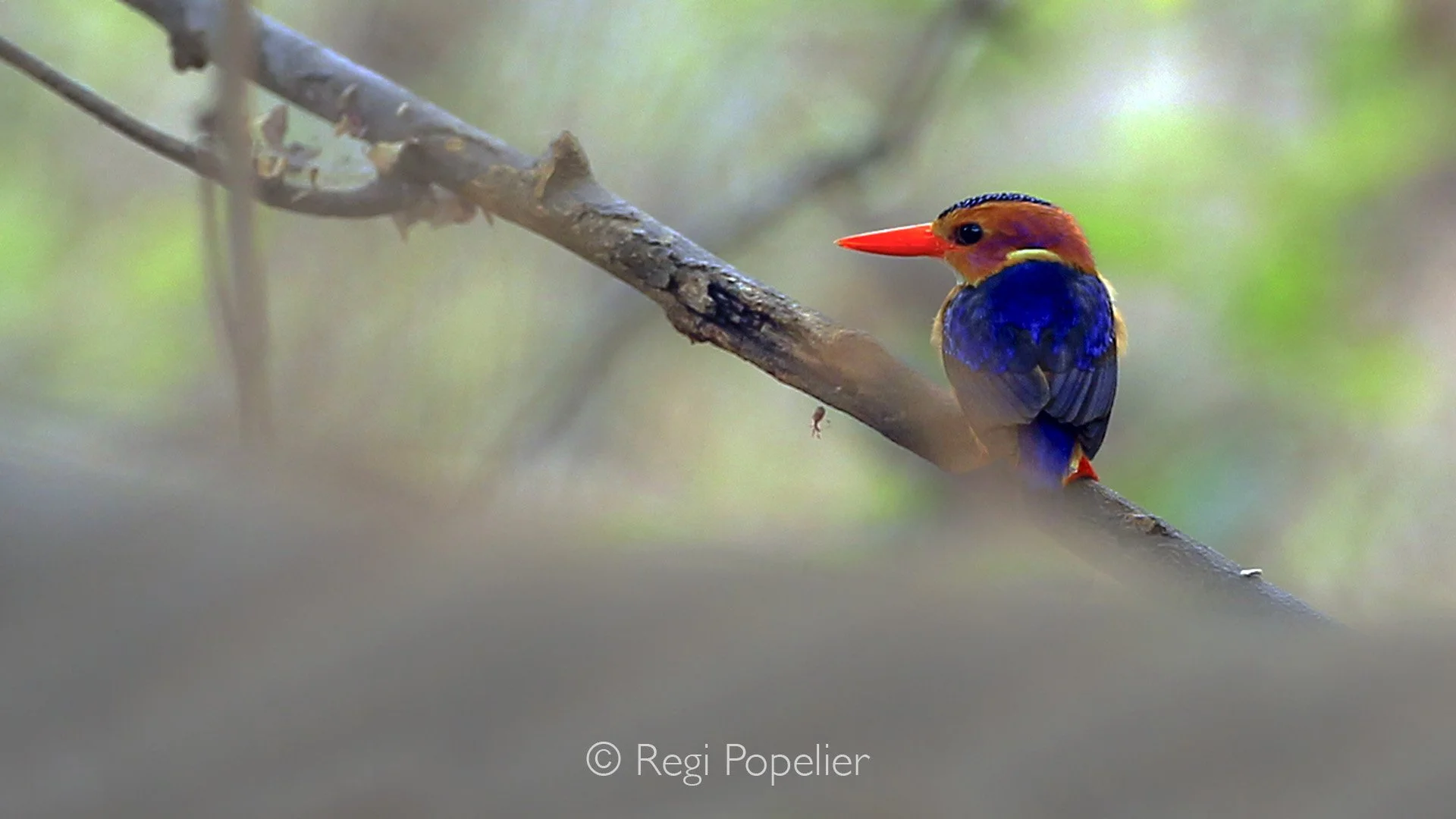
ZAMBIA023 - African Pygmea Kingfisher in all it's beauty, rare to find
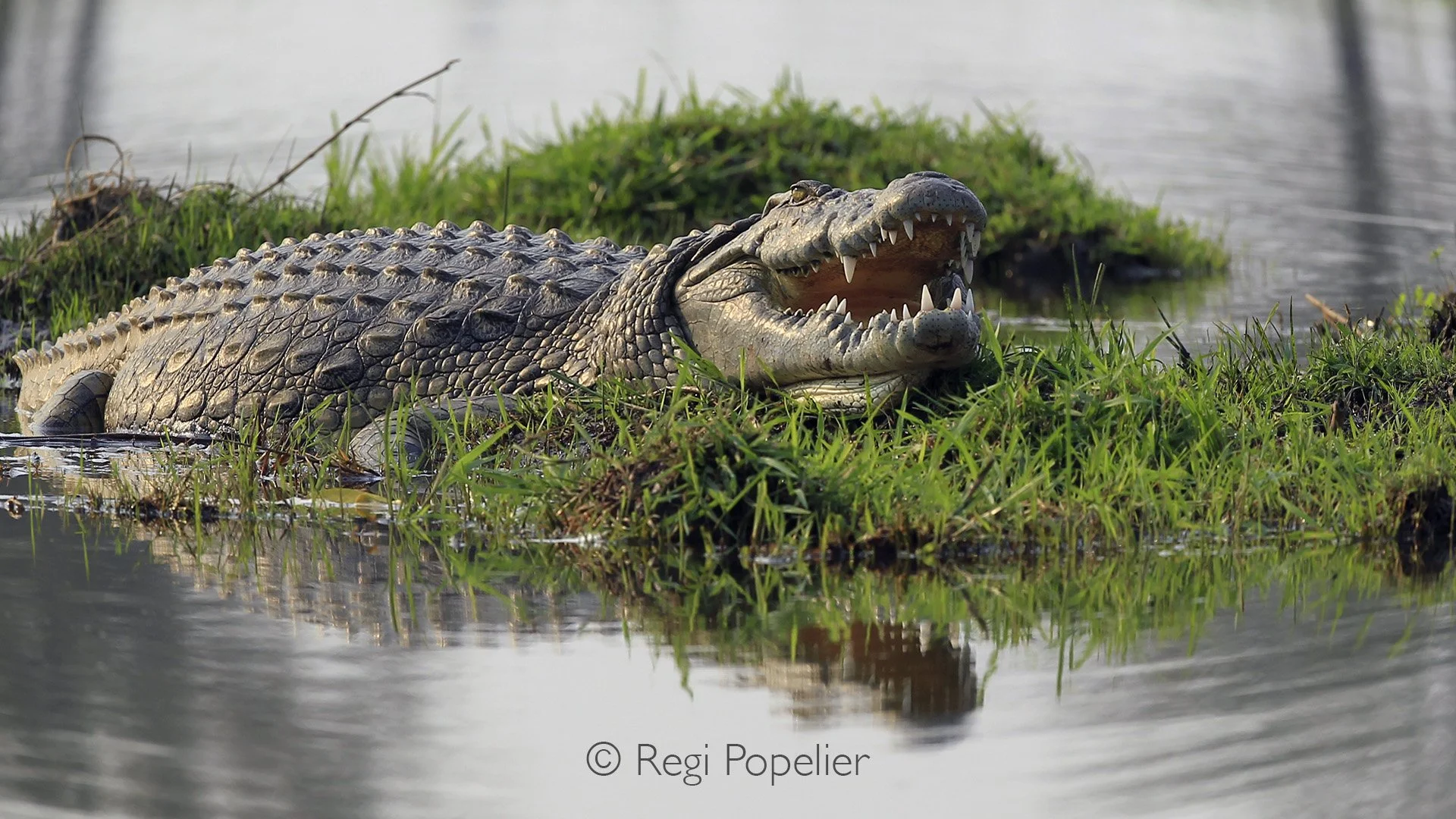
ZAMBIA024 - Cool down at the borders of the Zambezi river.
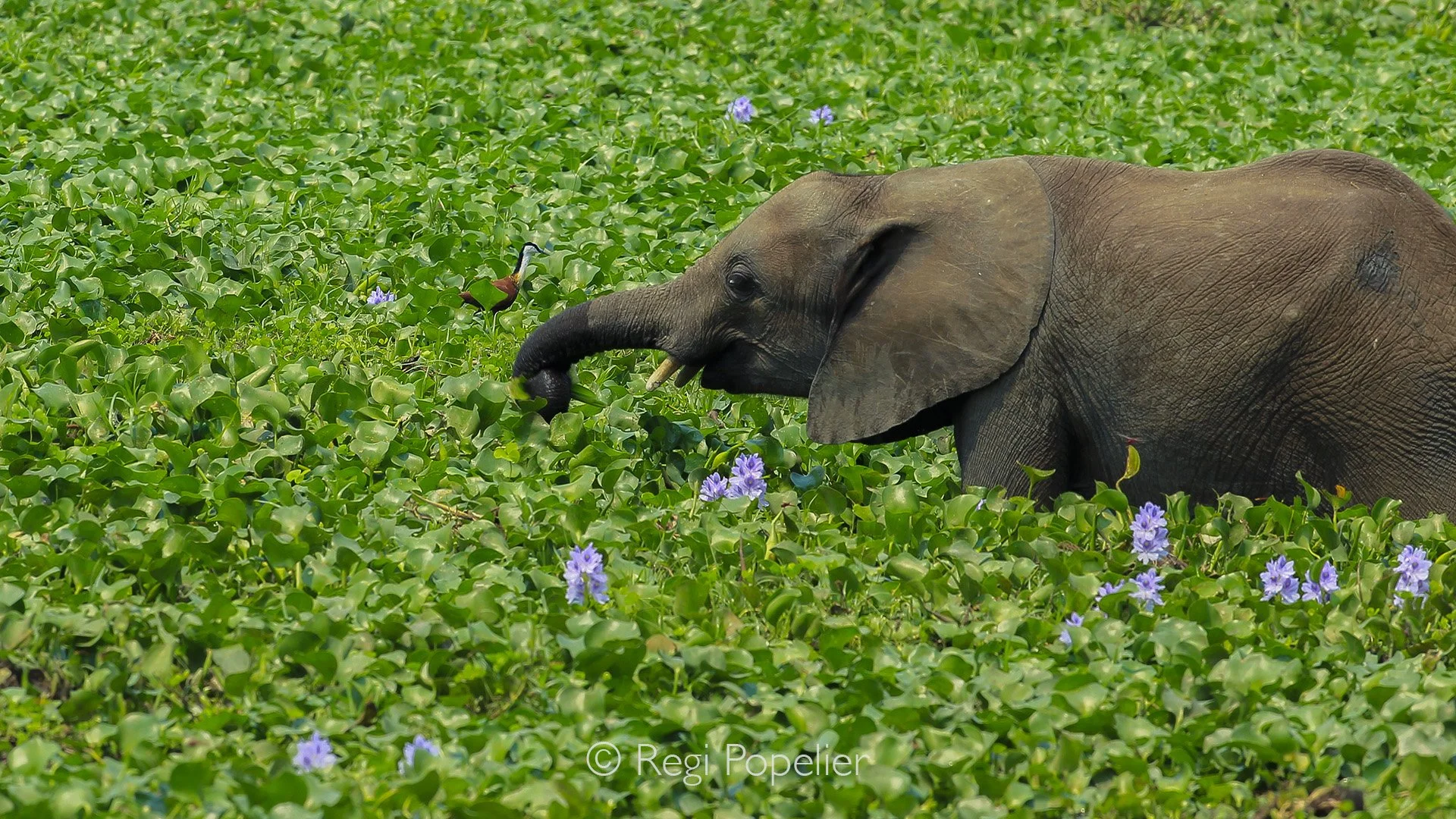
ZAMBIA025 - Amid Hiancynths, excellent food.
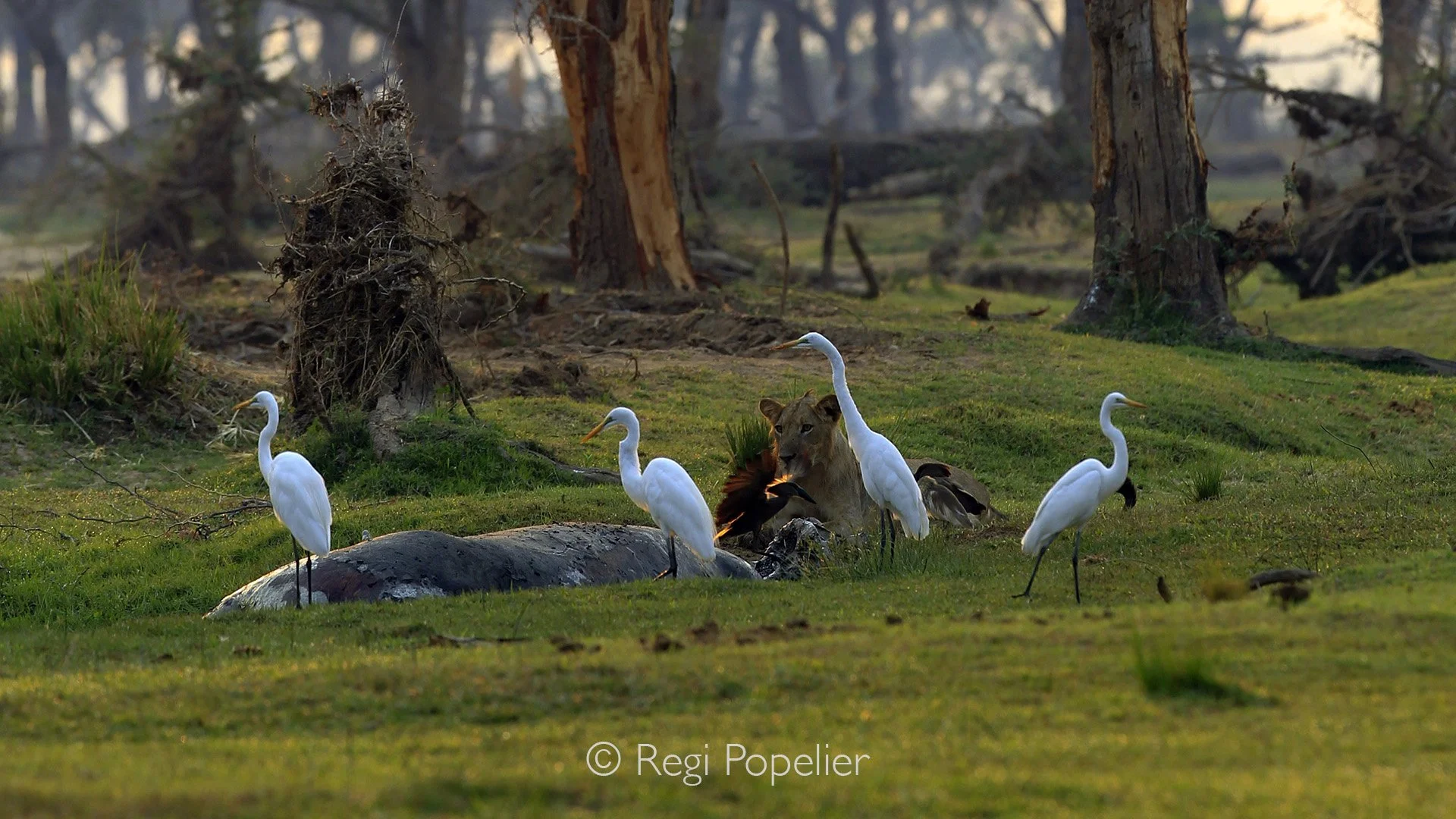
ZAMBIA026 - Great white egrets with in the background a lion near to a hippo corps.
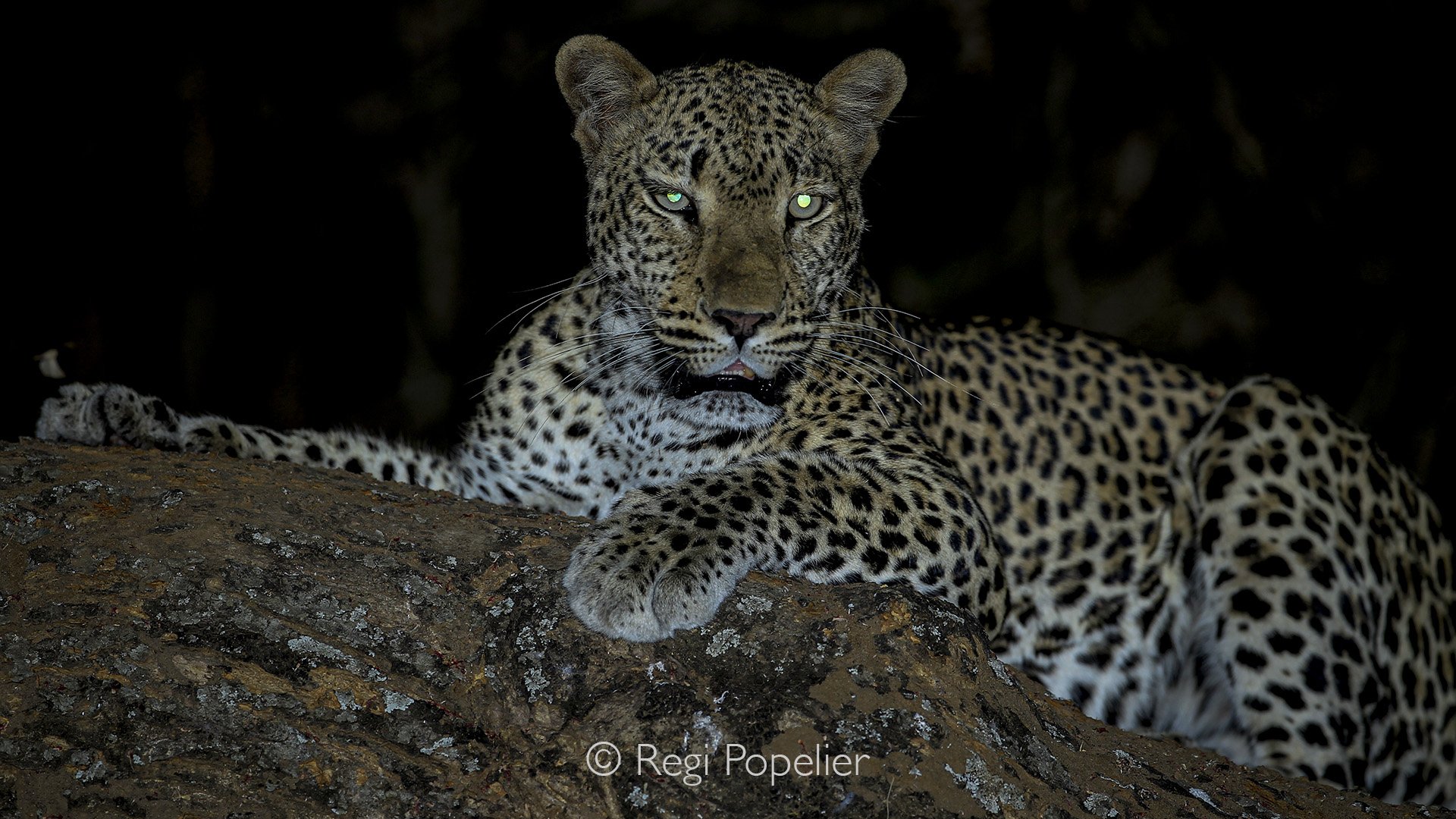
ZAMBIA027 -Leopard Photographed during night safari.
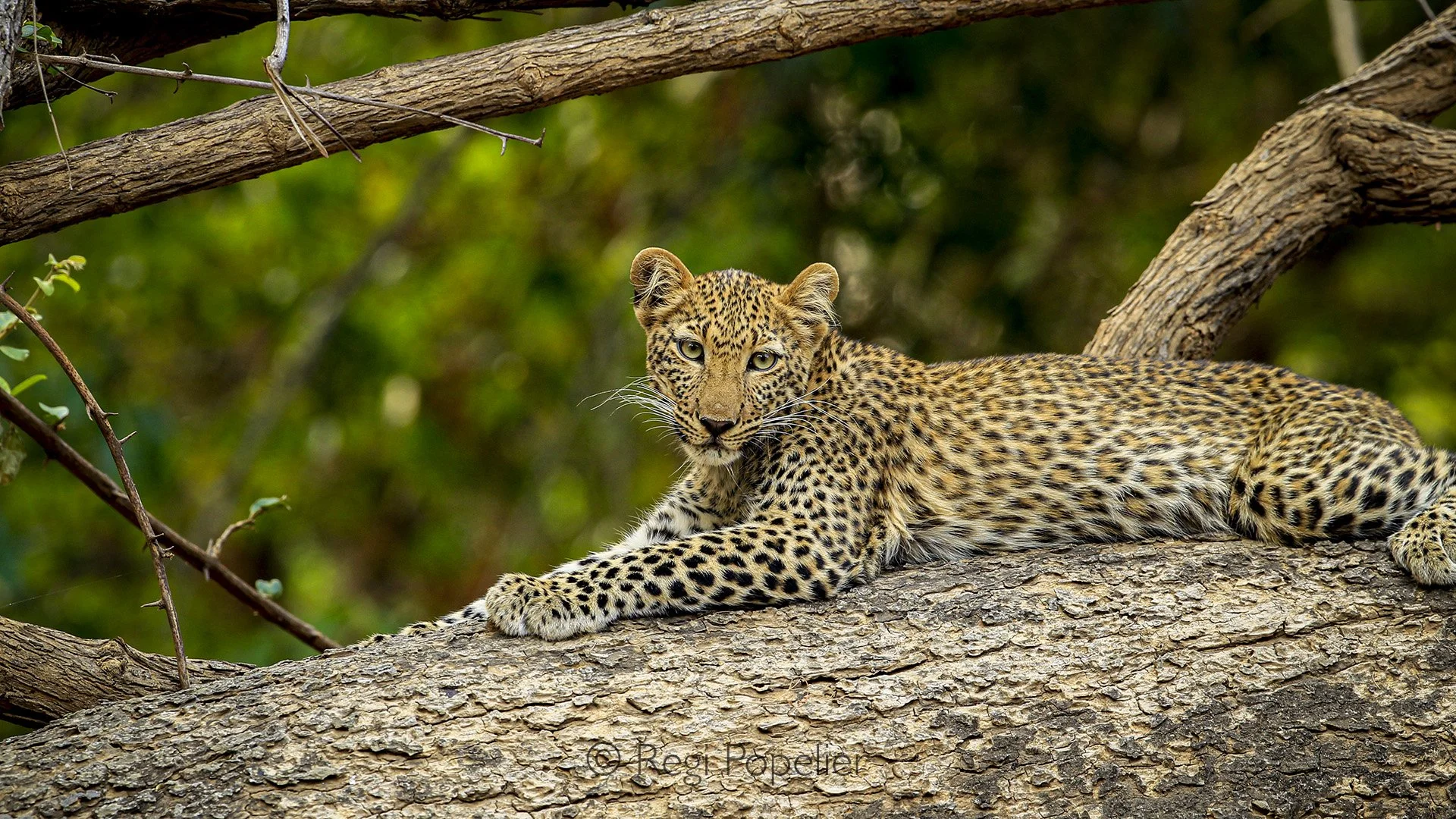
ZAMBIA028 -One of the leopard cubs.
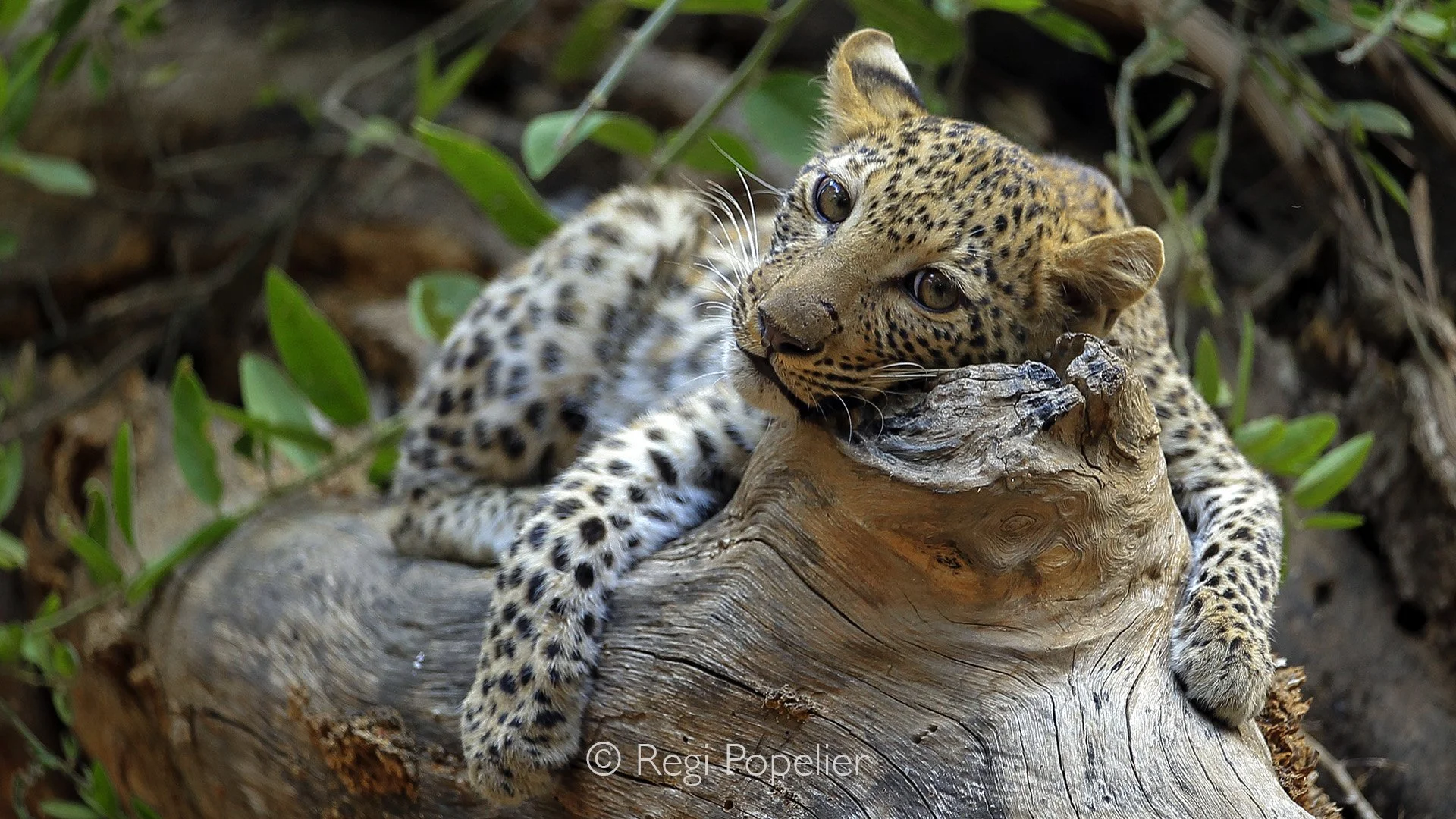
ZAMBIA029 - Peaceful rest, during the heat of day.
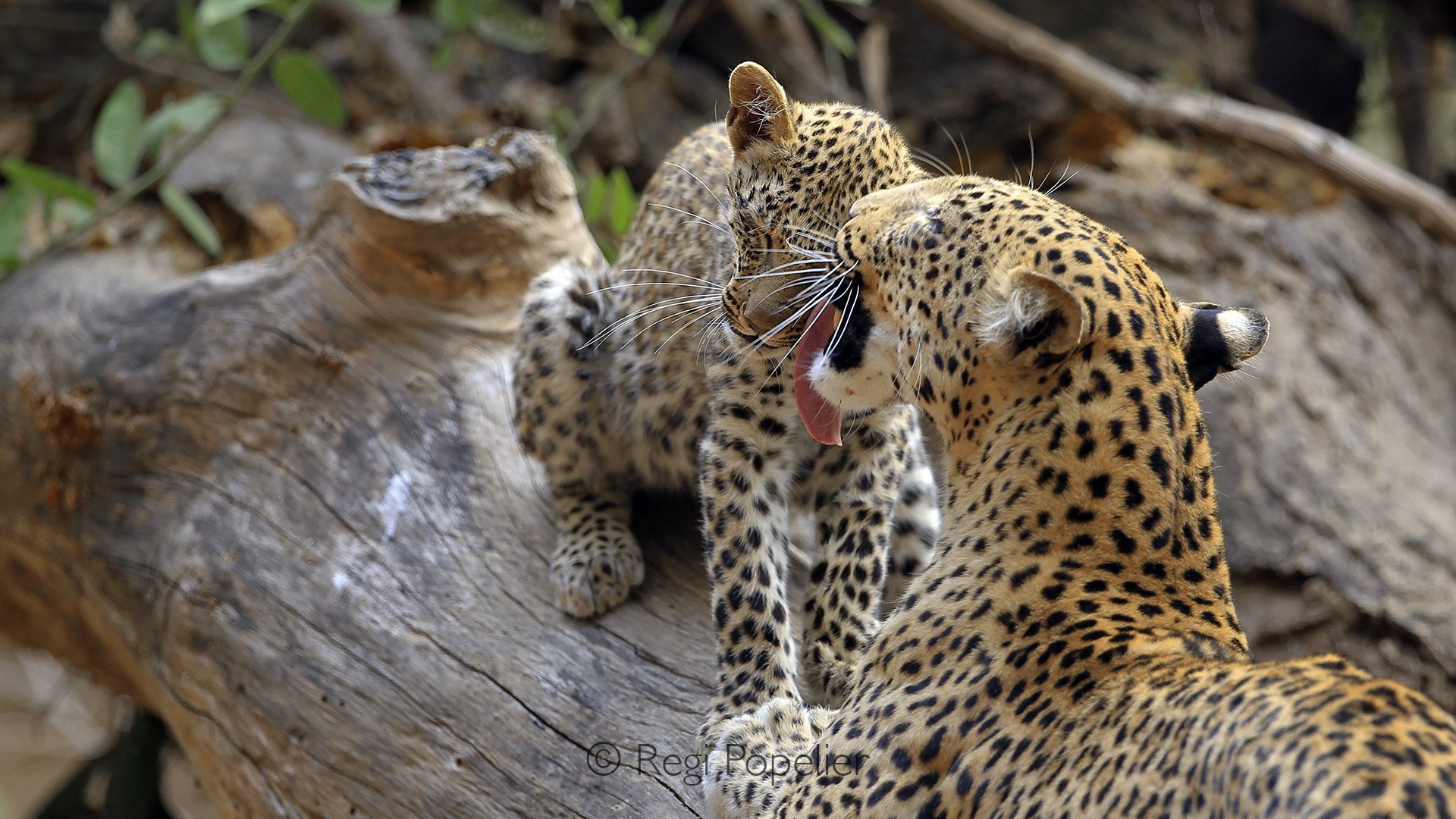
ZAMBIA030 - Cleaning time.
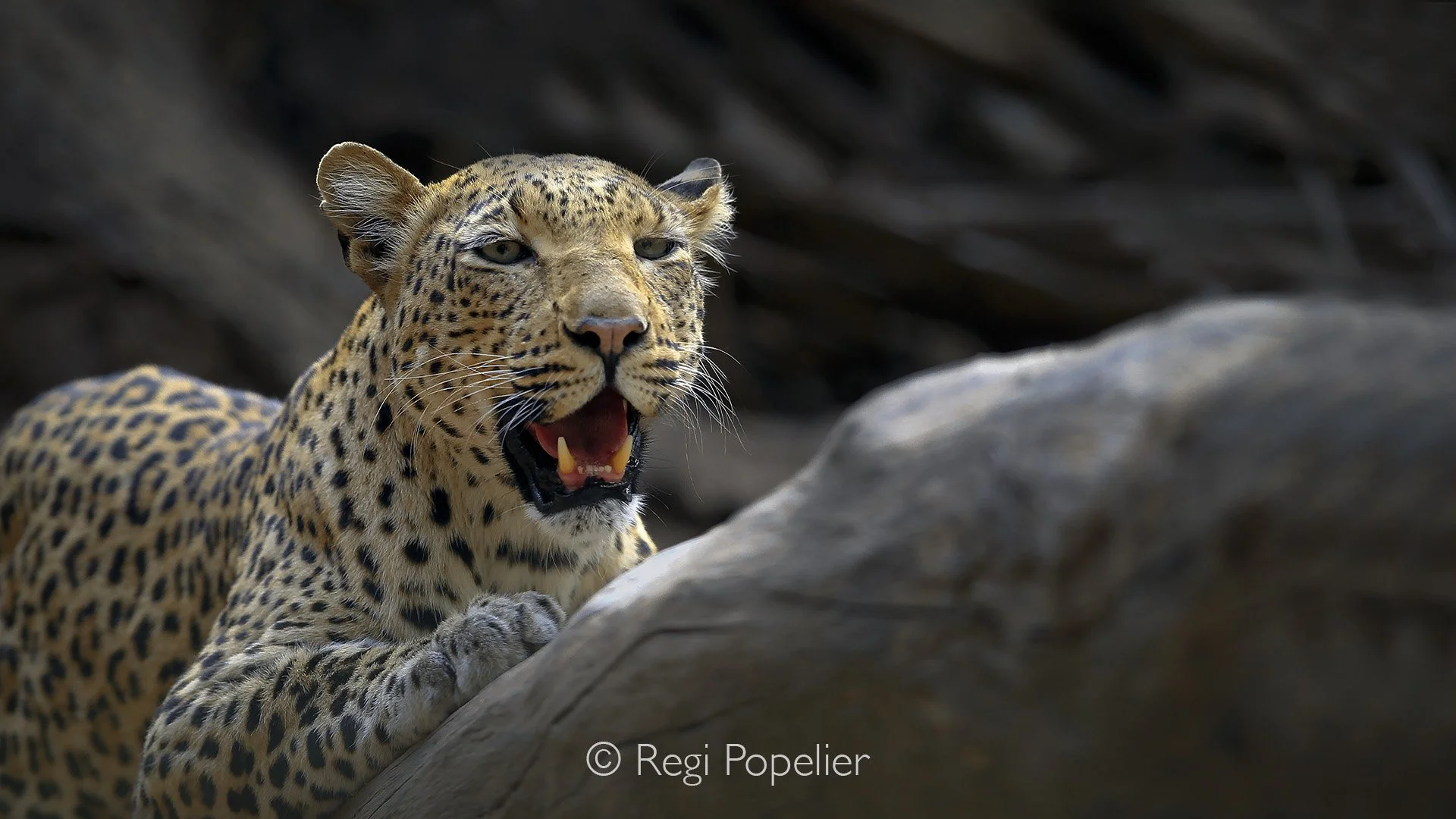
ZAMBIA031 - Leopard mother in profile.
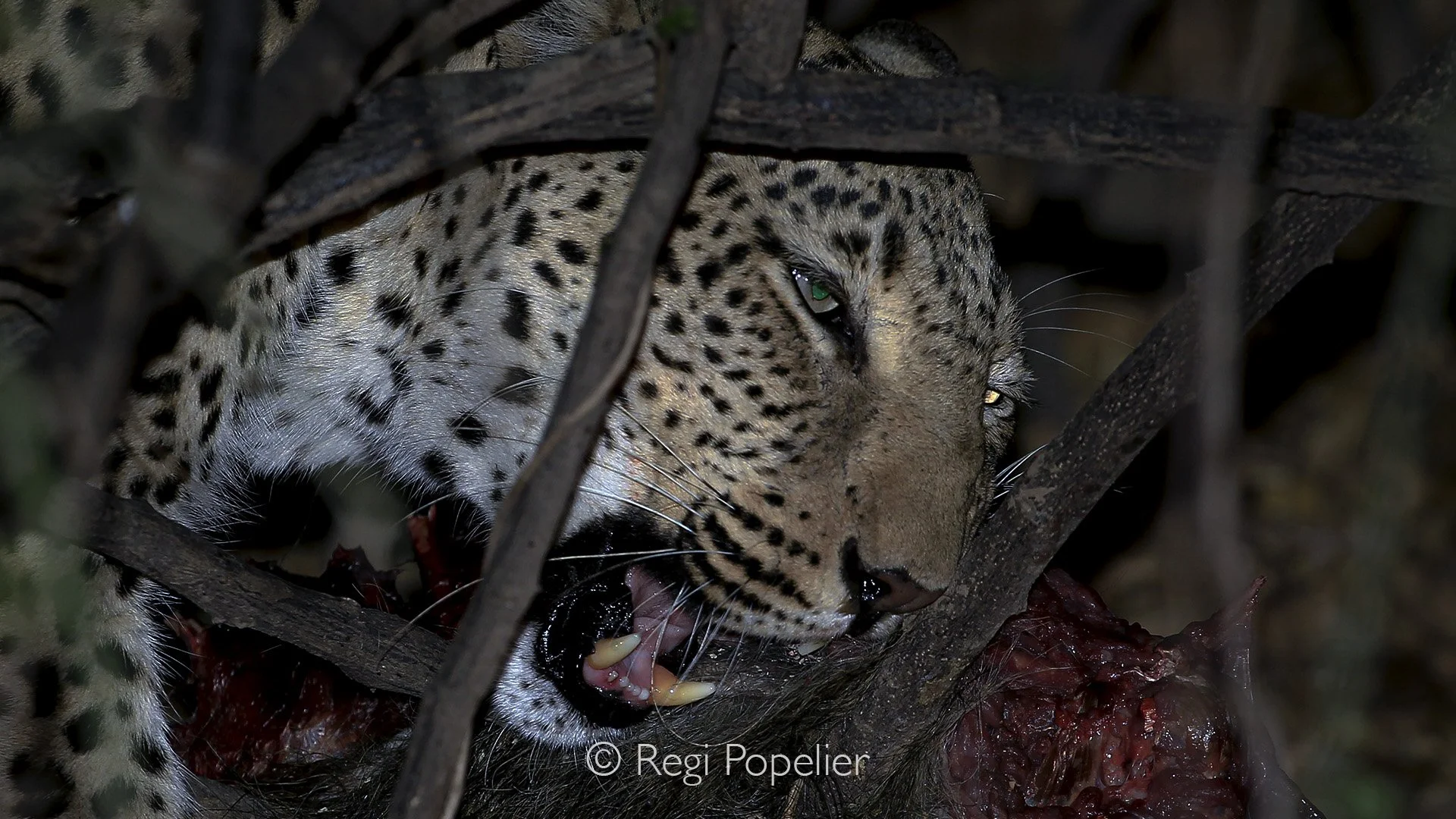
ZAMBIA032 - Eating a baboon she killed at night.
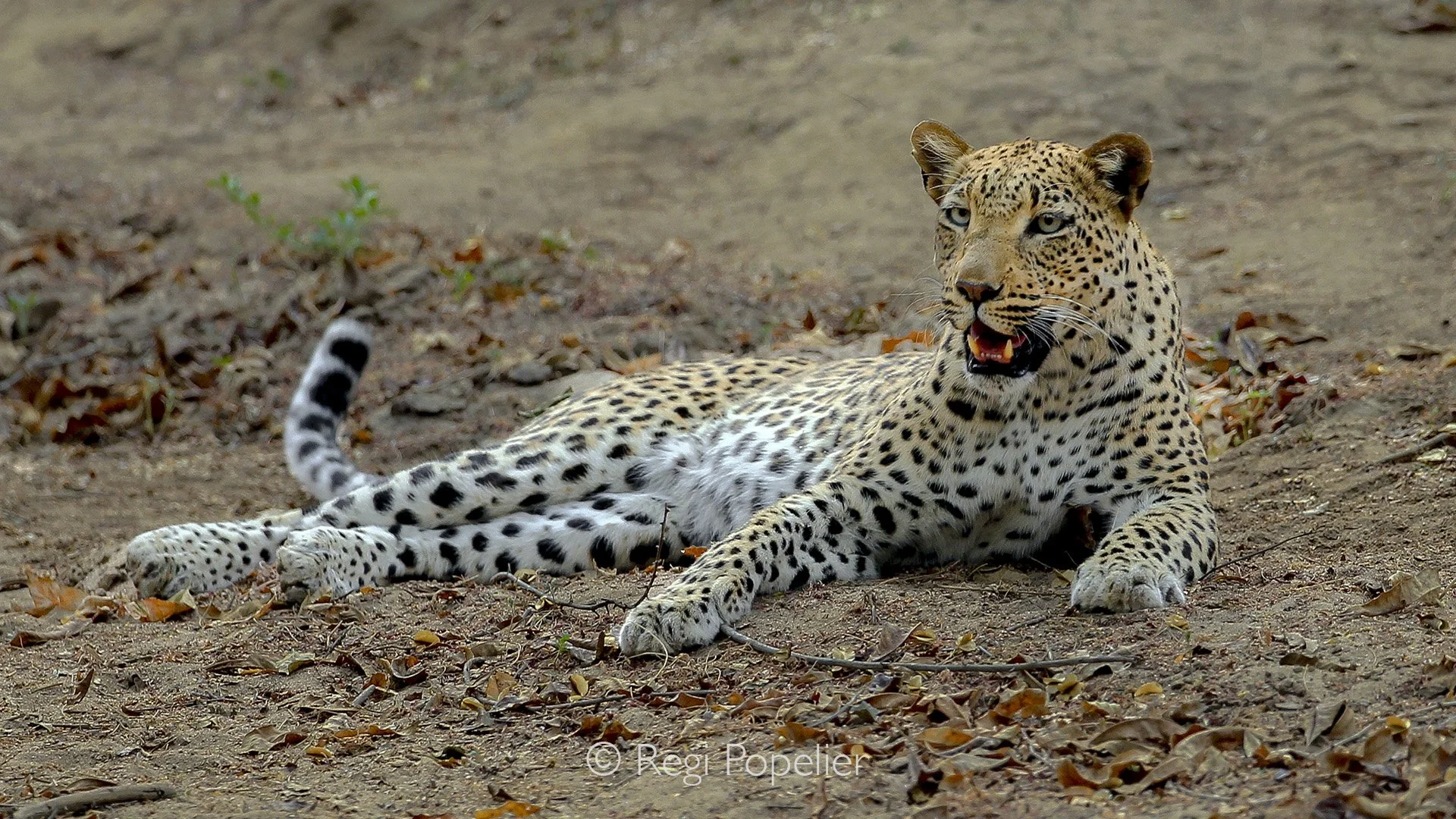
ZAMBIA033 - leopardess resting on the river banks during day.
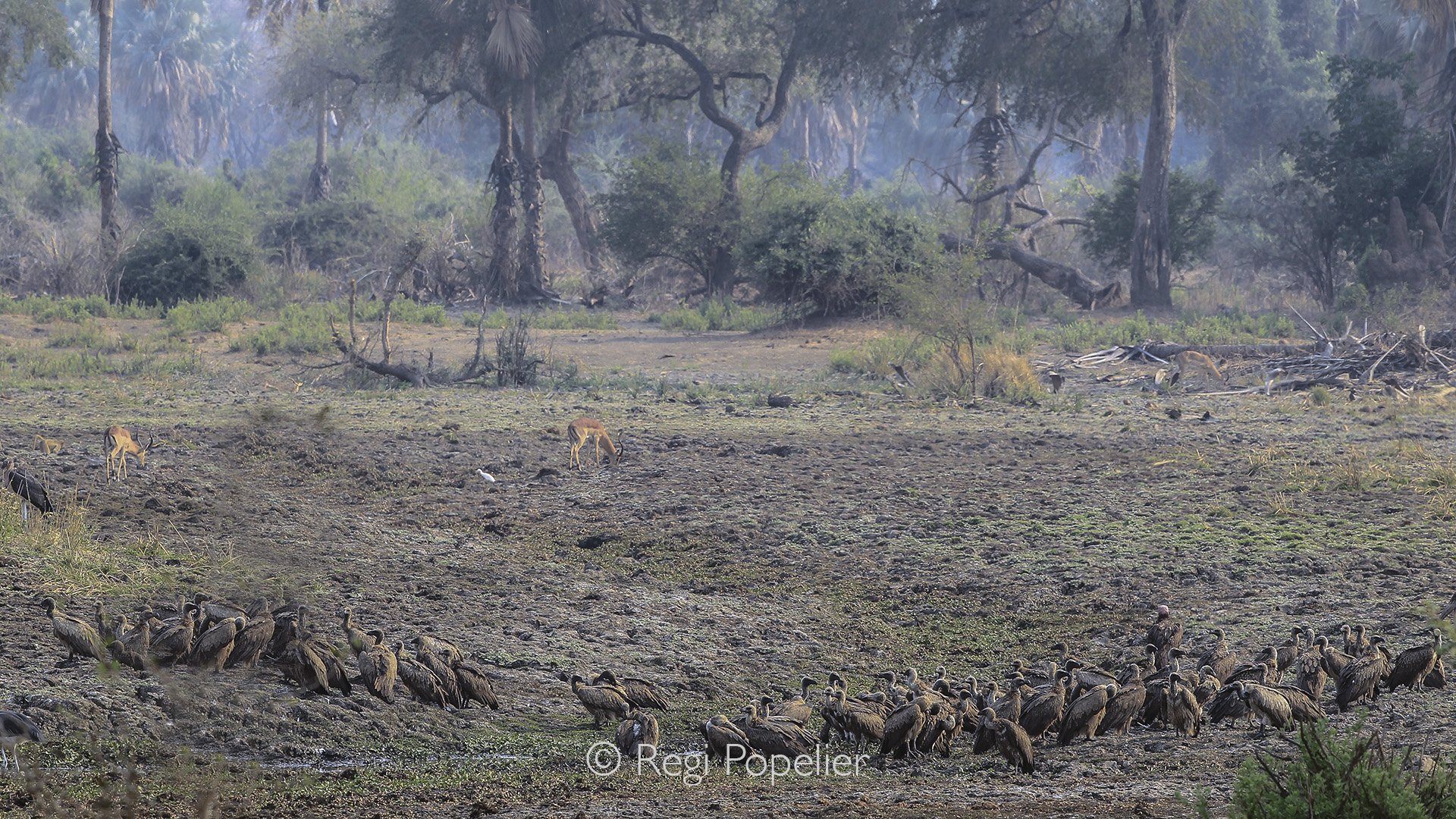
ZAMBIA034 -Gathering of vultures.
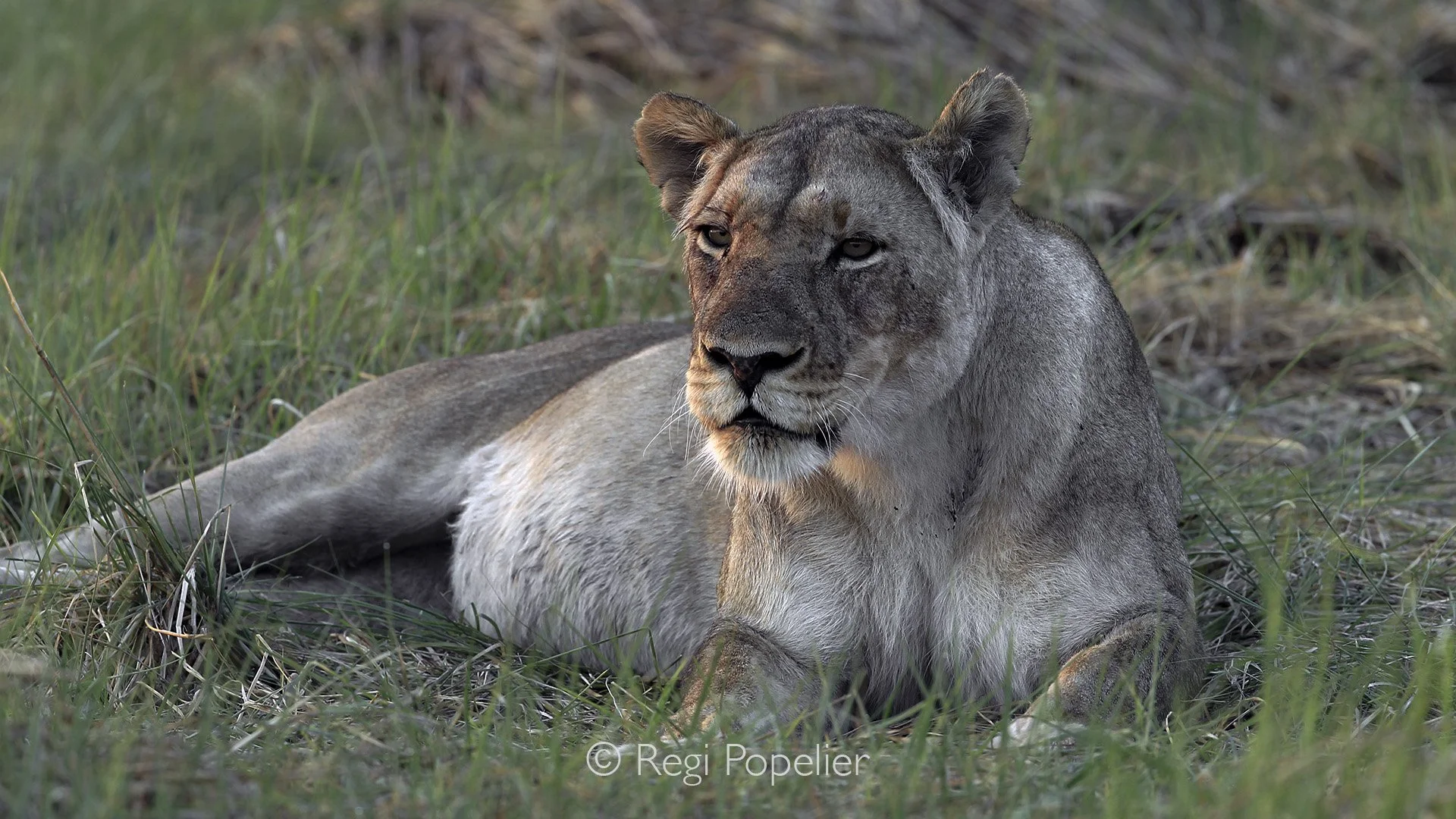
ZAMBIA035 - This lioness was sleeping under my room during several nights with her cubs.
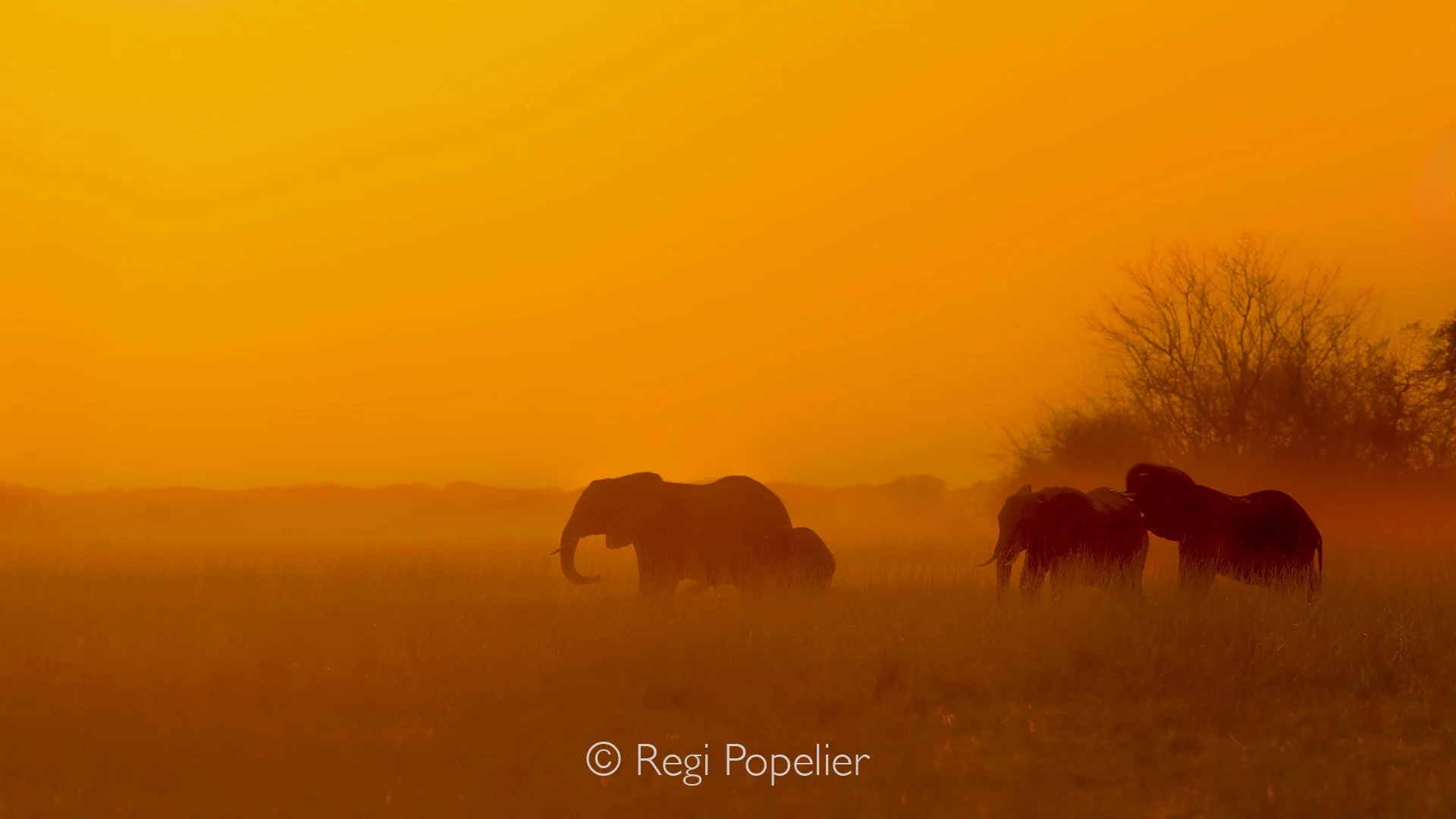
ZAMBIA036 - Evening photography at the planes of South Luangwe.
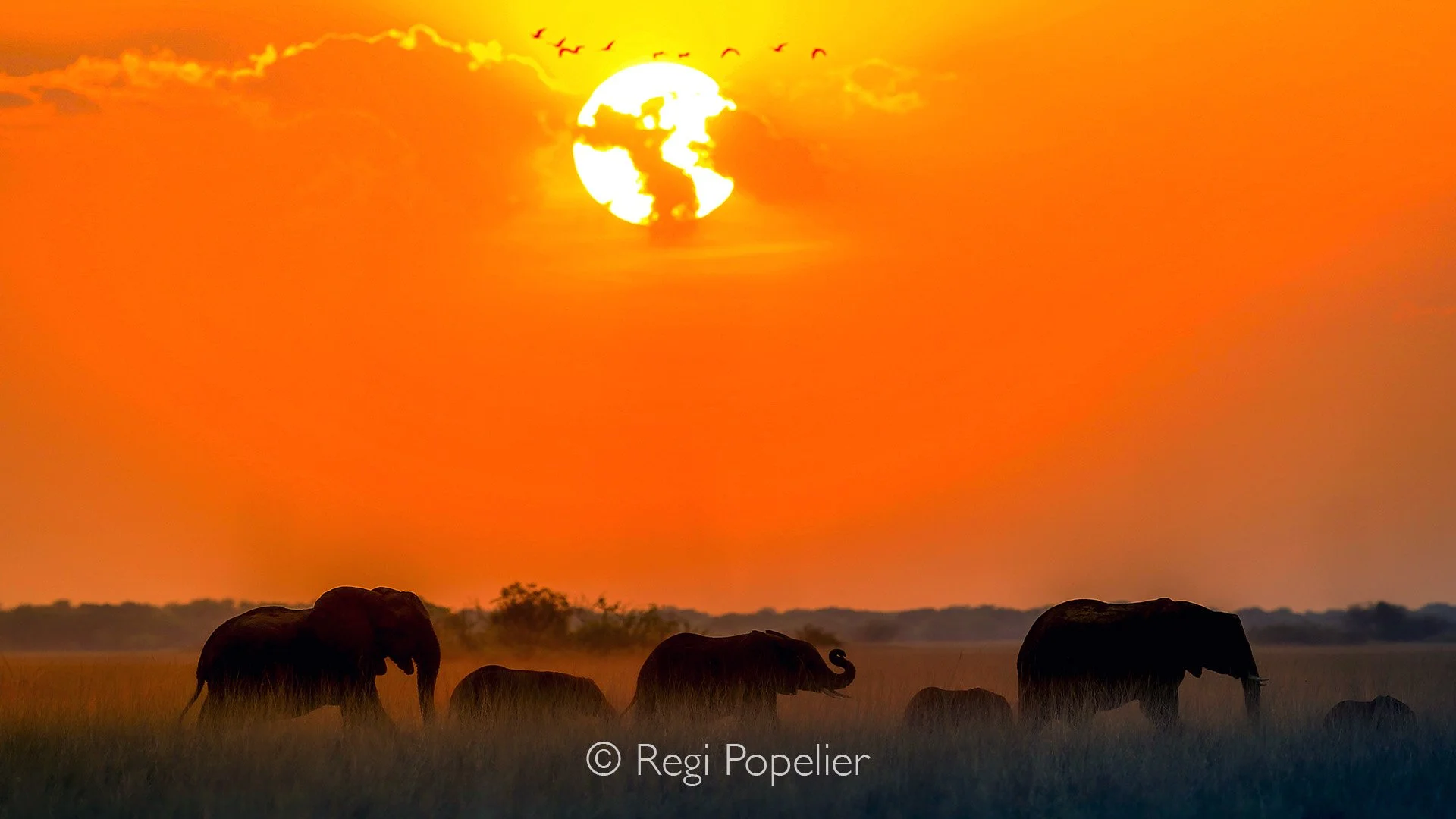
ZAMBIA037 - Remark the birds at sunset
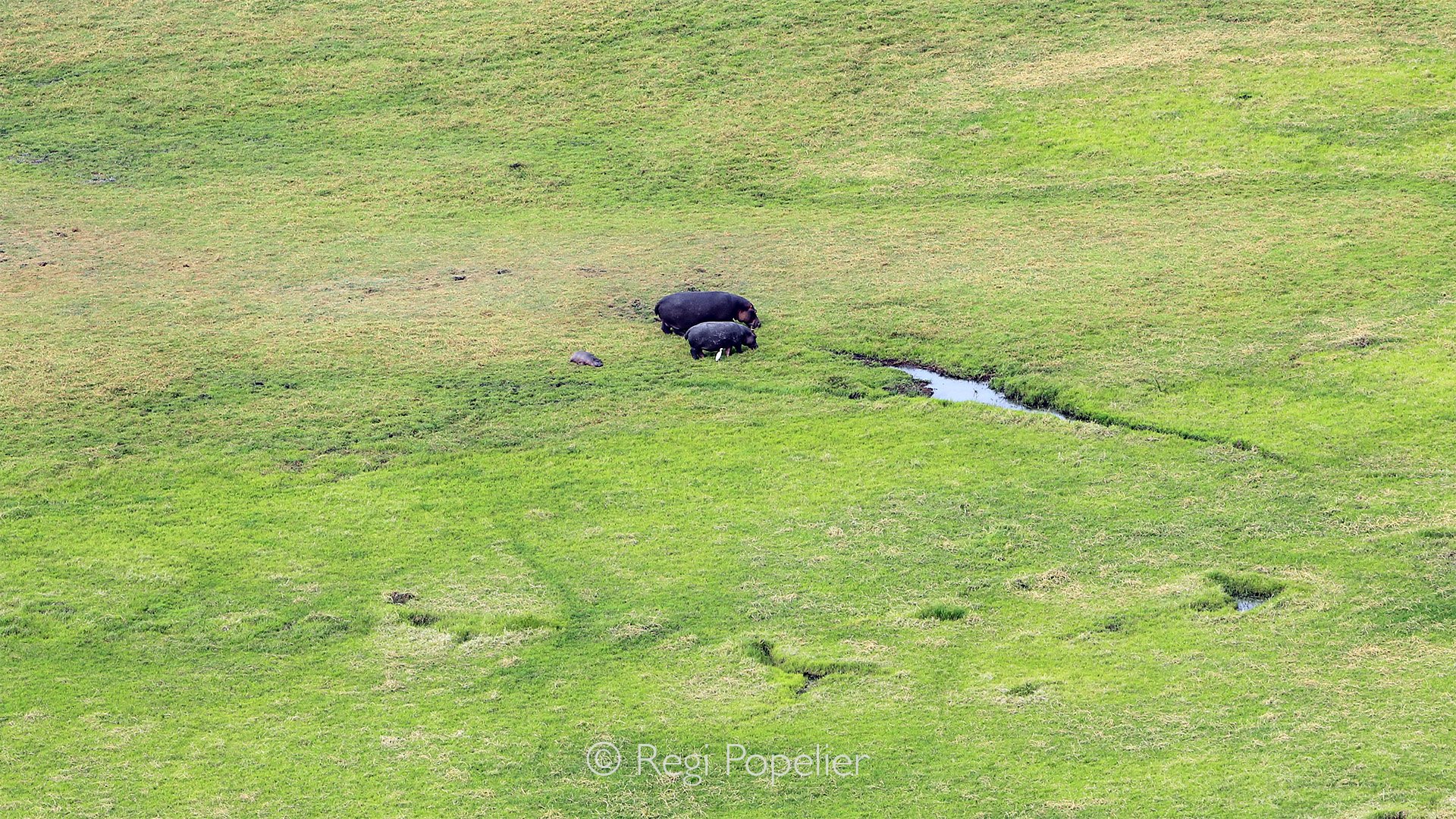
ZAMBIA038 - Aerial photography at the plains of Kafue NP.
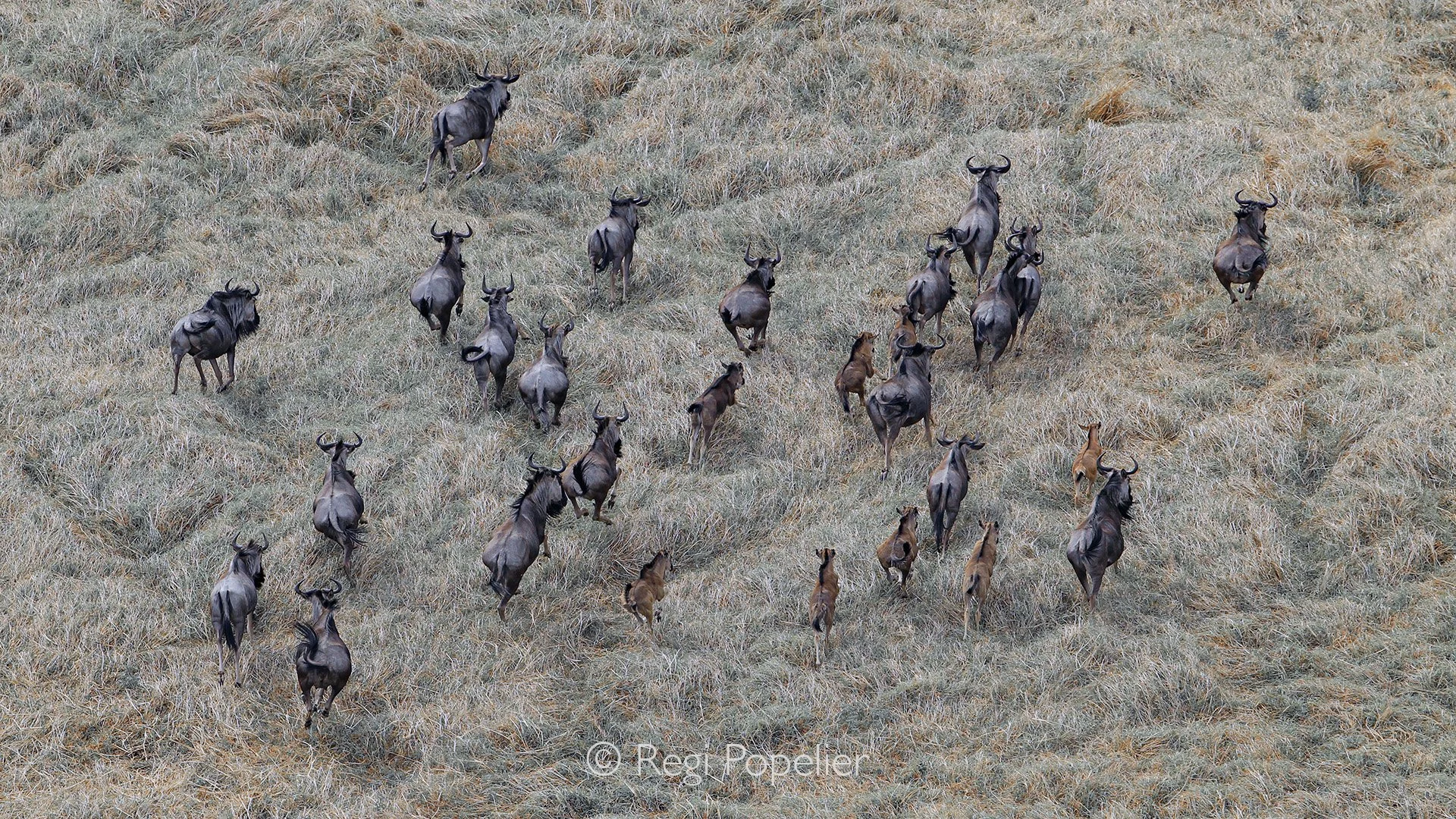
ZAMBIA039 - Wildebeests on the run.
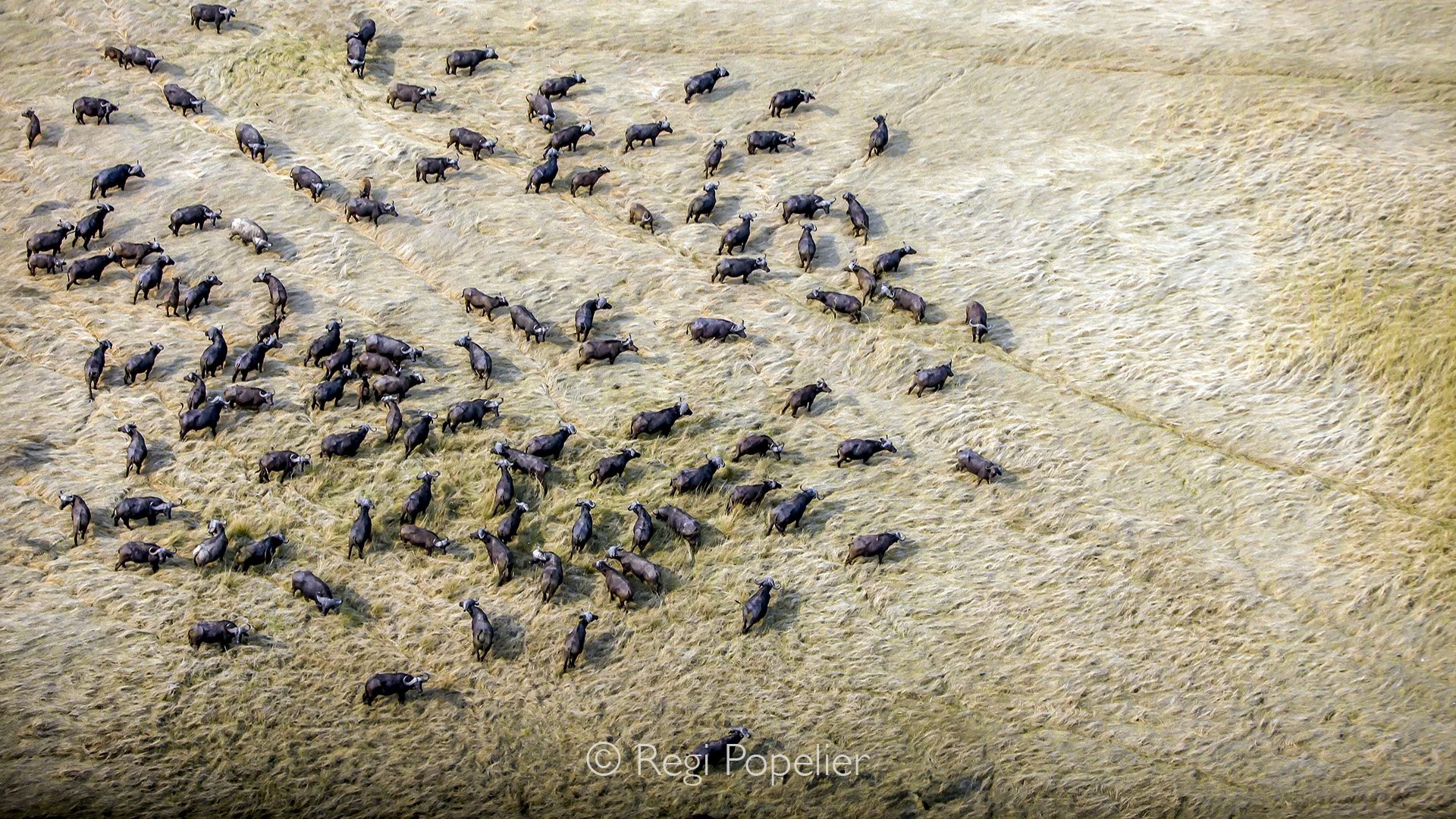
ZAMBIA040 - Buffalos on the dry plaines of Kafue.
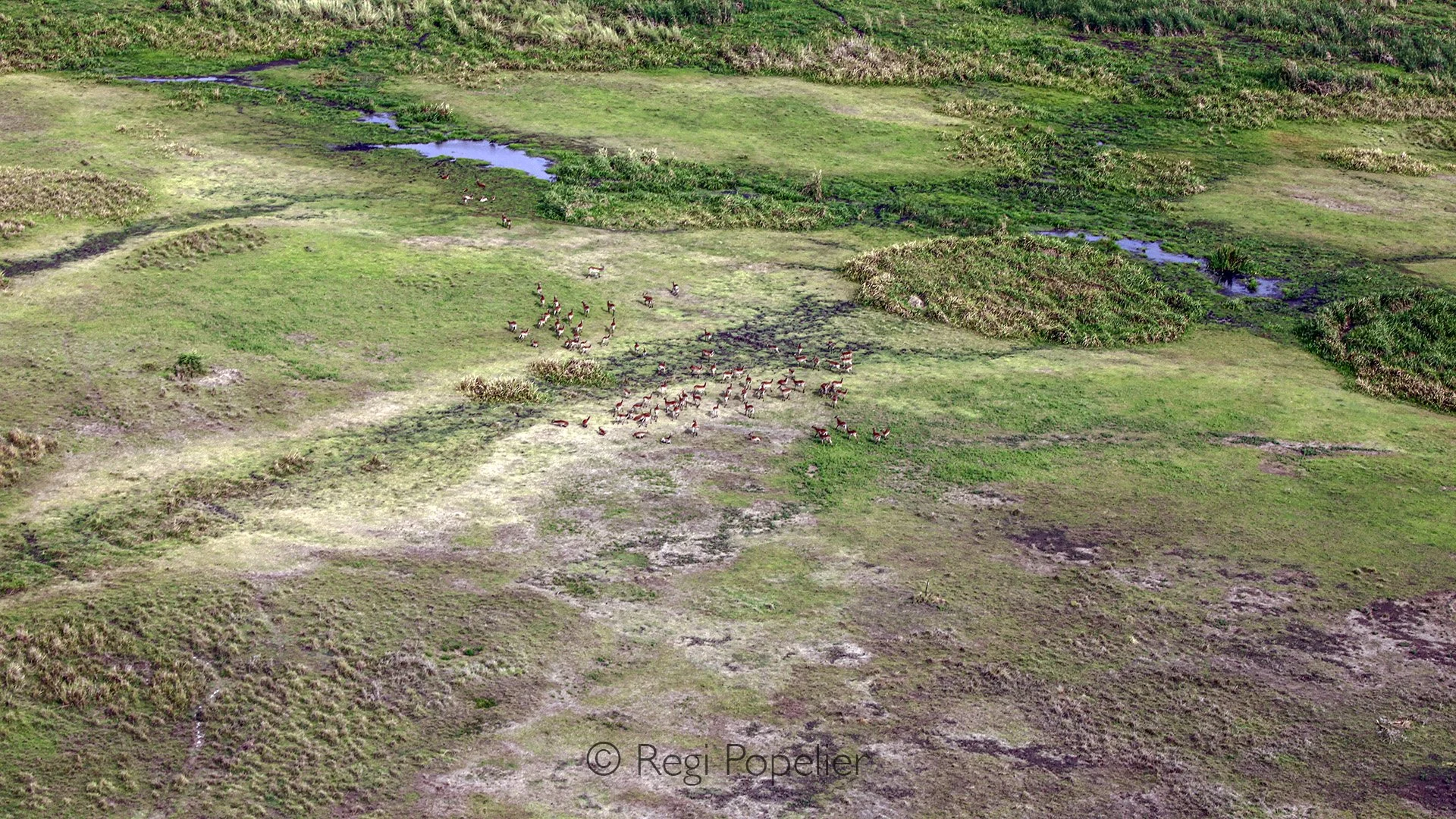
ZAMBIA041 - Puku ( kobus pardonii) near the river during morning.
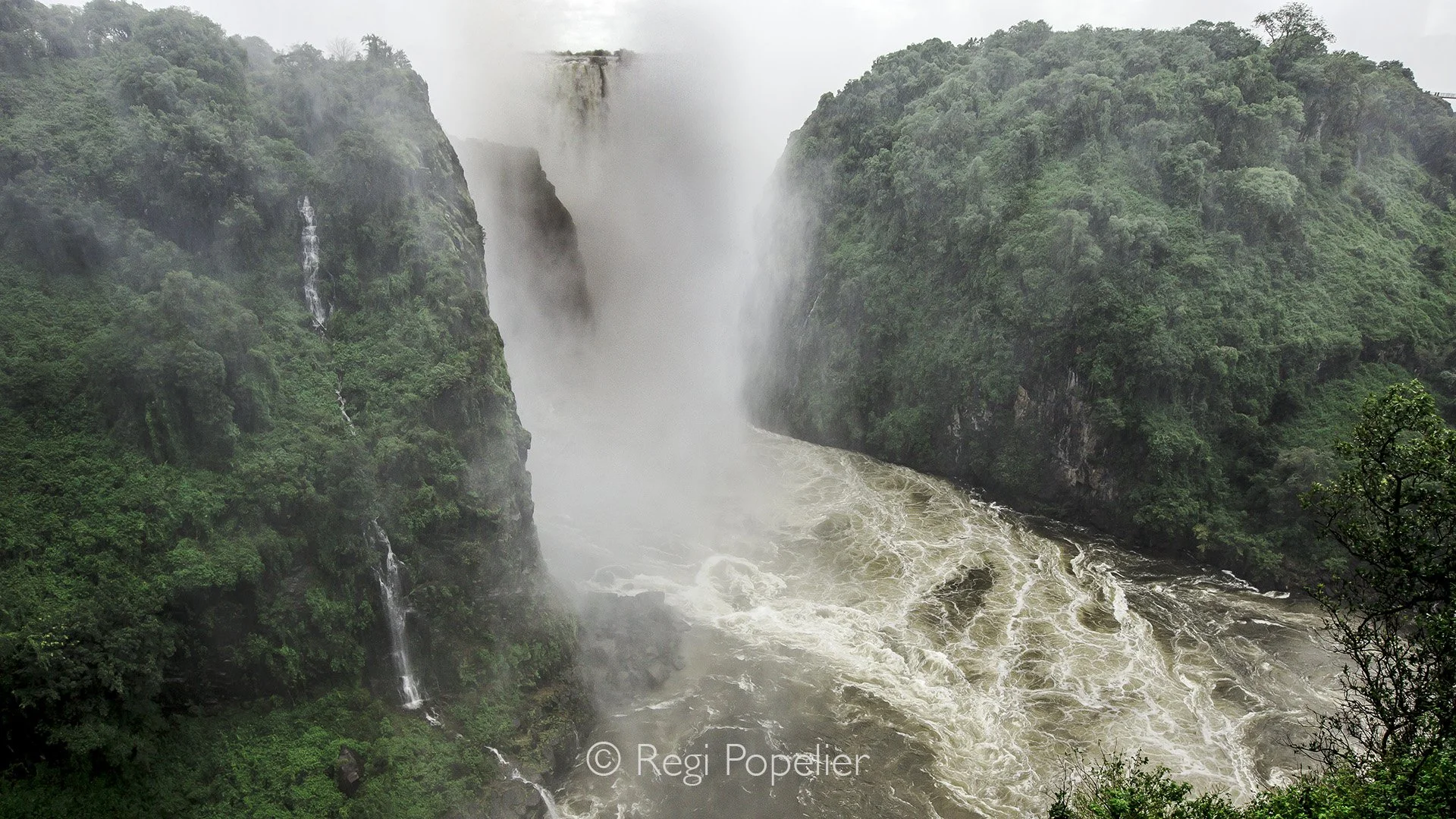
ZAMBIA042 - View from the Vic falls on the Zambian side.
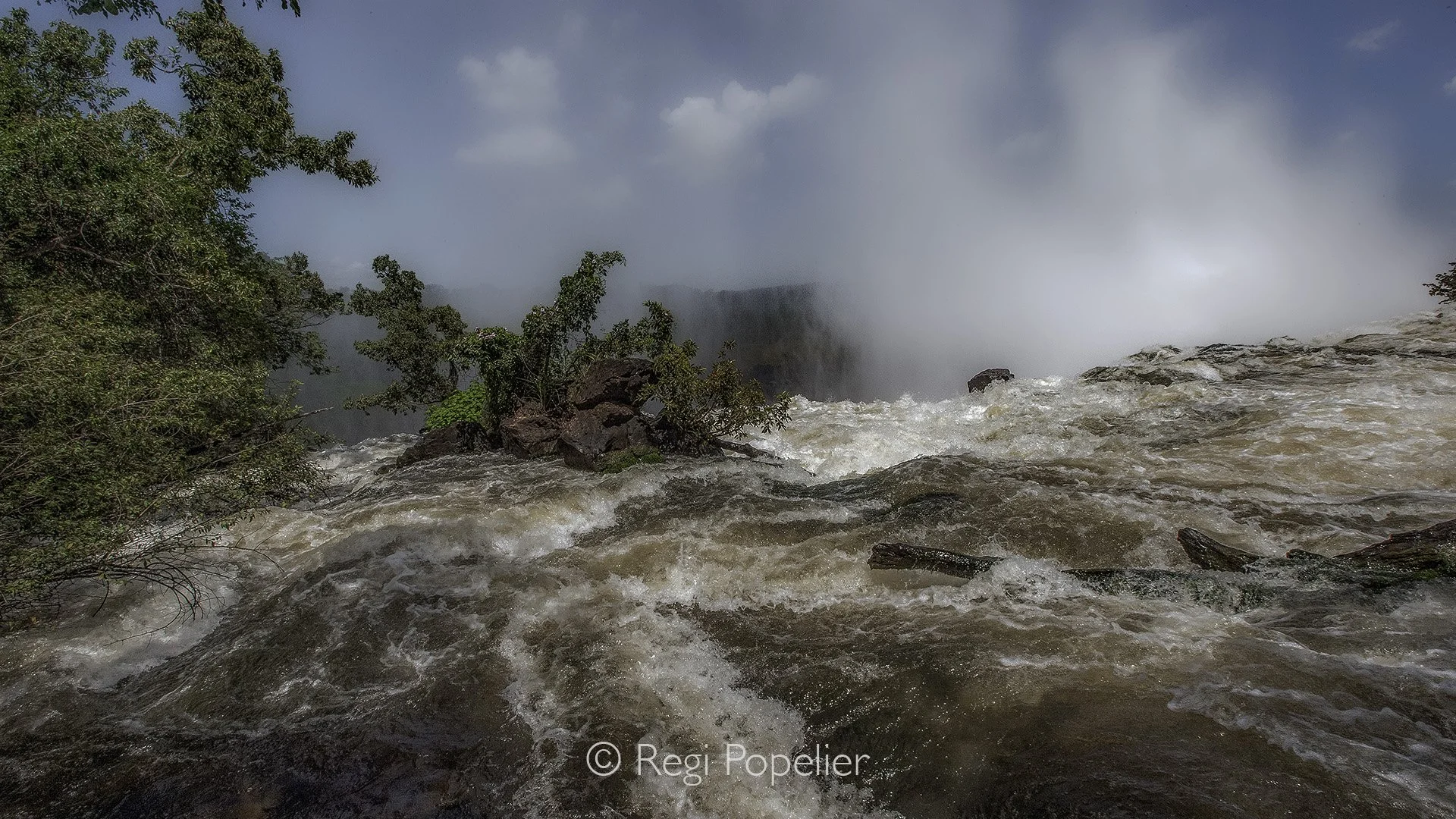
ZAMBIA043 - The plunge into the famous Victoria falls.
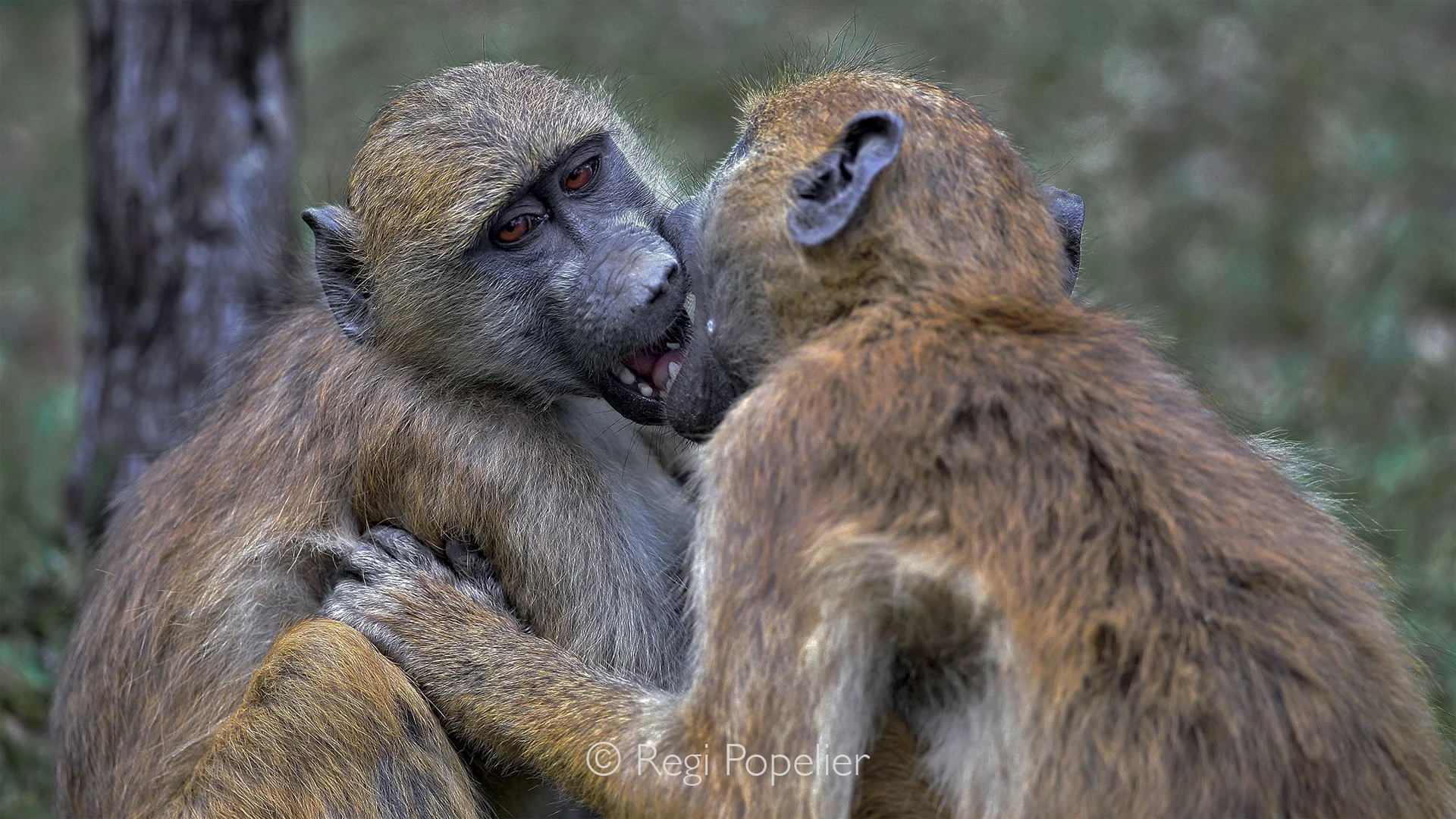
ZAMBIA044 - Yellow Baboon in their play.