A Land of Contrasts
After years of wanting to discover Madagascar, I finally embarked on a demanding 52 day photographic expedition across its remote rainforests, dry landscapes and rugged coastlines.
The journey quickly became much more than a search for photographs. Reaching Maroantsetra from Toamasina along the notorious RN5 was an expedition in itself. The road was often little more than a rough track, with more than a dozen river crossings, broken or rotting wooden bridges and improvised ferries pulled by hand. At some crossings, there was simply no way to know when we would continue. Waiting could take hours, and sometimes even days, until the water level or the makeshift ferry allowed us to cross. What might appear on a map as a relatively short distance became a demanding journey into one of the most remote parts of the island.
Our destination was Masoala, where I spent time searching for one of Madagascar's most remarkable and elusive inhabitants, the red ruffed lemur, Varecia rubra. Moving through dense rainforest and searching patiently for movement among the canopy, I was reminded once again that wildlife photography is as much about persistence as it is about pressing the shutter. After such a difficult journey, even a brief encounter with a rare species carries an extraordinary sense of reward.
Madagascar repeatedly revealed a natural world found almost nowhere else. Encounters with the fossa, one of the island's most distinctive predators, offered another photographic highlight, while the extraordinary diversity of its forests and landscapes constantly presented new possibilities.
The Avenue of the Baobabs became one of the visual icons of the journey. I photographed the ancient trees in the quiet light of morning and returned again at sunset, when the changing colours transformed their silhouettes into an almost surreal landscape. These were very different photographic moments from those in the rainforest: here, composition, scale, light and the relationship between the trees and the vast surrounding landscape became the subject.
Yet Madagascar's beauty exists alongside a much harsher reality. Throughout the countryside, I encountered signs of extreme poverty and saw fires burning across the landscape to clear land for cultivation, including the planting of manioc. It was impossible not to feel the tension between the extraordinary uniqueness of Madagascar's natural heritage and the daily struggle of communities whose survival depends upon the land.
The expedition was not without its own difficulties. Logistics were often uncertain, resources were sometimes lost, theft became part of the experience, and agreements were not always treated with the certainty I had expected. Yet these frustrations were balanced by the warmth, kindness and generosity of many Malagasy people I encountered along the way.
One of the most memorable experiences was spending five days with the renowned Malagasy photographer Pierrot Men. His intimate knowledge of Madagascar and his distinctive way of seeing its people and landscapes gave me a different perspective on a country I was already beginning to understand as far more complex than its extraordinary wildlife alone suggests.
Madagascar had left a lasting impression on me. It was beautiful, demanding, unpredictable and sometimes confronting. The journey required patience, resilience and a willingness to accept that not everything would happen according to plan.
Perhaps that is what made it so memorable. Madagascar is a place where extraordinary wildlife and landscapes exist alongside poverty, vulnerability and enormous human pressures. For a photographer, it offers far more than beautiful images: it forces you to look closely, to accept the difficult moments as part of the story, and to recognise that behind every remarkable photograph lies a real place, a real journey and a world worth protecting.
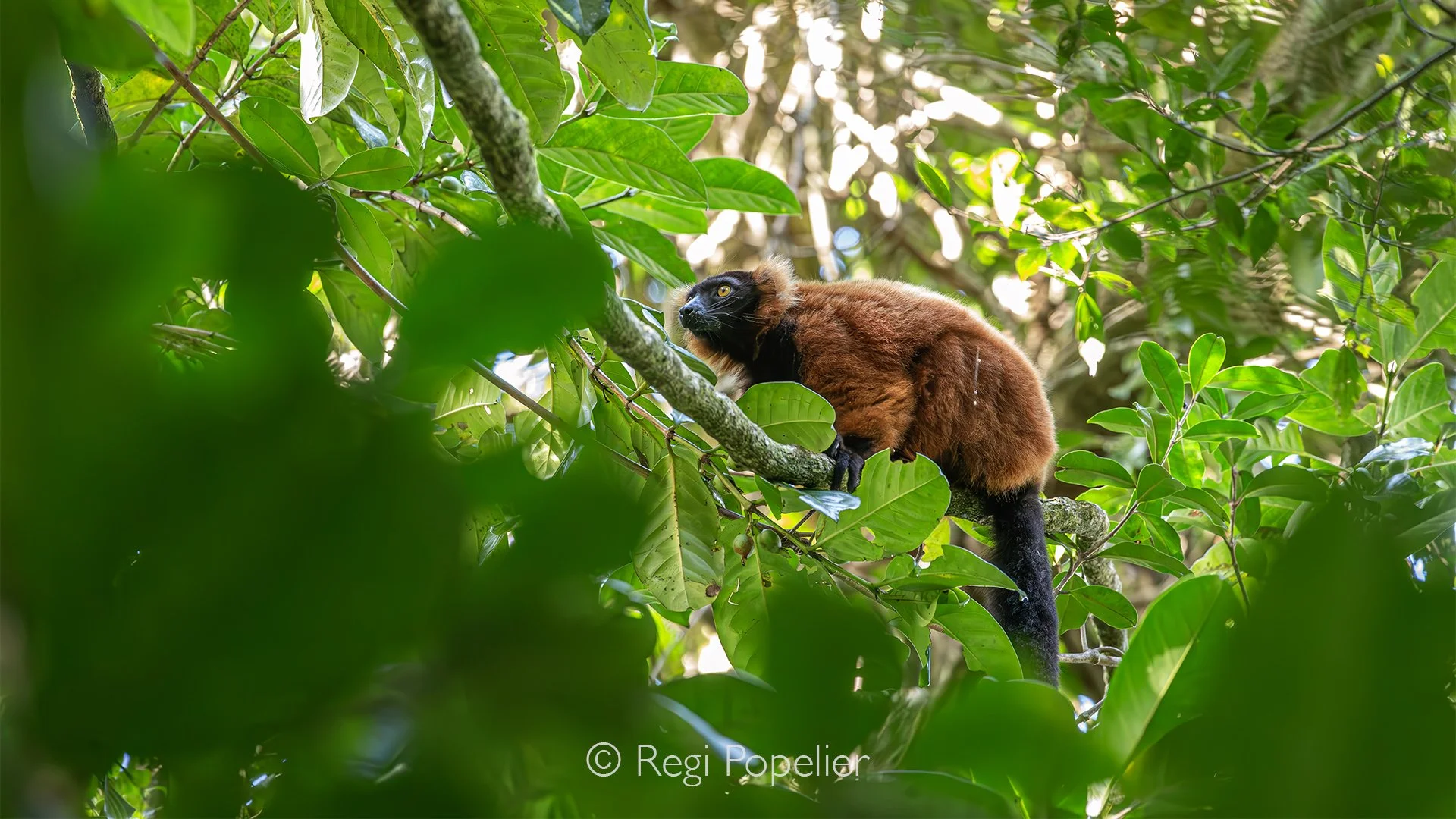
MADA001 - Varecia Rubra Endemic to Madagascar, photographed in Masoala.
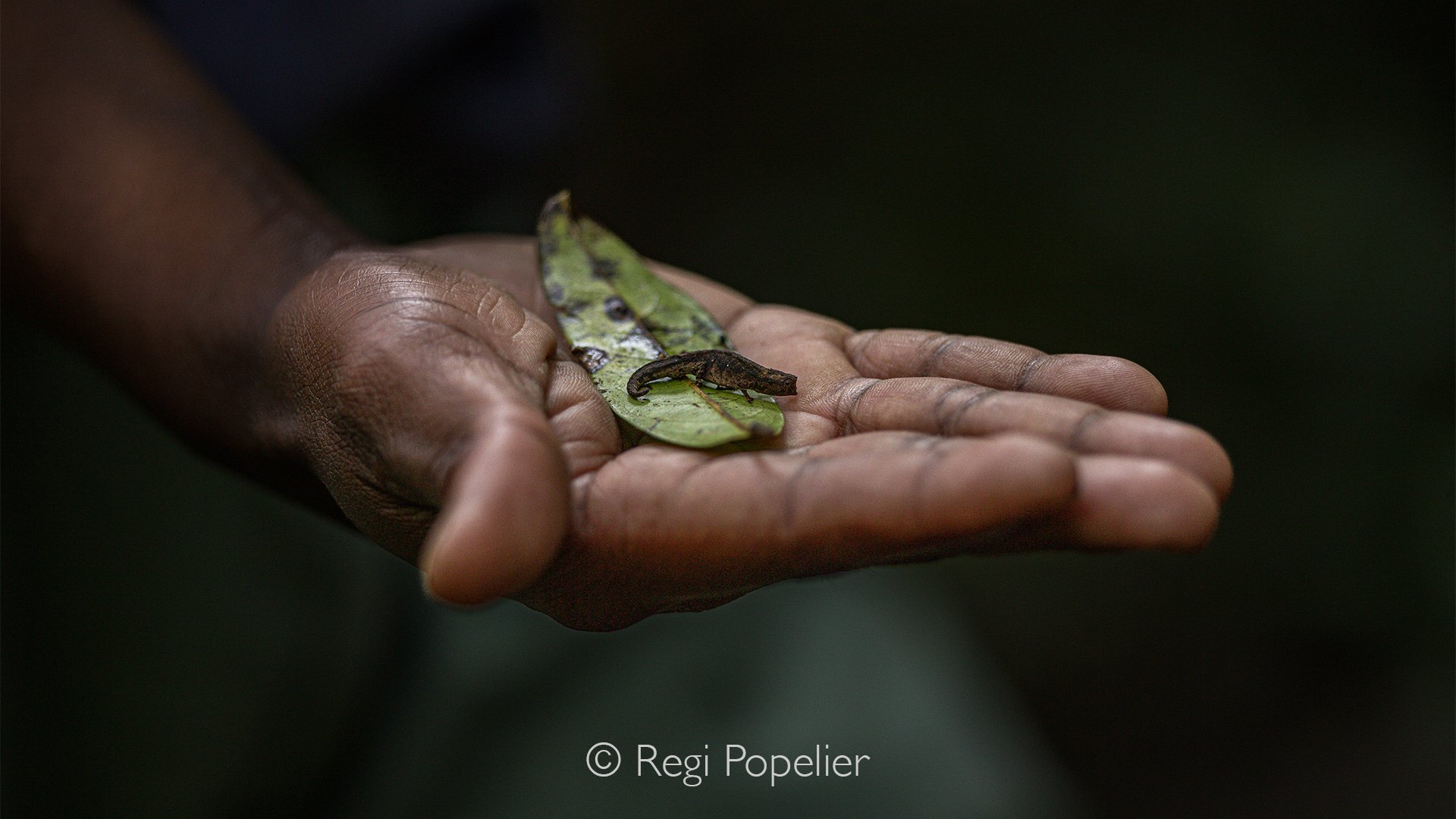
MADA002 - Brookesia Nana one of the smallest chameleons in the world.
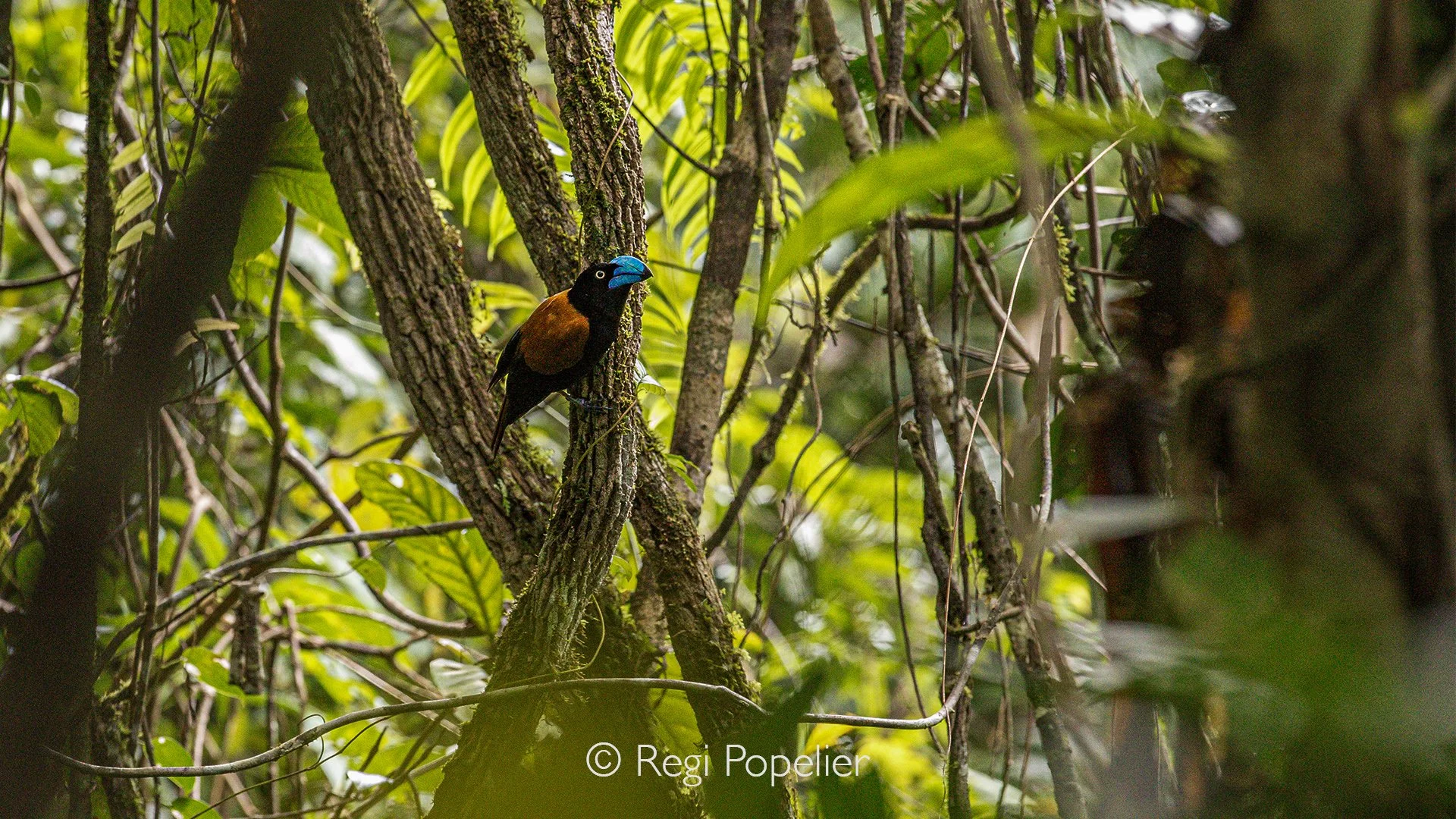
MADA003 - Euryceros Prevosti find only in the rainforest northeast of Madagascar.
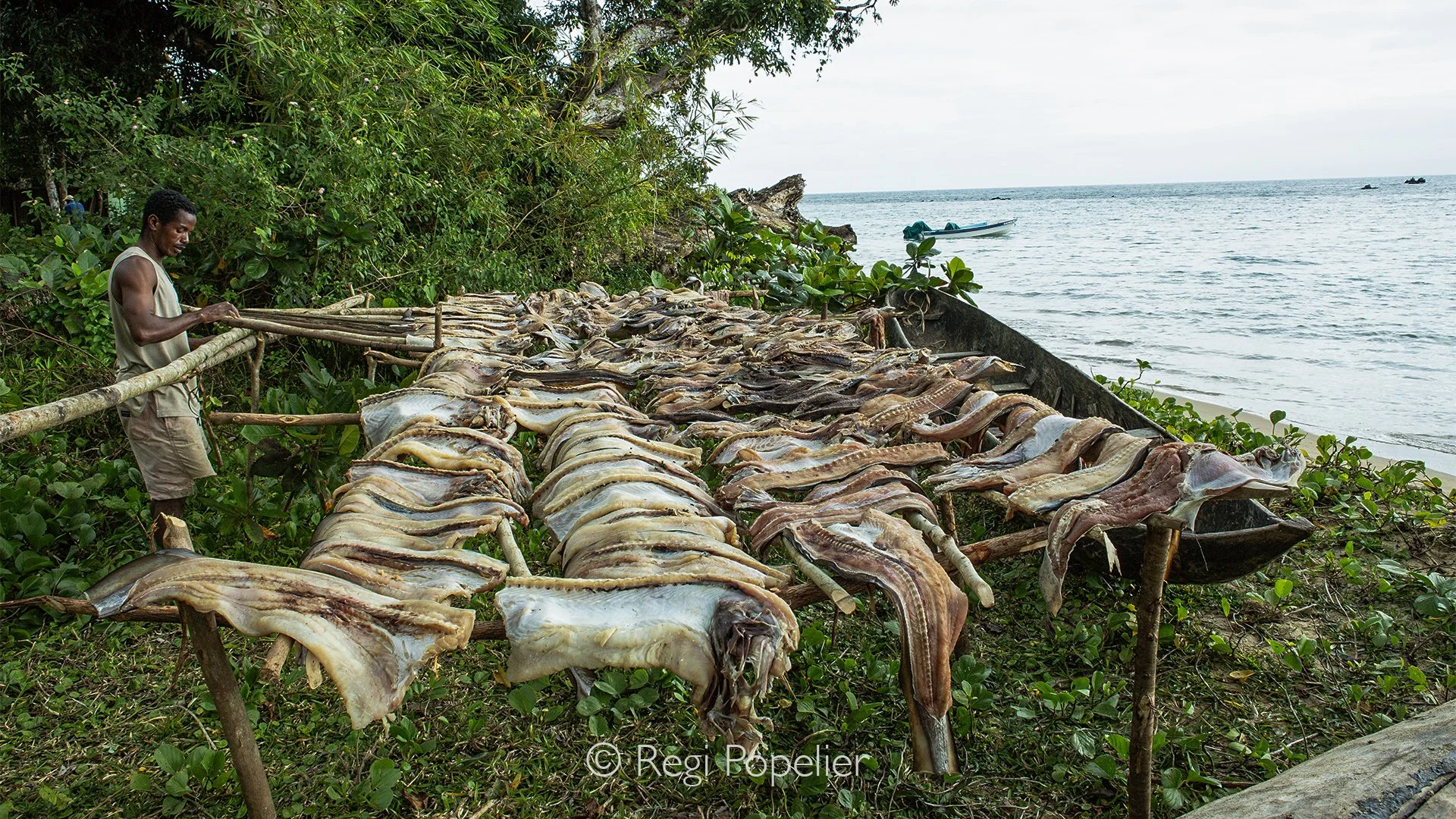
MADA004 - A Fishermen sun drying the daily harvest on wooden sticks.
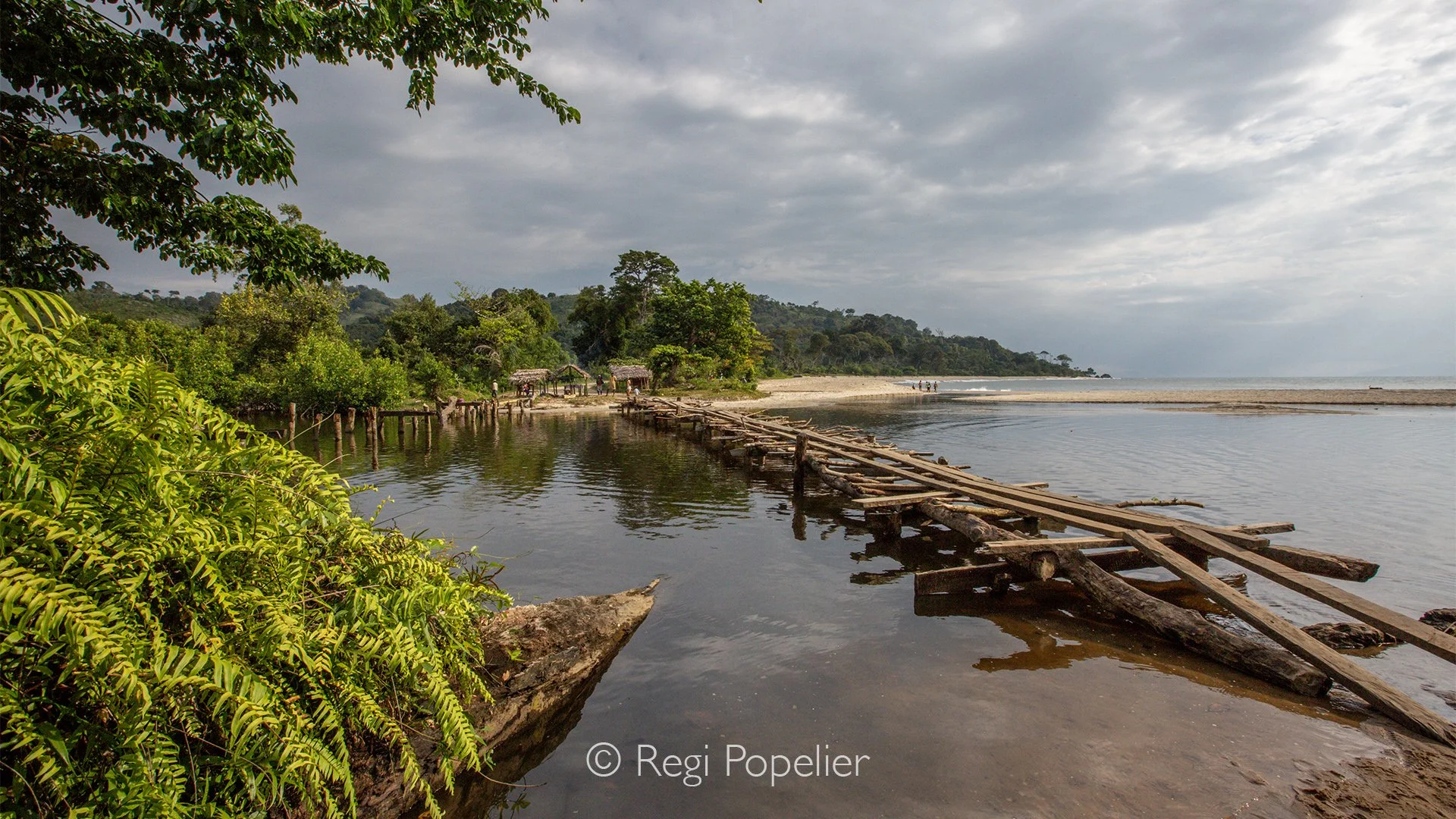
MADA005 - The Perilous Path. Navigating Madagascar's most dangerous road on the grueling route out of Masoala.
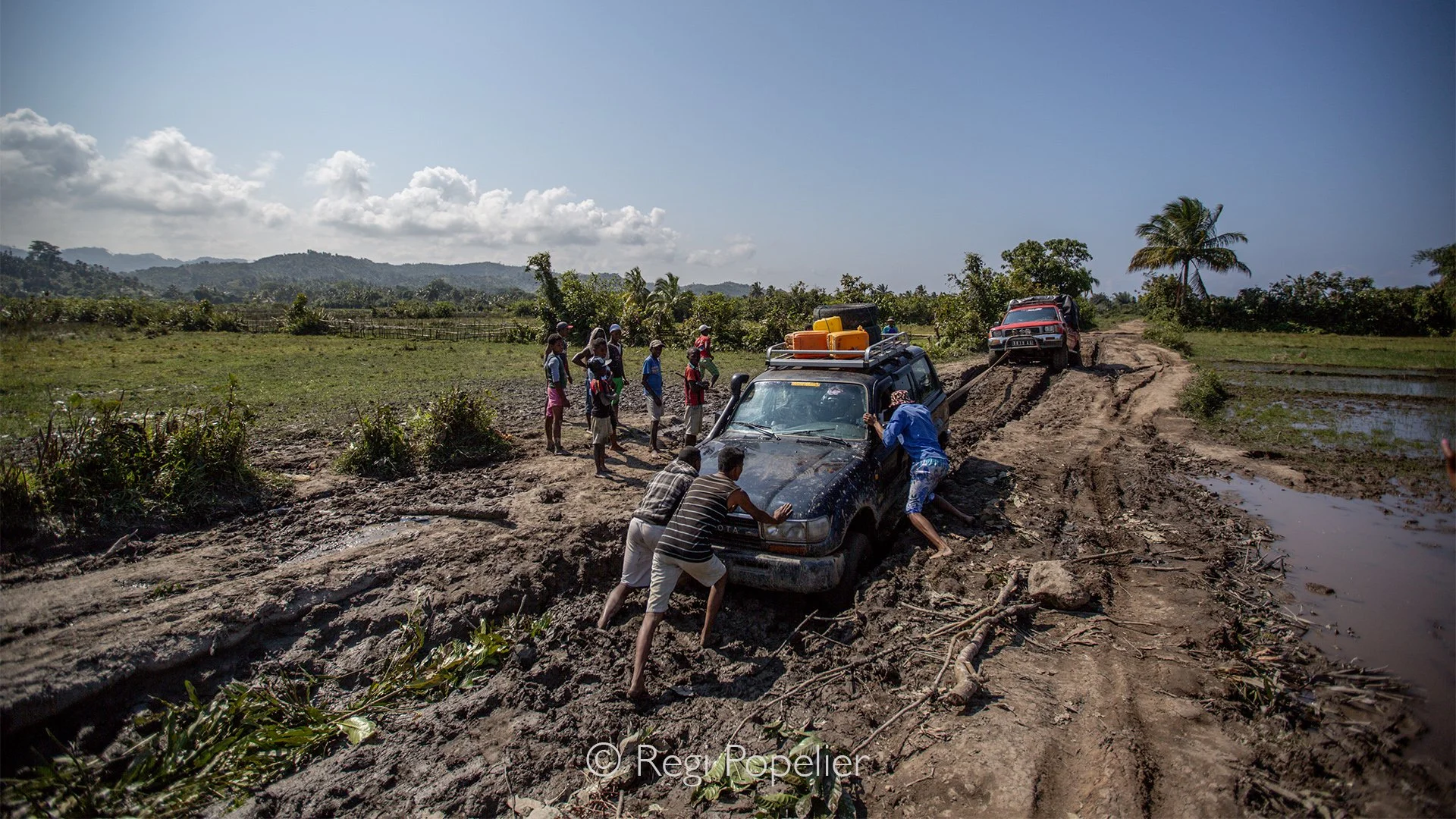
MADA006 - With a little help.
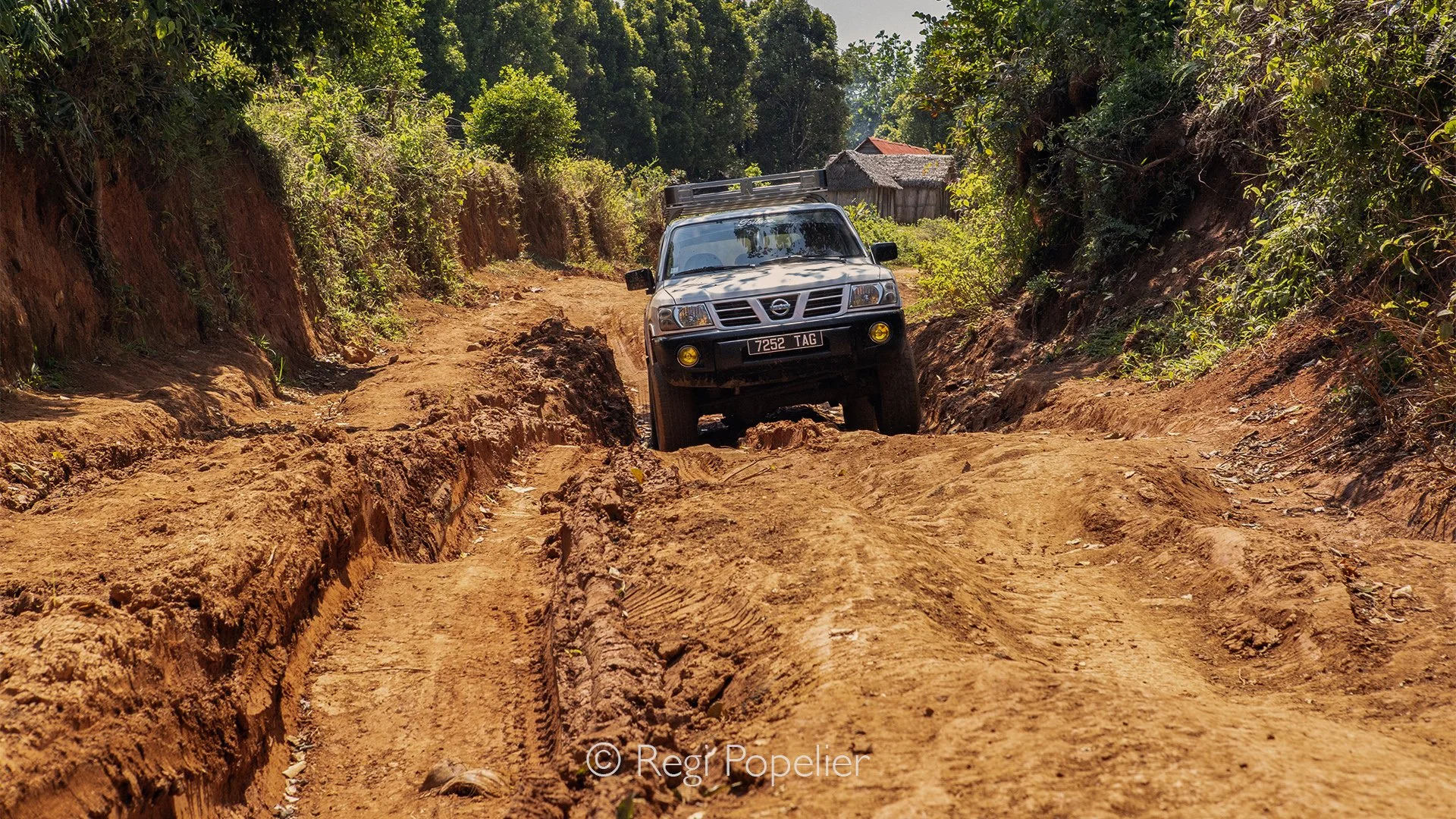
MADA007 - View on the highway to Maraontsetra.
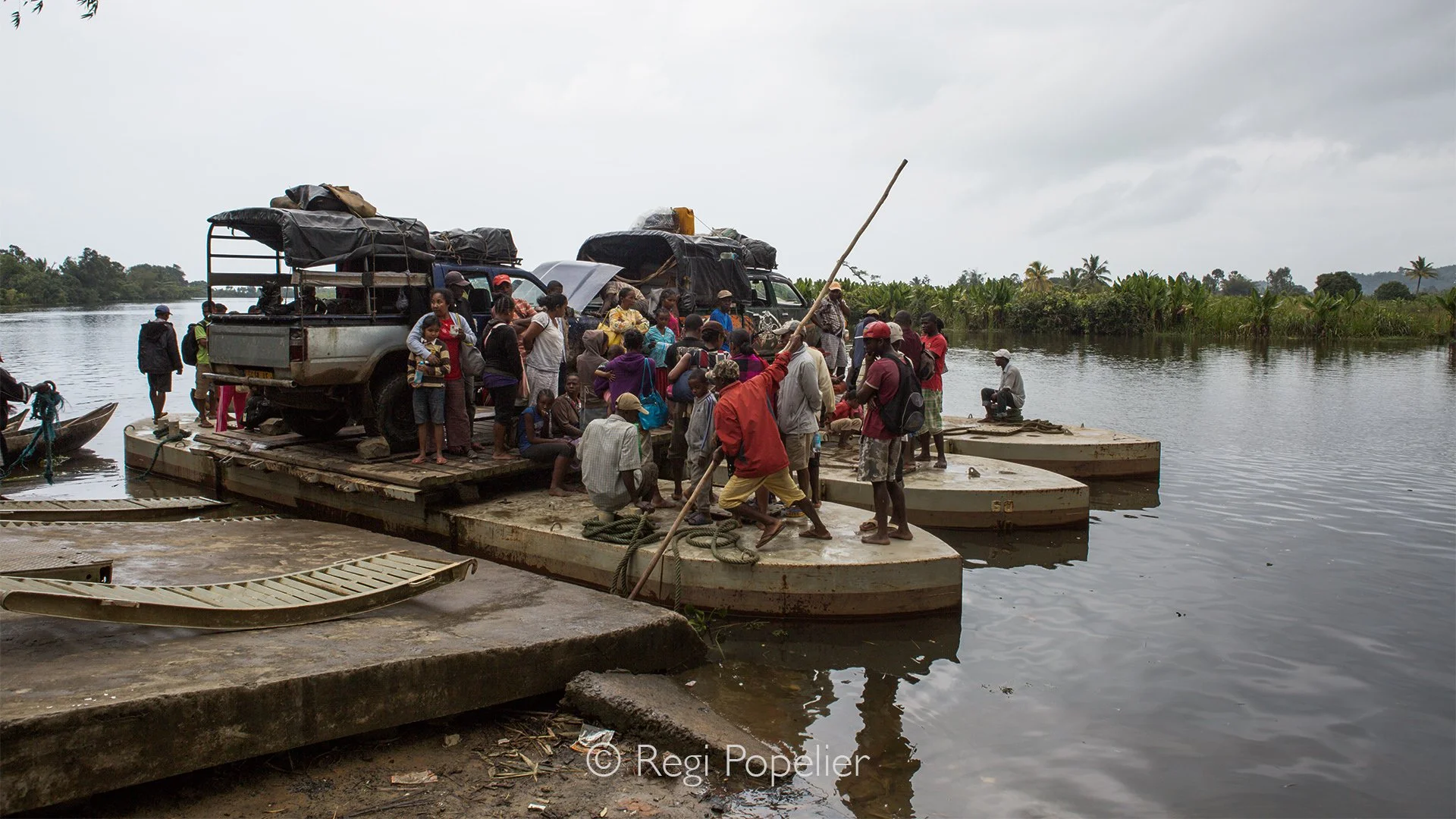
MADA008 - Some stretches , no road at all.
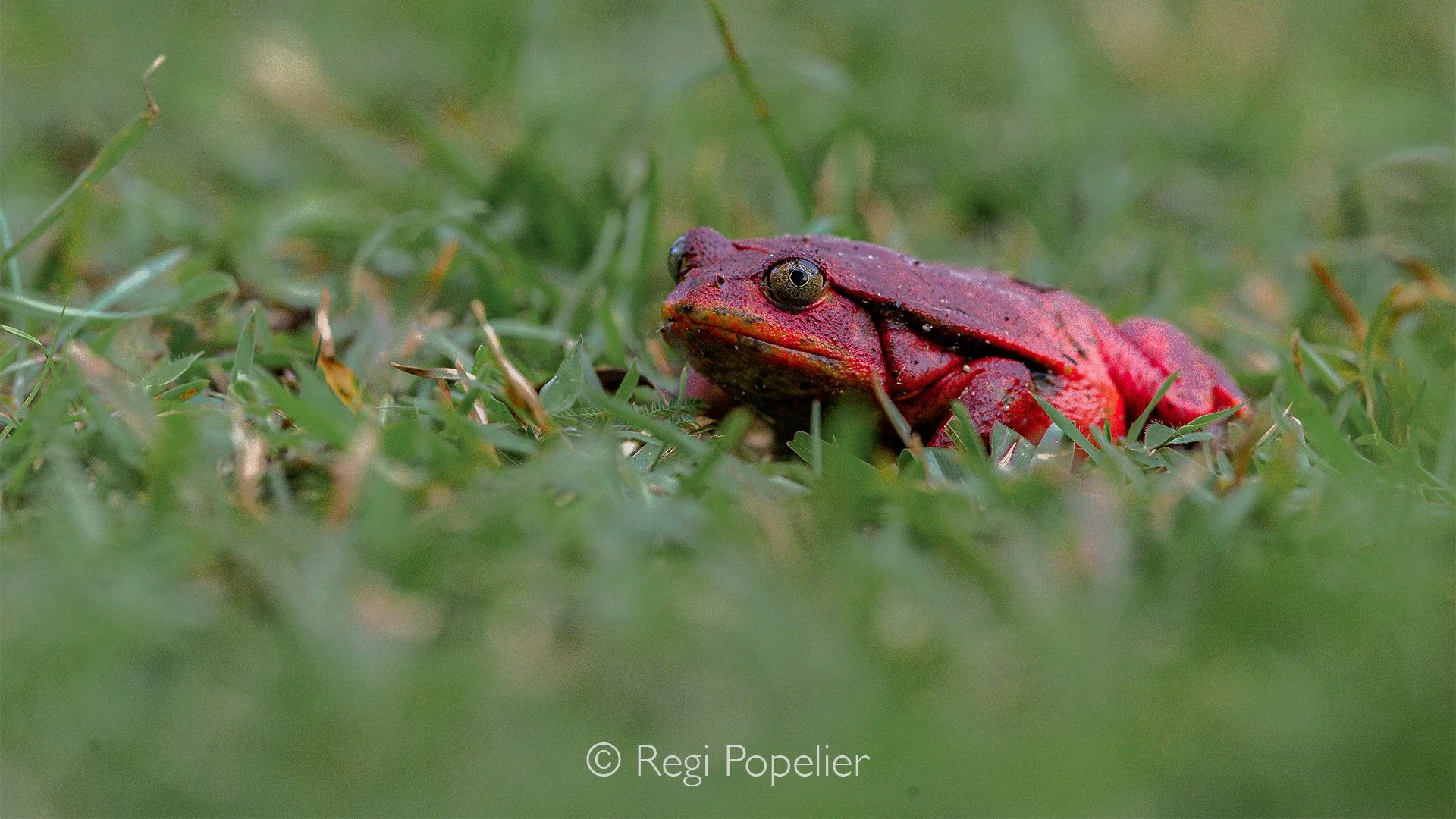
MADA009 - The tomato frog.
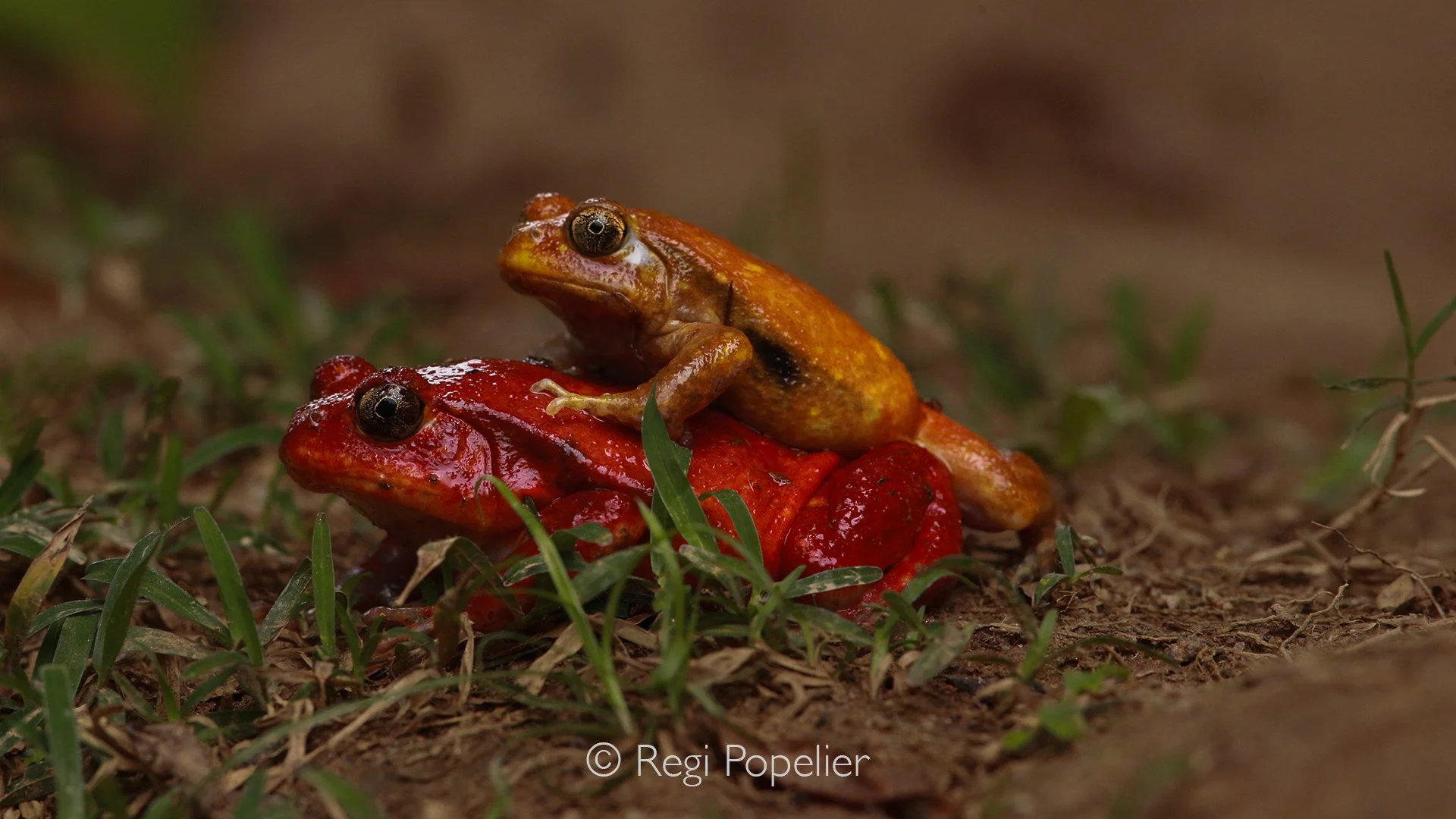
MADA010 - Dyscophus guineti, is an amphibian from the Microhylidae family and lives in the primary forests of Madagascar.
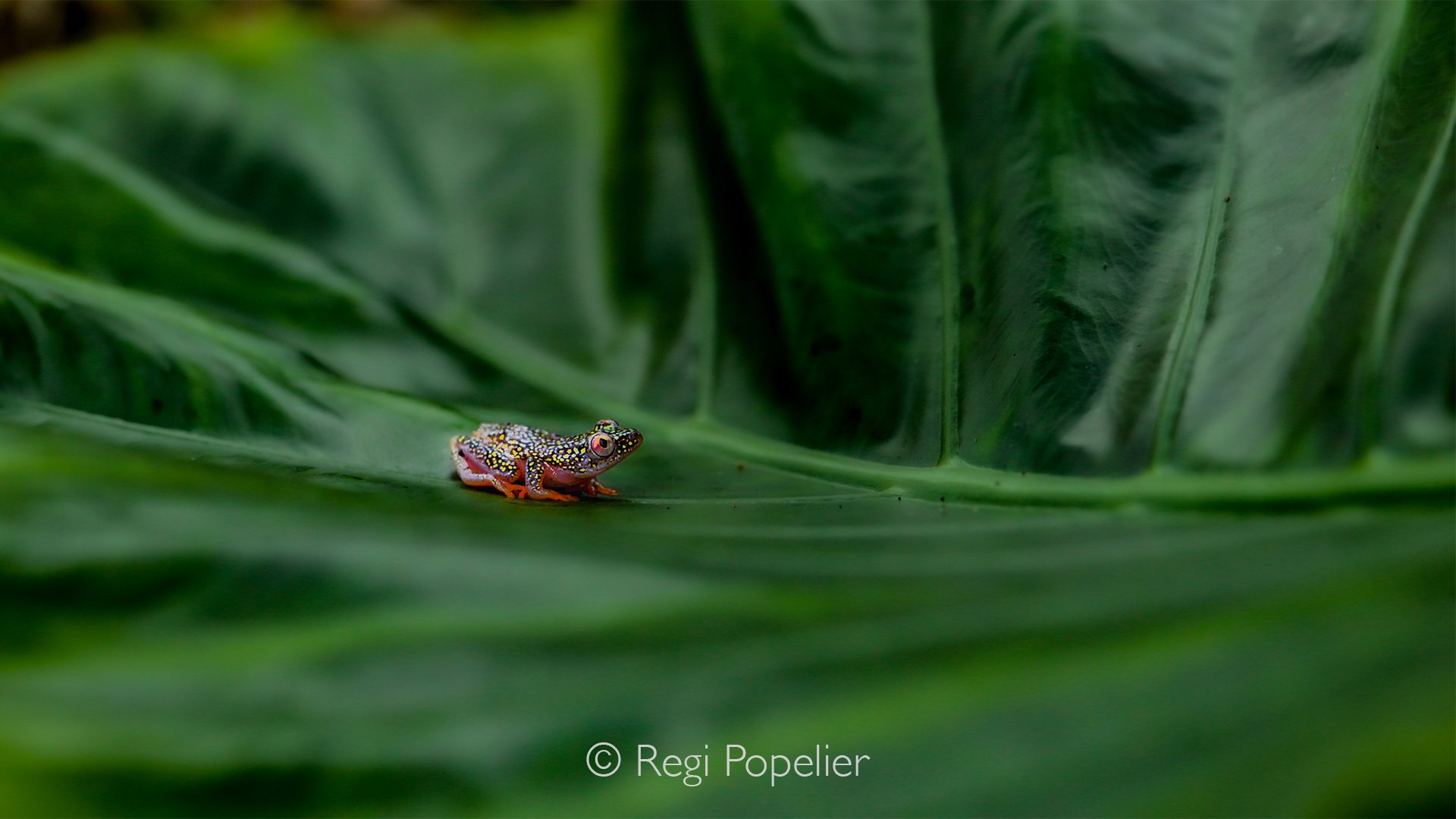
MADA011 - Heterixalus Alboguttatus.
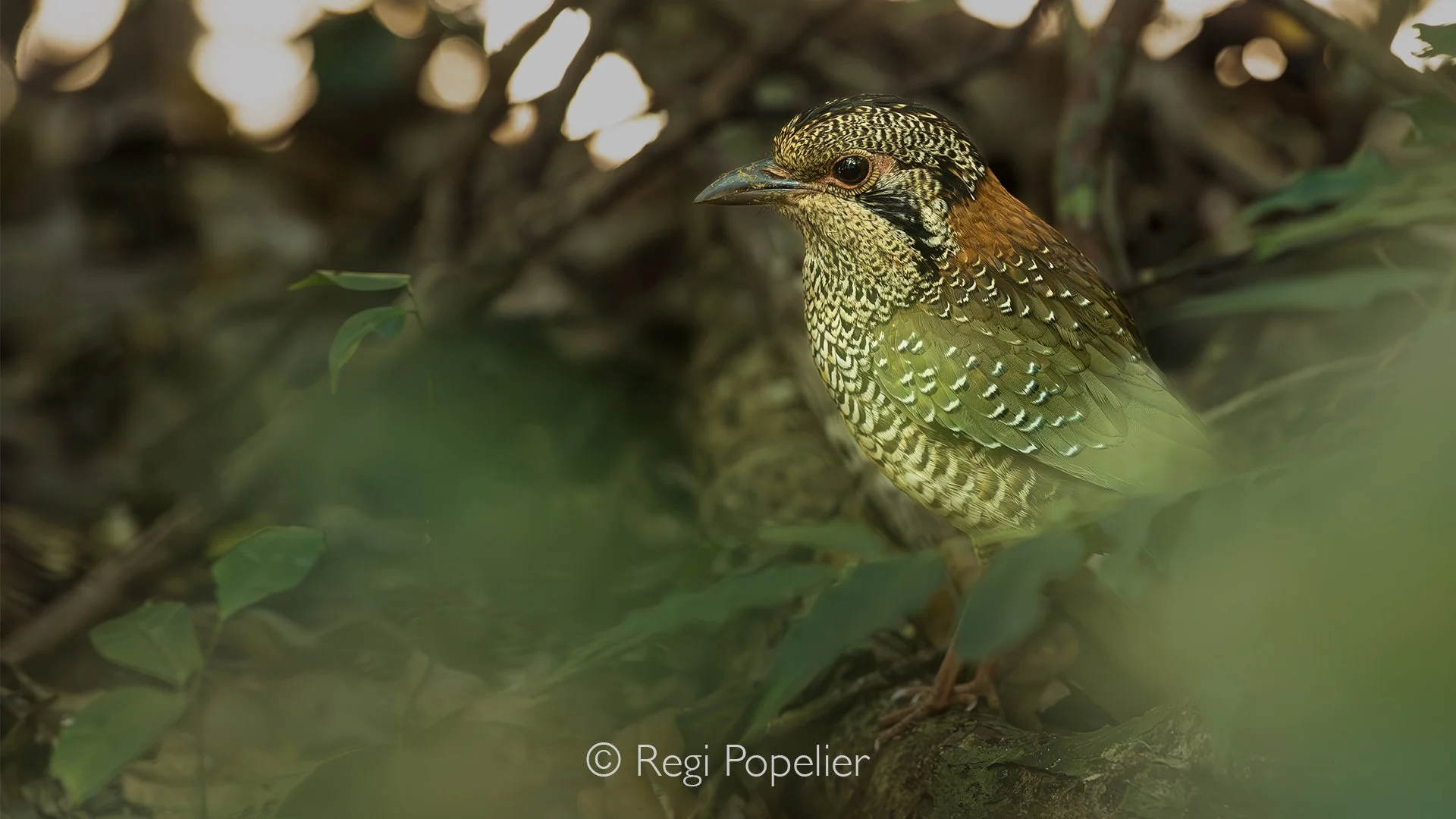
MADA012 - The scaly ground roller (Geobiastes squamiger) is a rare and elusive bird found only in Madagascar.
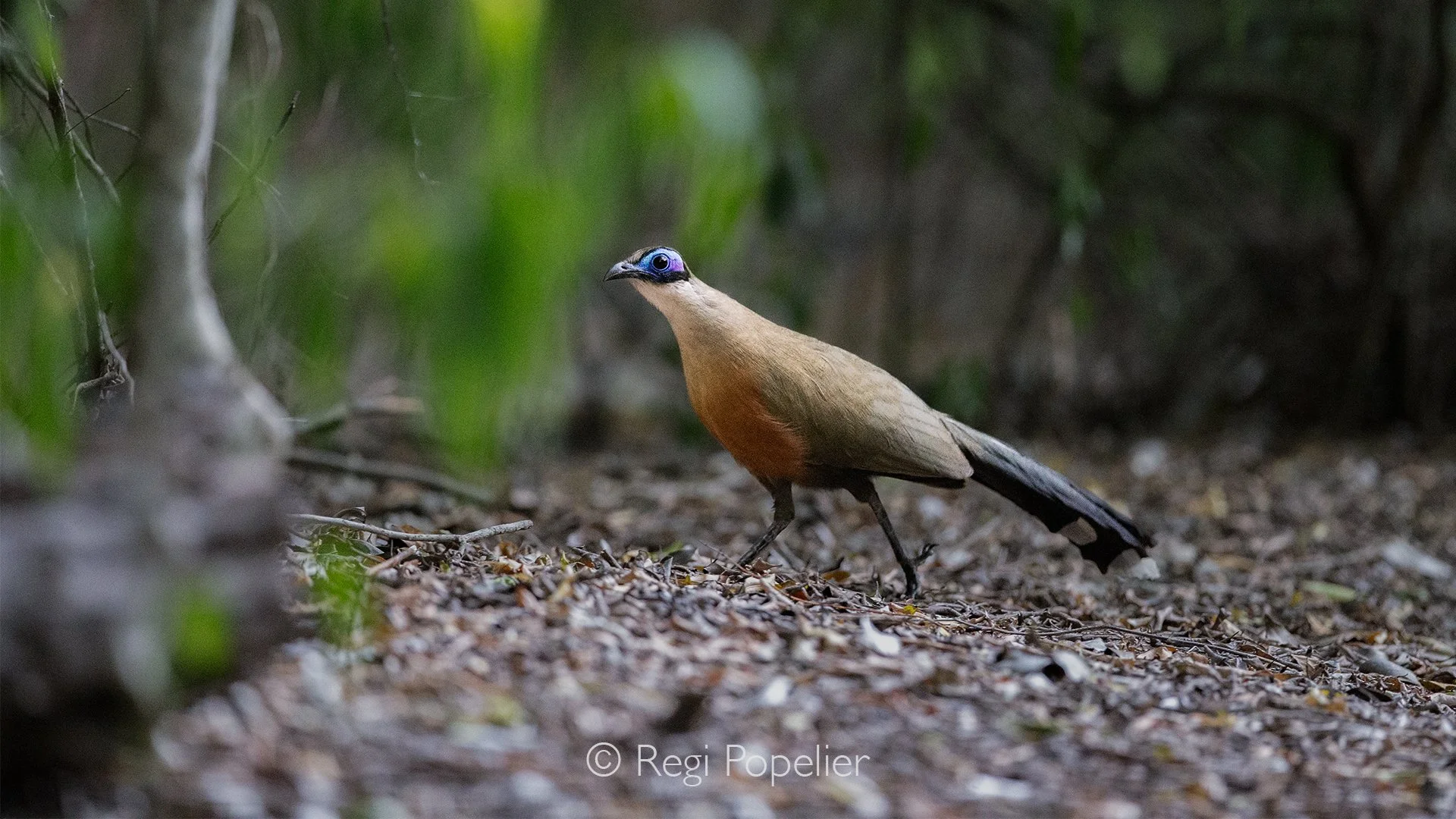
MADA013 - Coua Gigas, quite rare to see.
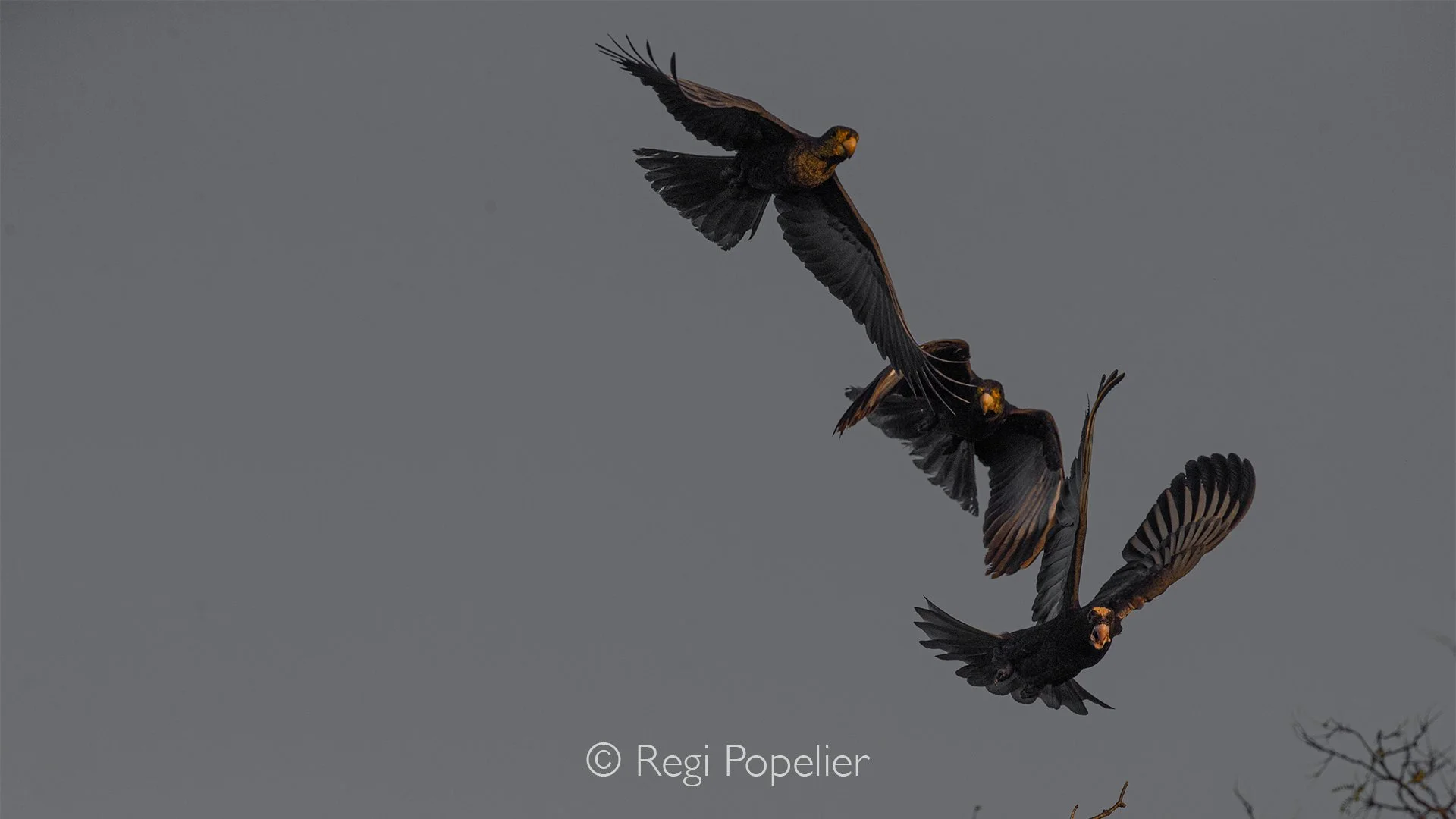
MADA014 - The black parrots of Madagascar, known as Vasa parrots, are highly unusual birds native to the island.
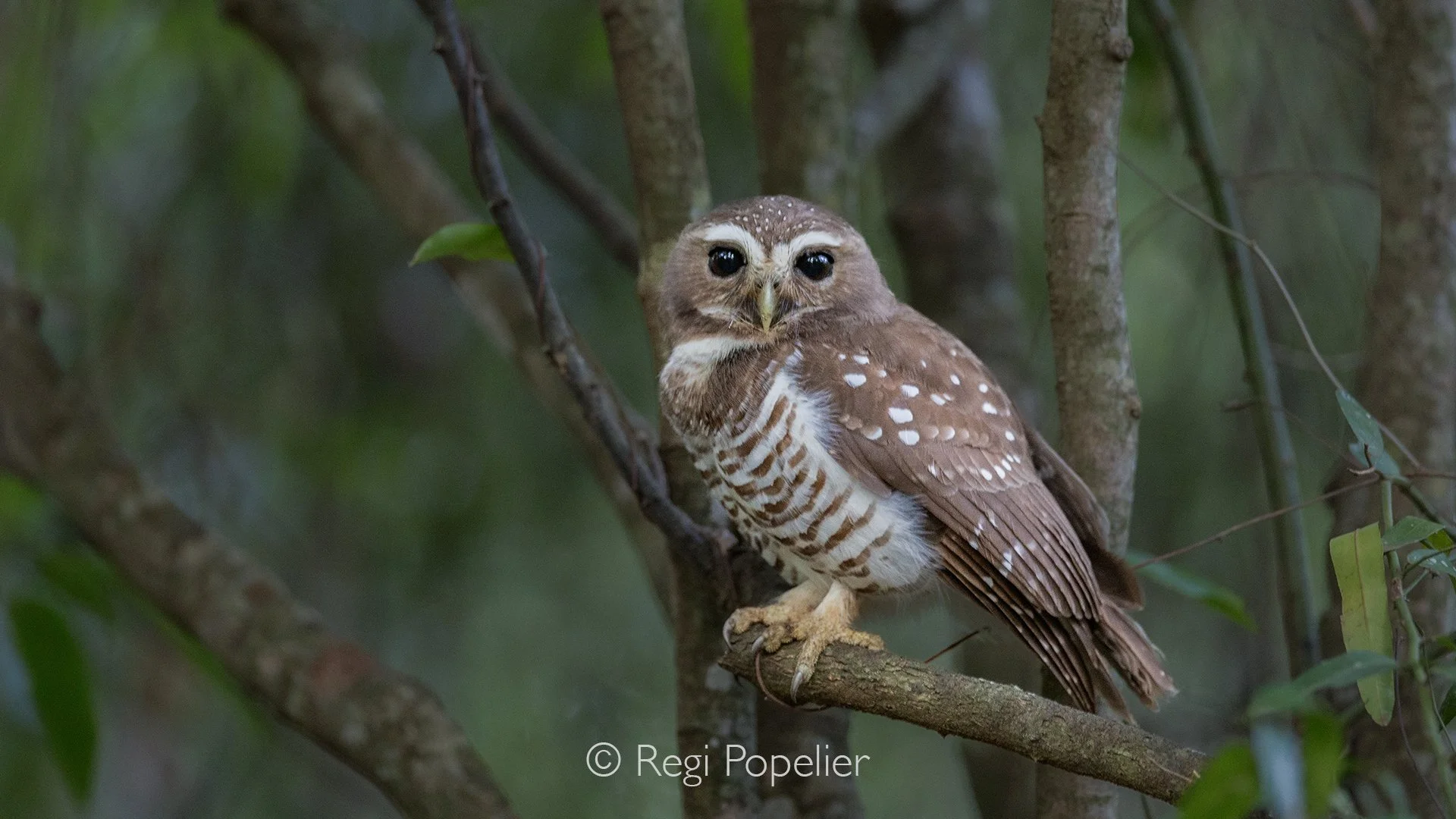
MADA015 - Ninox Superciliaris.
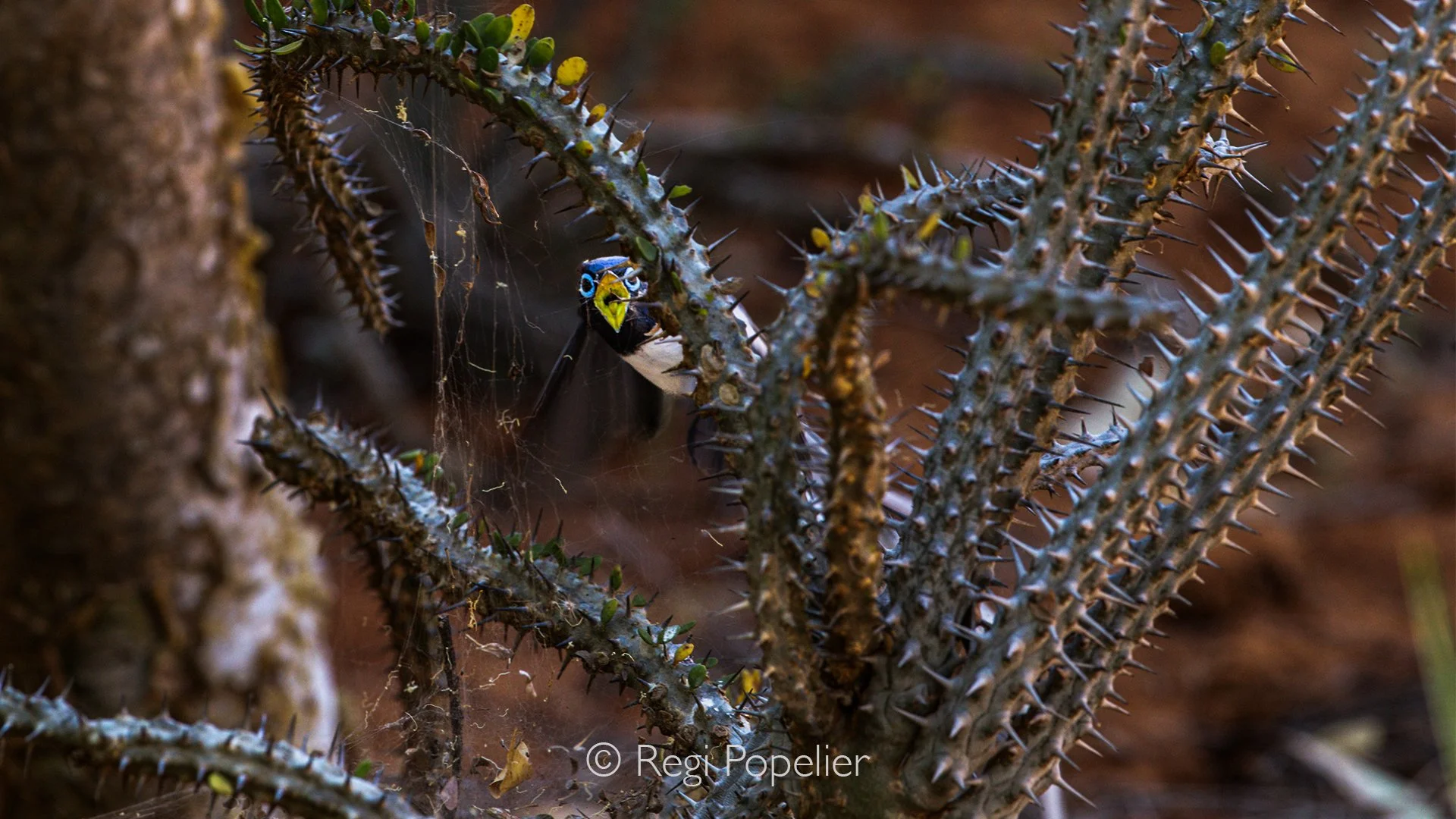
MADA016 - Rare image of a white Paradise flycatcher.
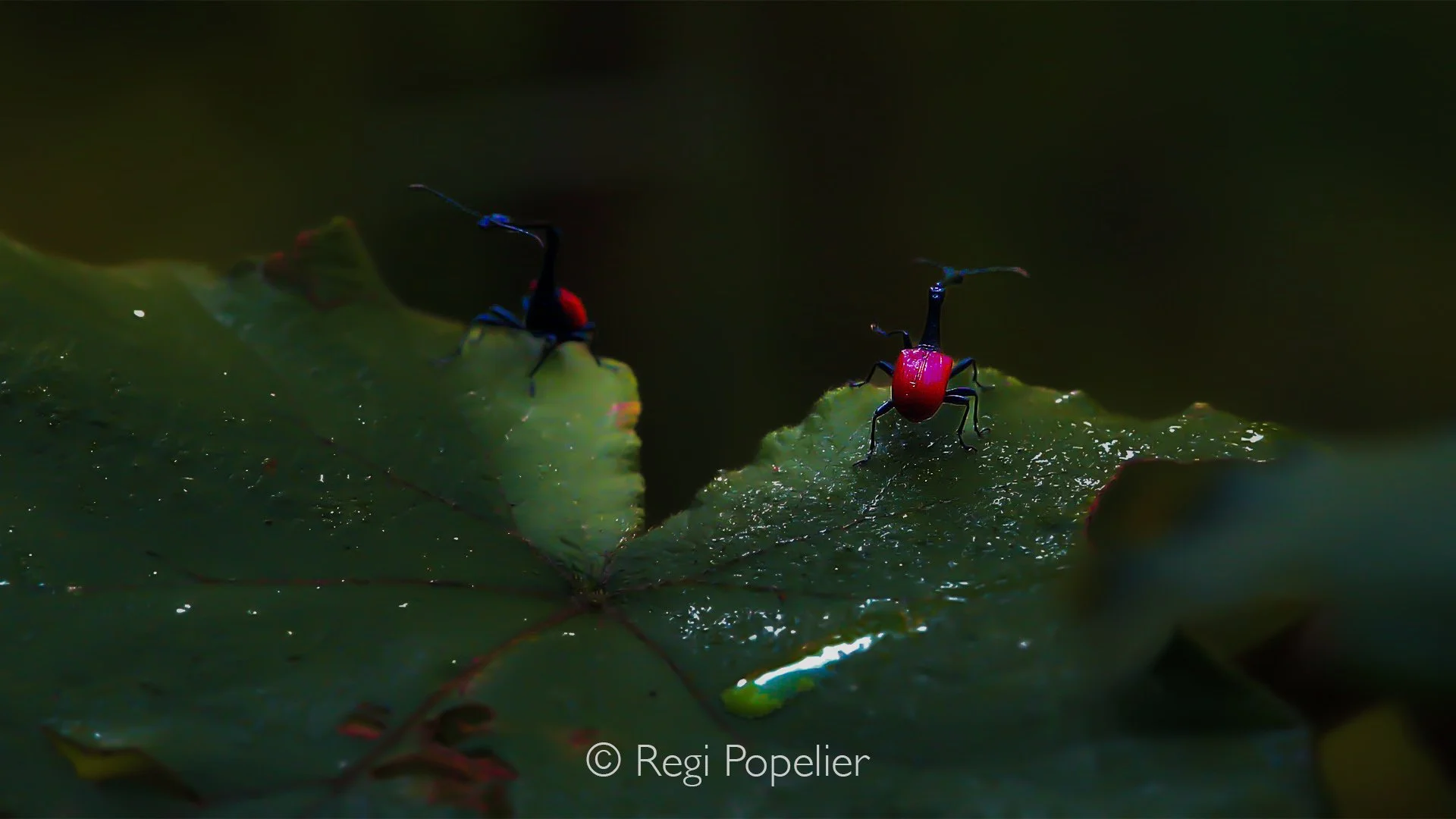
MADA017 - The giraffe weevil (Trachelophorus giraffa) is a highly distinct insect endemic to Madagascar. Famous for its disproportionately long, giraffe-like neck.
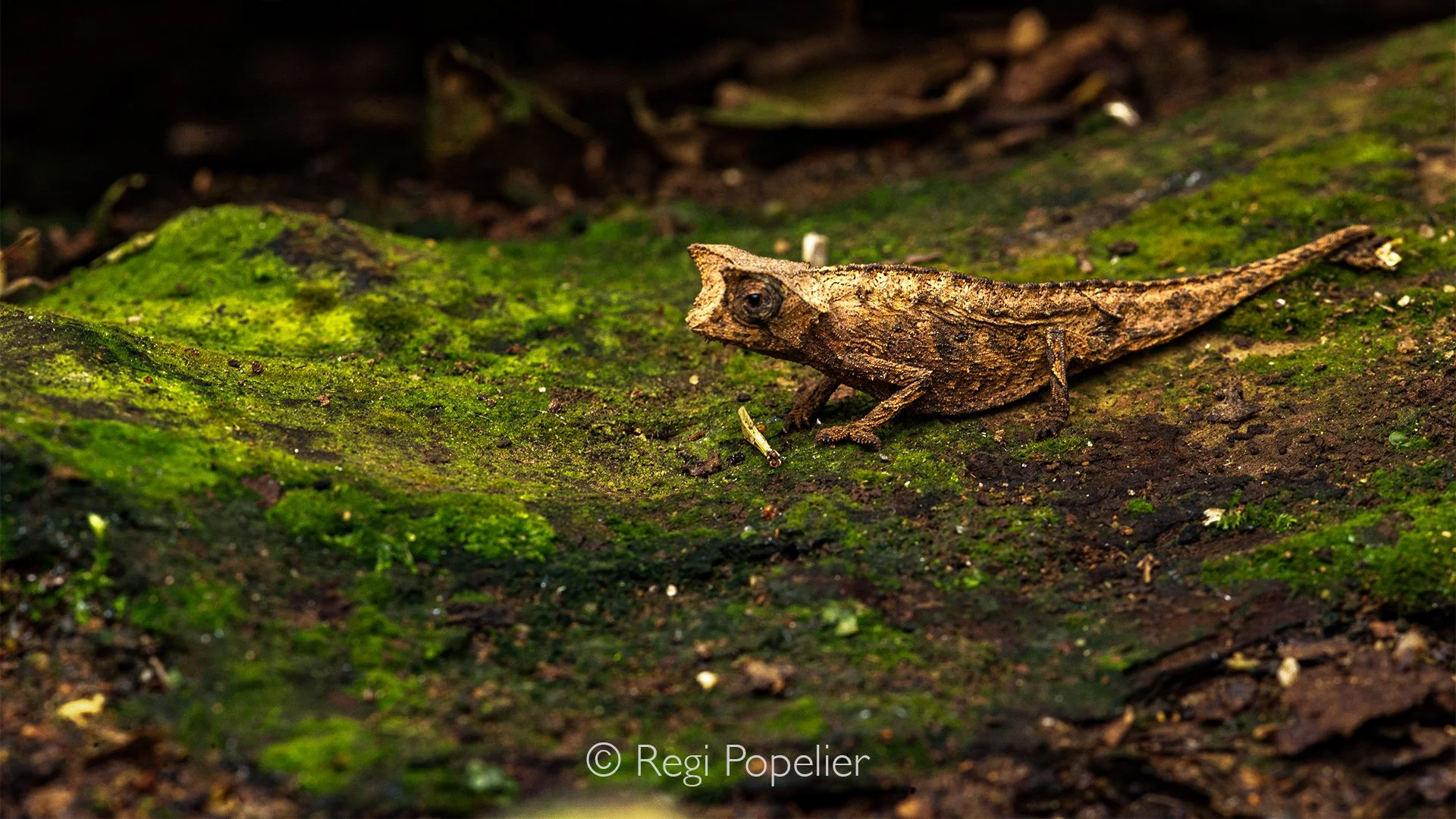
MADA018 - Close up from Brookesia Nana.
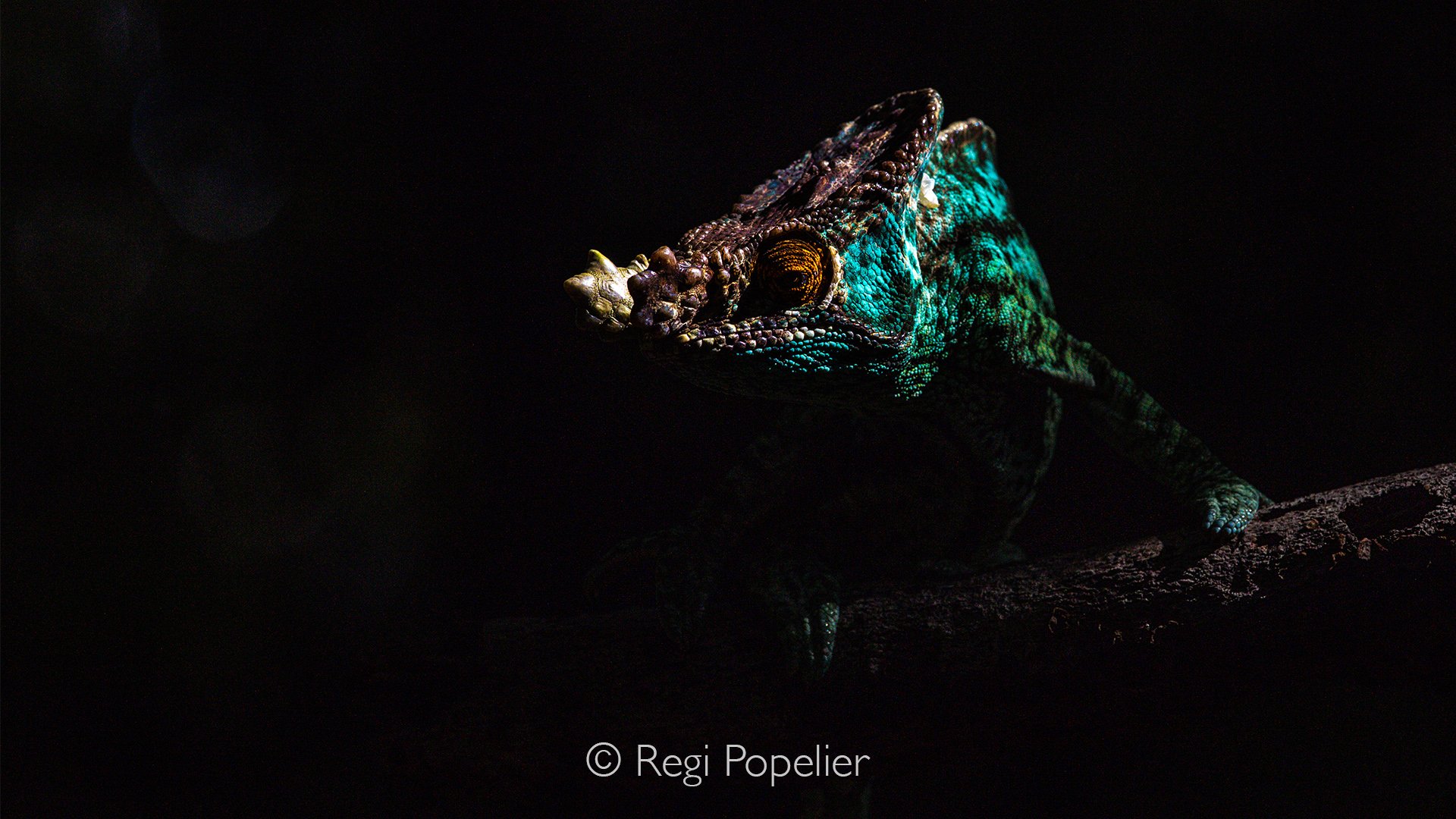
MADA019 - Panther Chameleon ?
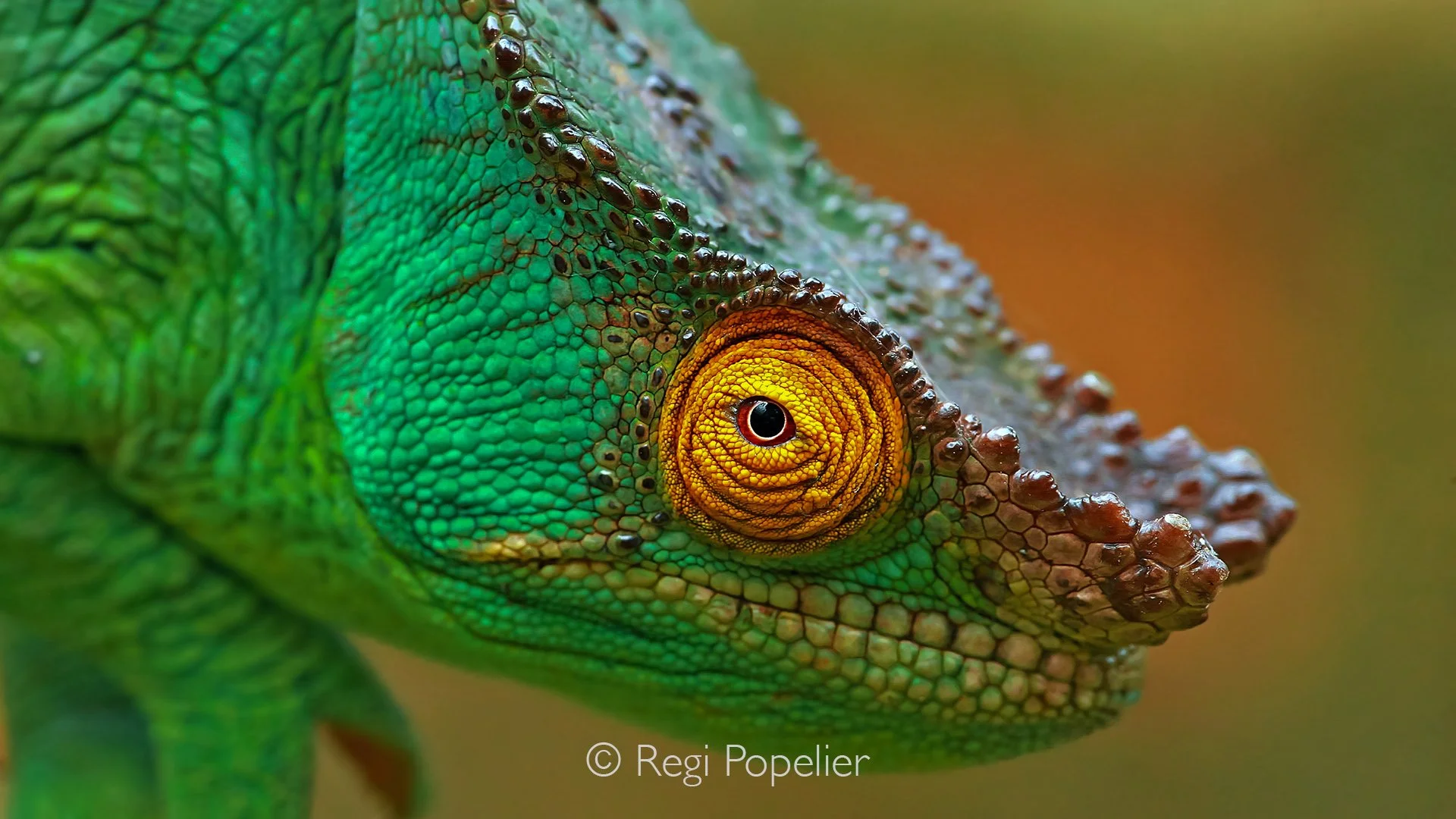
MADA020 - Parson's chameleon, Calumma parsonii.
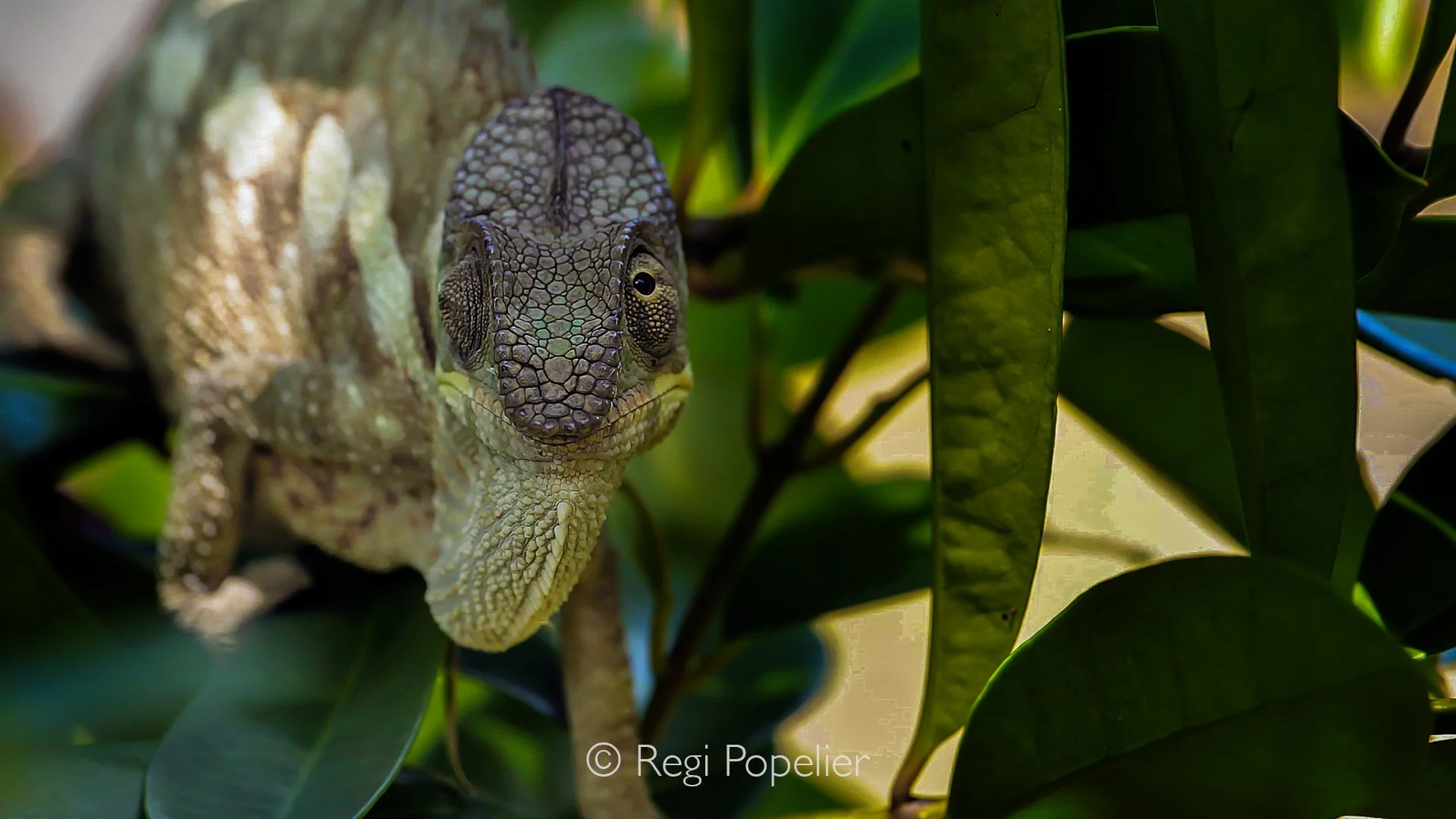
MADA021 - Short horned chameleon ?
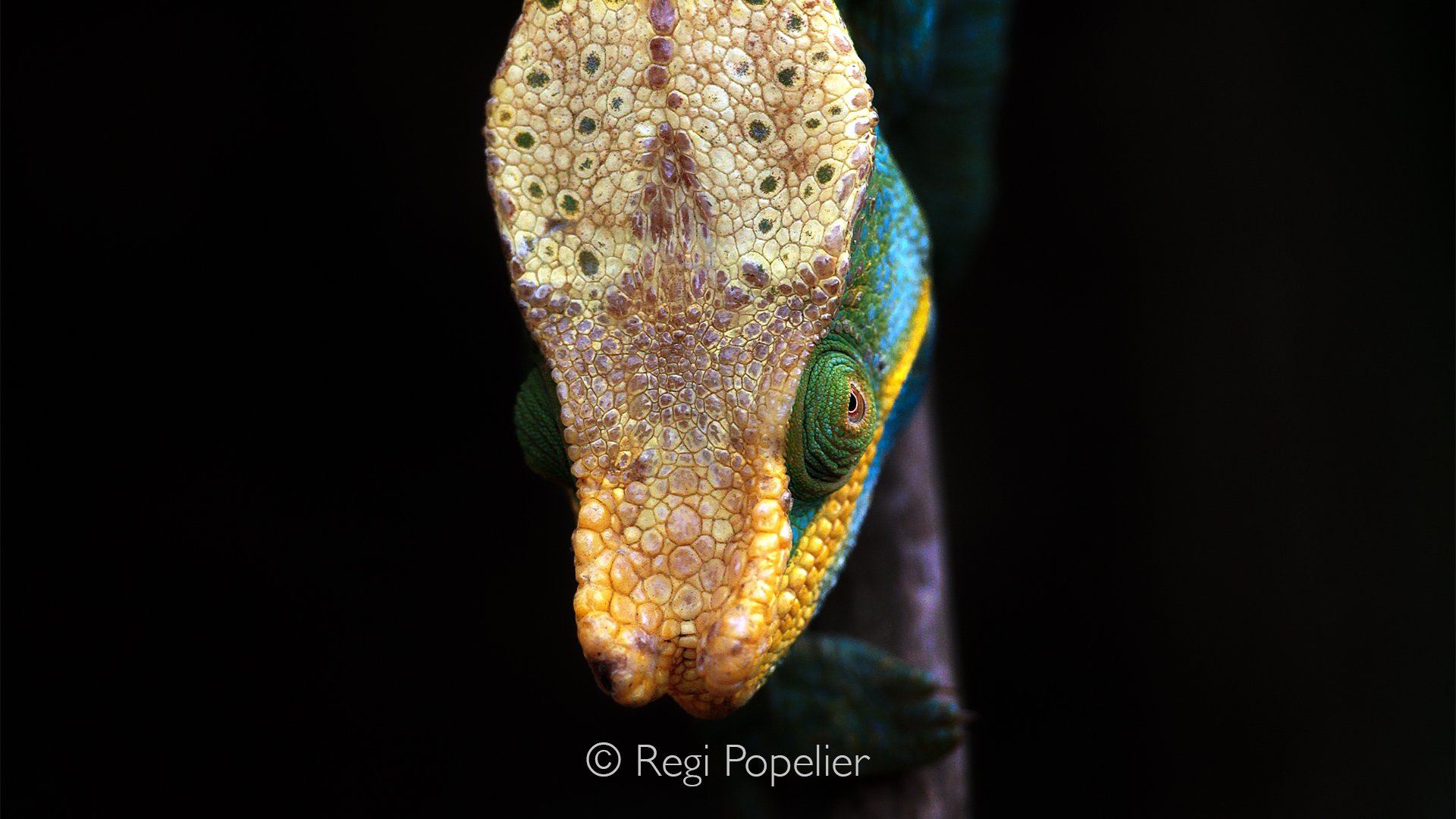
MADA022 - Close up of the Parson Chameleon.
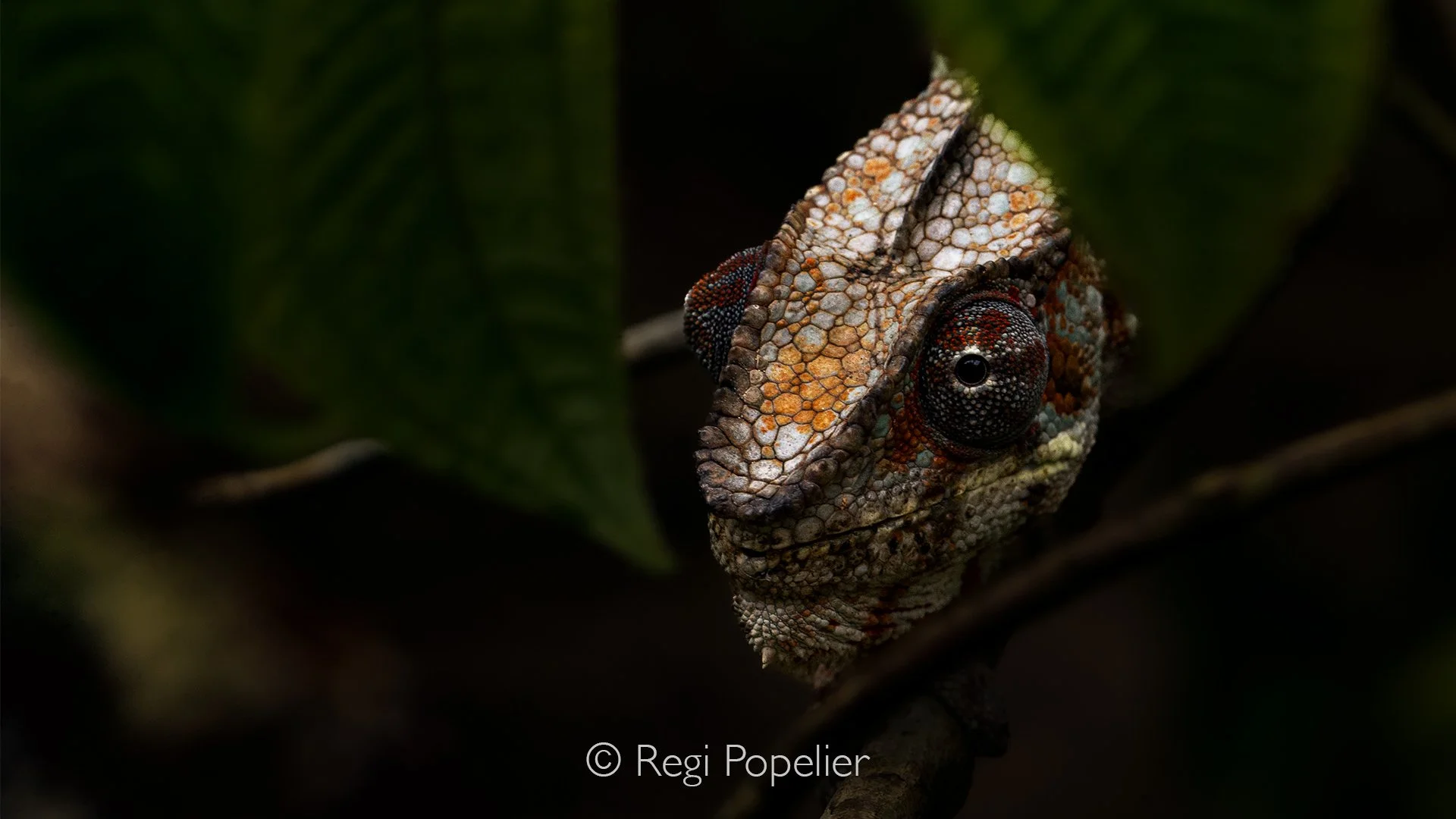
MADA023 - Panther chameleon.
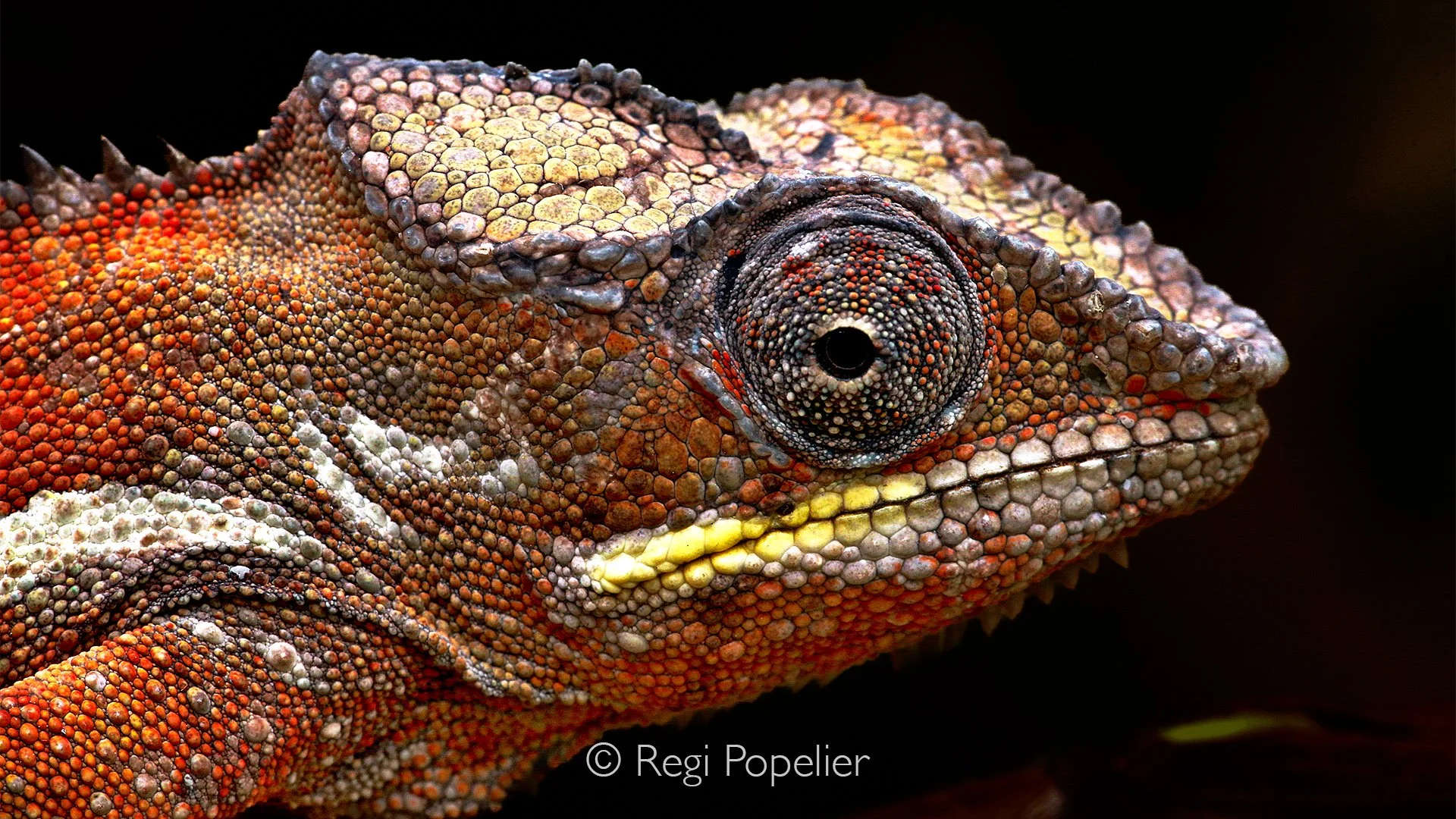
MADA024 - Panther chameleon, Furcifer pardalis.
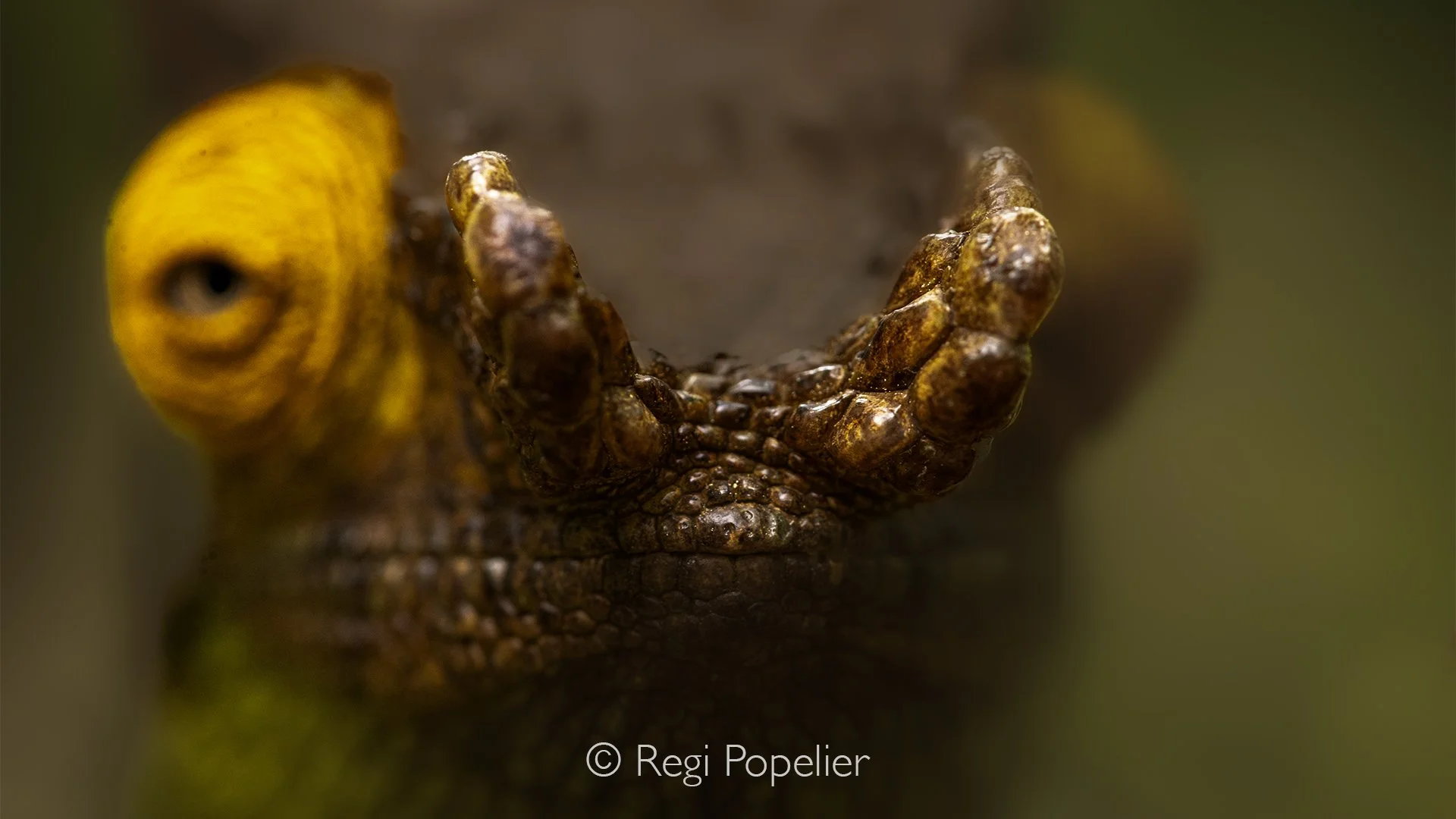
MADA025 - Who am I ?
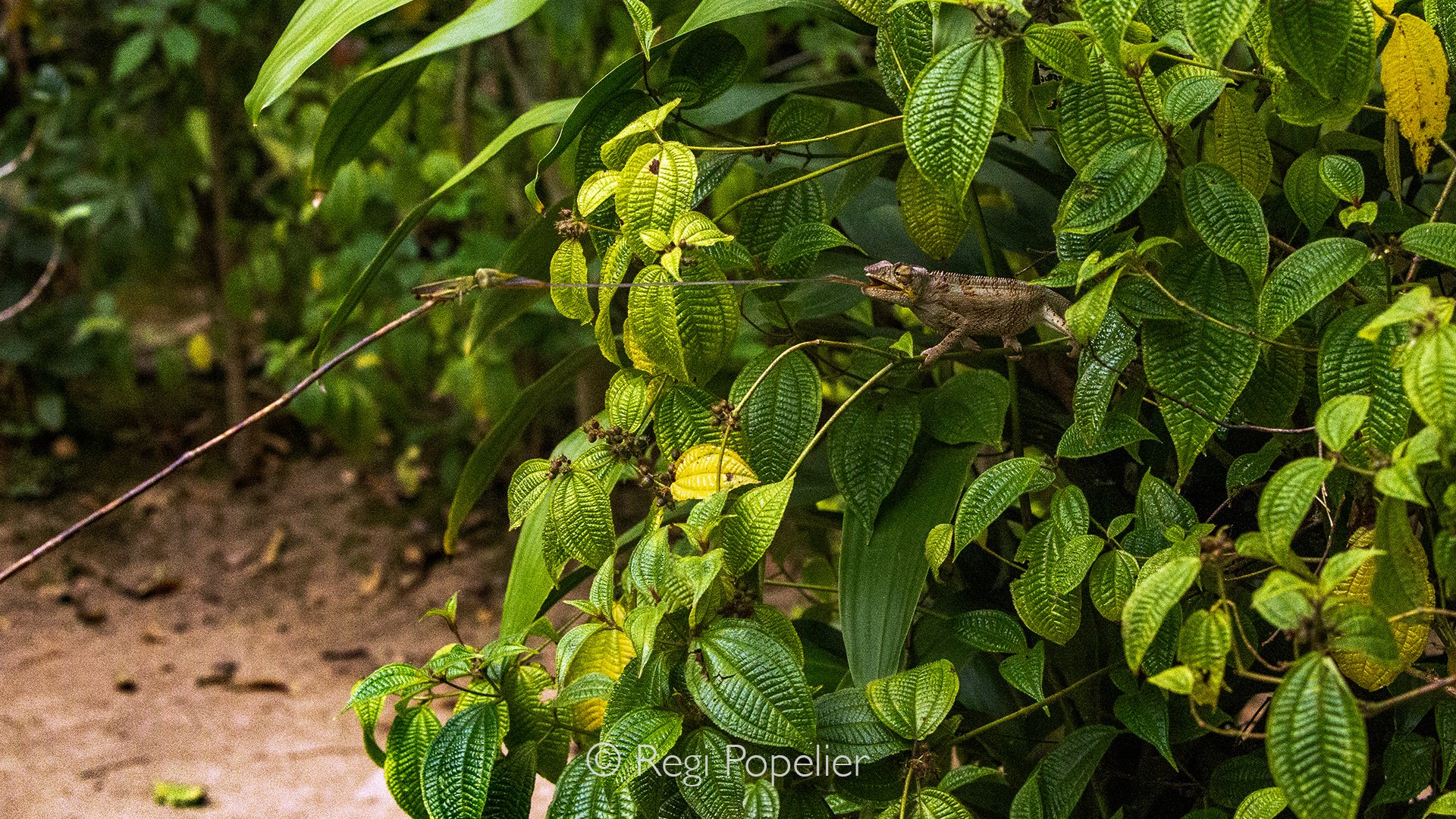
MADA026 - Catching it's prey.
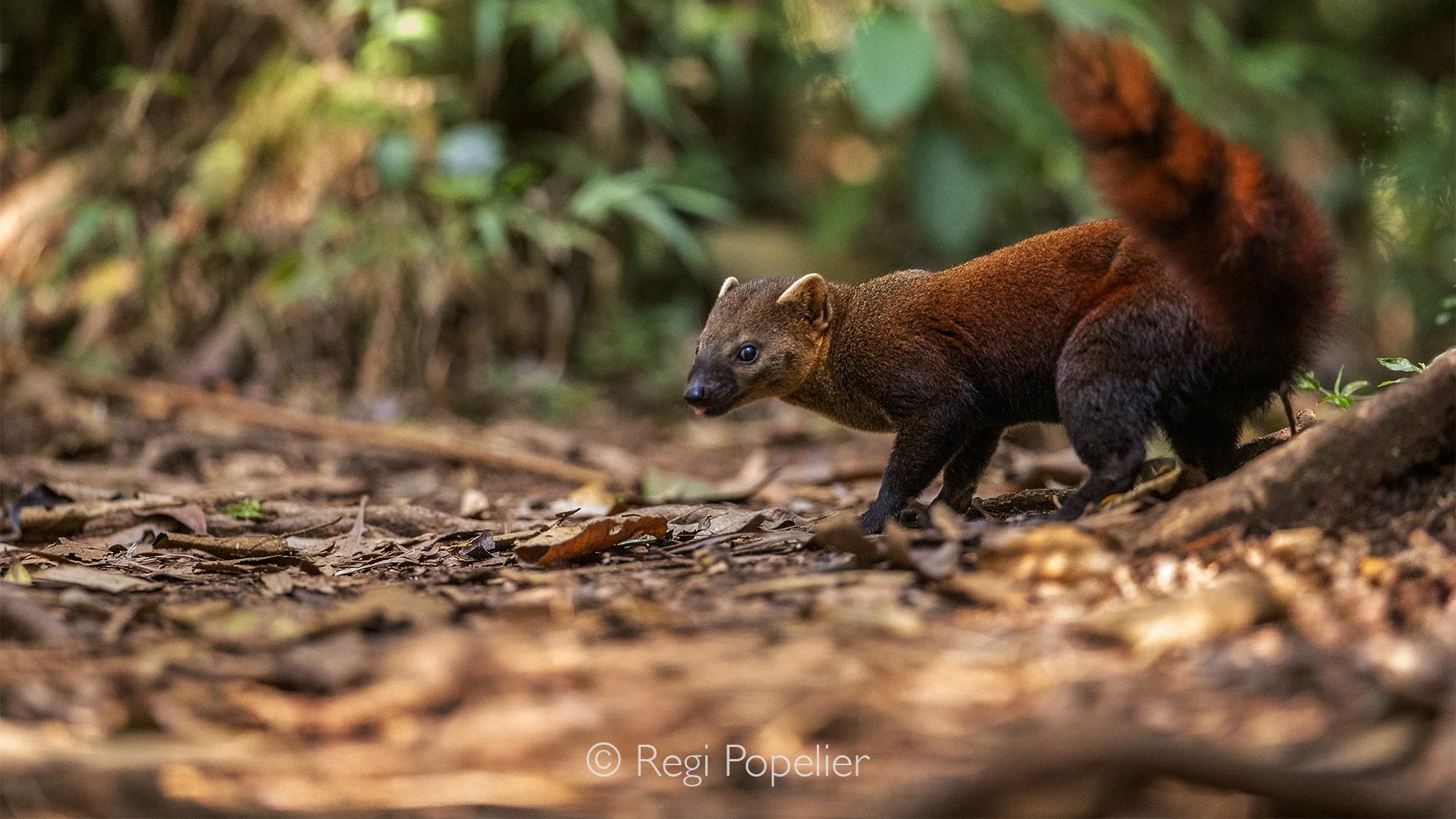
MADA027 - The Galidia elegans a small predator photographed at Ranomafana NP.
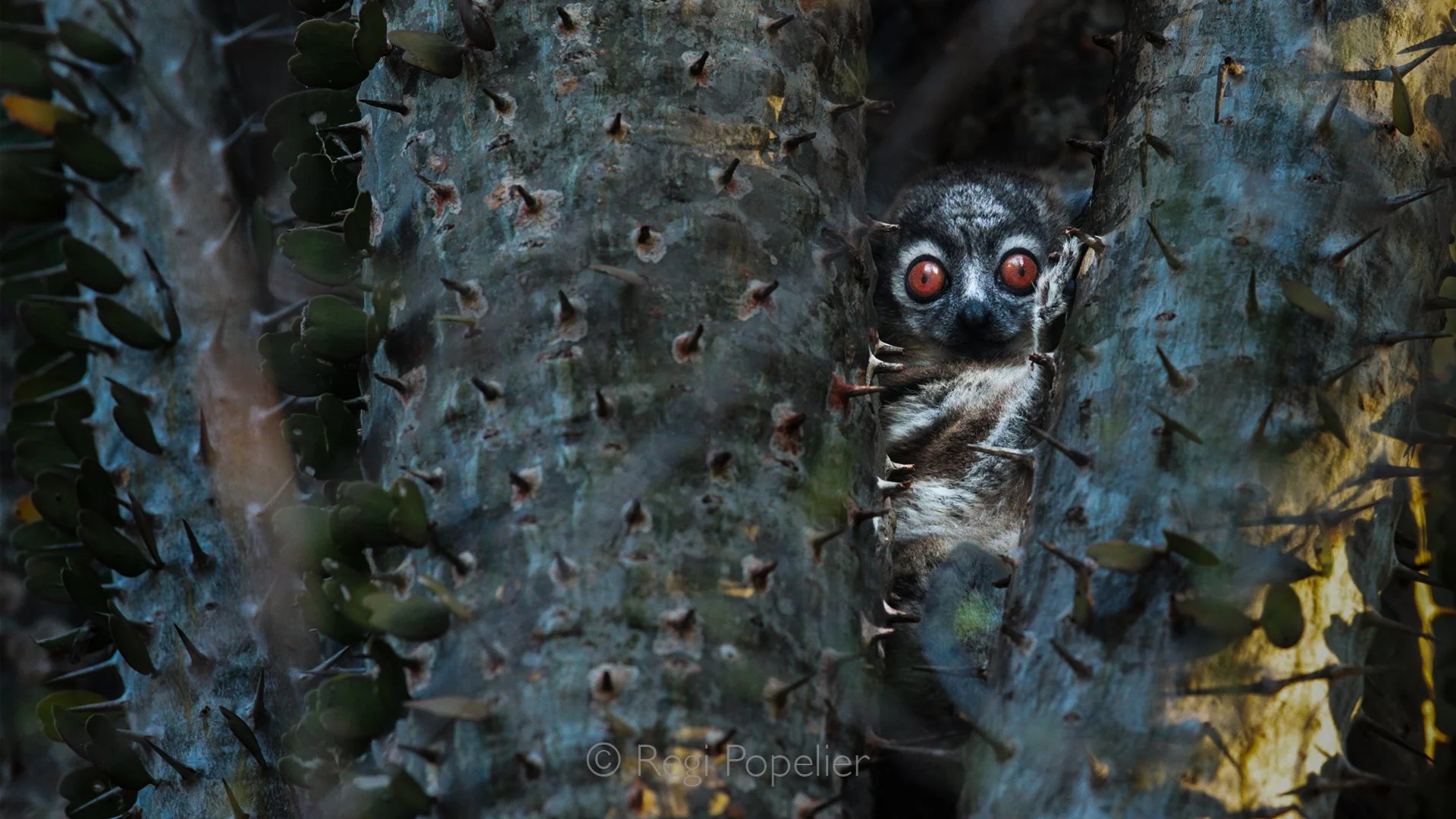
MADA028 - Eastern Woolly Lemur (avahi Laniger.
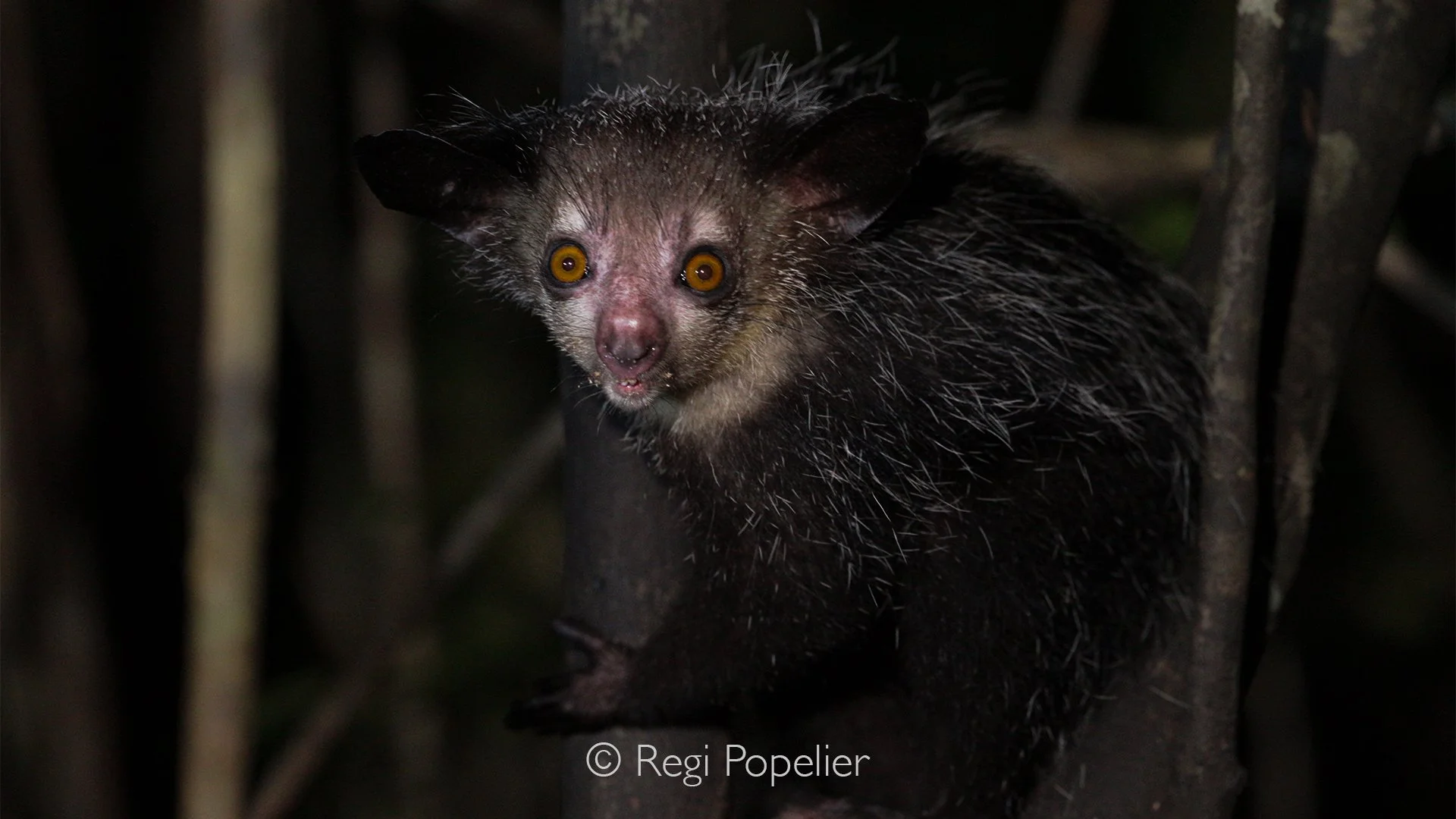
MADA029 - Aye Aye photographed at the Palmarium Reserve (Akanin'ny Nofy).
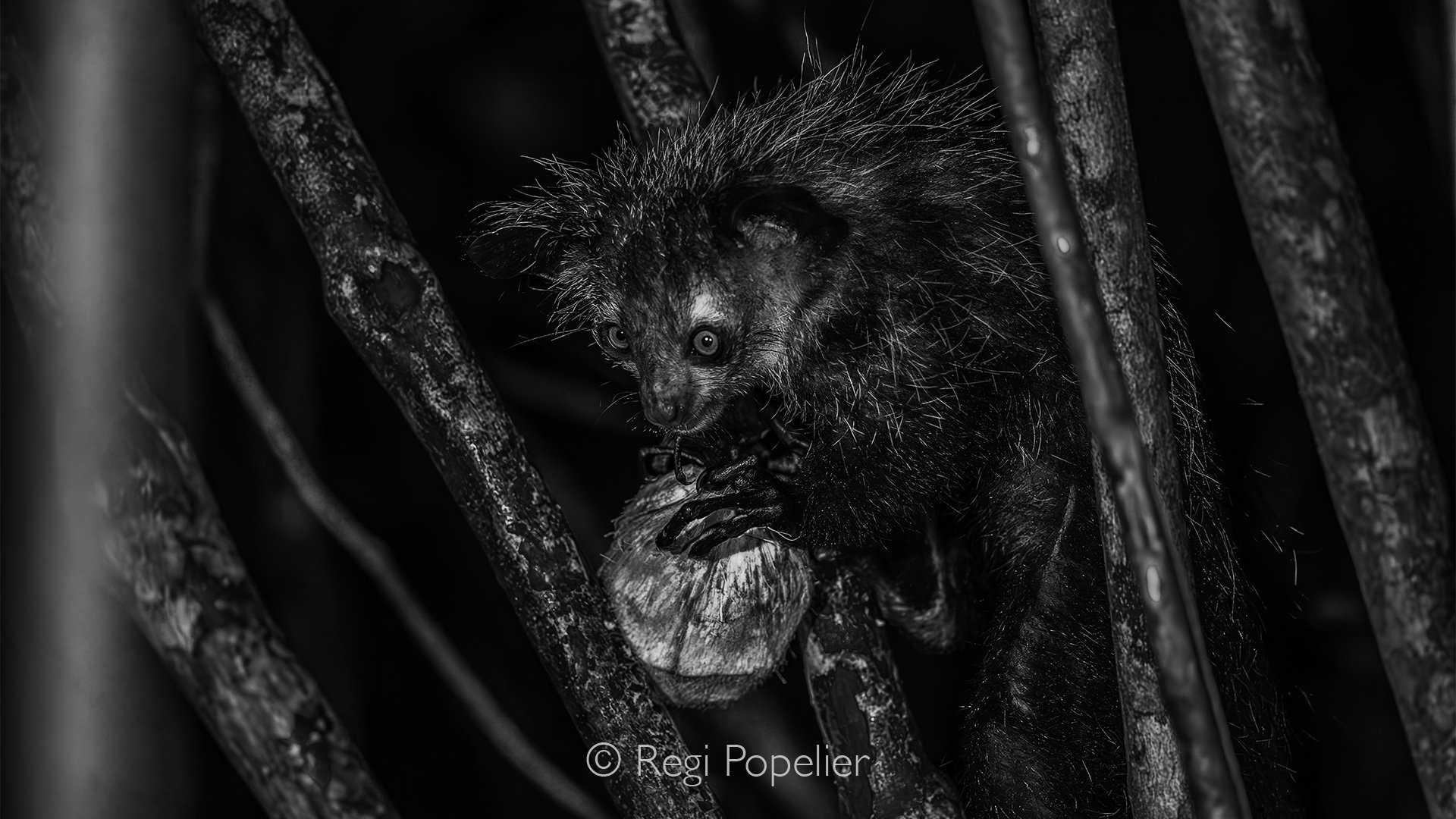
MADA030 - The Aye Aye while feeding on a coconut .
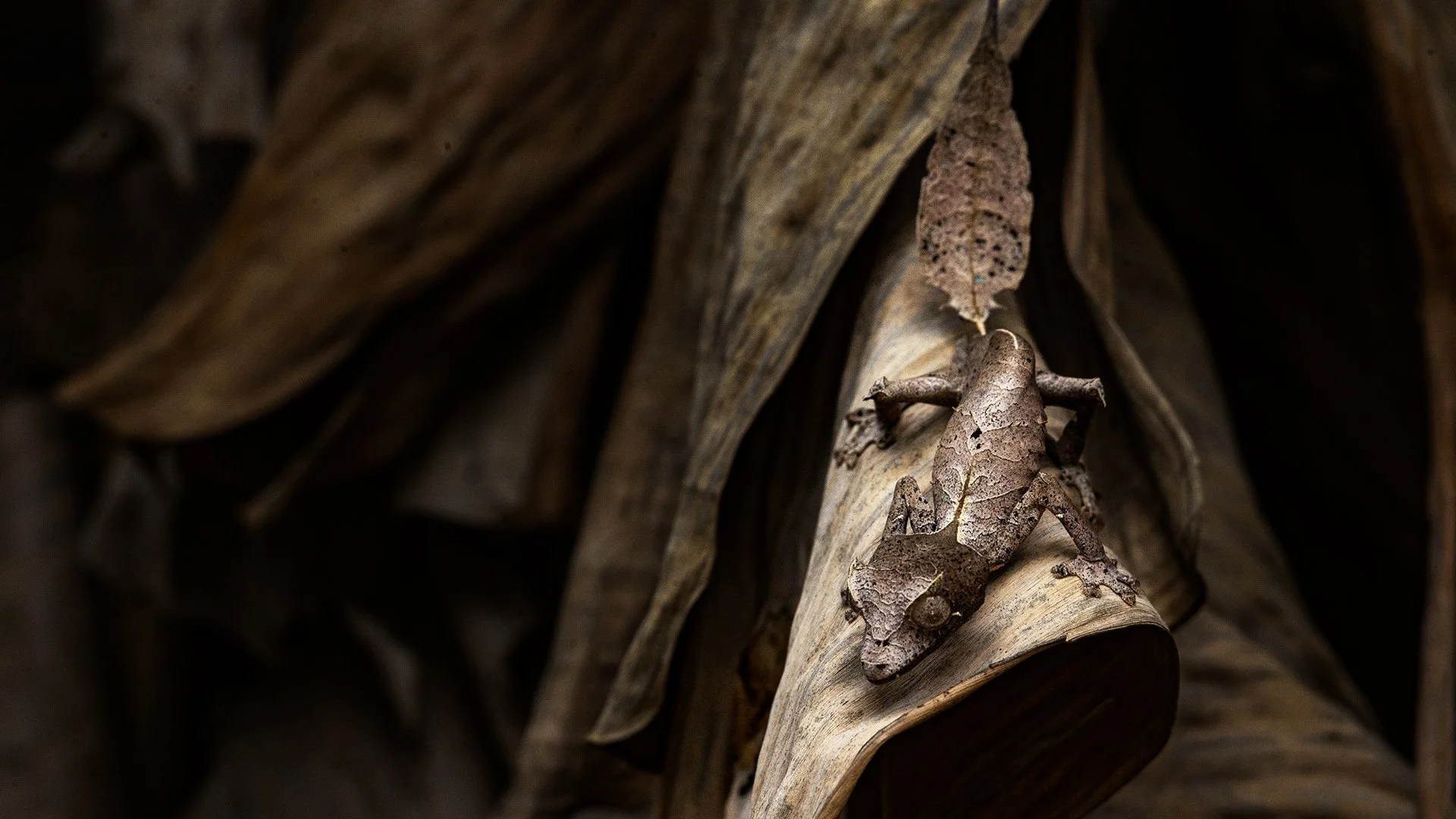
MADA031 - Uroplatus phantasticus.
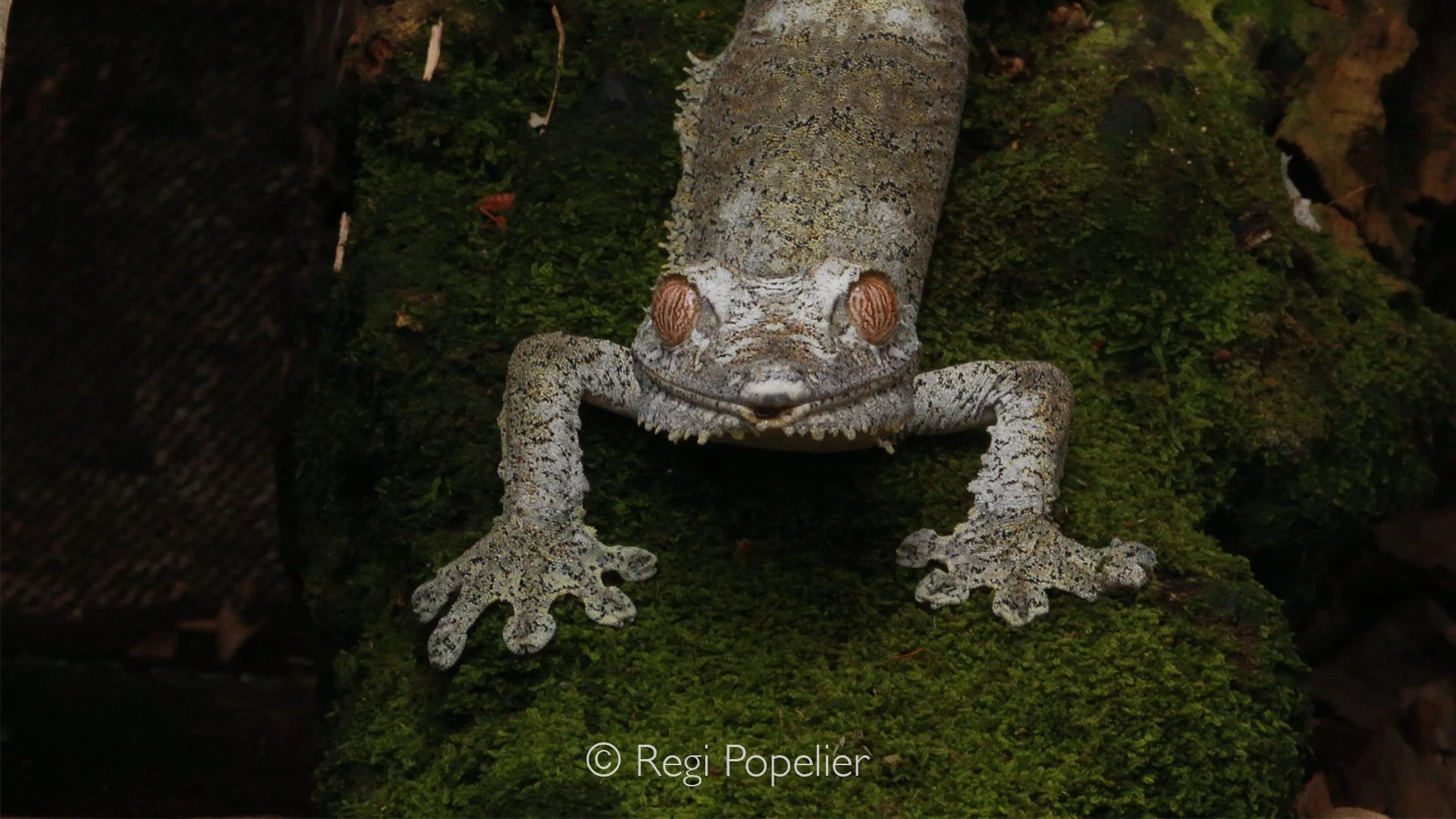
MADA032 - Giant leaf tailed gecko.
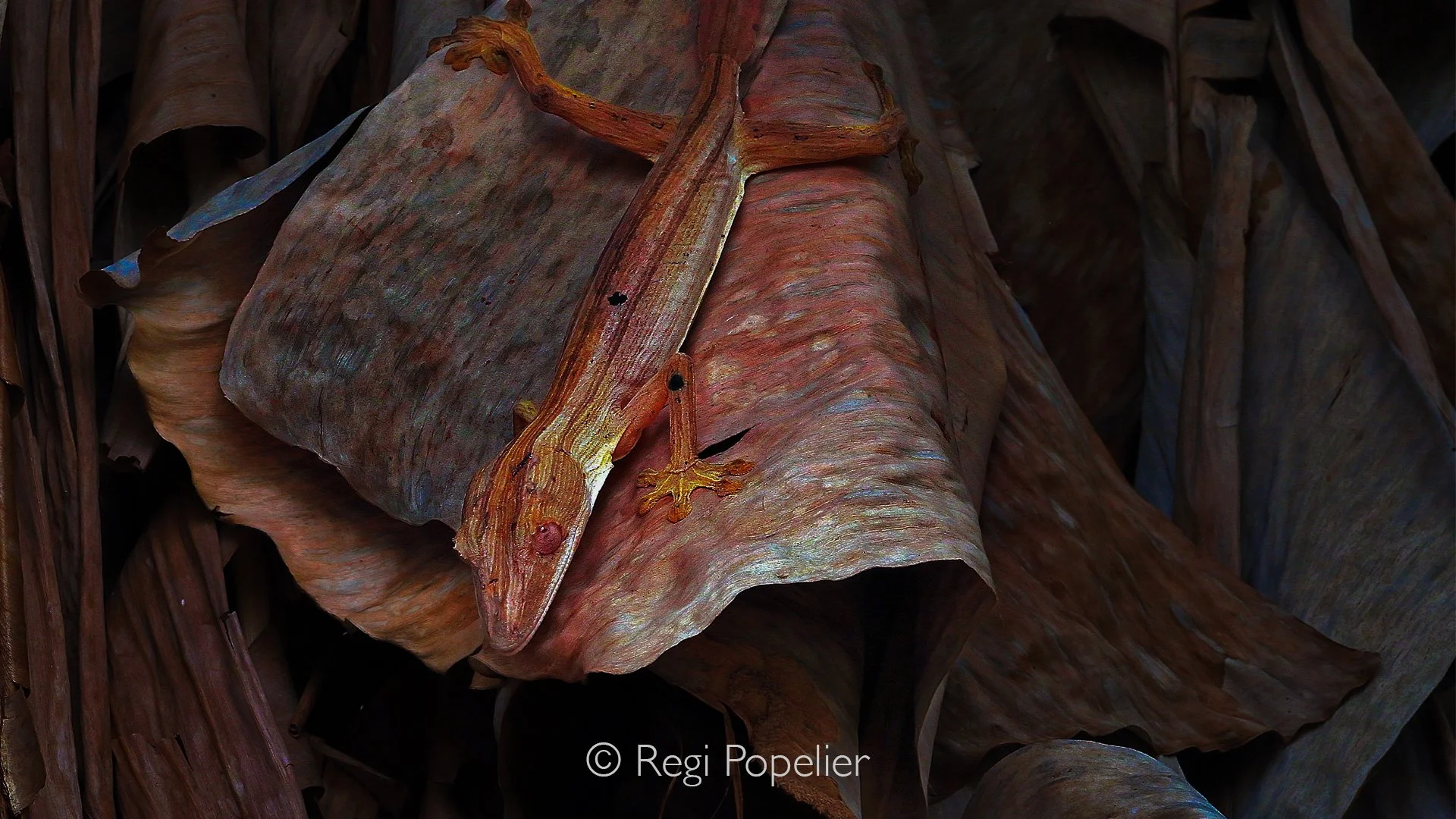
MADA033 - Lined lineatus gecko.
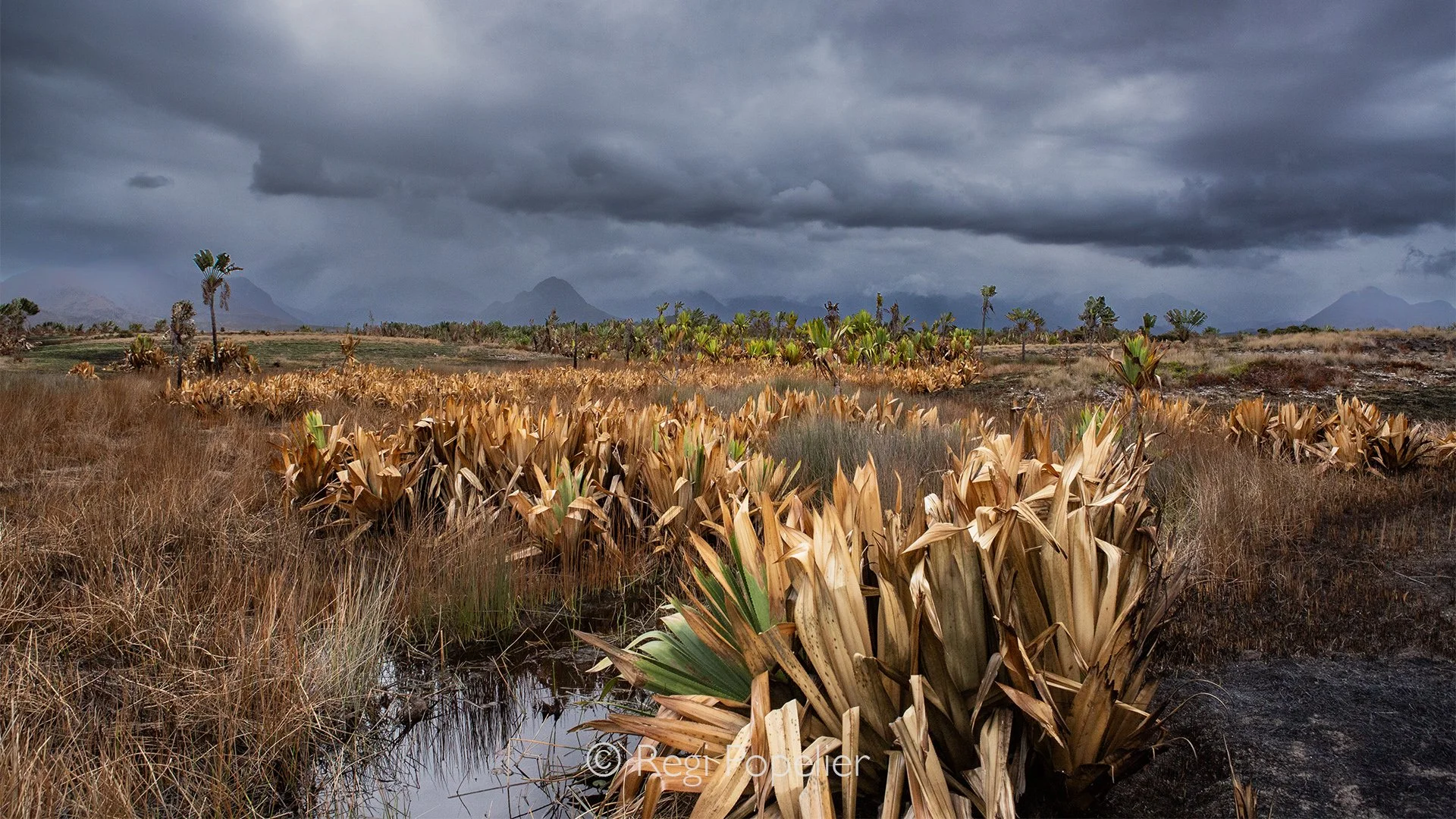
MADA034 - Landscapes of Madagascar.
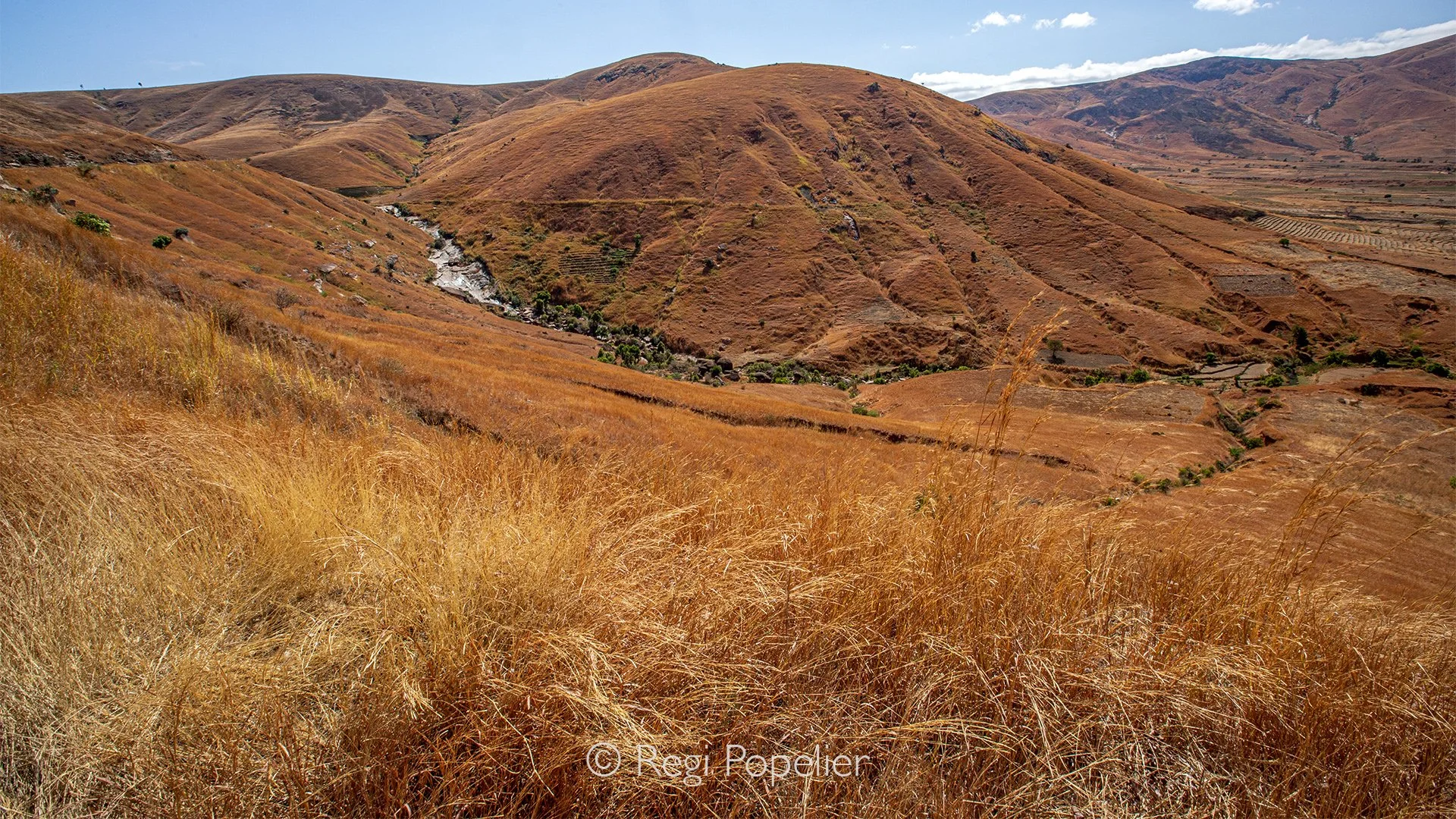
MADA035 - Spectacular sightings in a arid area.
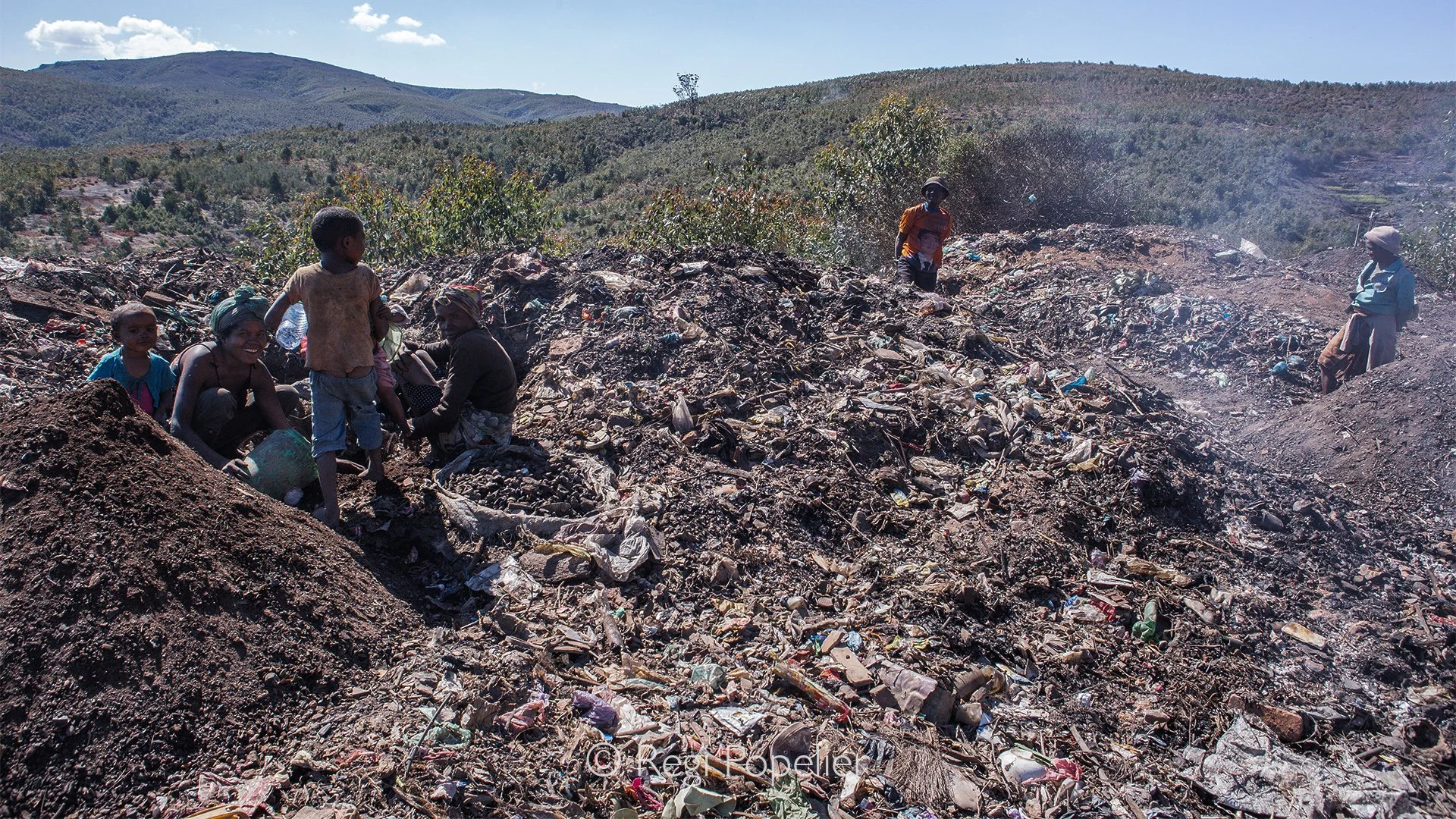
MADA036 - Survival in the Soil. A family sorting waste on a landfill to produce and sell compost.
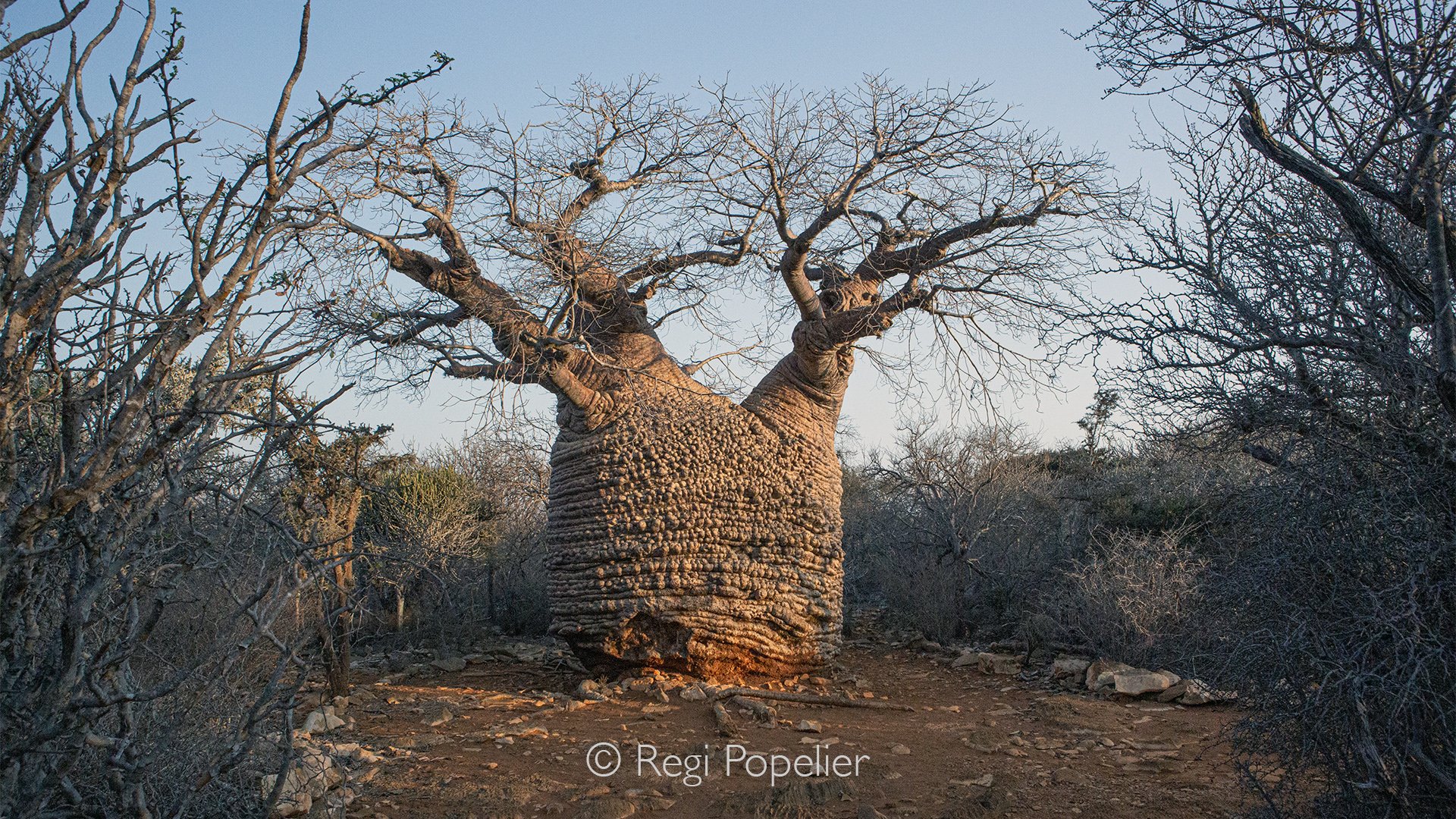
MADA037 - the biggest Baobab of Madagascar, his name Tsitakakantsa at Andombiry.
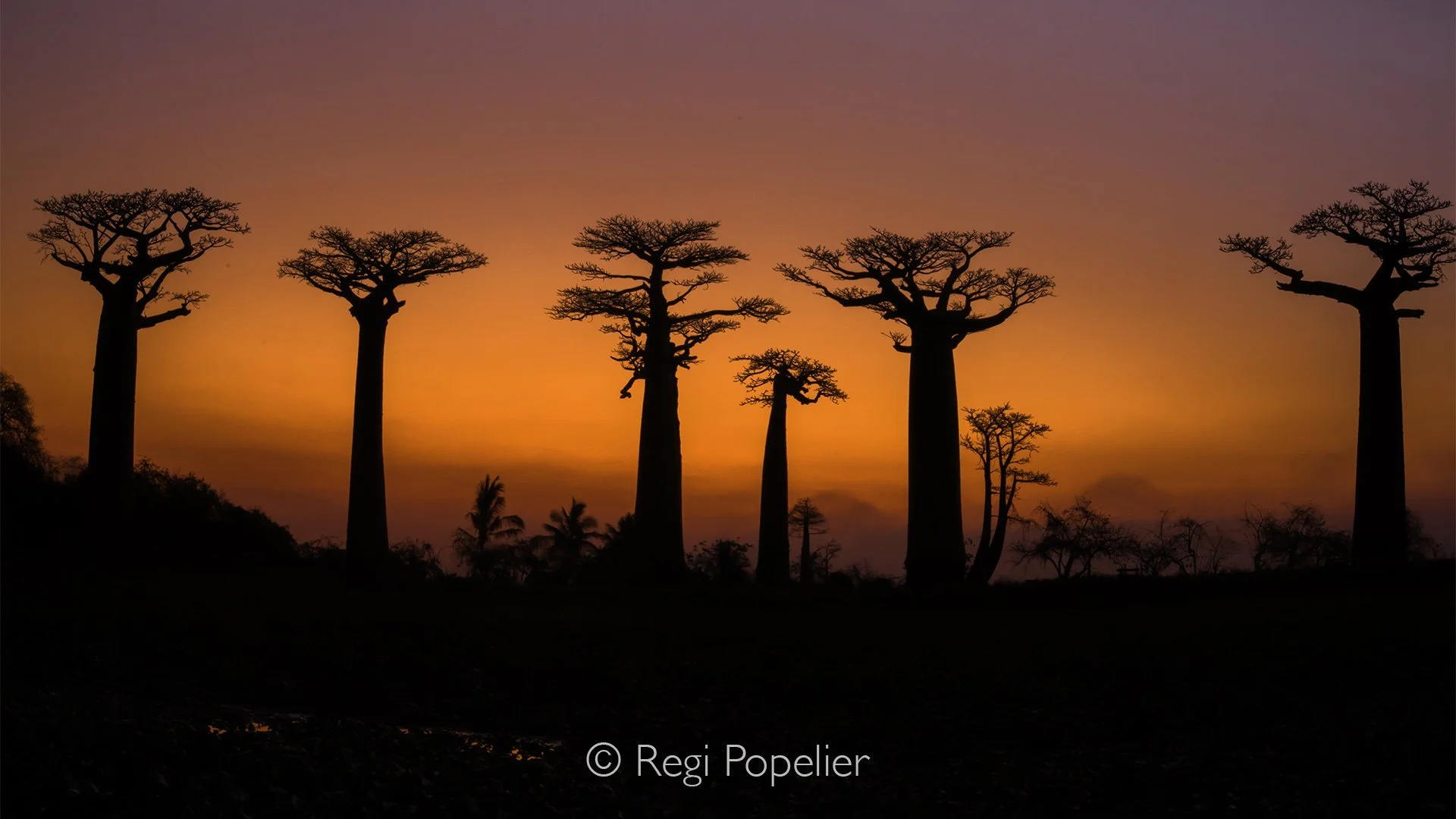
MADA038 - The famous Baobab lane at sunset.
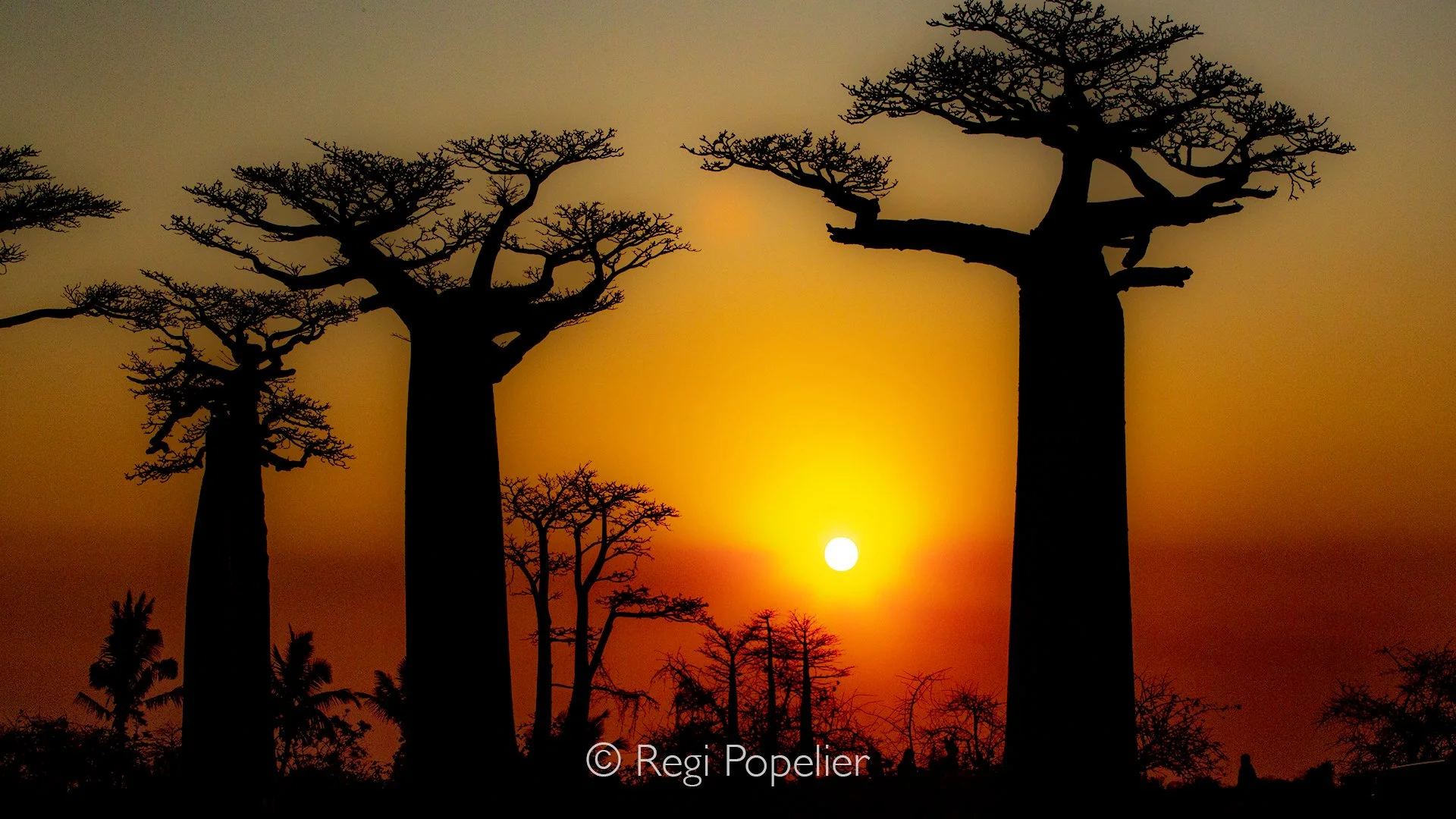
MADA039 - Baobab lane at sunset.
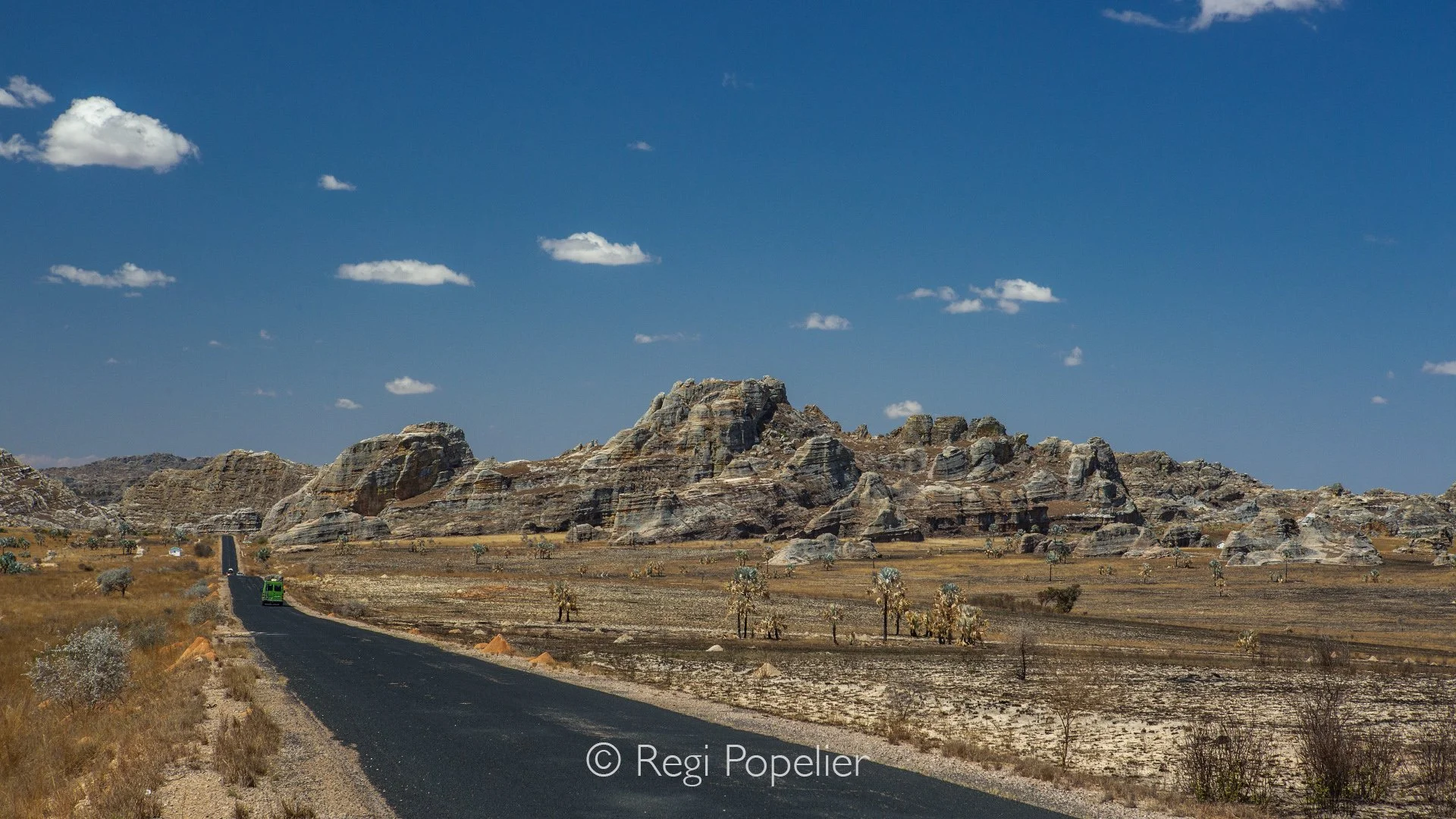
MADA040 - View along the road on Isalo Np.
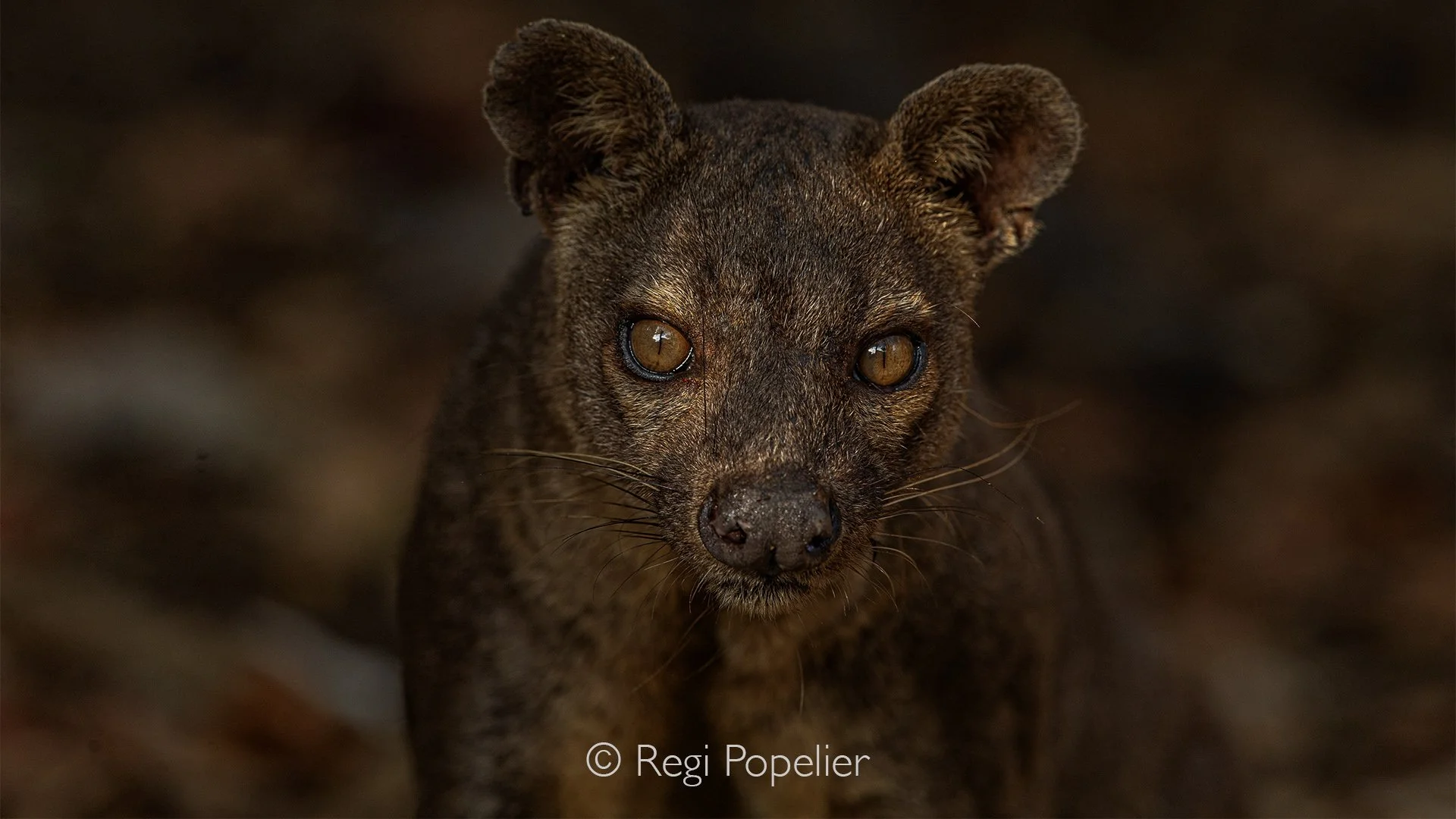
MADA041 - Fossa, the apex predator of Madagascar.
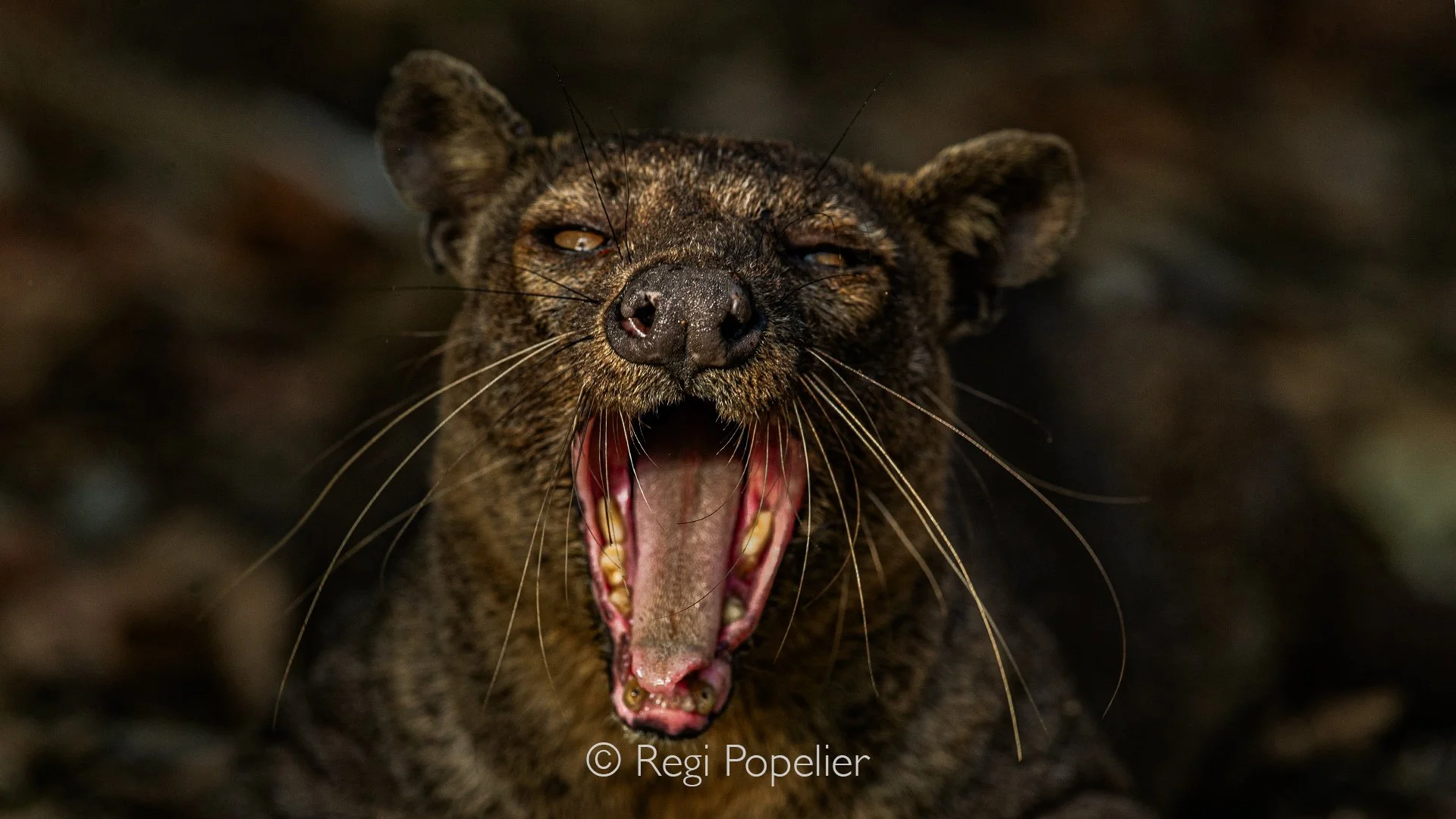
MADA042 - You don't get to close to them.
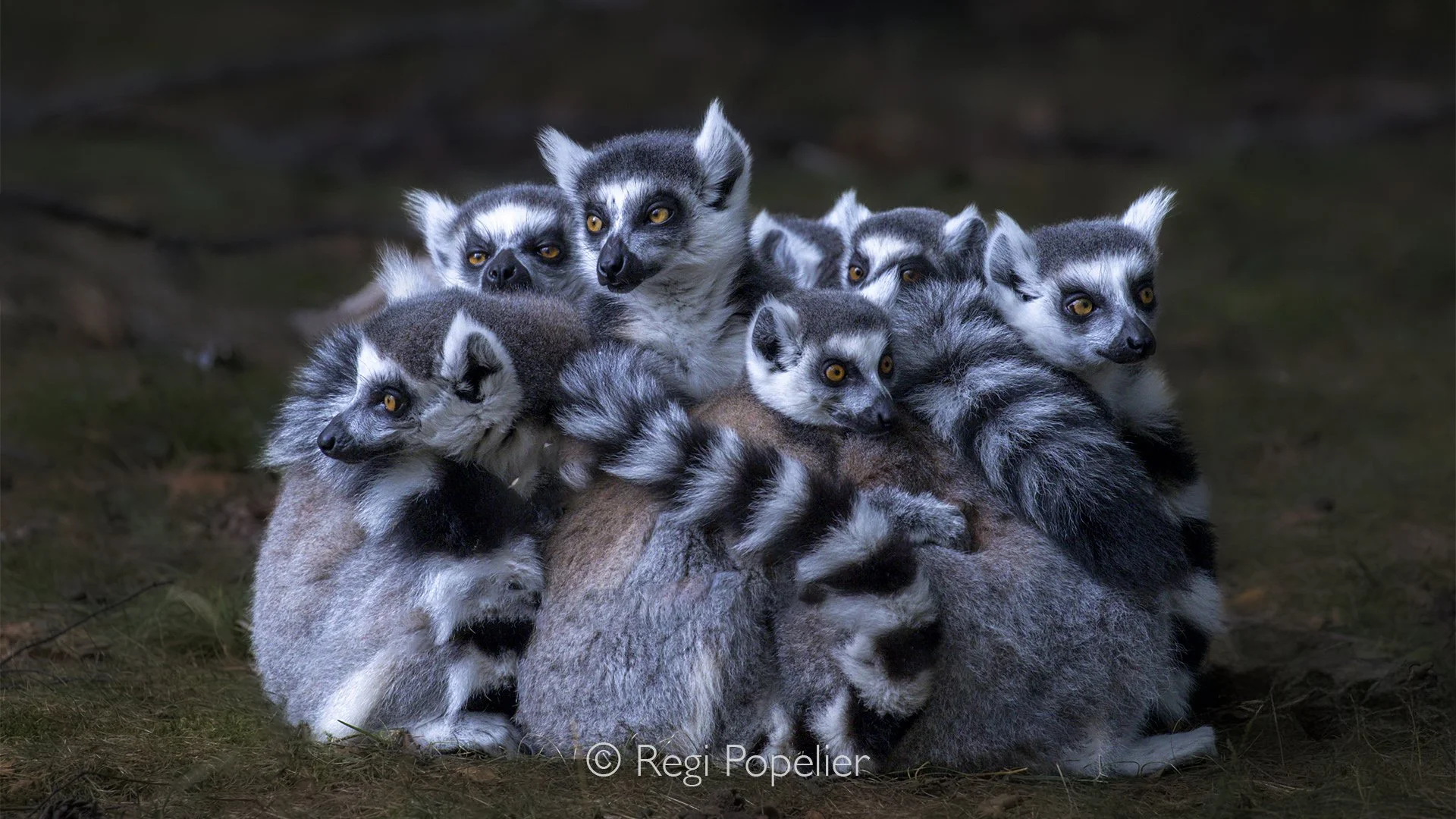
MADA043 - Gathering of a Ring-Tailed Lemur group seeking comfort.
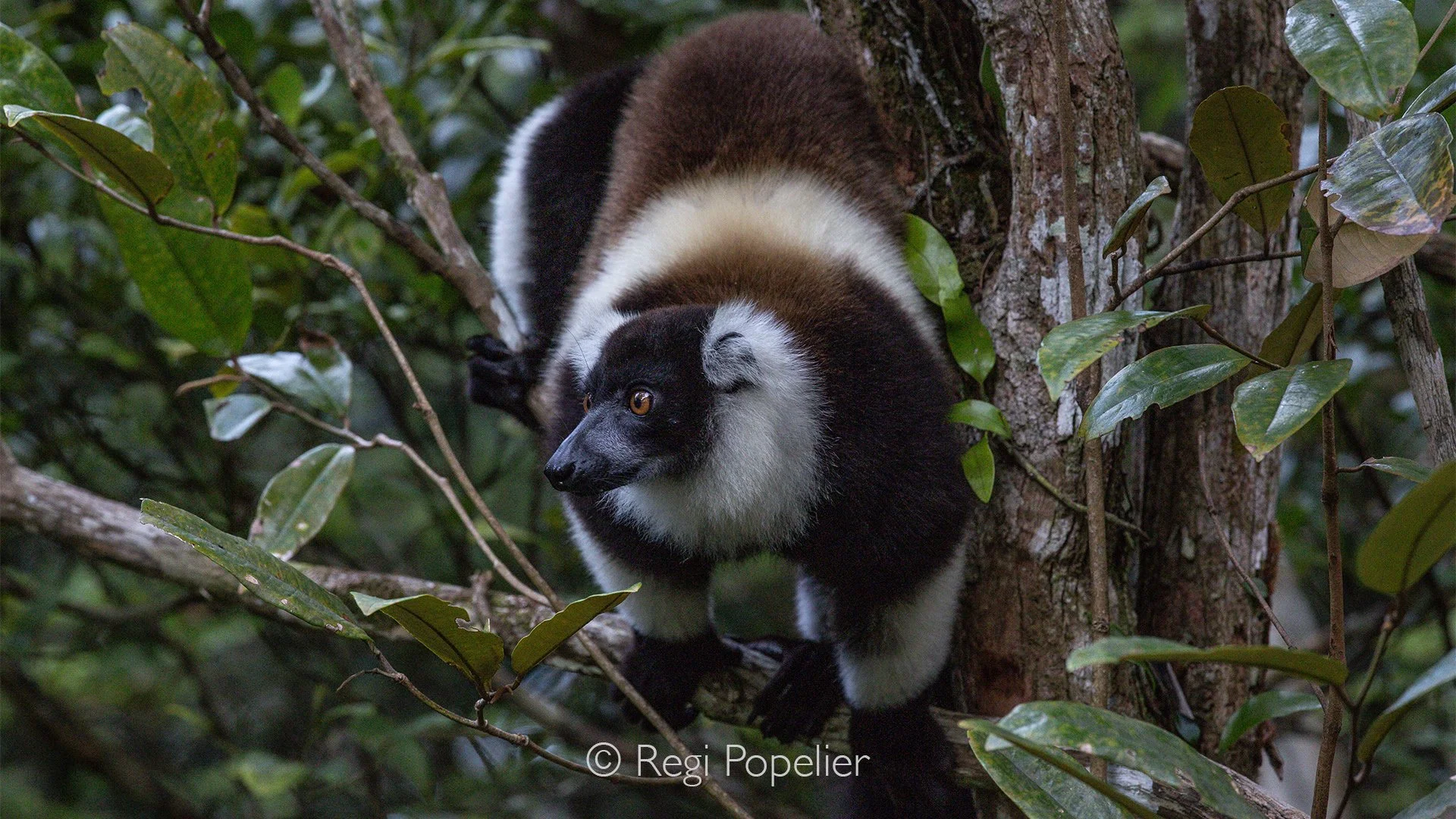
MADA044 - Black-and-white Ruffed Lemur.
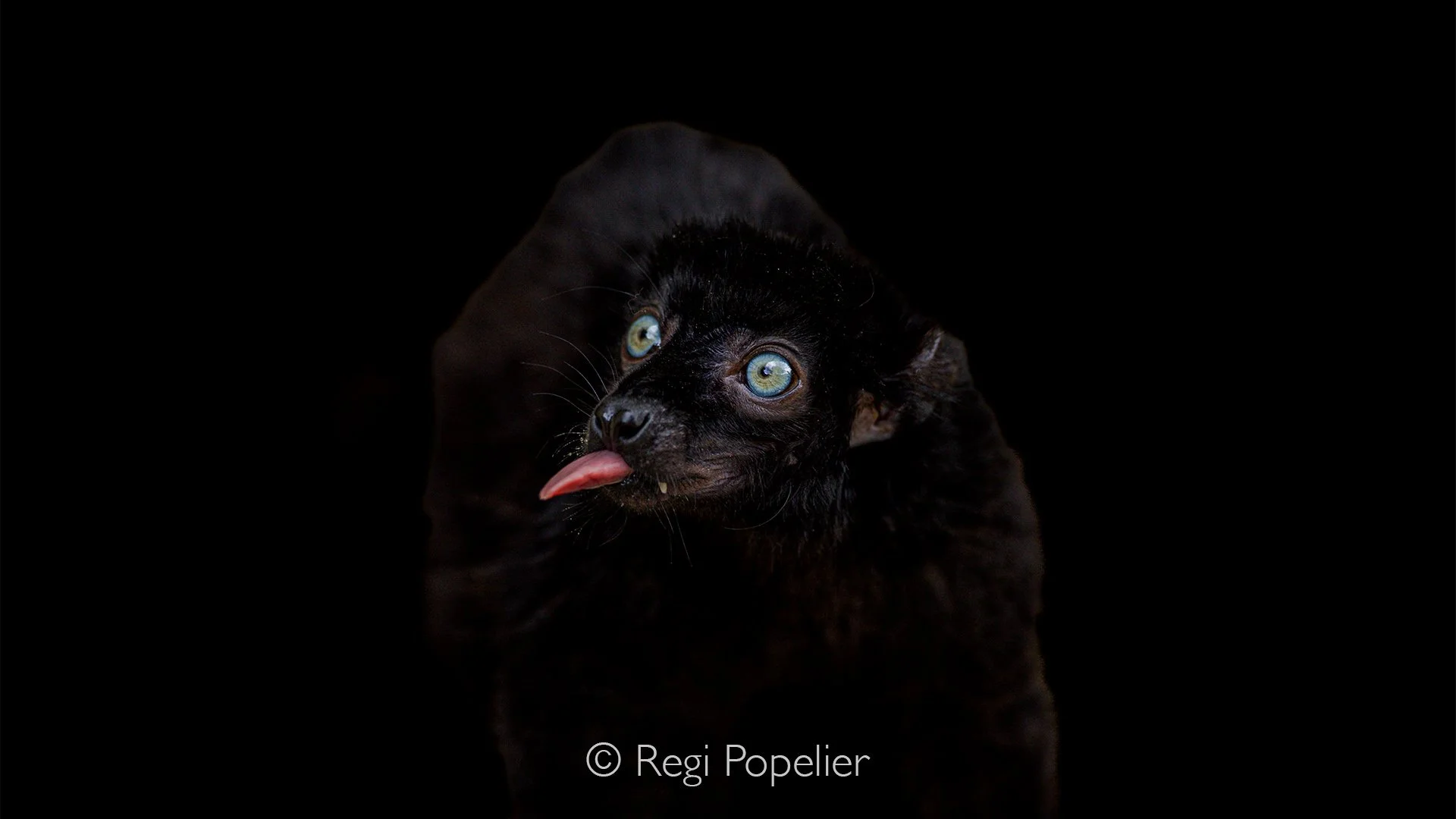
MADA045 - Bleu Eyed Black Lemur.
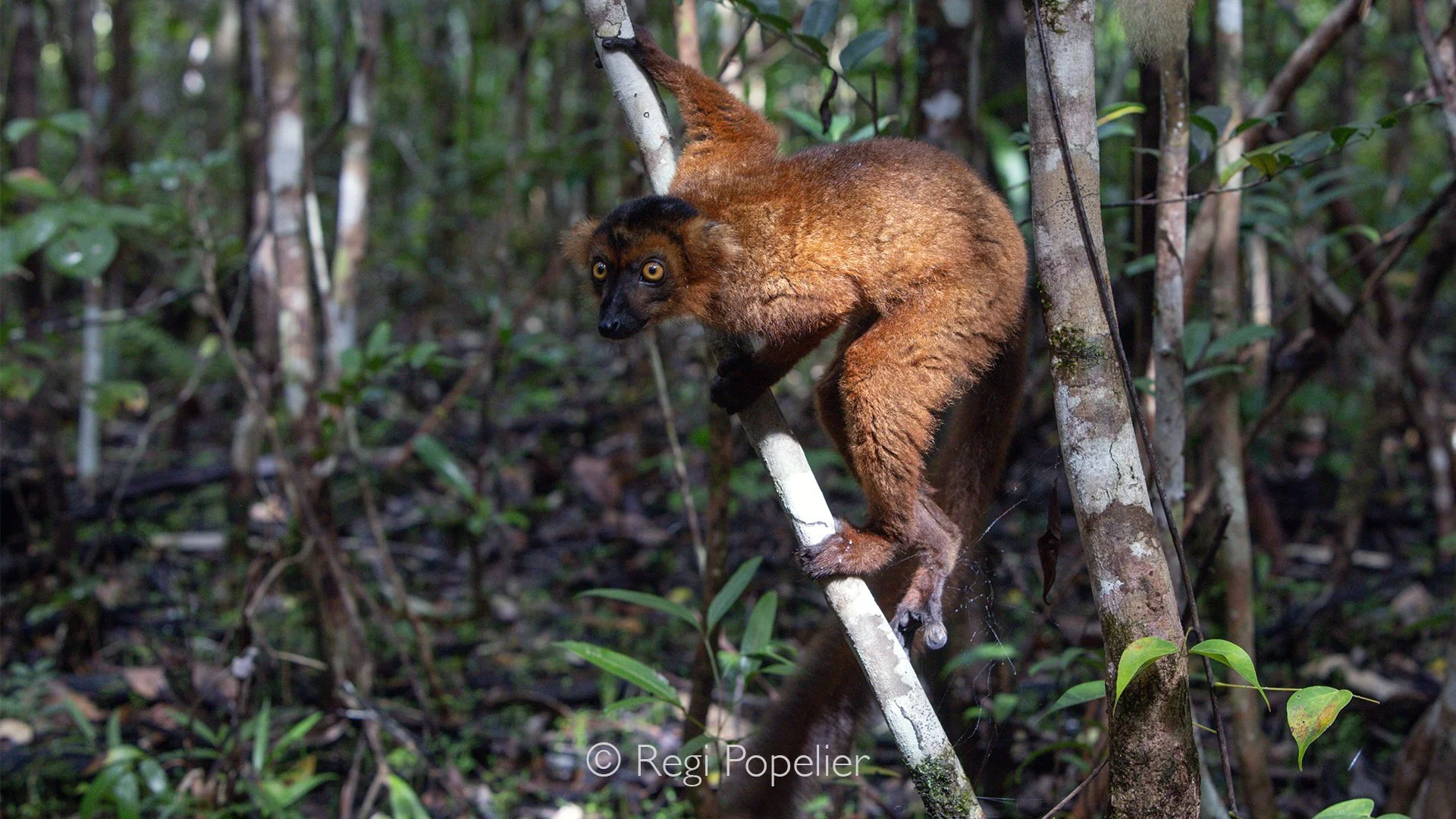
MADA046 - Crossbreed between black Maki and a crowned Maki.
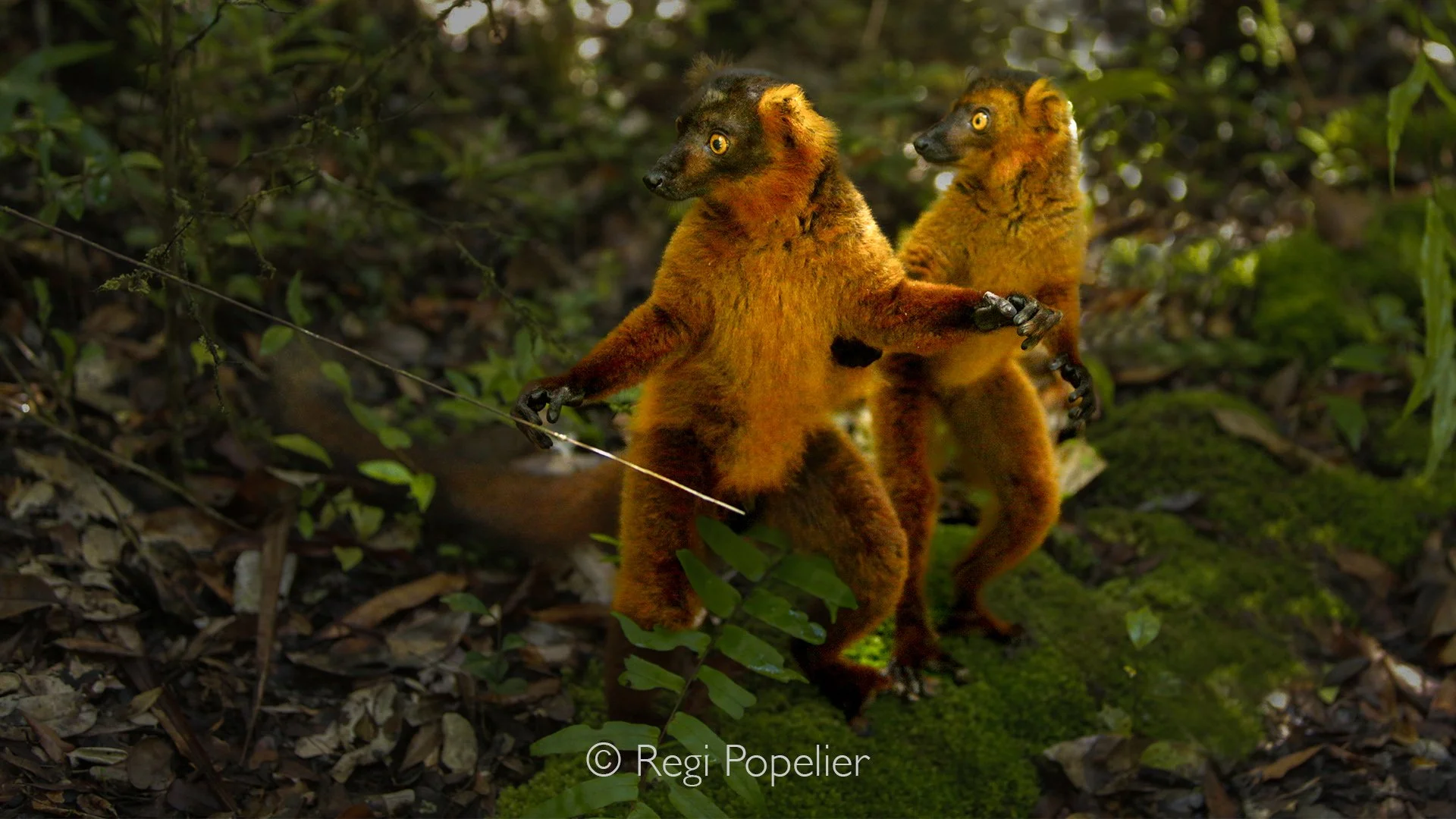
MADA047 - Waiting for a Lift. Lemurs lined up along the path, looking as if they are waiting for a ride.
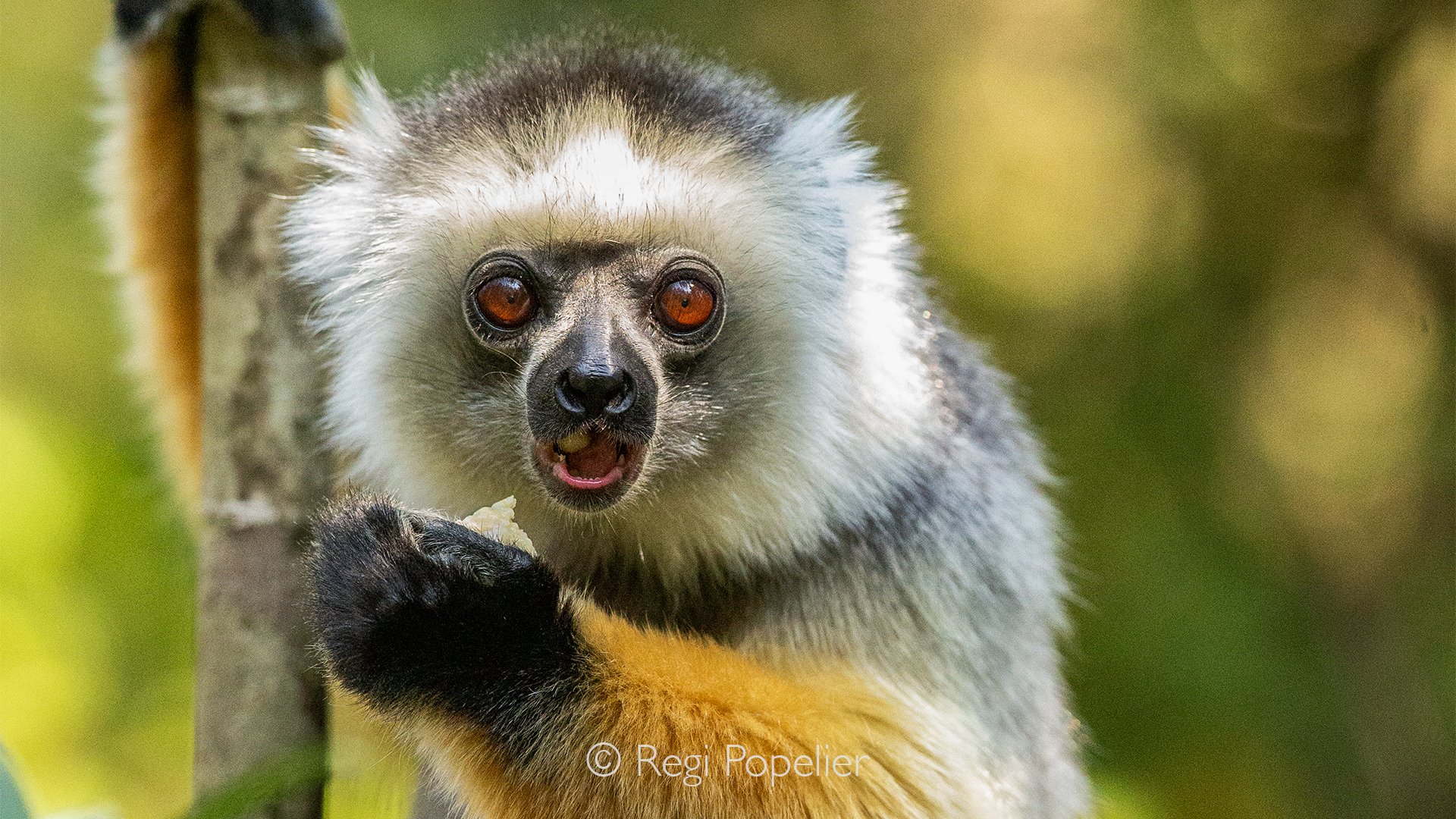
MADA048 - The diademed sifaka is an endangered species of sifaka endemic to certain rainforests in the eastern of Madagascar.
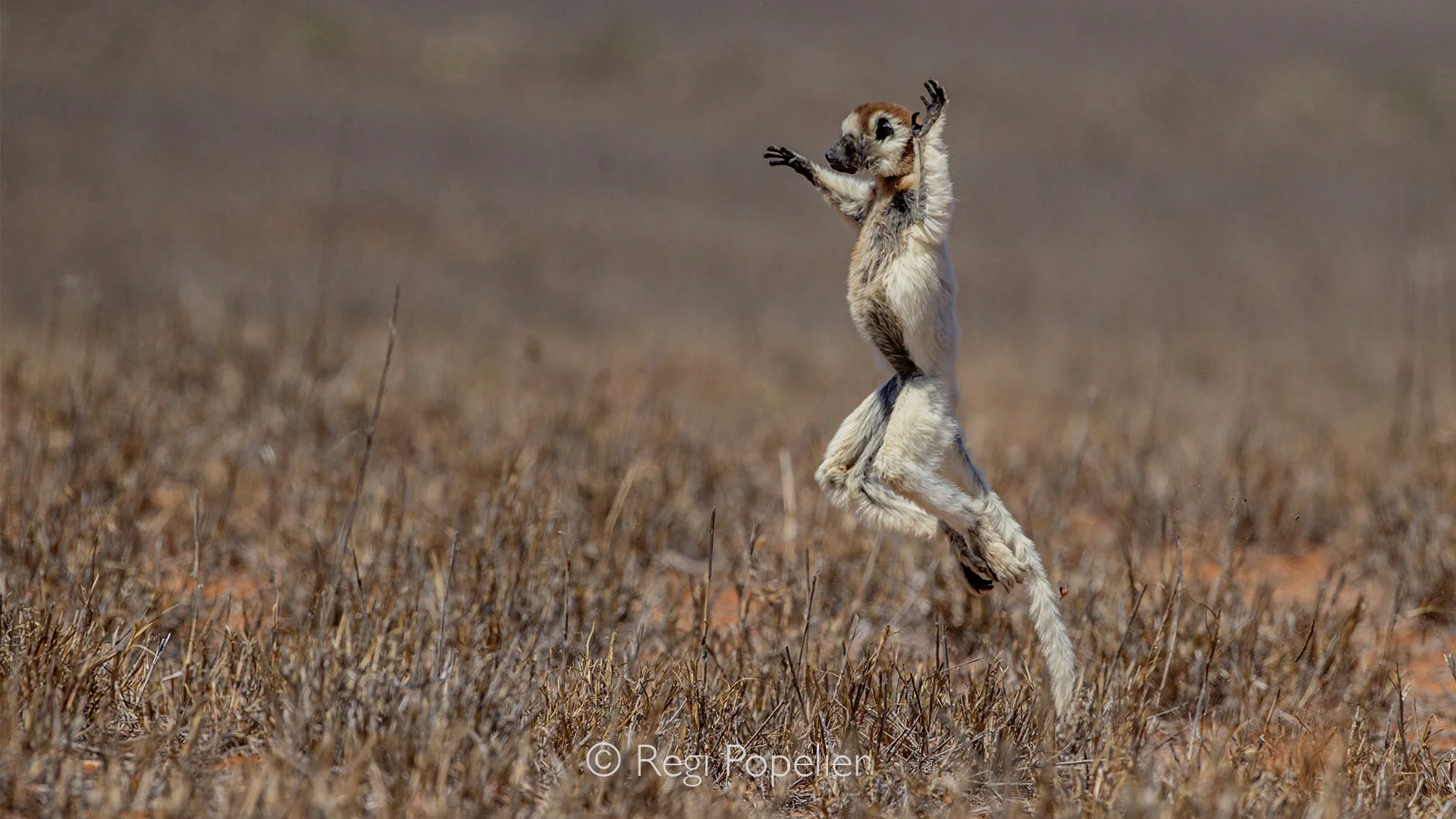
MADA049 - Verreaux's sifaka , the dancer of Madagascar.
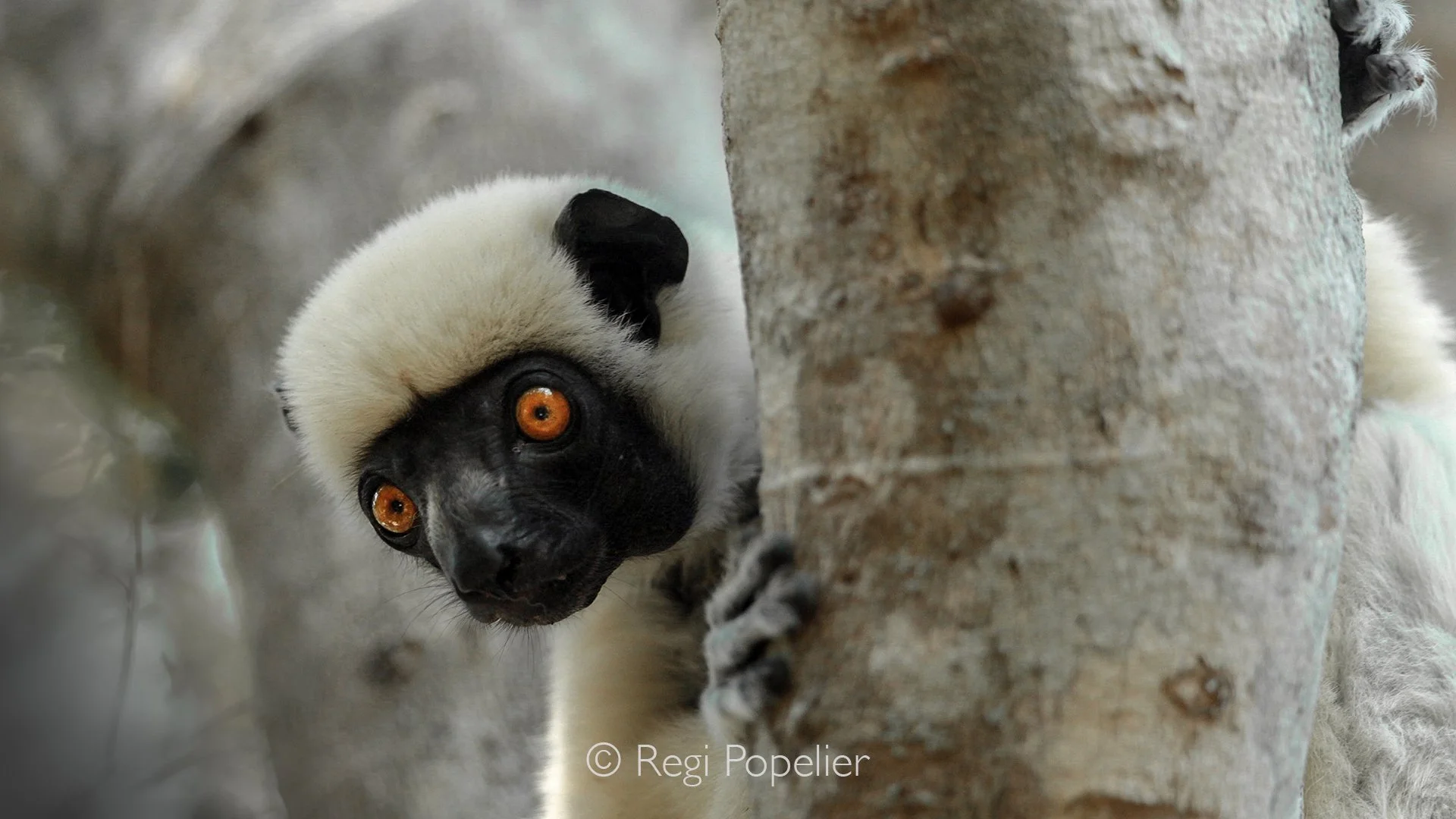
MADA050 - detailed image : Von der Deckers sifaka.
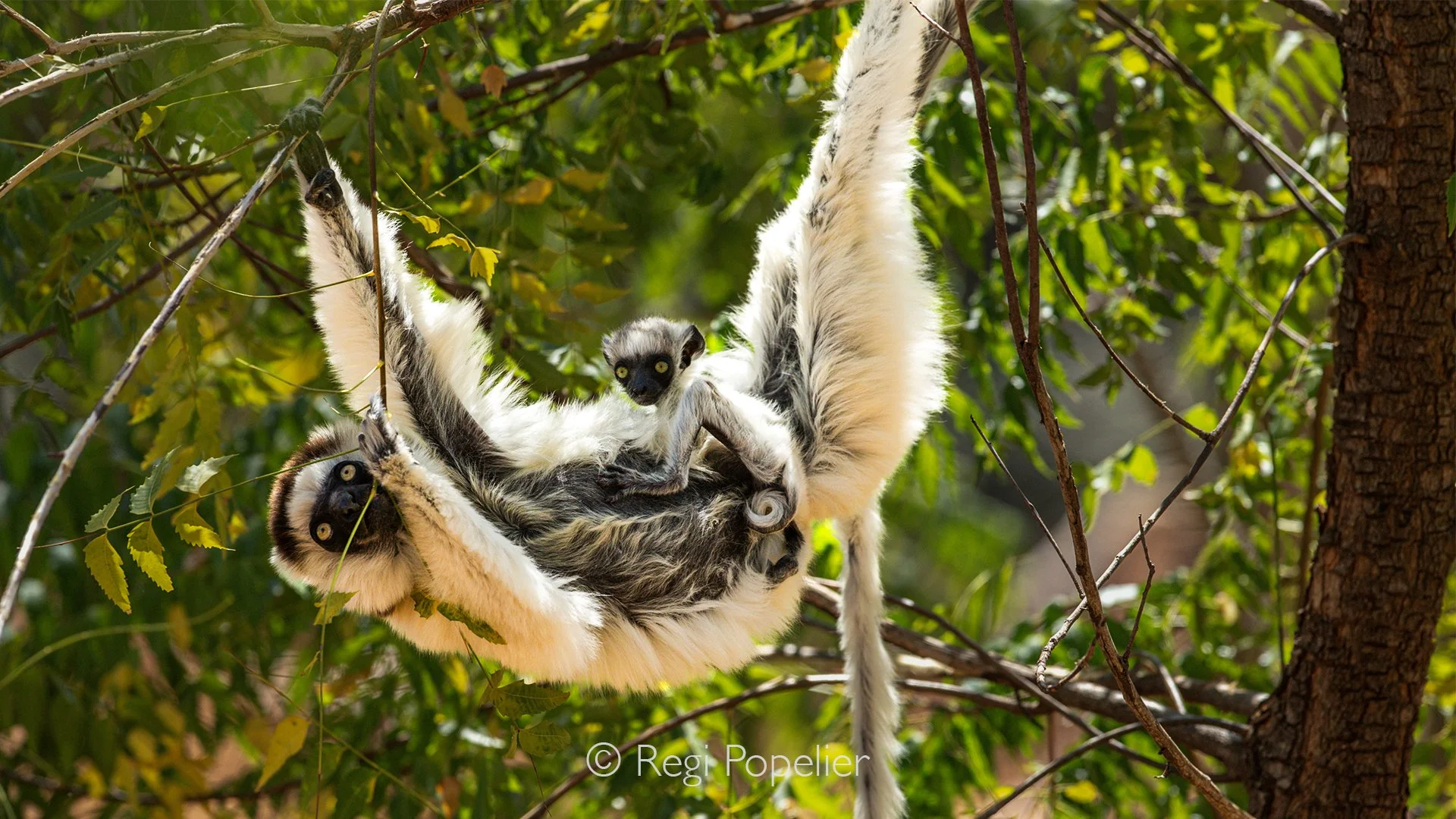
MADA051 - Von der Deckers sifaka with baby.
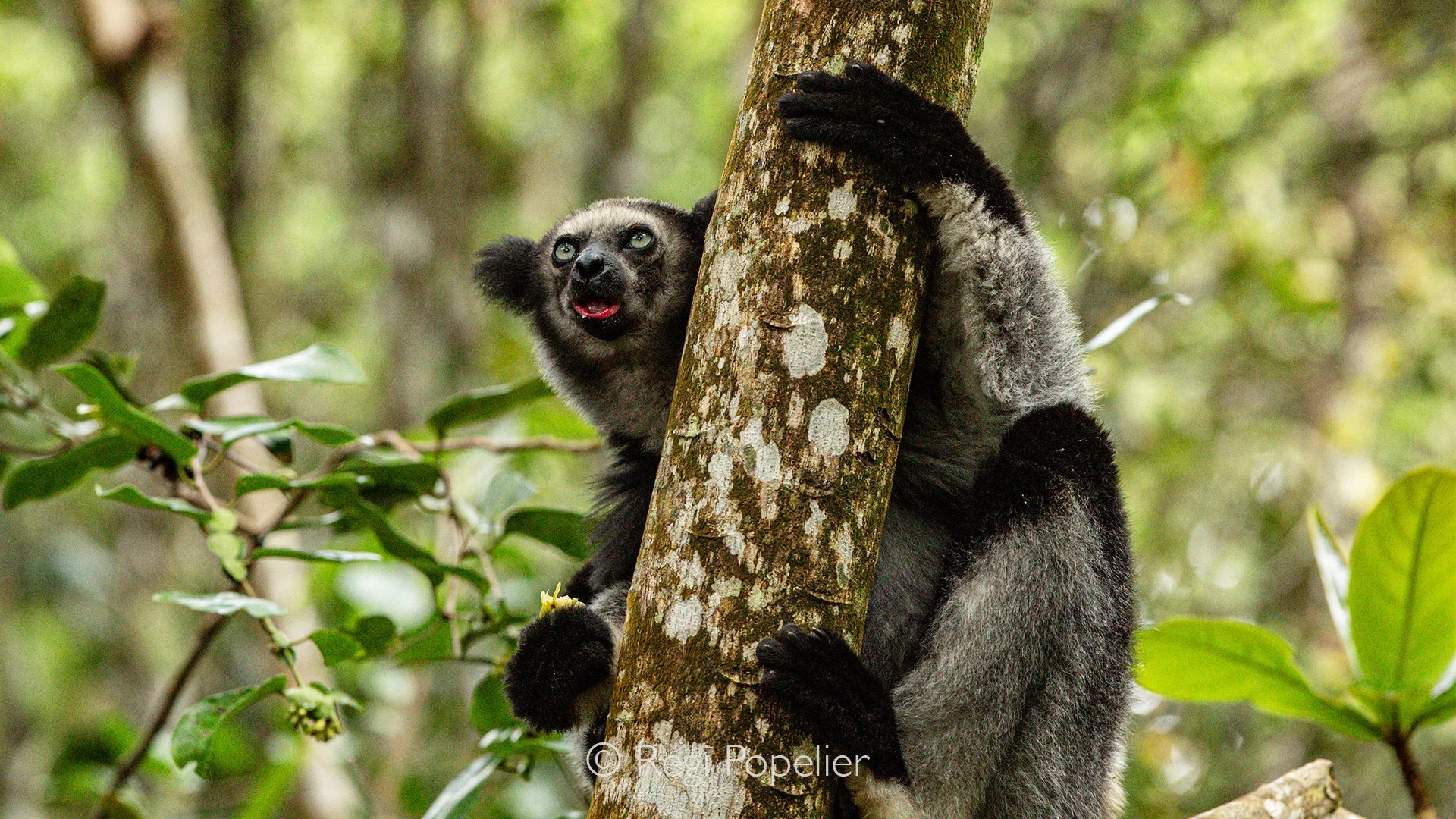
MADA052 - Indri Lemur, (Indri indri), in the rainforest, Perinet, Madagascar.
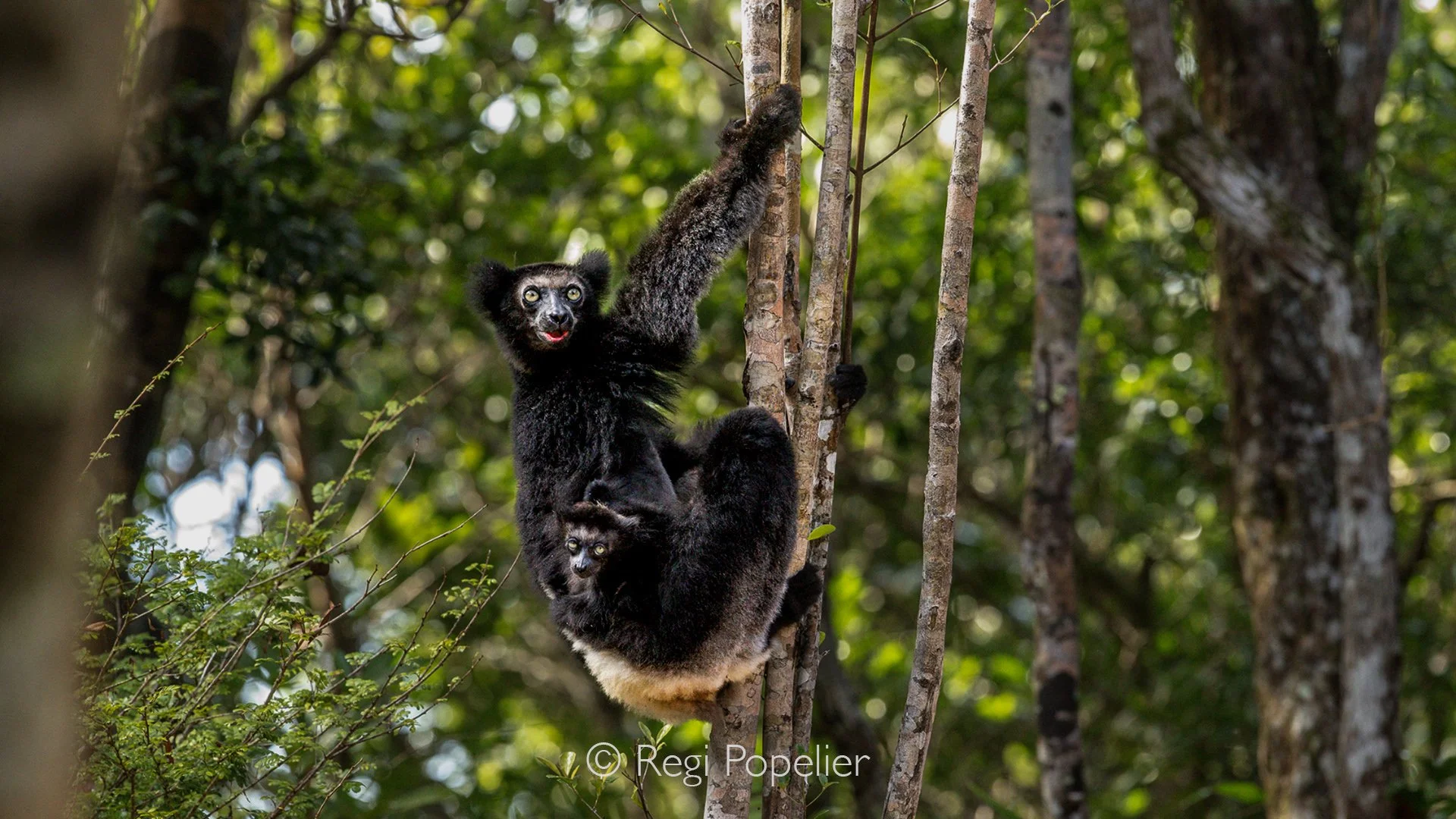
MADA053 - Indri Lemur, (Indri indri) with baby. Perinet, Madagascar.
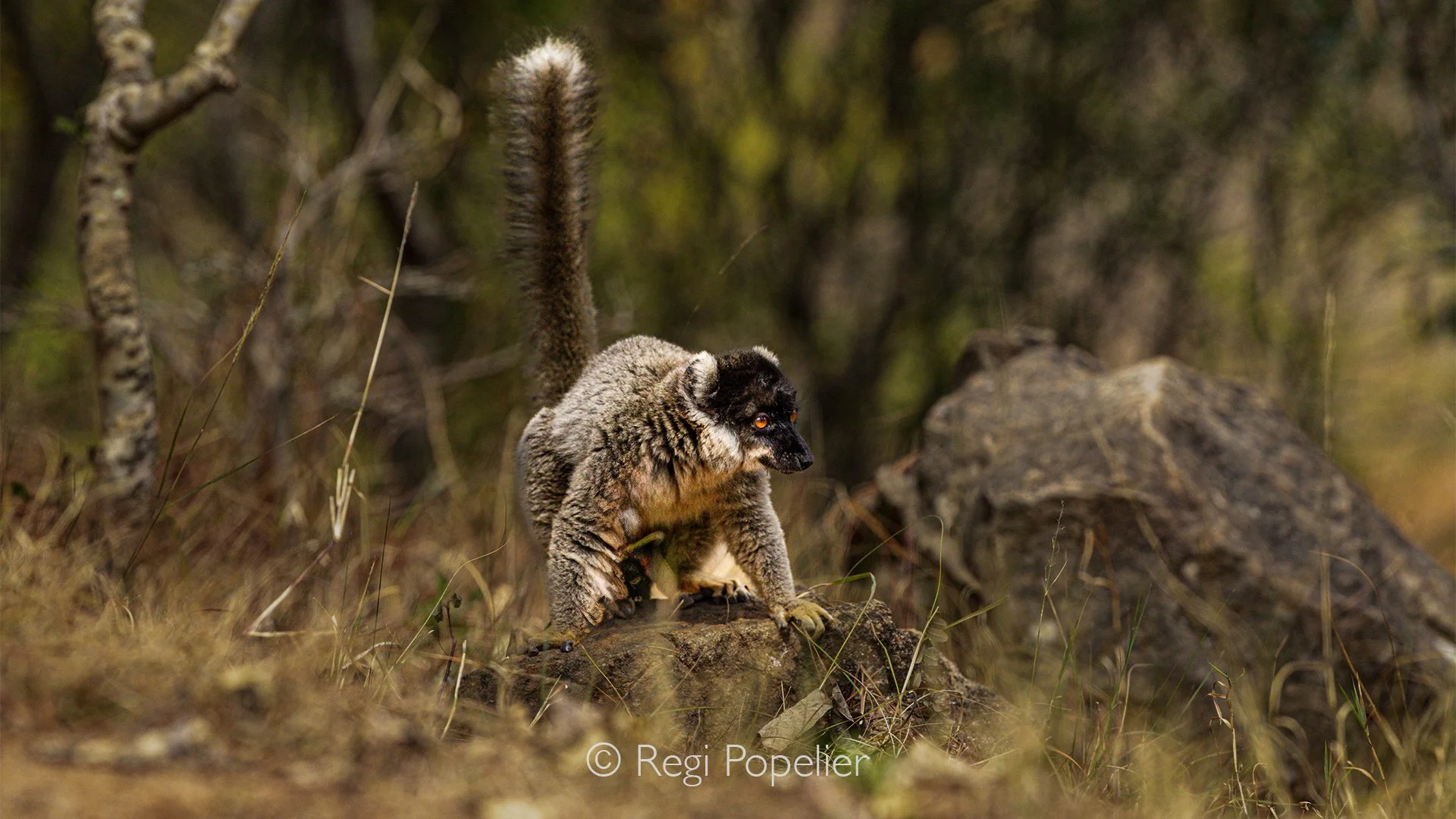
MADA054 - Mongoose Lemur.
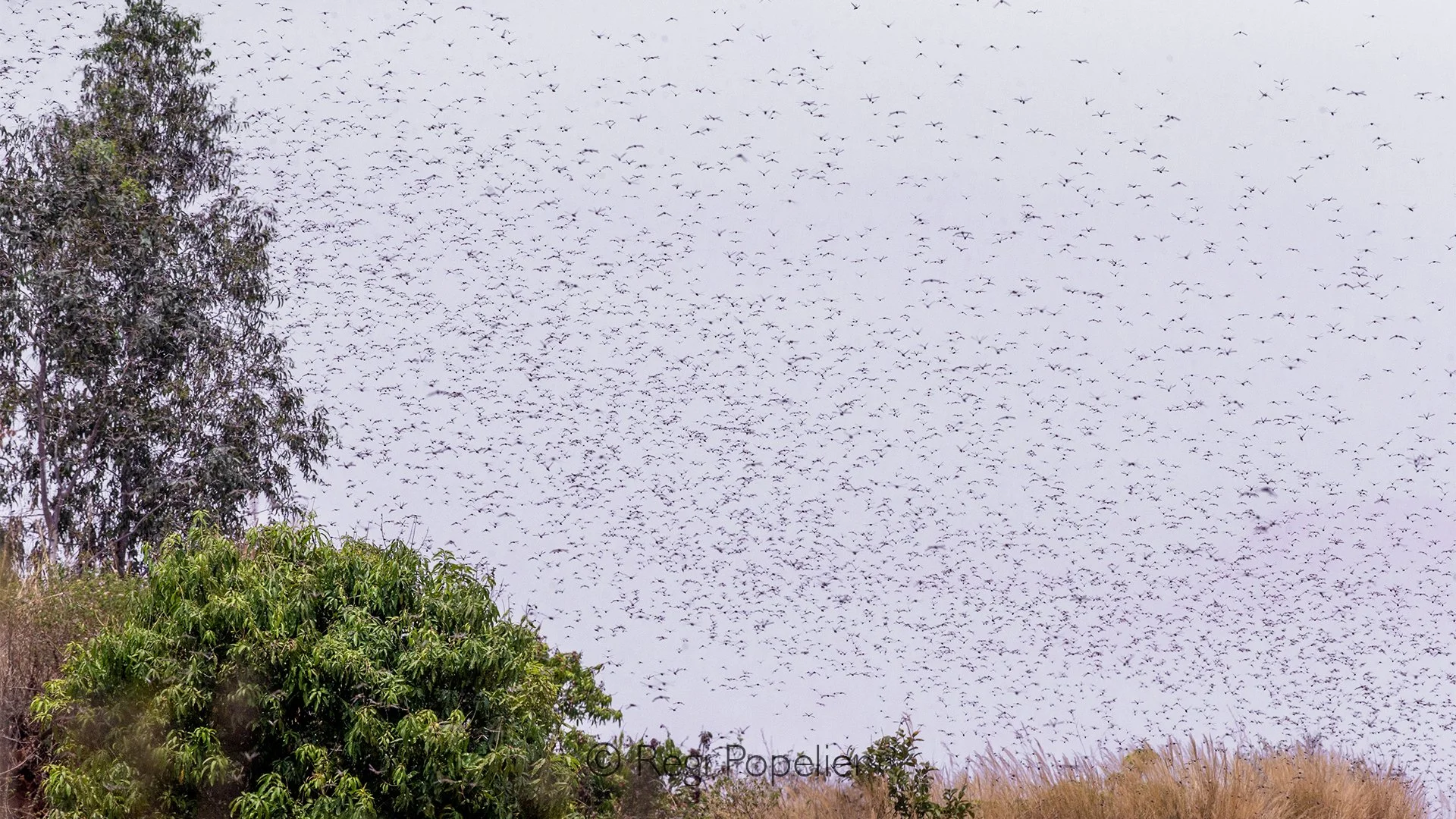
MADA055 - Invasion of grasshoppers.
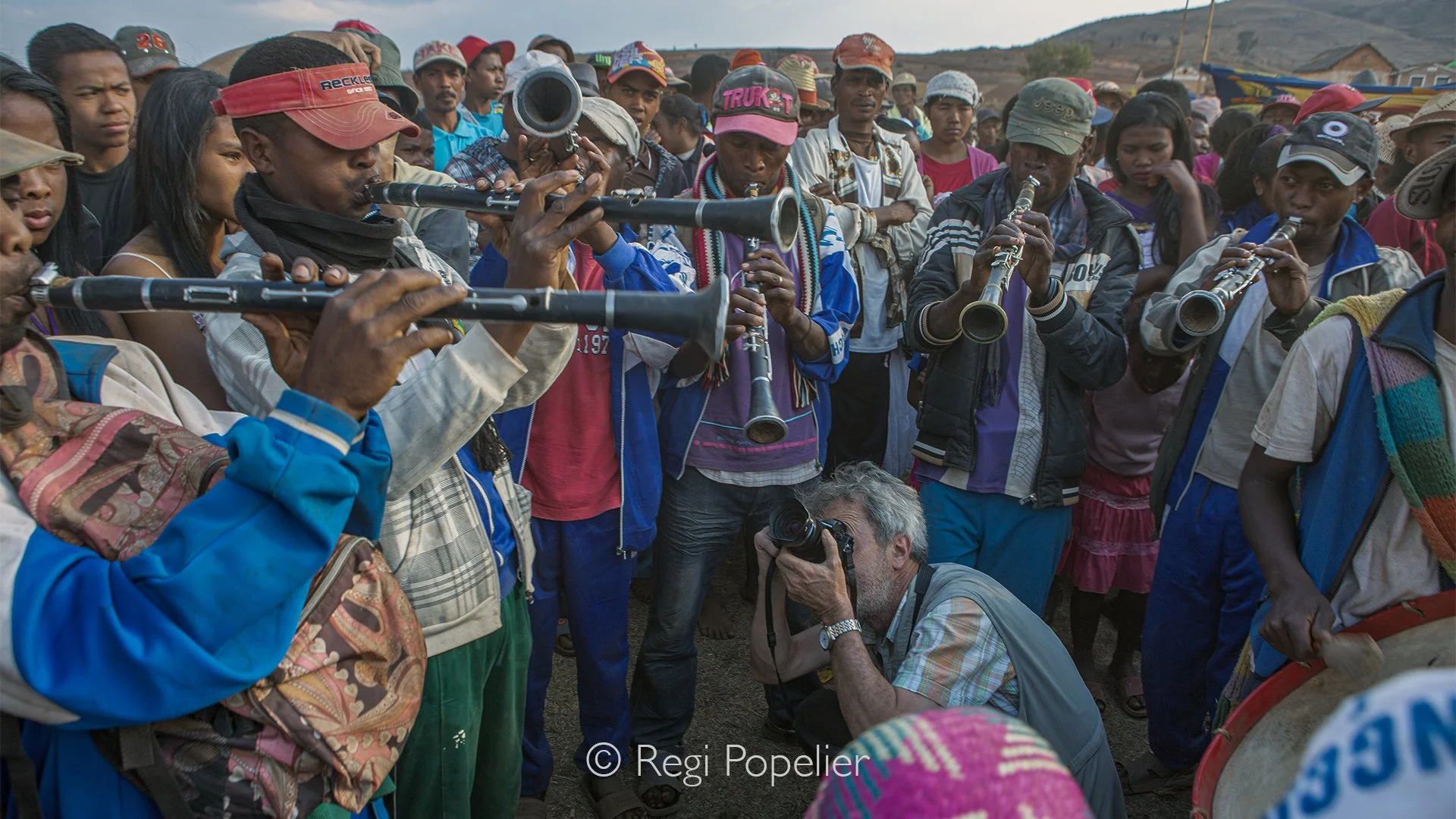
MADA056 - Pierrot Men at work.
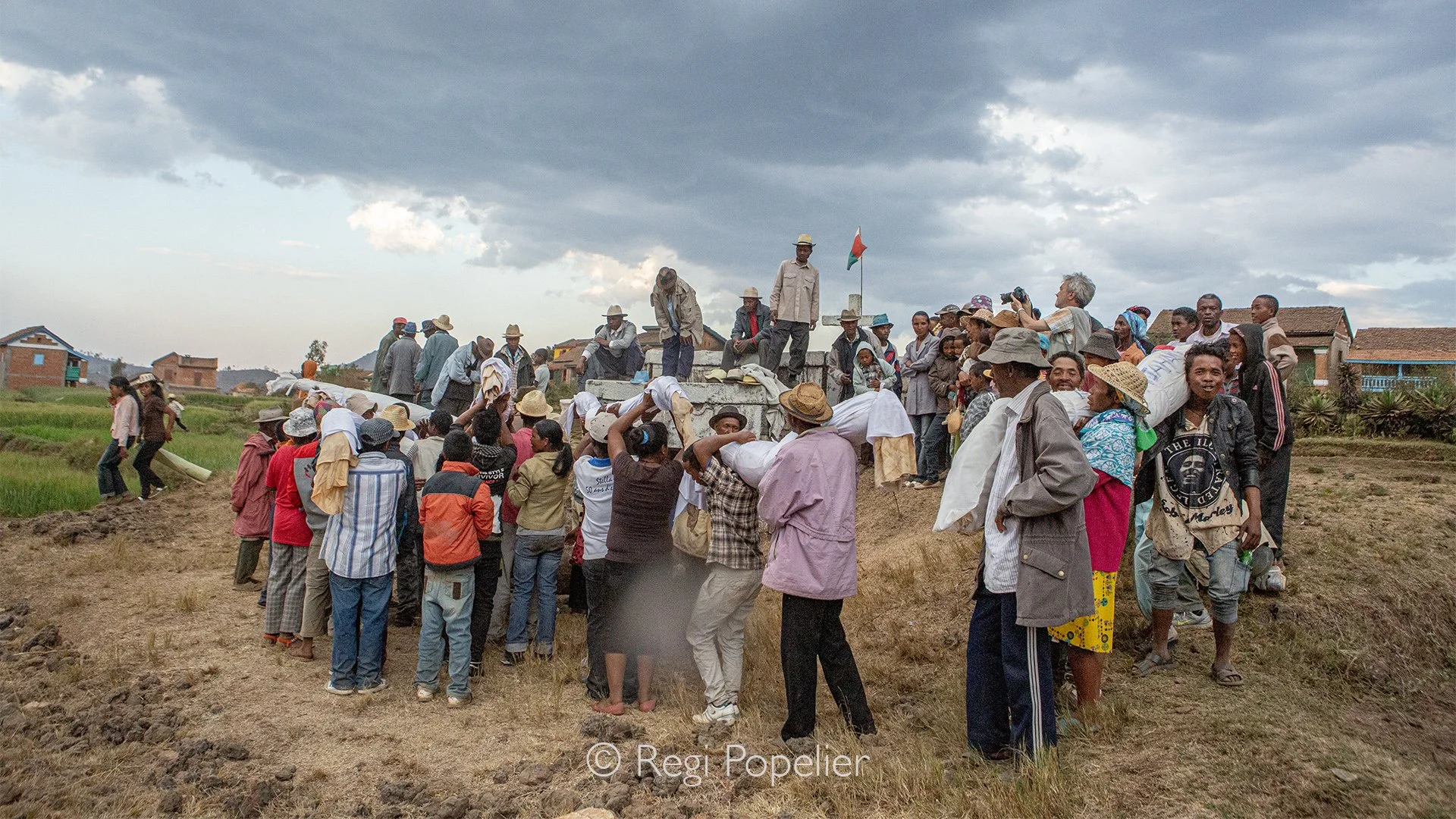
MADA057 - Famadihana: Turning of the Bones. Families exhume the remains of their ancestors to wrap them in fresh silk shrouds and dance with them, celebrating life and eternal connection. Photographing with Pierrot Men.